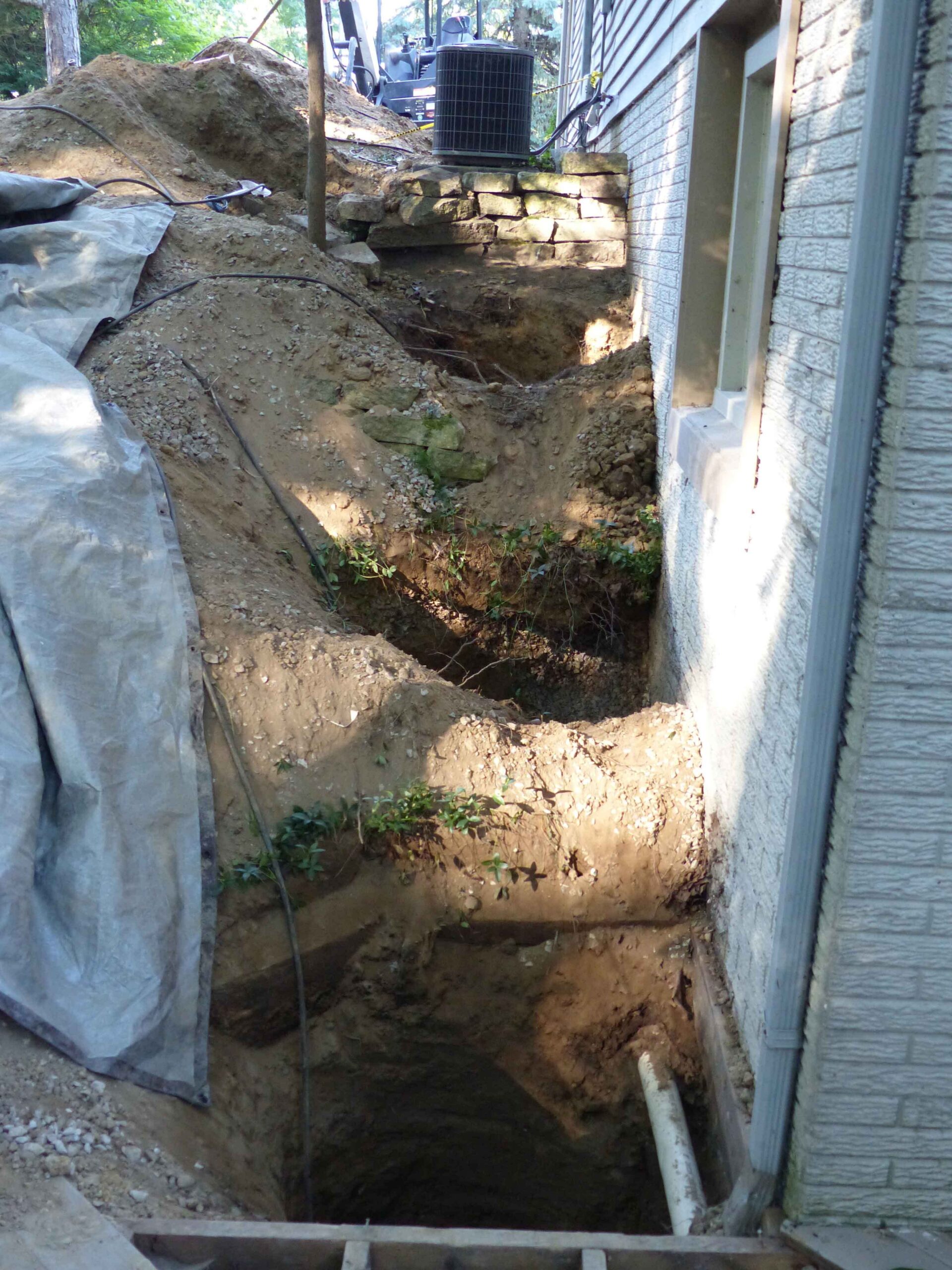
How to Approach Foundation Repair in Pleasanton, TX
To approach foundation repair in Pleasanton, TX, you must first confirm structural distress through a professional evaluation, preferably by a licensed structural engineer. In the 2026 Texas real estate market, a successful approach in...
To approach foundation repair in Pleasanton, TX, you must first confirm structural distress through a professional evaluation, preferably by a licensed structural engineer. In the 2026 Texas real estate market, a successful approach involves identifying local soil-specific movements, selecting a repair method suited for expansive clay, securing necessary City of Pleasanton permits, and verifying contractor warranties.
Contents
Foundation issues are a recurring challenge for property owners in Atascosa County. The geological composition of the region, combined with the volatile South Texas climate, creates an environment where slab-on-grade and pier-and-beam foundations are under constant stress. Approaching a repair requires a methodical strategy that prioritizes long-term stabilization over quick cosmetic fixes.
Understanding the Pleasanton Geological Context
The primary reason foundations fail in Pleasanton is the presence of expansive clay soils, often referred to locally as "black gumbo." These soils act like a sponge; they expand significantly when saturated with water and shrink during the long, hot Texas summers. This cycle of expansion and contraction exerts "upheaval" and "settlement" forces on concrete slabs.
In 2026, weather patterns in South Texas continue to fluctuate between periods of extreme drought and heavy flash flooding. This volatility accelerates soil movement. Property owners near the Atascosa River or in lower-lying areas of Pleasanton often face higher risks due to fluctuating groundwater tables. When the soil beneath one corner of a home loses moisture faster than another, differential settlement occurs, leading to the structural cracks and shifts that necessitate professional intervention.
Step 1: Professional Identification and Diagnostics
Before calling a repair contractor, it is essential to distinguish between minor cosmetic settling and significant structural failure. Homeowners should look for specific red flags that indicate a need for professional consultation:
- Exterior Masonry Cracks: Large "stair-step" cracks in brickwork or siding, particularly those wider than 1/8th of an inch.
- Interior Wall Separation: Fissures in drywall that originate from the corners of doors and windows, or gaps where the wall meets the ceiling.
- Door and Window Functionality: Doors that suddenly stick, swing open on their own, or have visible gaps in the upper corners of the frame.
- Floor Levelling Issues: Noticeable slopes in flooring or "popping" tiles, which suggest the slab is no longer planar.
The Role of the Structural Engineer
In 2026, the recommended first step is hiring an independent structural engineer licensed by the Texas Board of Professional Engineers and Land Surveyors. Unlike a repair contractor, an independent engineer does not have a financial interest in selling a specific piling system. They provide an unbiased report detailing the elevation changes across the slab and a specific "plan of repair" if work is required. This report serves as a blueprint for contractors to bid on, ensuring you compare "apples to apples" when reviewing quotes.
Step 2: Selecting the Appropriate Repair Method
The "how" of foundation repair depends largely on the depth of the stable soil or "load-bearing strata" beneath your property. In Pleasanton, several methods are standard, each with specific advantages.
Pressed Concrete Pilings
This is the most common method in South Texas. It involves driving pre-cast concrete cylinders into the ground using the weight of the house as leverage. They are cost-effective and relatively quick to install. However, they rely on friction and may not always reach the deep, stable rock layers.
Steel Pilings
Steel piers are driven deeper than concrete and are often used for high-value structures or areas with particularly deep clay deposits. While more expensive, they provide higher long-term stability because they are less likely to be affected by surface-level soil moisture changes.
Helical Piers
Commonly used for lighter structures or pier-and-beam homes, helical piers are "screwed" into the ground. They are excellent for resisting both downward settlement and upward heave.
Polyurethane Injection (Slab Jacking)
For interior floor settling or sidewalk leveling where structural pilings aren't required, high-density foam injection can fill voids beneath the slab. This is a non-invasive way to level a floor without major excavation.
Step 3: Navigating Local Regulations and Permits
The City of Pleasanton requires building permits for structural foundation repairs. As of 2026, homeowners must ensure their chosen contractor is registered with the city and pulls the necessary permits before work begins.
The City of Pleasanton Building Department typically requires a site plan and, in many cases, an engineered plan of repair. Once the work is completed, a post-repair engineering inspection is often required to certify that the pilings were installed according to the plan. Skipping these steps can lead to significant legal and financial headaches when attempting to sell the property later, as title companies and lenders will look for "closed" permits and engineering certifications.
Comparison of Common Foundation Repair Methods
| Method | Best For | Average Duration | Relative Cost | Expected Longevity |
|---|---|---|---|---|
| Pressed Concrete Pilings | Standard residential slabs | 1–3 Days | Moderate | High (with maintenance) |
| Steel Pilings | Deep stable soil access | 2–5 Days | High | Very High |
| Helical Piers | Pier & Beam / Additions | 1–2 Days | Moderate-High | High |
| Polyurethane Injection | Sunken slabs / Voids | 1 Day | Lower | Moderate (soil dependent) |
Step 4: Vetting Contractors and Warranties
Because foundation repair is a significant investment, the vetting process must be rigorous. In 2026, the Texas market is saturated with contractors, but not all provide the same level of security.
- Insurance and Bonding: Verify the company carries general liability insurance and workers' compensation. This protects the homeowner from liability if a worker is injured on-site.
- Transferable Warranties: A foundation warranty is only as good as the company backing it. Look for "lifetime transferable warranties." If you sell your home, the warranty should transfer to the new owner, which is a major selling point in the Pleasanton real estate market.
- Local Experience: Ask for references specifically in the Atascosa County area. A company familiar with Pleasanton’s soil will understand the specific depths required for pilings in this zip code.
Step 5: Preventative Maintenance Post-Repair
Repairing the foundation is only half the battle; preventing future movement is the other half. After the repair is complete, property owners must manage the "active zone" of the soil surrounding the home.
- Consistent Watering: Use soaker hoses around the perimeter of the foundation during dry months to keep the clay from shrinking away from the slab. In 2026, automated foundation watering systems have become more common and are highly recommended.
- Drainage Improvement: Ensure that gutters and downspouts discharge water at least 5 to 10 feet away from the foundation. Standing water near the slab is a primary cause of upheaval.
- Root Barriers: Large trees, such as Oaks common in Pleasanton, can transpire hundreds of gallons of water daily, sucking moisture from beneath the foundation. Installing root barriers can prevent trees from dehydrating the soil under your home.
Legal and Financial Considerations
Foundation repairs are generally not covered by standard homeowners' insurance policies unless the damage was caused by a specific covered peril, such as a plumbing leak (ensuing loss). It is advisable to consult with your insurance agent to see if you have a "Sewer and Drain Backup" or "Plumbing Leak" endorsement that might cover a portion of the diagnostic or access costs.
Furthermore, for those looking to finance repairs in 2026, many local Texas banks and specialized home improvement lenders offer FHA Title 1 loans or specialized foundation financing plans. Always ensure that the total cost of repair is weighed against the property's market value in the current Pleasanton appraisal district records.
Frequently Asked Questions
Does a plumbing leak cause foundation issues in Pleasanton? Yes. In the expansive clay of Pleasanton, a subsurface plumbing leak can oversaturate the soil, causing a localized "heave." This is often more difficult to repair than standard settlement because the soil must be allowed to dry out or be chemically stabilized before the slab can be leveled.
How long do foundation repairs typically take? Most residential foundation repairs in Pleasanton are completed within 2 to 4 days. This includes the excavation of "potholes," the driving of pilings, the lifting of the house, and the backfilling of the holes. Interior work or pier-and-beam adjustments may take longer.
Will foundation repair fix the cracks in my walls? Foundation repair stabilizes the structure, but it does not automatically "heal" cracks. Once the house is leveled, the cracks may close slightly, but they will still require cosmetic repair, such as mudding, taping, and painting. It is recommended to wait 4 to 8 weeks after the lift before performing cosmetic repairs to allow the house to settle into its new position.
Is an engineering report mandatory? While not always legally mandatory for the repair itself, it is highly recommended for consumer protection. Most reputable contractors in 2026 will insist on one, and most buyers' inspectors will look for an engineer’s seal of approval during the home resale process.
Can I live in the house during the repair? Yes, in almost all cases, residents can remain in the home. The work is primarily performed on the exterior of the structure. If interior pilings are required, there will be some noise and dust, but it is rarely necessary to vacate the premises.
Practical Recommendation
If you suspect foundation movement, do not rush into a contract with the first repair company that offers a free estimate. Your first action should be to contact a licensed structural engineer for a formal evaluation. This $500–$900 investment can potentially save you thousands by preventing unnecessary repairs or ensuring that the repair method chosen is scientifically appropriate for the specific soil conditions of your Pleasanton property. Once you have the engineering report, solicit at least three bids from established contractors who offer lifetime transferable warranties.
Image Gallery