The CEO of Bridgestone Leads a Global Tire Empire: Leadership and Strategy in 2026
As of 2026, the CEO of Bridgestone, Shuichi Ishibashi, leads a global tire empire that has successfully transitioned from a traditional rubber manufacturer into a leader in sustainable mobility solutions. Under his guidance, the compan...
As of 2026, the CEO of Bridgestone, Shuichi Ishibashi, leads a global tire empire that has successfully transitioned from a traditional rubber manufacturer into a leader in sustainable mobility solutions. Under his guidance, the company has integrated advanced data analytics, proprietary material science, and the "Bridgestone E8 Commitment" to maintain its position as the world’s largest tire and rubber enterprise.
Contents
The Architect of Bridgestone 3.0
Shuichi Ishibashi, who assumed the role of Global CEO in 2020, has spent over four decades within the organization. His leadership in 2026 represents the pinnacle of the "Bridgestone 3.0" era—a transformative phase focused on sustainability and digital integration. Unlike previous iterations of the company that prioritized volume and market share through mass production, Ishibashi’s tenure is defined by "Dan-Totsu," a Japanese term meaning "absolute and undisputed leadership" in quality and social value.
The CEO’s strategy revolves around the concept of "Tires-as-a-Service." By 2026, Bridgestone is no longer just selling a physical product; it is selling uptime, safety, and efficiency. Through the acquisition and refinement of telematics platforms like Webfleet Solutions, the empire now manages hundreds of thousands of connected vehicles. This ecosystem allows the company to monitor tire wear in real-time, predict maintenance needs, and provide fleet managers with actionable data to reduce fuel consumption and carbon emissions.
Navigating a Global Footprint: The Scope of the Empire
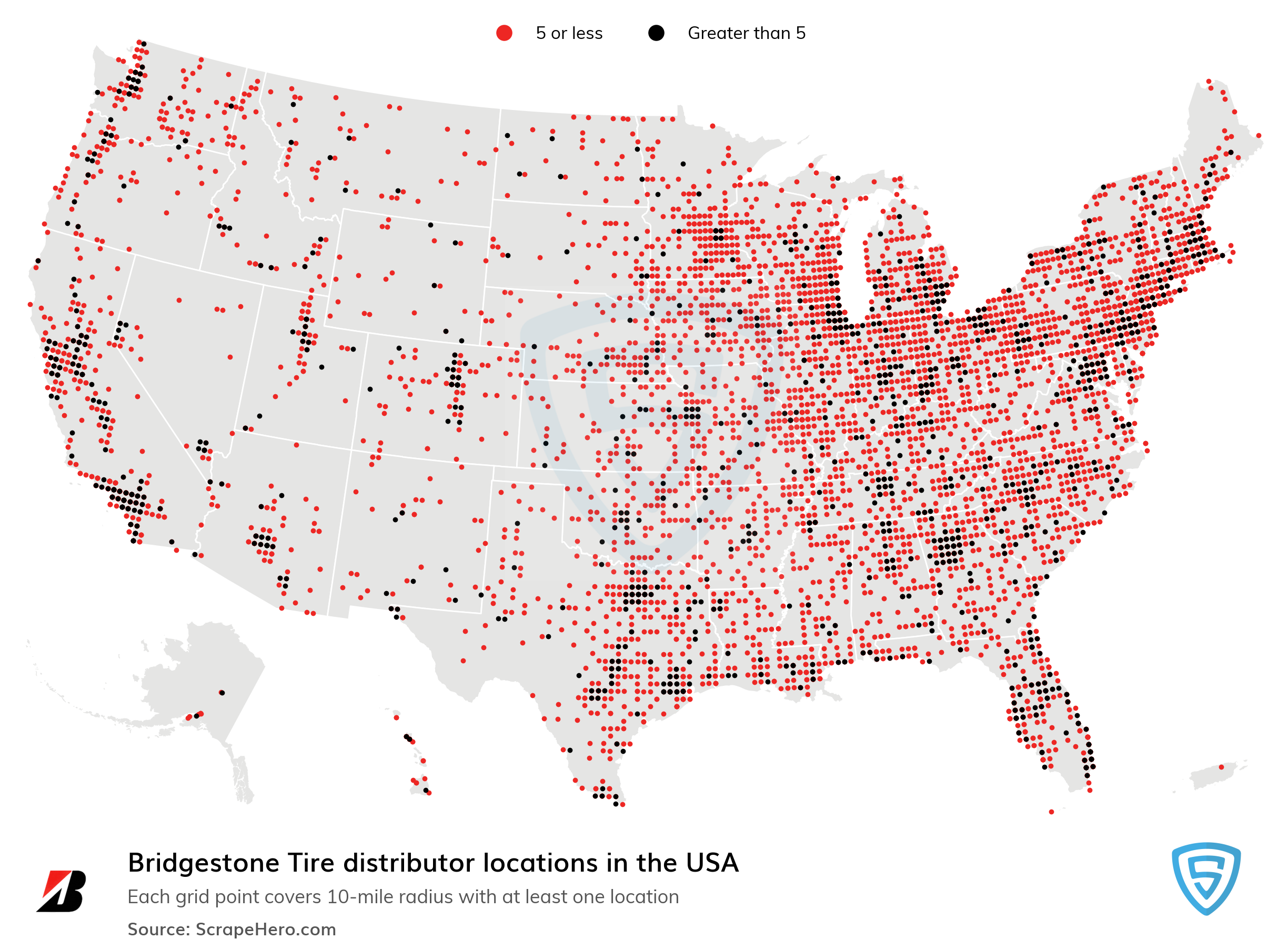
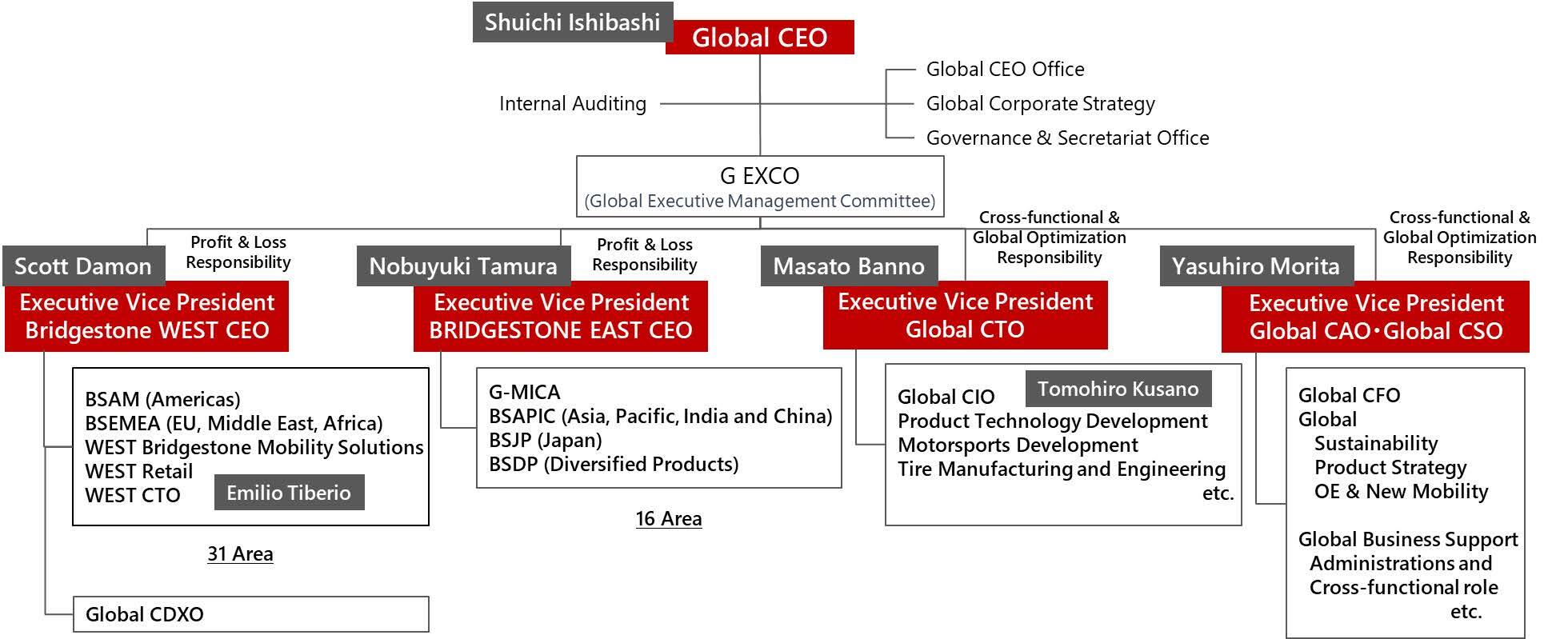
The "empire" Ishibashi leads is staggering in its geographic and operational scale. Bridgestone Corporation, headquartered in Tokyo, operates more than 130 manufacturing plants and R&D facilities worldwide. In 2026, the company continues to leverage its dual-brand strategy, utilizing the Bridgestone name for premium, high-technology offerings and the Firestone brand—acquired in 1988—to capture mid-range and agricultural markets, particularly in the Americas.
The global operations are divided into strategic business units:
- Bridgestone West: Comprising the Americas and Europe, Middle East, and Africa (EMEA). This unit focuses heavily on high-rim-diameter tires and premium EV (Electric Vehicle) fitments.
- Bridgestone Asia Pacific: A hub for manufacturing efficiency and the burgeoning Southeast Asian consumer market.
- Bridgestone Japan: The core center for R&D and high-end chemical product development.
By 2026, Ishibashi has streamlined these units to operate with more agility. The company has moved away from low-margin segments to focus on "Master" products—tires designed with Enliten technology. This technology reduces the weight of the tire and the rolling resistance, which is critical for extending the range of electric vehicles, a dominant market segment in 2026.
The Bridgestone E8 Commitment: A Value-Led Framework
Central to Ishibashi’s leadership is the Bridgestone E8 Commitment, a corporate manifesto launched to align the company's growth with social responsibility. This framework consists of eight values: Energy, Ecology, Efficiency, Extension, Economy, Emotion, Ease, and Empowerment. In 2026, these are not merely slogans but key performance indicators (KPIs) used to evaluate executive success and project viability.
For instance, the "Ecology" pillar has driven Bridgestone to invest heavily in the commercialization of guayule, a desert shrub native to the Southwestern United States, as an alternative source of natural rubber. This initiative reduces the company's reliance on Hevea brasiliensis (the traditional rubber tree), which is largely concentrated in Southeast Asia and susceptible to disease and climate-related supply chain disruptions. By 2026, guayule-derived rubber is being integrated into racing tires and specialty consumer lines, proving the viability of a diversified raw material base.
Technical Innovation and Product Portfolio in 2026
The technical depth of the Bridgestone empire under Ishibashi is best exemplified by its product evolution. In 2026, the company’s portfolio is categorized by its application to the "ACESS" (Autonomous, Connected, Electric, Shared, and Sustainable) mobility trends.
High-Performance and EV Tires
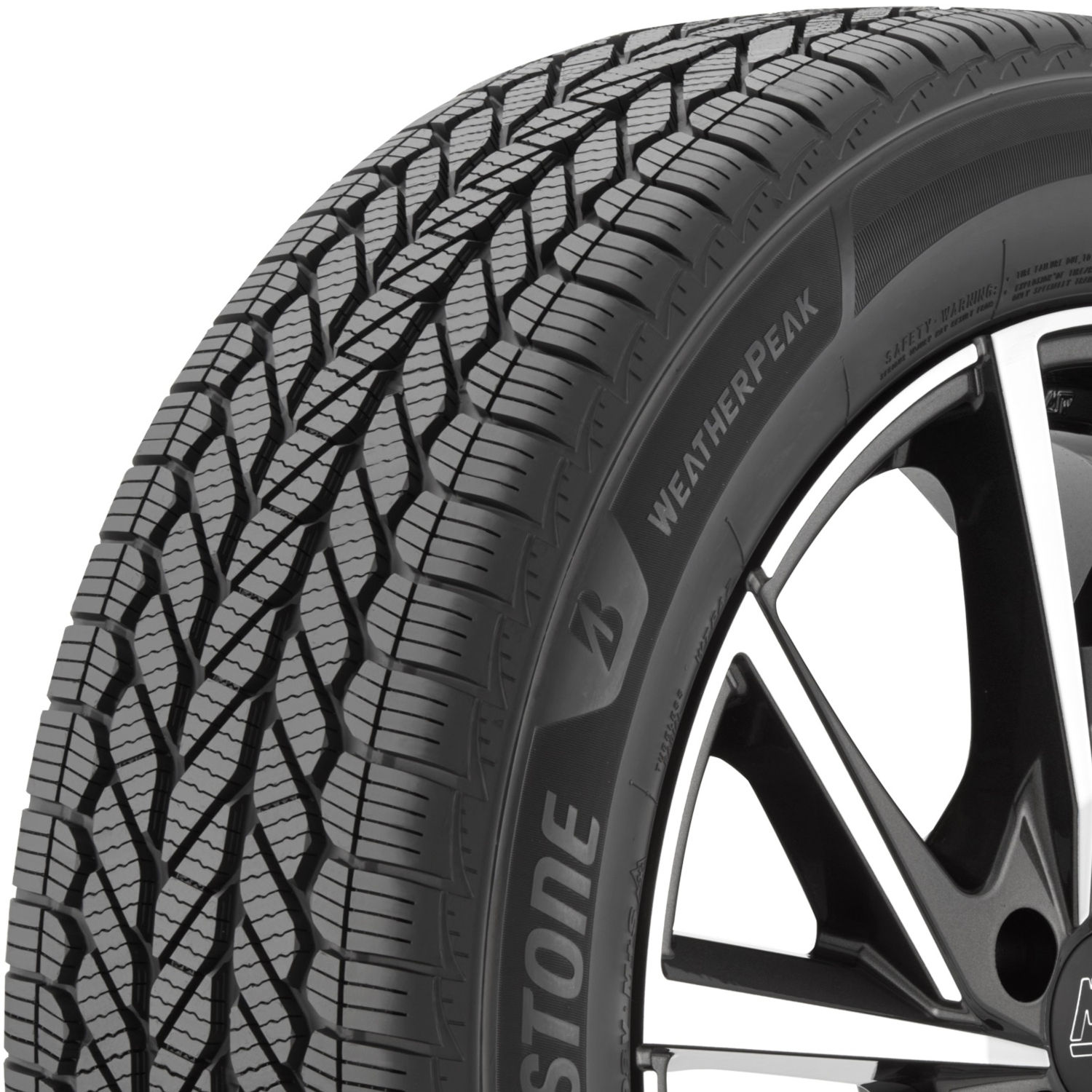
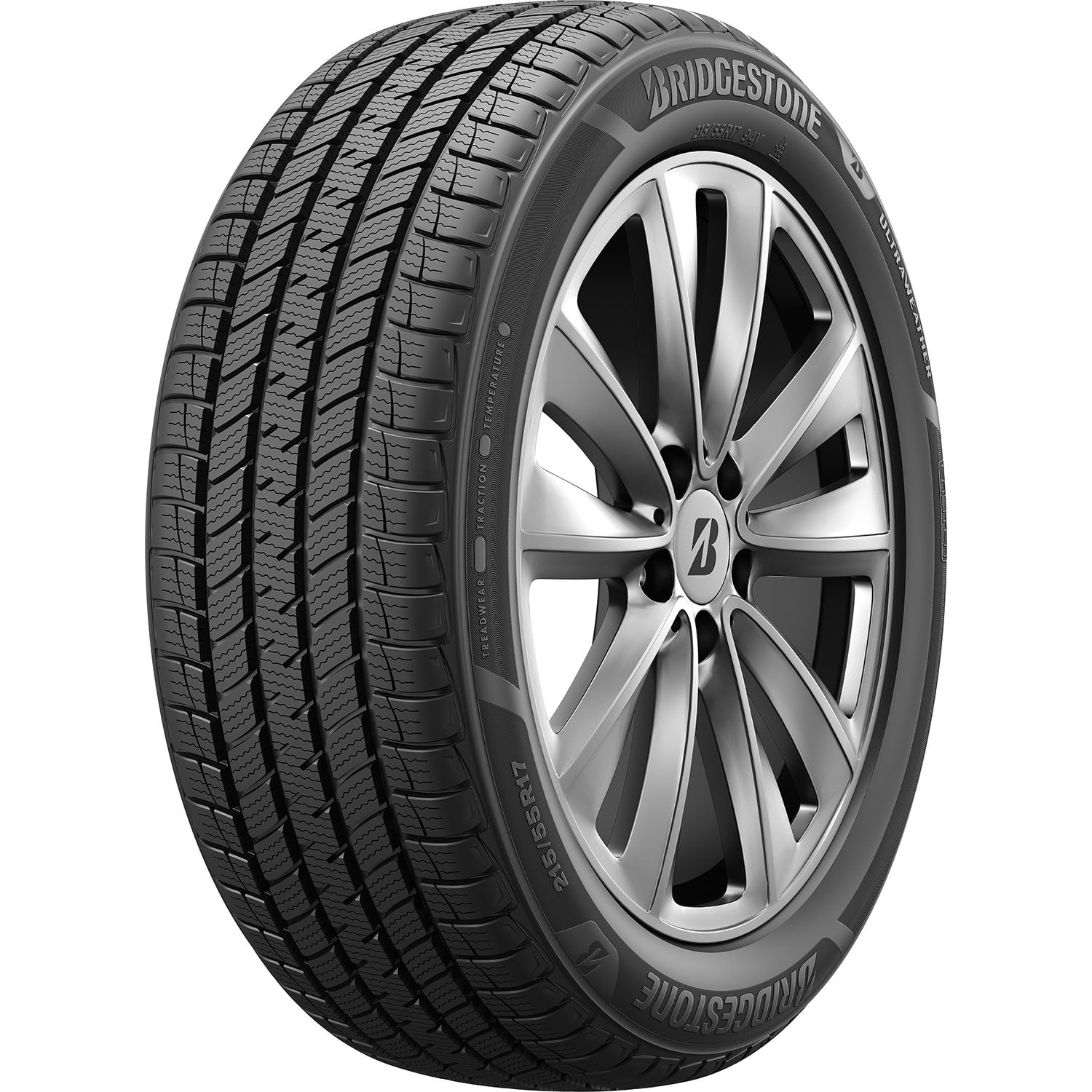
Bridgestone’s Turanza and Potenza lines have been re-engineered for the 2026 market. Electric vehicles produce higher torque and are significantly heavier than internal combustion engine vehicles due to battery weight. Ishibashi has directed R&D to focus on structural integrity and noise reduction. The 2026 Enliten-equipped tires feature a specialized tread pattern that mitigates the high-frequency hum common in EVs, providing a "silent" ride that aligns with the premium EV experience.
Off-the-Road (OTR) and Mining
The empire’s dominance extends to the harshest environments on Earth. Bridgestone’s OTR division provides massive tires for mining trucks that can carry over 300 tons. In 2026, these tires are equipped with "iTrack" sensors. This technology provides the CEO’s team with a global heat map of mining activity, allowing them to adjust production based on real-time industrial demand. This level of vertical integration—from the rubber plantation to the digital sensor in a Chilean copper mine—illustrates the "empire" scale of the business.
| Segment | Key Brand/Technology | Primary Goal in 2026 |
|---|---|---|
| Passenger Cars | Turanza with Enliten | EV Range extension and noise reduction |
| Commercial Fleets | Webfleet Solutions | Lowering Total Cost of Ownership (TCO) |
| Mining/Construction | Mastercore OTR | Maximum durability and real-time monitoring |
| Aviation | Bridgestone Flight | Retreading technology and safety precision |
| Specialty | Lunar Rover Tires | Exploring non-pneumatic (airless) solutions |
Sustainability and the Circular Economy
Under Ishibashi’s leadership, Bridgestone has committed to a "Circular Economy" model. By 2026, the company has made significant strides toward its goal of using 100% sustainable materials by 2050. A major pillar of this is the "B-ROADS" initiative, which focuses on tire recycling.
Tires are notoriously difficult to recycle due to their complex vulcanized structure. However, Bridgestone has invested in pyrolysis technology, which breaks down end-of-life tires into carbon black, oil, and steel. In 2026, the company is using recovered carbon black to manufacture new tires, closing the loop. This not only reduces waste but also buffers the company against the volatility of petroleum prices, which are a primary component in synthetic rubber production.
Economic Impact and Market Position
The financial health of the Bridgestone empire in 2026 remains robust, despite the capital-intensive nature of the transition to sustainable solutions. Ishibashi has maintained a "premium" pricing strategy, arguing that the long-term value of a high-efficiency tire outweighs the initial cost.
Bridgestone consistently competes with Michelin for the top spot in global tire sales. While Michelin often leads in brand recognition for luxury segments, Bridgestone’s strength lies in its diversified industrial footprint and its aggressive expansion into digital fleet management. The CEO’s ability to balance traditional manufacturing with software-as-a-service revenue has made Bridgestone a favorite among institutional investors looking for stability in the volatile automotive sector.
Future Challenges: Navigating Geopolitics and Tech
Leading a global empire in 2026 is not without its risks. Ishibashi must navigate:
- Raw Material Volatility: While guayule and recycling are promising, the company still depends on global markets for natural rubber and chemicals.
- Geopolitical Tensions: With significant manufacturing assets in both China and the United States, Bridgestone must maintain a delicate balance to avoid the crossfire of trade tariffs.
- The "Airless" Revolution: Bridgestone is testing non-pneumatic tires (air-free) for commercial use. Transitioning the world’s infrastructure from air-filled tires to airless ones is a monumental task that could disrupt the entire retreading industry.
FAQs
Who is the current CEO of Bridgestone?
As of 2026, Shuichi Ishibashi serves as the Global CEO and Representative Executive Officer of Bridgestone Corporation. He has been instrumental in the company's "Bridgestone 3.0" transformation, focusing on sustainable mobility and digital solutions since his appointment in 2020.
What is the "Bridgestone E8 Commitment"?
The E8 Commitment is a corporate framework consisting of eight values (Energy, Ecology, Efficiency, Extension, Economy, Emotion, Ease, and Empowerment) that guide the company's strategic decisions. It aims to harmonize business growth with social and environmental sustainability.
Does Bridgestone own Firestone?
Yes, Bridgestone acquired the American company Firestone in 1988. In 2026, Firestone remains a vital part of the Bridgestone empire, particularly in the North American passenger, agricultural, and racing markets (such as the IndyCar series).
What is Enliten technology?
Enliten is a core Bridgestone technology used to manufacture tires that are lighter and have lower rolling resistance. In 2026, it is the standard for Bridgestone’s electric vehicle tires, as it helps maximize battery life and reduces the environmental footprint of the manufacturing process.
How does Bridgestone use digital technology in 2026?
Bridgestone utilizes telematics and sensor technology (like Webfleet and iTrack) to provide "Tires-as-a-Service." This allows the company to monitor tire health remotely, helping commercial fleets and mining operations optimize their maintenance schedules and reduce downtime.
Practical Recommendation for Stakeholders
For investors, partners, and consumers looking at the Bridgestone empire in 2026, the focus should be on value-based mobility. If you are a fleet operator, the recommendation is to integrate Bridgestone’s telematics platforms early to capitalize on predictive maintenance savings. For investors, monitoring the company's progress in guayule commercialization and circular economy metrics will provide the best indication of long-term viability. As Shuichi Ishibashi continues to steer the company, the "tire empire" is increasingly defined by how much data it processes, not just how much rubber it pours.
Image Gallery