2025 Tax Returns Delayed: Here’s What You Need to Know
If your 2025 tax return is delayed during the 2026 filing season, it is typically due to security filters, mathematical errors, or claims for specific credits like the EITC. While most e-filed returns are processed within 21 days, manu...
If your 2025 tax return is delayed during the 2026 filing season, it is typically due to security filters, mathematical errors, or claims for specific credits like the EITC. While most e-filed returns are processed within 21 days, manual reviews or identity verification requirements can extend the waiting period to several months.
Contents
The 2026 tax season, covering income earned in 2025, has introduced several updates to the Internal Revenue Service (IRS) processing systems. While the agency has significantly improved its digital infrastructure through the Inflation Reduction Act funding, taxpayers continue to face bottlenecks. Understanding why these delays occur and how to navigate the IRS bureaucracy is essential for those waiting on their refunds.
Understanding the 2026 Filing Landscape for 2025 Returns
As we move through 2026, the IRS has reached a pivotal point in its multi-year modernization strategy. The transition from legacy systems to more integrated data processing has generally accelerated refund timelines for simple returns. However, this same modernization has introduced more sophisticated automated filters designed to catch fraud and identity theft. For many taxpayers, a "delayed" status does not necessarily mean there is a problem with their income reporting; rather, it often means the return has been pulled for a secondary automated or manual review.
The IRS traditionally begins accepting 2025 tax returns in late January 2026. For those who filed early, the expectation of a quick turnaround is high. When the status on the "Where’s My Refund?" tool remains stuck on "Received" rather than "Approved" for more than three weeks, it triggers understandable anxiety. It is important to distinguish between a processing delay (where the IRS is simply behind) and a flagged return (where the IRS requires more information from the taxpayer).
Common Technical and Procedural Reasons for Delays
Several factors can derail the standard 21-day processing window. In the 2025 tax year, changes to certain tax brackets and the expiration or modification of various pandemic-era credits have led to a higher incidence of "math errors."
The PATH Act and Refund Holds
One of the most common reasons for a delay in early 2026 is the Protecting Americans from Tax Hikes (PATH) Act. By law, the IRS cannot issue refunds for returns claiming the Earned Income Tax Credit (EITC) or the Additional Child Tax Credit (ACTC) before mid-February. This pause allows the agency extra time to verify the validity of these high-value claims. If you filed in January 2026 and claimed these credits, your return will be held in a pending status even if it is otherwise perfect. Most "PATH Act" refunds are not deposited until the final week of February or the first week of March.
Identity Verification and Security Filters
The IRS has increased its reliance on the Taxpayer Protection Program (TPP). If the IRS's system detects a discrepancy—such as a change in filing status, a new address, or income from a new source—it may flag the return for identity verification. Taxpayers in this situation will often see a status update asking them to wait for a letter in the mail (usually Letter 5071C or 4883C). Until the taxpayer completes the identity verification process, either online through the IRS website or via a phone interview, the return remains in a "frozen" state and will not move toward approval.
Incomplete or Inconsistent Data
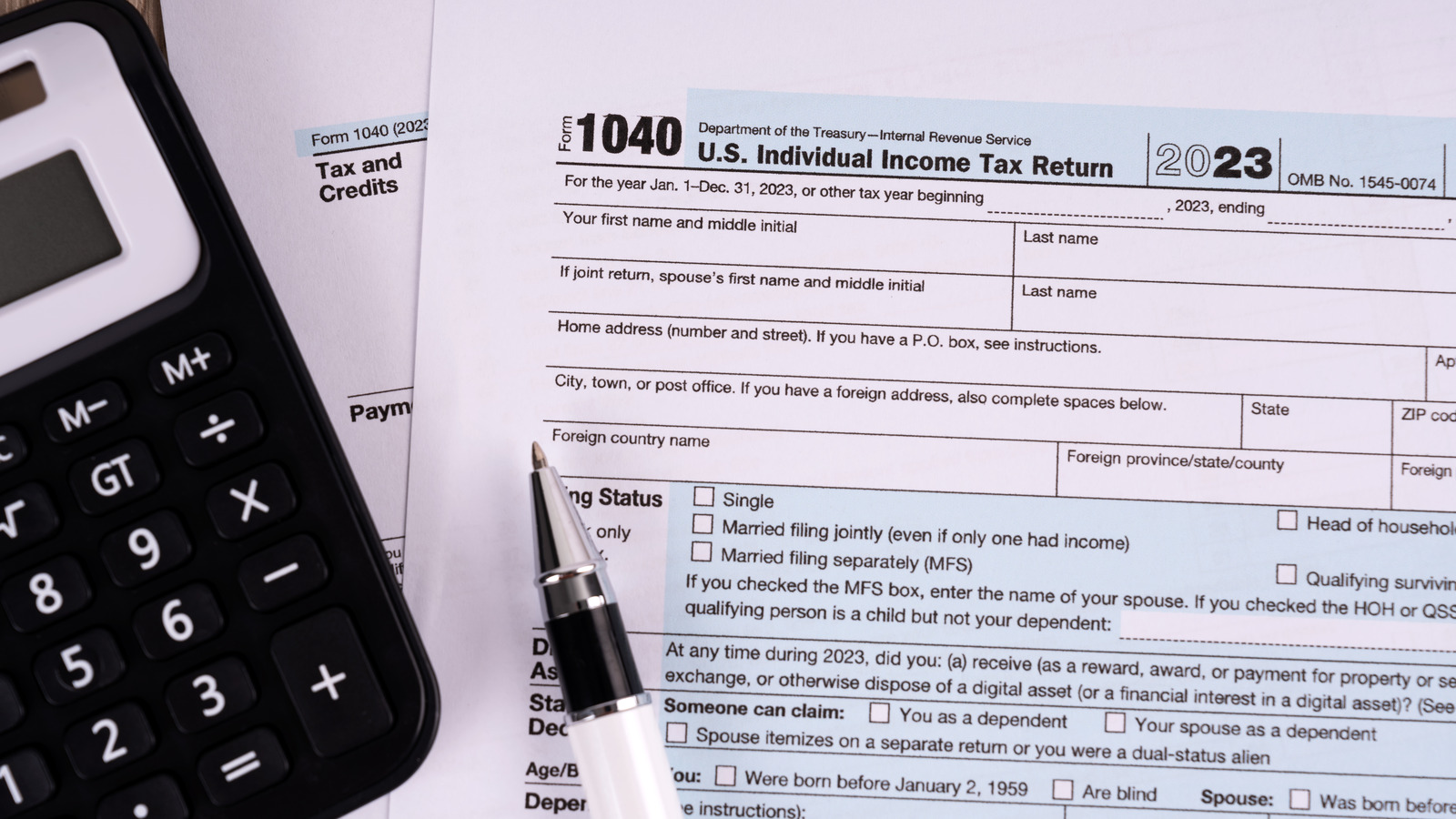
A significant percentage of delays in 2026 are attributed to "information reporting" mismatches. This occurs when the data on your Form 1040 does not match the data reported to the IRS by third parties (employers, banks, or brokerage firms) via W-2s and 1099s. If you file your return before your employer has submitted their copies to the Social Security Administration or the IRS, the automated system may flag your return for a manual wage verification.
Impact of the IRS Direct File Expansion
In the 2025 tax year, the IRS expanded its Direct File program to more states and more complex tax situations. While this service is designed to be seamless, the high volume of new users in 2026 has occasionally led to "processing backlogs" for returns filed through this specific portal. If you utilized the Direct File system, ensure you received a confirmation email that the return was "Accepted." An "Accepted" status means the IRS has the return, but it does not mean the refund has been "Approved."
Comparing Filing Methods and Expected Timelines
The method by which you submitted your 2025 return plays a primary role in the delay you may be experiencing. Paper filing remains the single greatest risk factor for significant delays, often stretching into months rather than weeks.
| Filing Method | Typical Processing Time (2026) | Primary Cause of Delay | Action if Delayed |
|---|---|---|---|
| Electronic (E-file) | 10–21 Days | Security flags, PATH Act, or math errors | Check "Where's My Refund?" after 24 hours |
| Direct File (IRS Portal) | 7–14 Days | High system volume or identity verification | Monitor IRS online account notifications |
| Paper Filing | 6–12 Months | Manual data entry and physical transit | Do not re-file; check status after 4 weeks |
| Amended Return (1040-X) | 16–20 Weeks | Manual review of changes | Use "Where's My Amended Return?" tool |
Troubleshooting a Delayed 2025 Refund
If your return has exceeded the 21-day window for e-filed returns or the 6-week window for paper returns, there are specific steps you should take to identify the bottleneck.
1. Utilize the "Where’s My Refund?" Tool
The Where’s My Refund? tool on the IRS website and the IRS2Go mobile app are the primary sources of information. In 2026, the IRS updated these tools to provide more descriptive "status messages." Instead of a generic "Being Processed," you might see a notice indicating that a letter has been sent or that more information is needed.
2. Check Your IRS Online Account
For a deeper look, taxpayers should log into their IRS Online Account. This portal often displays "Notifications" or "Messages" that have not yet arrived by mail. You can also view your Tax Account Transcript. If the transcript shows a "Code 846," your refund has been authorized. If it shows a "Code 570" or "Code 971," there is an additional action or notice pending on your account.
3. Review for Math Error Notices
The IRS frequently corrects small mathematical mistakes without requiring the taxpayer to do anything. However, this correction process adds approximately 30 to 60 days to the processing time. If the IRS changes the amount of your refund, you will receive a notice explaining the adjustment. You have 60 days to disagree with the change, but the IRS will typically issue the adjusted refund amount in the meantime.
When to Contact the IRS or a Taxpayer Advocate
In 2026, the IRS has improved its phone staffing levels, but wait times during the peak of the filing season can still exceed 30 minutes. You should generally not call the IRS unless:
- It has been more than 21 days since you e-filed.
- The "Where’s My Refund?" tool explicitly tells you to contact them.
- You received a letter requesting a phone interview for identity verification.
If you are facing a "significant hardship" due to a delayed refund—such as the inability to pay for housing, utilities, or medical care—you may qualify for assistance from the Taxpayer Advocate Service (TAS). The TAS is an independent organization within the IRS that helps taxpayers resolve persistent problems that are not being addressed through normal channels.
Frequently Asked Questions
Does calling the IRS speed up my refund?
No, calling the IRS does not move your return faster through the queue. Phone representatives see the same status information as the "Where’s My Refund?" tool unless your return has been flagged for a specific manual action. Only call if the online tool directs you to do so or if a critical error is detected.
Will the IRS pay me interest on my delayed 2025 refund?
Yes, by law, the IRS is required to pay interest on refunds if the processing takes longer than 45 days after the filing deadline (typically April 15, 2026) or 45 days after the return was filed, whichever is later. The interest rate is set quarterly. In 2026, these rates remain competitive, providing some small compensation for the wait.
Why is my refund amount different than what I filed?
The most common reasons for a discrepancy are the offset of federal or state debts (such as unpaid child support or student loans) and math errors. If the Bureau of the Fiscal Service offsets your refund to pay a debt, you will receive a separate notice from them explaining the deduction.
I filed a paper return in early 2026. Why isn't it showing up online yet?
Paper returns must be physically opened and manually entered into the IRS system. It can take four to six weeks for a paper return to even show up as "Received" in the IRS tracking tools. This is why tax professionals almost universally recommend electronic filing.
Practical Next Action for Taxpayers
If you are currently facing a delay, the most effective next step is to request your 2025 Tax Account Transcript through the official IRS website. This document provides a technical log of every action the IRS has taken on your file. Look for "Transaction Codes" (TC) that indicate holds or notices. If you see a "TC 570" (Additional Account Action Pending) followed by "TC 971" (Notice Sent), you know exactly what is happening: a letter is on the way, and you should watch your physical mailbox to respond promptly.
Image Gallery