What’s Shifting in the CC Foundation Repair Co Inc Landscape: A 2026 Analysis
The landscape surrounding CC Foundation Repair Co. Inc. in 2026 is defined by a transition toward high-precision diagnostic technology, more resilient material science, and a heightened focus on preventative soil moisture management. A...
The landscape surrounding CC Foundation Repair Co. Inc. in 2026 is defined by a transition toward high-precision diagnostic technology, more resilient material science, and a heightened focus on preventative soil moisture management. As South Texas faces increasingly volatile weather patterns, the company has adapted its service models to prioritize non-invasive stabilization methods and long-term structural data monitoring for both residential and commercial properties.
Contents
Foundation repair in the Coastal Bend region has never been a static industry. Due to the unique geological composition of the Texas coast—primarily expansive clay soils—companies like CC Foundation Repair Co. Inc. must constantly evolve. By 2026, the "landscape" of this industry is no longer just about lifting a house; it is about managing the entire environment surrounding the slab or pier-and-beam system to prevent future movement.
The Geotechnical Reality of the Coastal Bend in 2026
To understand the shifts at CC Foundation Repair Co. Inc., one must first understand the ground beneath Corpus Christi. The region is dominated by "Victoria Clay" and similar soil types that exhibit high shrink-swell potential. In 2026, the industry has seen a marked increase in soil volatility due to more frequent cycles of extreme drought followed by heavy tropical rainfall.
When the soil dries out, it shrinks and pulls away from the foundation; when it rains, it expands with immense force. This "shifting landscape" has forced CC Foundation Repair Co. Inc. to move beyond simple pier installation. They now focus heavily on hydrostatic pressure management and soil stabilization. Homeowners are no longer just asking for a level floor; they are seeking solutions that address the root cause of the movement: the moisture content of the soil.
The Shift Toward Diagnostic Precision
One of the most significant changes in 2026 is the abandonment of "guesswork" in foundation assessments. CC Foundation Repair Co. Inc. and its competitors have integrated advanced technologies such as:
- Ground Penetrating Radar (GPR): Used to locate voids beneath a slab without drilling exploratory holes.
- Digital Manometer Surveys: Providing floor-levelness maps with sub-millimeter accuracy to track movement over time.
- Soil Moisture Sensors: Strategically placed around a property to give homeowners real-time data on when to activate or deactivate foundation watering systems.
Technological Advancements: Polyurethane vs. Traditional Piers
The debate between traditional methods and modern chemical solutions has reached a new equilibrium in 2026. While pressed concrete piers remain a staple for deep-seated stabilization in the Corpus Christi area, the use of high-density polyurethane foam injection (often called polyjacking) has seen a massive surge in the CC Foundation Repair Co. Inc. service catalog.
Why Polyjacking is Dominating the Market
Polyjacking is shifting the landscape because it is faster, cleaner, and often more cost-effective for specific types of "slab-on-grade" failures. In 2026, the chemical formulations of these resins have improved to be more environmentally friendly and resistant to the saltwater intrusion common in coastal neighborhoods.
However, CC Foundation Repair Co. Inc. maintains a balanced approach. For heavy structural lifts or properties built on deeper layers of unstable silt, helical piers and steel piers remain the gold standard. The shift here is in the "hybrid approach"—using steel piers for deep support while using polyurethane to fill the "voids" created during the lift, ensuring the slab is fully supported across its entire surface area.
The Regulatory and Engineering Shift
In 2026, the relationship between foundation repair contractors and structural engineers has become more formalized. Changes in Texas building codes and local municipal requirements in the Coastal Bend have increased the demand for third-party engineering oversight.
CC Foundation Repair Co. Inc. has adapted by integrating a "Verified Engineering Workflow." This means that for any significant structural intervention, a licensed professional engineer (P.E.) must review the initial plan and provide a post-repair certification. This shift provides a layer of consumer protection that was less prevalent a decade ago. It ensures that the "shifting landscape" of a home’s foundation is being interpreted by a scientist, not just a salesperson.
Warranty and Long-Term Liability
The industry has also seen a shift in how warranties are structured. In 2026, "Lifetime Transferable Warranties" are more rigorously defined. CC Foundation Repair Co. Inc. now emphasizes that a warranty is only as good as the homeowner's maintenance of the drainage and landscaping. If a homeowner allows water to pool against the foundation or removes large trees near the slab, the warranty terms in 2026 are more likely to include clauses regarding "contributory negligence." This shift encourages a partnership between the contractor and the property owner.
Economic Factors and Pricing in 2026
The cost of foundation repair has seen fluctuations driven by material costs—specifically steel and concrete. As of 2026, CC Foundation Repair Co. Inc. has had to navigate the rising costs of raw materials by optimizing their logistical chains.
| Repair Method | Average Cost (2026 Est.) | Best Use Case | Expected Longevity |
|---|---|---|---|
| Pressed Concrete Piers | $450 - $650 per pier | Standard residential slab-on-grade | 20+ Years |
| Steel Piers | $800 - $1,200 per pier | Heavy loads or very deep stable soil | Lifetime |
| Polyurethane Injection | $2,500 - $6,000 (total area) | Void filling and minor leveling | 15+ Years |
| Helical Piers | $1,100 - $1,500 per pier | Light structures or sandy coastal soil | Lifetime |
| Root Barriers | $1,500 - $3,500 (linear) | Preventing moisture loss from trees | Variable |
Note: Pricing is subject to site-specific variables such as depth to load-bearing strata and interior vs. exterior access requirements.
Comprehensive Moisture Management: The New Frontier
If there is one thing that defines the "shifting landscape" of CC Foundation Repair Co. Inc. in 2026, it is the focus on drainage. Experts now agree that 80% of foundation failures in South Texas could have been prevented or mitigated with proper water management.
The company has expanded its scope to include:
- French Drains and Surface Drains: Redirecting the heavy rainfall from Gulf storms away from the "active zone" of the foundation.
- Automatic Soaker Systems: Ensuring that during the brutal July and August heat, the clay soil remains hydrated enough to prevent shrinkage.
- Gutter Integration: Working with roofing and gutter specialists to ensure that downspouts discharge at least 5 to 10 feet away from the perimeter.
This holistic approach recognizes that the foundation does not exist in a vacuum; it is part of a larger hydrological ecosystem.
Navigating the Selection Process in the Current Market
For a homeowner in 2026, choosing a repair company in the Corpus Christi area involves more than just looking at a price tag. The landscape is crowded, but high-quality firms like CC Foundation Repair Co. Inc. distinguish themselves through transparency.
When evaluating the current landscape, homeowners should look for:
- Proof of Insurance: Not just general liability, but also workers' compensation specifically for foundation work.
- Third-Party Reviews: Looking for patterns in how the company handles "callbacks" or warranty issues.
- Technological Literacy: Does the company use digital levels and GPR, or are they still using manual "bubble" levels?
- Permit Compliance: Ensuring the company pulls the necessary permits with the City of Corpus Christi or Nueces County.
Common Mistakes to Avoid in 2026
Despite the advancements in the CC Foundation Repair Co. Inc. landscape, many property owners still fall into common traps. One major mistake is opting for a "patchwork" repair. In an attempt to save money, homeowners might only pier the side of the house that is currently sinking. In the volatile soil of 2026, this often leads to the "teeter-totter" effect, where the stabilized side holds firm while the unsupported side begins to fail, causing even more structural stress.
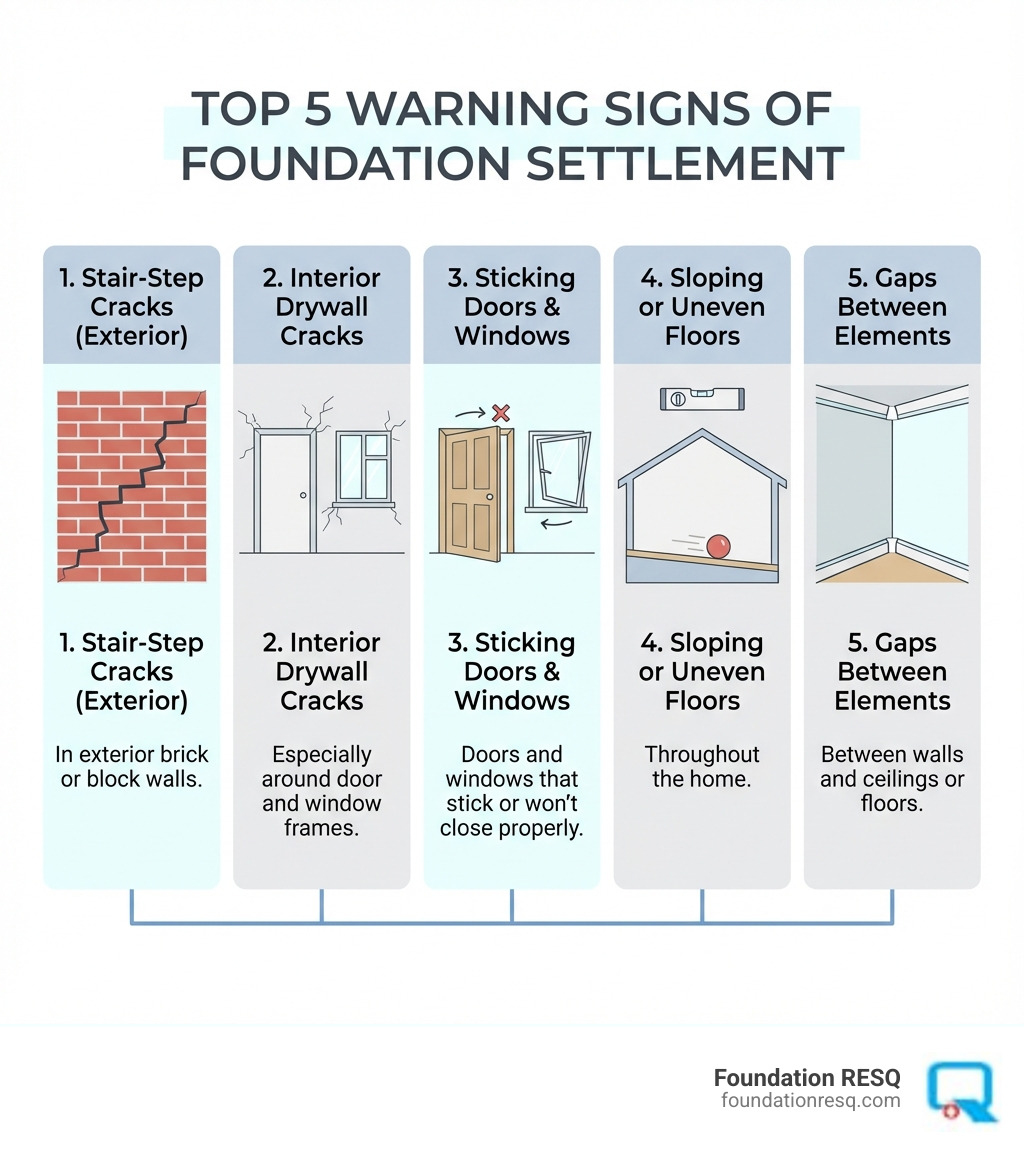
Another mistake is ignoring the signs of interior movement. Cracks in drywall, doors that stick, and gaps between the wall and the ceiling are early warning signs. In 2026, the trend is toward early intervention. Small adjustments and moisture management are far cheaper than a full-scale hydraulic lift involving 30+ piers.
FAQ
How long does a typical foundation repair take in 2026?
For an average residential property, most repairs by CC Foundation Repair Co. Inc. are completed within 3 to 5 days. However, complex jobs requiring interior piers or extensive drainage systems can take up to two weeks. The timeframe is largely dependent on the depth required to reach "refusal" (the point where the pier hits stable soil or rock).
Is foundation repair covered by homeowners insurance?
Generally, no. Standard homeowners insurance policies in Texas do not cover foundation repair caused by soil compaction, expansion, or "settlement." Coverage is usually only triggered if the damage is a direct result of a "covered peril," such as a major plumbing leak beneath the slab (slab leak) or a fire.
What is the difference between a "slab leak" and "foundation failure"?
A slab leak is a leak in the water or sewer lines running beneath your concrete foundation. While a slab leak can cause foundation failure by eroding soil or causing clay to swell, they are separate issues. CC Foundation Repair Co. Inc. often works alongside plumbers to coordinate repairs if a leak is detected during the diagnostic phase.
Will foundation repair damage my landscaping?
There is always some impact on landscaping near the perimeter of the home, as holes must be excavated to install piers. However, in 2026, techniques have become much cleaner. Companies often use "turf mats" to protect lawns and offer services to replant or relocate bushes that are in the path of the repair.
Does CC Foundation Repair Co. Inc. offer financing in 2026?
Most major foundation repair companies in the South Texas landscape now offer internal or third-party financing. Given that foundation repair is a significant unbudgeted expense, 12-month "same-as-cash" or long-term low-interest loans have become a standard part of the business model to make these essential repairs accessible.
Practical Recommendations for Homeowners
If you suspect your foundation is shifting in the current 2026 environment, your first step should be a professional evaluation that includes a digital elevation map. Do not wait for cracks to become large enough to fit a coin into; early stabilization is always more cost-effective.
Ensure that any contractor you hire provides a clear plan for both stabilization (the piers) and preservation (the drainage). In the modern CC Foundation Repair Co. Inc. landscape, a job is not complete until the water management issues that caused the failure are addressed. Always request a post-repair plumbing test to ensure that the lifting process did not stress or break any underground utility lines.
Image Gallery