Understanding Commercial Auto Insurance Without Liability Coverage
Commercial auto insurance without liability coverage is generally not available for vehicles operated on public roads, as liability is a legal mandate in nearly every state. However, for non-operational or seasonal vehicles, businesses...
Commercial auto insurance without liability coverage is generally not available for vehicles operated on public roads, as liability is a legal mandate in nearly every state. However, for non-operational or seasonal vehicles, businesses can utilize "Comprehensive-only" or "Storage" policies. These specialized plans protect against physical damage from theft or weather while legally suspending mandatory road-based liability.
Contents
In the commercial landscape of 2026, insurance remains one of the most significant overhead costs for logistics, construction, and service-based enterprises. Business owners frequently look for ways to trim premiums, leading many to ask if they can strip away liability coverage to save money. While the short answer is that liability is legally required for operation, the nuanced reality involves "lay-up" periods and specialized storage endorsements that effectively allow a business to maintain a policy without active liability coverage under specific conditions.
The Legal Mandate: Why Liability is Usually Non-Negotiable
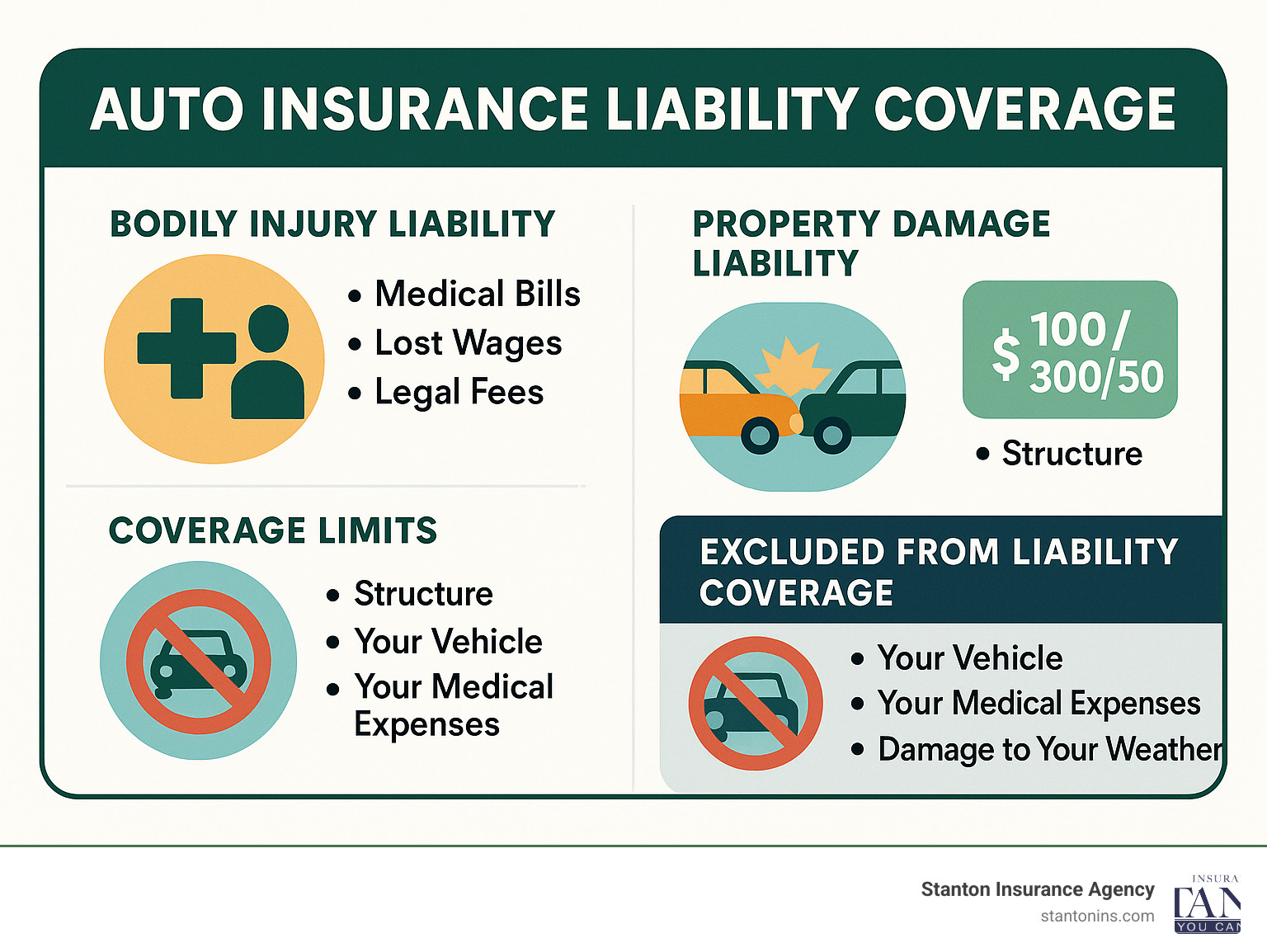
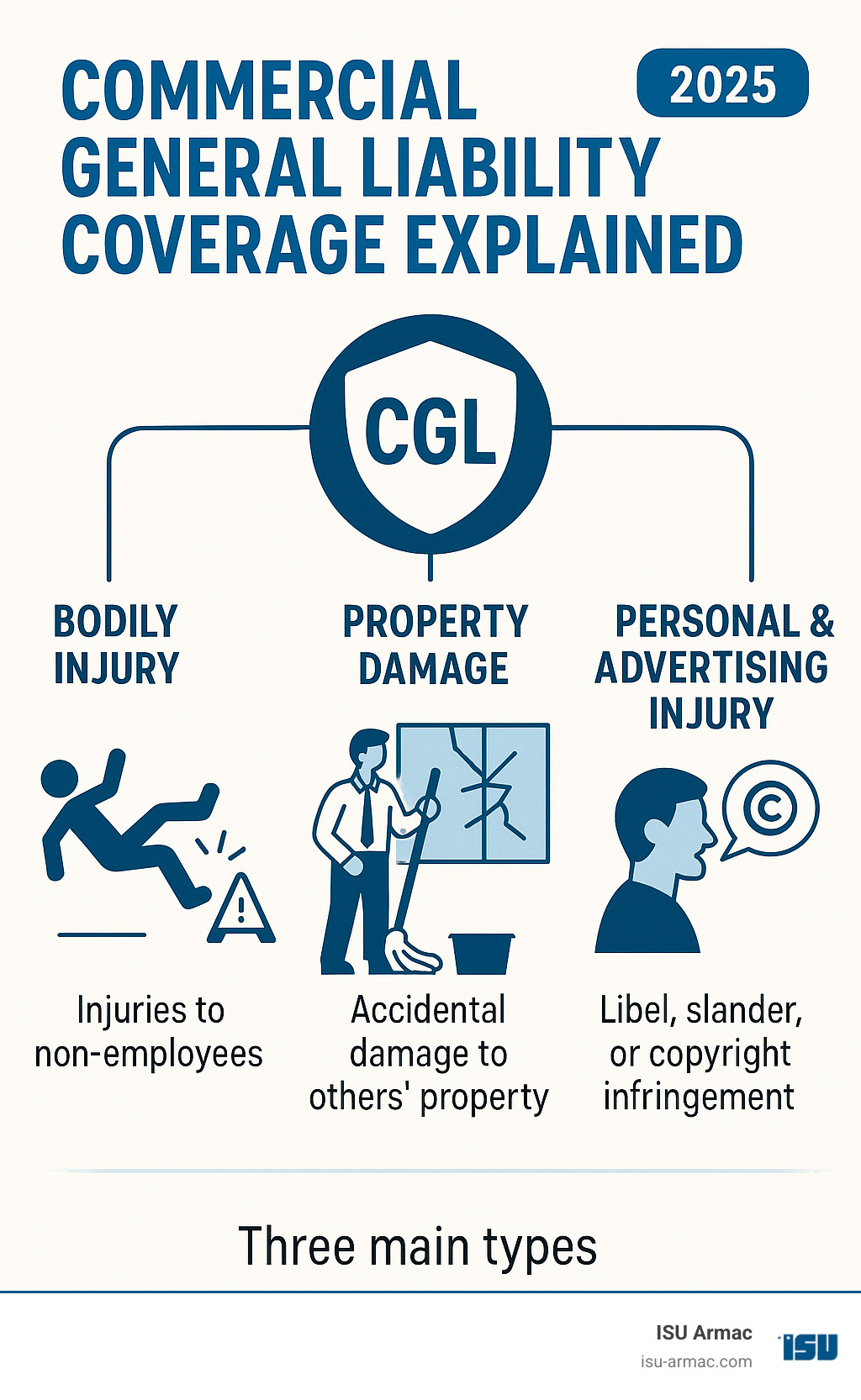
Commercial liability insurance is the bedrock of business automotive protection. It consists of two primary components: Bodily Injury (BI) and Property Damage (PD). In 2026, the Department of Transportation (DOT) and state-level Motor Vehicle Departments continue to enforce strict minimum liability limits for any vehicle used for business purposes.
Liability coverage is designed to pay for the damages your business vehicle causes to others. Because the potential for catastrophic financial loss is high—especially with heavy trucks or delivery vans—the government mandates this coverage to ensure that victims of accidents are compensated. Consequently, you cannot register a commercial vehicle or obtain license plates without providing proof of liability insurance. If you were to cancel the liability portion of an active policy while the vehicle is still registered for road use, the insurance carrier is often required by law to notify the state, leading to immediate registration suspension and potential fines.
Exceptions: When You Can Opt Out of Liability Coverage
While you cannot drive without liability, there are legitimate scenarios where a business might seek to remove it from their policy. This is common in industries with high seasonality or businesses maintaining a "reserve" fleet.
Seasonal Business Operations
Landscaping companies in northern climates or summer-only tourism shuttles often have vehicles that sit idle for four to six months. In these cases, maintaining full road-to-road liability is an unnecessary expense. Insurers allow these businesses to move vehicles into a "seasonal layup" status. During this period, road liability is removed, but the policy remains active to prevent a "gap in coverage" (which can lead to significantly higher premiums when you try to re-insure).
Non-Operational or Stored Vehicles
If a vehicle is undergoing long-term repairs or is being held for sale, the owner may request a Comprehensive-only policy, often referred to as "Storage Insurance." This removes the liability and collision components but keeps protection against "Acts of God" and external threats.
Vehicles Operated Exclusively on Private Property
In very rare instances, a vehicle used exclusively on private corporate campuses, large-scale agricultural land, or fenced construction sites may not require state-mandated liability insurance. However, most business owners still carry it because general liability policies often exclude auto-related accidents, even on private property.
Comprehensive-Only Coverage: The "Storage" Policy
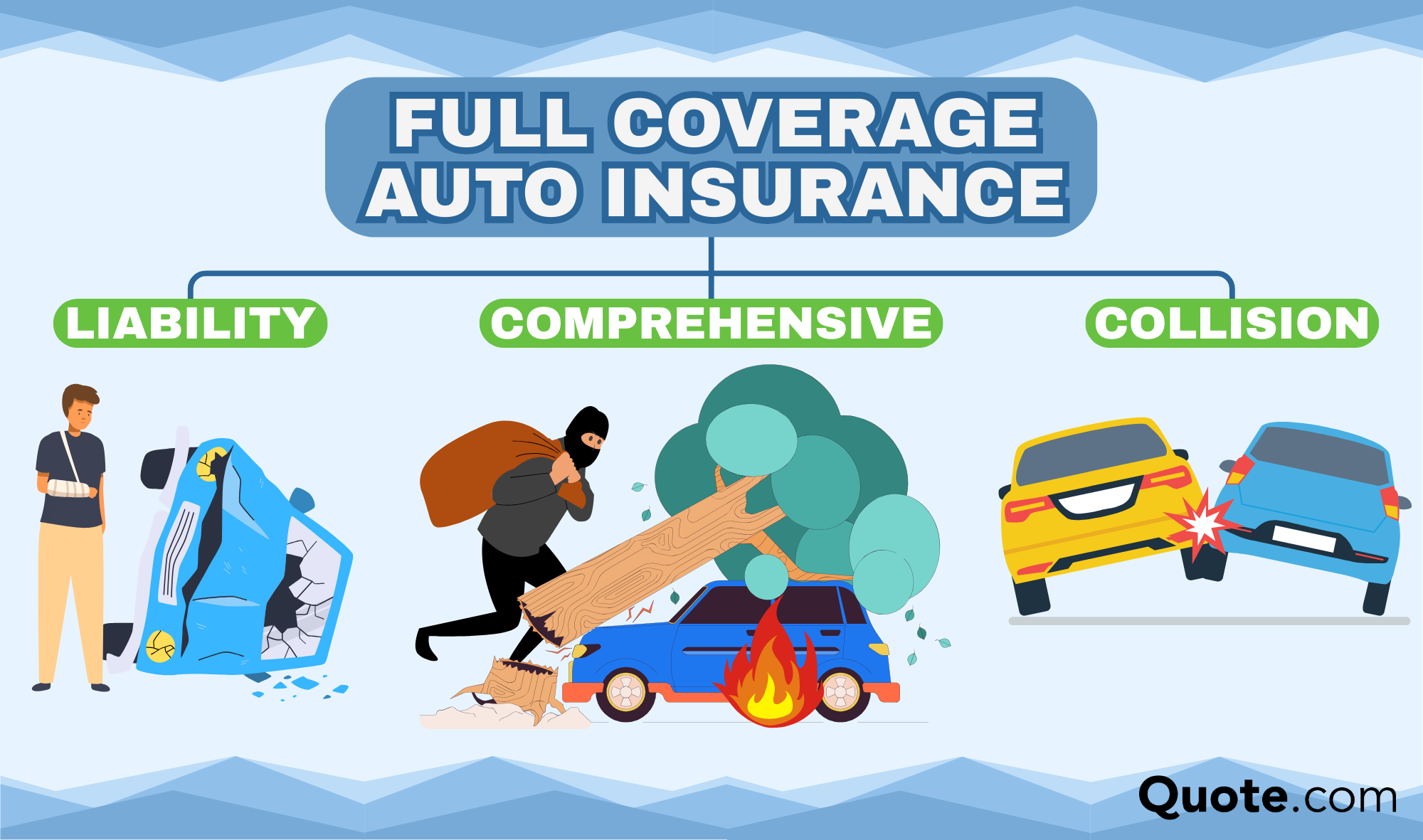
When a business removes liability coverage, the remaining protection is almost always Comprehensive coverage. This is a first-party coverage that pays for damage to your own vehicle caused by something other than a collision.
Comprehensive coverage in a storage-only context typically includes:
- Theft and Vandalism: Critical for vehicles parked in unsecured lots or construction sites.
- Fire and Explosions: Essential for protecting the asset value of expensive machinery or heavy trucks.
- Weather Damage: Coverage for hail, windstorms, and flooding.
- Falling Objects: Protection against downed trees or debris.
By maintaining Comprehensive-only coverage, the business ensures that the asset value of the vehicle is protected while it is not being driven. The premium for this is a fraction of the cost of a full commercial policy because the insurer is no longer pricing in the high risk of a multi-million dollar road accident.
The Risks and Consequences of Skipping Liability
The temptation to bypass liability coverage to save on monthly cash flow carries immense risk. In 2026, the average settlement for a commercial trucking accident has continued to rise, often exceeding $100,000 for minor incidents and reaching millions for major ones.
Financial Ruin
If a vehicle is driven—even "just around the block" for maintenance—without liability coverage and an accident occurs, the business is directly responsible for all damages. This includes the medical bills of the other party, their lost wages, and the replacement of their vehicle. For small to mid-sized enterprises, a single uninsured claim can lead to bankruptcy.
Legal Penalties and SR-22 Filings
Operating a commercial vehicle without liability is a criminal offense in most jurisdictions. Penalties include:
- Heavy Fines: Often ranging from $500 to $5,000 per offense.
- Vehicle Impoundment: Police can seize the vehicle on the spot.
- License Suspension: Both the driver’s commercial driver's license (CDL) and the business’s operating authority may be suspended.
- SR-22 Requirements: The business may be forced to file an SR-22 (Certificate of Financial Responsibility), which labels the company as "high risk" and doubles or triples insurance rates for the next three to five years.
Comparing Commercial Auto Coverage Structures
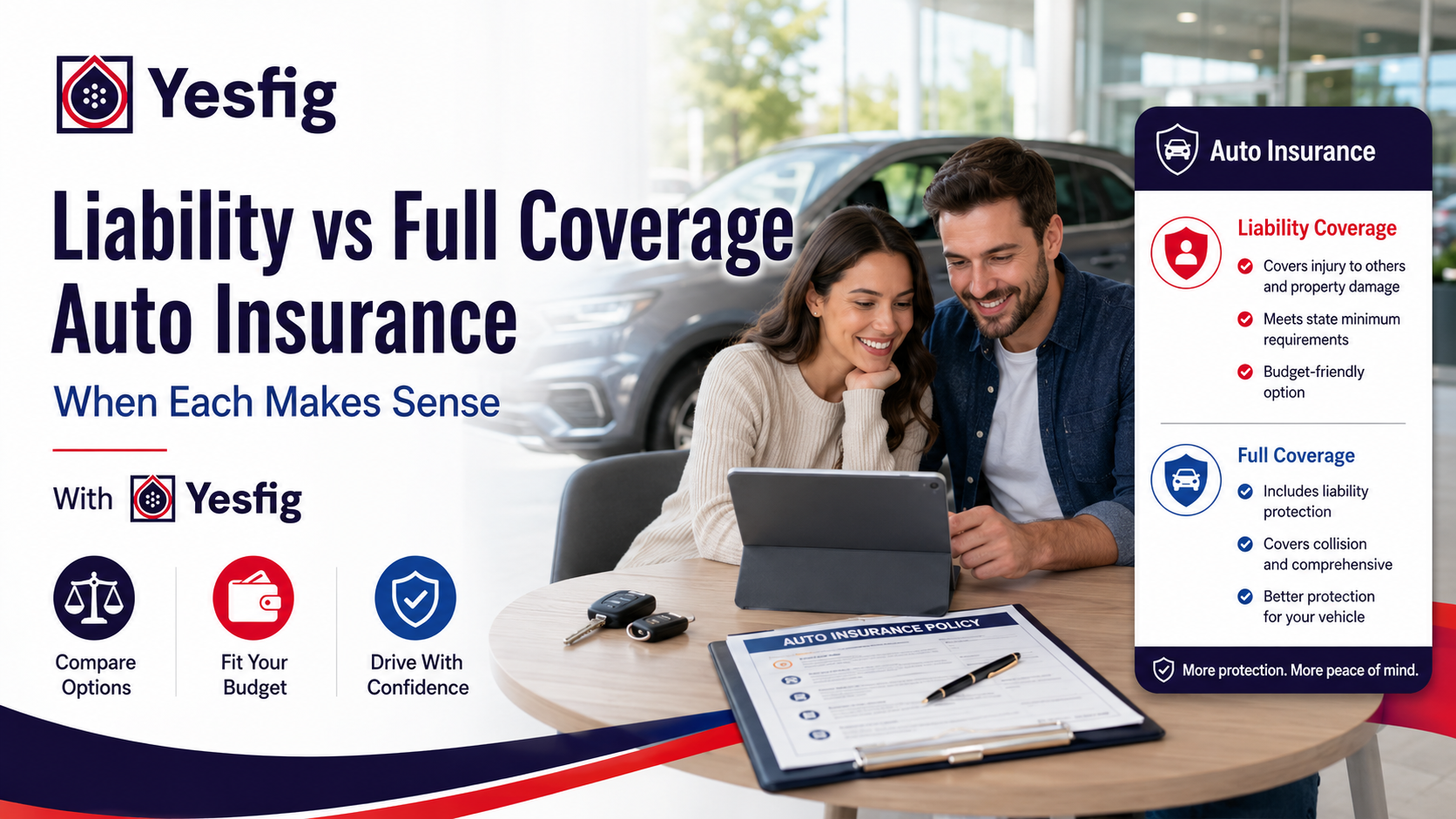
To better understand how a policy looks with and without liability, consider the following comparison of common commercial structures.
| Coverage Type | Includes Liability? | Includes Collision? | Includes Comprehensive? | Typical Use Case |
|---|---|---|---|---|
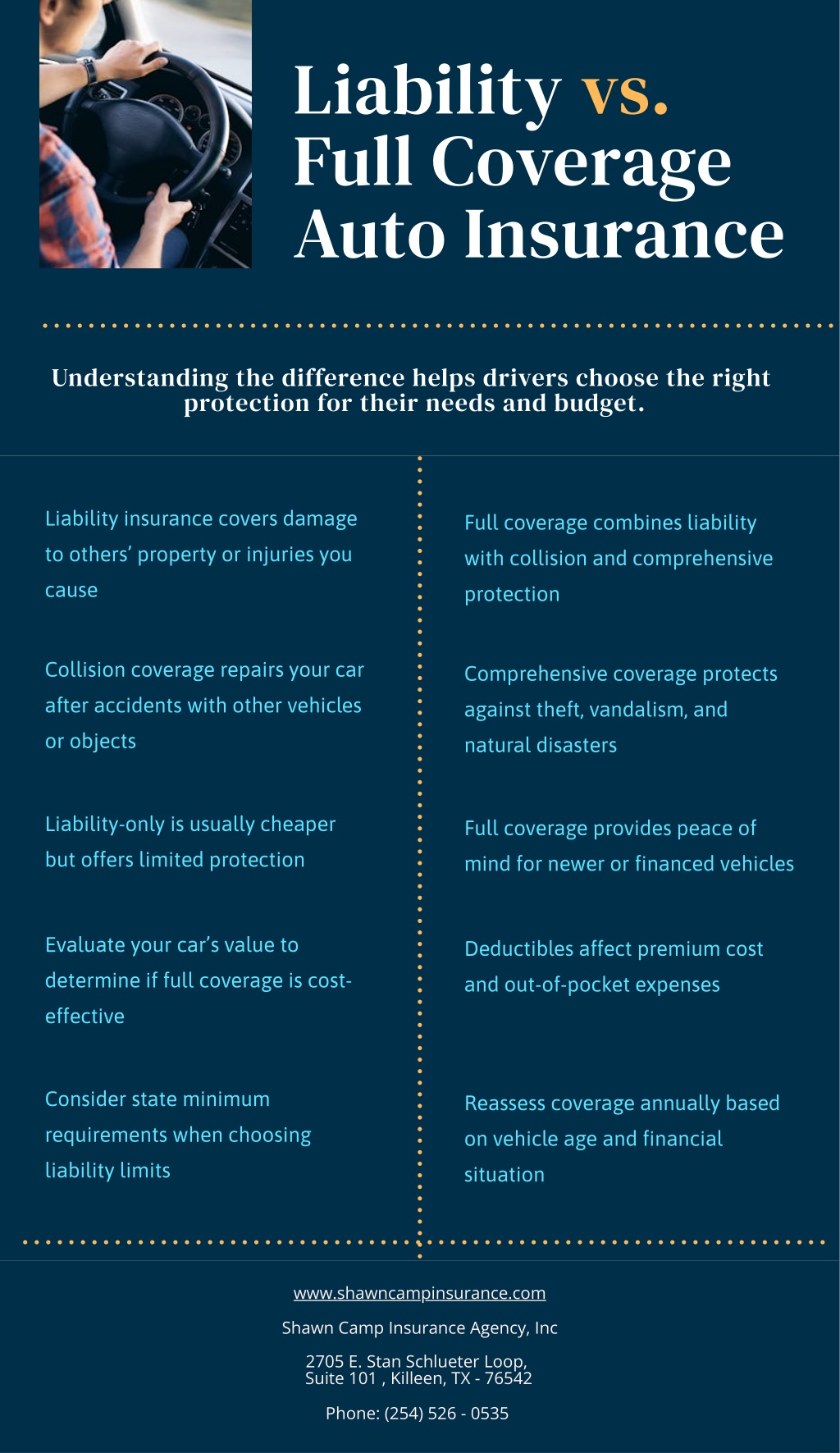
| Full Coverage | Yes | Yes | Yes | Active daily use; vehicles under a lease or loan. |
| Liability Only | Yes | No | No | Older, low-value vehicles used on public roads. |
| Storage (Comp Only) | No | No | Yes | Seasonal vehicles or those in long-term repair. |
| Bobtail/Deadhead | Yes (Limited) | No | No | Owner-operators under dispatch for a larger carrier. |
Strategic Alternatives to Removing Liability
If the goal is to reduce costs without losing the legal right to drive, business owners should consider alternatives that do not involve the complete removal of liability coverage.
Adjusting Deductibles
Increasing your collision and comprehensive deductibles from $500 to $2,500 can significantly lower your monthly premium. This keeps you legal on the road while reducing the "fixed" cost of the policy.
Reducing Limits to State Minimums
While not recommended for businesses with significant assets, dropping your liability limits to the state-mandated minimum is a way to stay legal while minimizing costs. However, in 2026, most brokers advise against this as it leaves the business owner personally liable for any amount exceeding the policy limit.
Driver Exclusion Endorsements
If your premiums are high due to one specific driver with a poor motor vehicle record (MVR), you can sometimes add a "Named Driver Exclusion." This allows you to keep liability on the vehicle for all other drivers while removing the high-risk individual from the policy coverage entirely.
Step-by-Step: How to Transition to a Storage-Only Policy
If you have determined that your vehicle truly does not need liability coverage because it will be non-operational, follow these steps to ensure you remain compliant with state laws.
- Verify Lienholder Requirements: If the vehicle is financed or leased, the bank will almost certainly require you to maintain both liability and collision. You must get their permission before dropping coverage.
- Notify the DMV/DOT: In many states, you must file an "Affidavit of Non-Use" or a "Planned Non-Operation" (PNO) status before canceling liability. Failure to do this will result in a suspended registration.
- Contact Your Broker: Request a "Comprehensive-Only" or "Seasonal Layup" endorsement. Ensure the effective date matches the day the vehicle is moved to its storage location.
- Physical Precautions: Remove the keys and potentially the battery of the vehicle to prevent accidental use by employees who may not be aware that the vehicle is no longer insured for road use.
- Set a Reminder: Calendar the date you intend to return the vehicle to service so you can re-activate liability coverage at least 24 hours before the vehicle hits the road.
FAQs About Commercial Auto Liability
Can I get a commercial policy with only collision coverage? No. Insurers do not offer collision-only policies because you cannot legally drive a vehicle that is only insured for its own damage. Collision coverage is almost always bundled with liability.
Will I save money by canceling my policy entirely instead of going to storage-only? While you save the premium, canceling entirely creates a "coverage gap." When you go to buy insurance again, most carriers in 2026 will charge a massive surcharge for the lack of prior insurance, often costing more in the long run than the storage policy would have.
Does a storage-only policy cover my tools inside the van? Generally, no. Commercial auto insurance (even with liability) typically covers the vehicle, not the contents. For tools and equipment, you need an Inland Marine or "Tools and Equipment" floater.
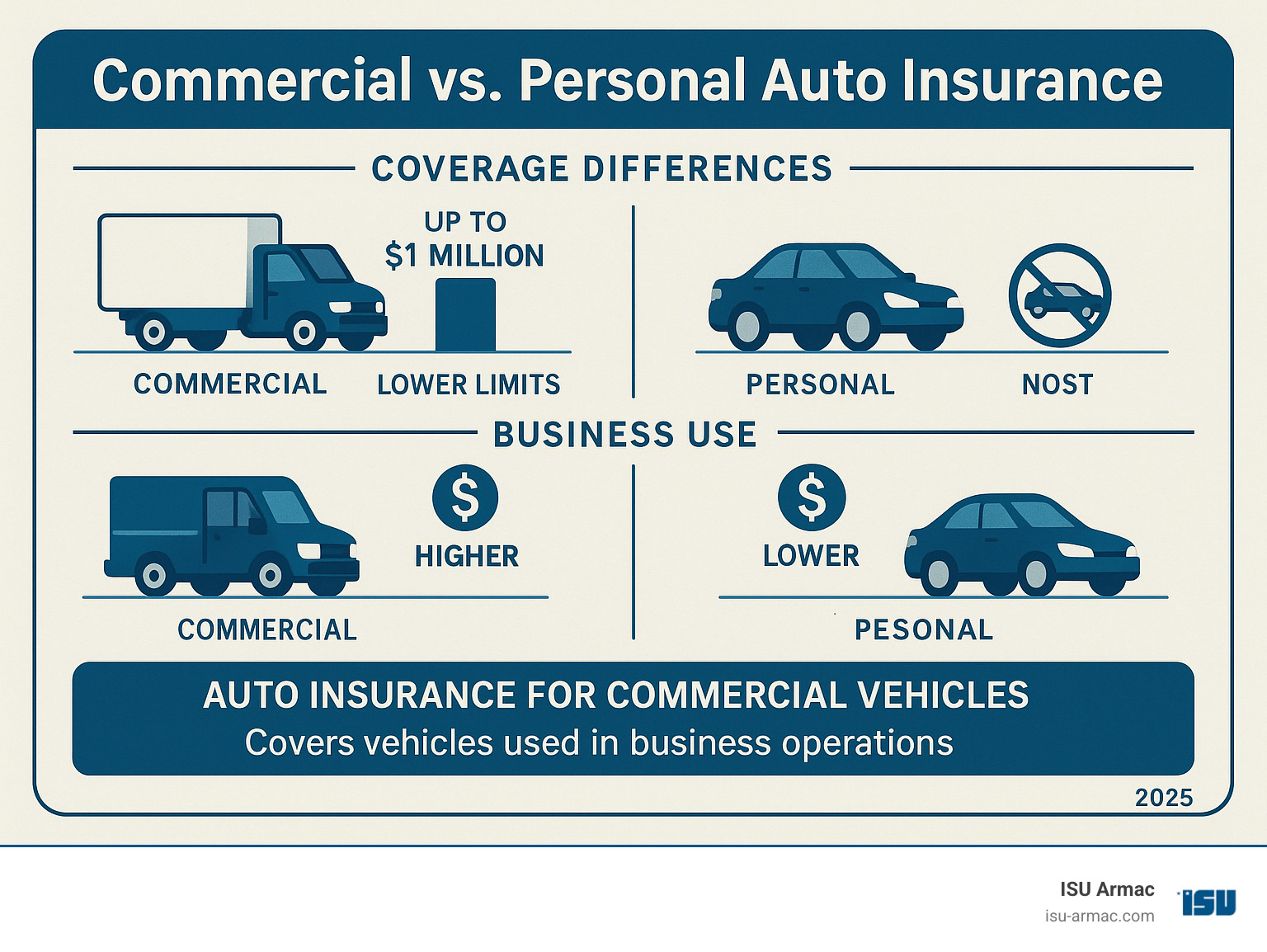
Can I use a personal auto policy without liability for my business van? No. Personal policies specifically exclude business use. If you have a commercial van, you must have a commercial policy, and the same liability requirements apply.
Final Recommendation for Business Owners
While the idea of commercial auto insurance without liability coverage is appealing for cost-cutting, it is only a viable strategy for vehicles that are strictly non-operational. For any vehicle that moves on public pavement, liability is a legal and financial necessity. If you are facing high premiums, the best course of action is to speak with a specialized commercial insurance broker who can look for "lay-up" credits or telematics-based discounts (where your rate is based on actual miles driven) rather than stripping away essential legal protections. Always ensure that any change in coverage is reflected in your state vehicle registration status to avoid long-term legal complications.
Image Gallery