American Skateboarders: History, Cultural Impact, and the Road to 2028
American skateboarders represent the foundational core of a global phenomenon that transitioned from a niche California subculture into a multi-billion-dollar industry and an Olympic mainstay. In 2026, these athletes are defined by a u...
American skateboarders represent the foundational core of a global phenomenon that transitioned from a niche California subculture into a multi-billion-dollar industry and an Olympic mainstay. In 2026, these athletes are defined by a unique blend of technical precision, street-born creativity, and a rigorous competitive framework that prepares them for the upcoming 2028 Los Angeles Games.
Contents
The Evolution of the American Skateboarder
The identity of the American skateboarder has undergone several radical transformations since the mid-20th century. Originally termed "sidewalk surfing" in the 1950s, the practice was a way for California surfers to mimic the feeling of riding waves when the ocean was flat. By the 1970s, the invention of urethane wheels by Frank Nasworthy revolutionized the sport, allowing for the grip and speed necessary to move beyond simple cruising.
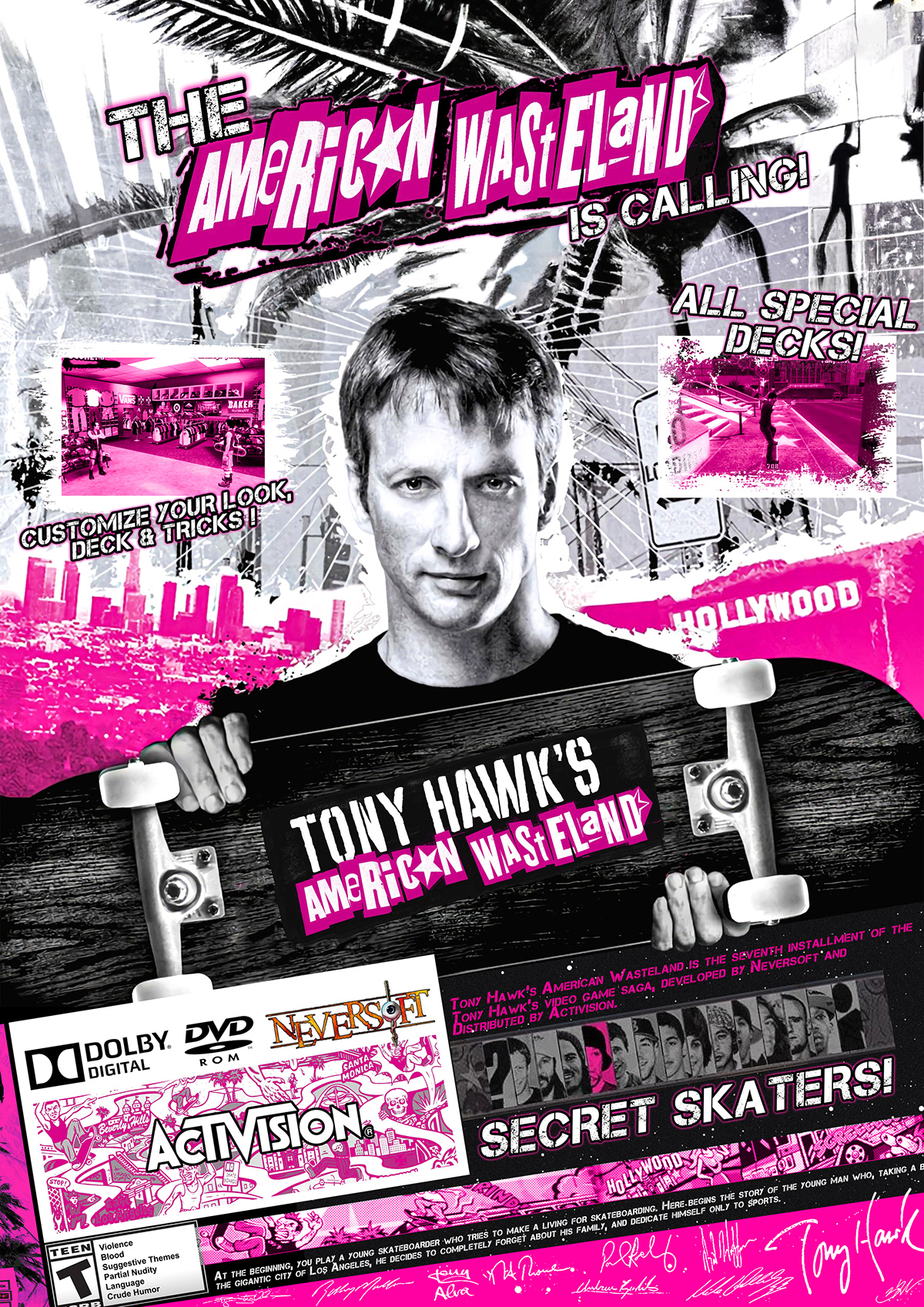
The 1970s "Dogtown" era, led by the Zephyr Competition Team (Z-Boys) in Santa Monica and Venice, California, introduced an aggressive, low-slung style that remains the DNA of modern skating. Figures like Tony Alva and Jay Adams transformed backyard pools into vertical arenas, setting the stage for the professionalization of the 1980s. During the 1980s, the "Bones Brigade"—featuring icons like Tony Hawk, Rodney Mullen, and Steve Caballero—utilized video media to export American skate culture globally. This era established the "pro" model, where American skateboarders became brand ambassadors, driving equipment sales through technical innovation and personality.
By the 1990s and early 2000s, the focus shifted from the "vert" ramps of the 80s to the streets. American skateboarders began utilizing urban architecture—handrails, stairs, and ledges—as their canvas. This "Street" era, championed by skaters like Eric Koston and Andrew Reynolds, solidified the US as the primary arbiter of skate style and progression. Today, in 2026, the American skateboarder is a hybrid: a disciplined athlete capable of high-stakes contest runs, but still deeply rooted in the "filming in the streets" culture that provides the sport with its authenticity.
Key Disciplines and Competitive Frameworks in 2026
Modern American skateboarding is categorized primarily into two Olympic disciplines: Street and Park. While the fundamental mechanics of balance and board control are the same, the training, equipment, and scoring criteria differ significantly.
Street Skateboarding
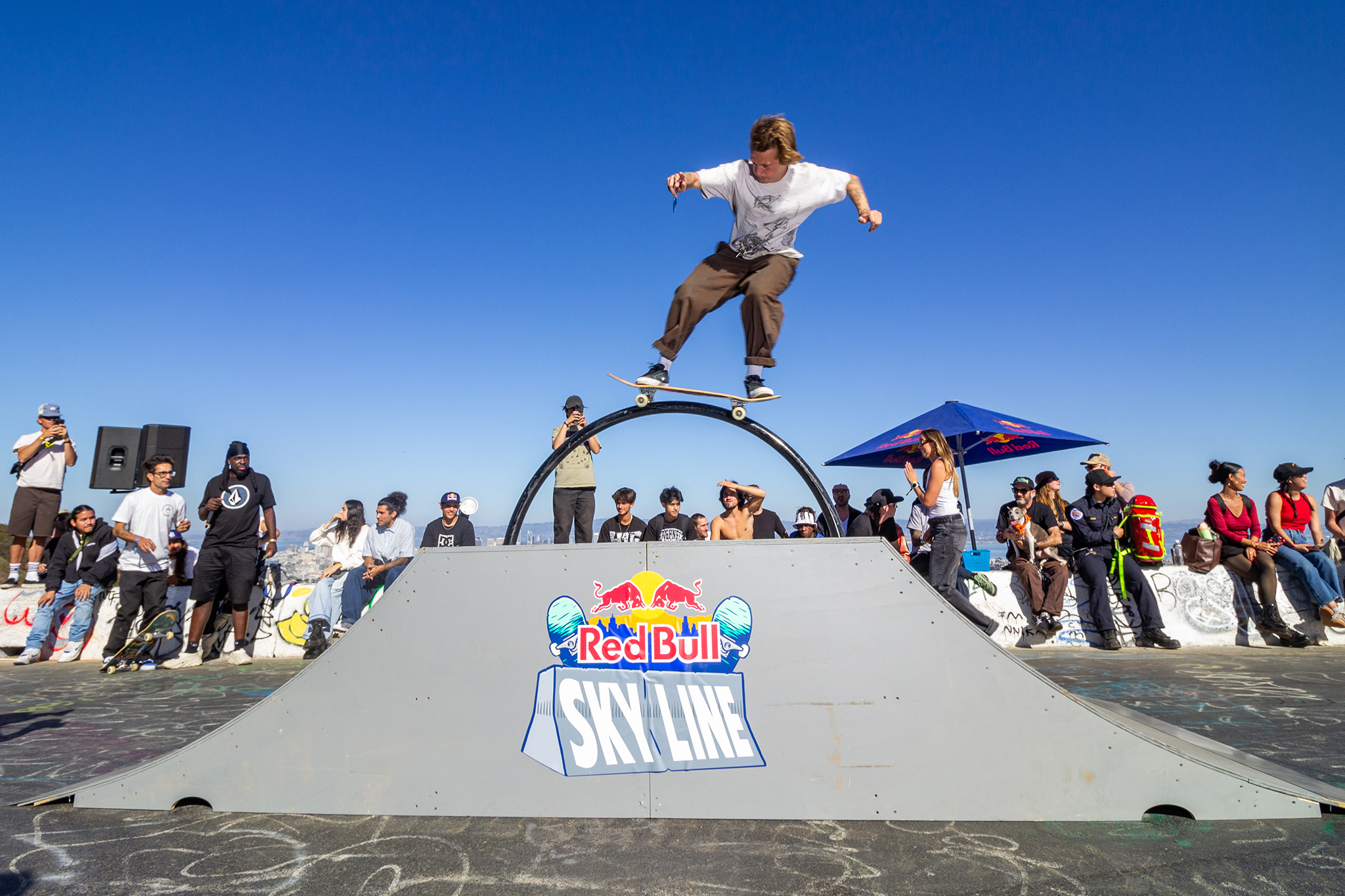
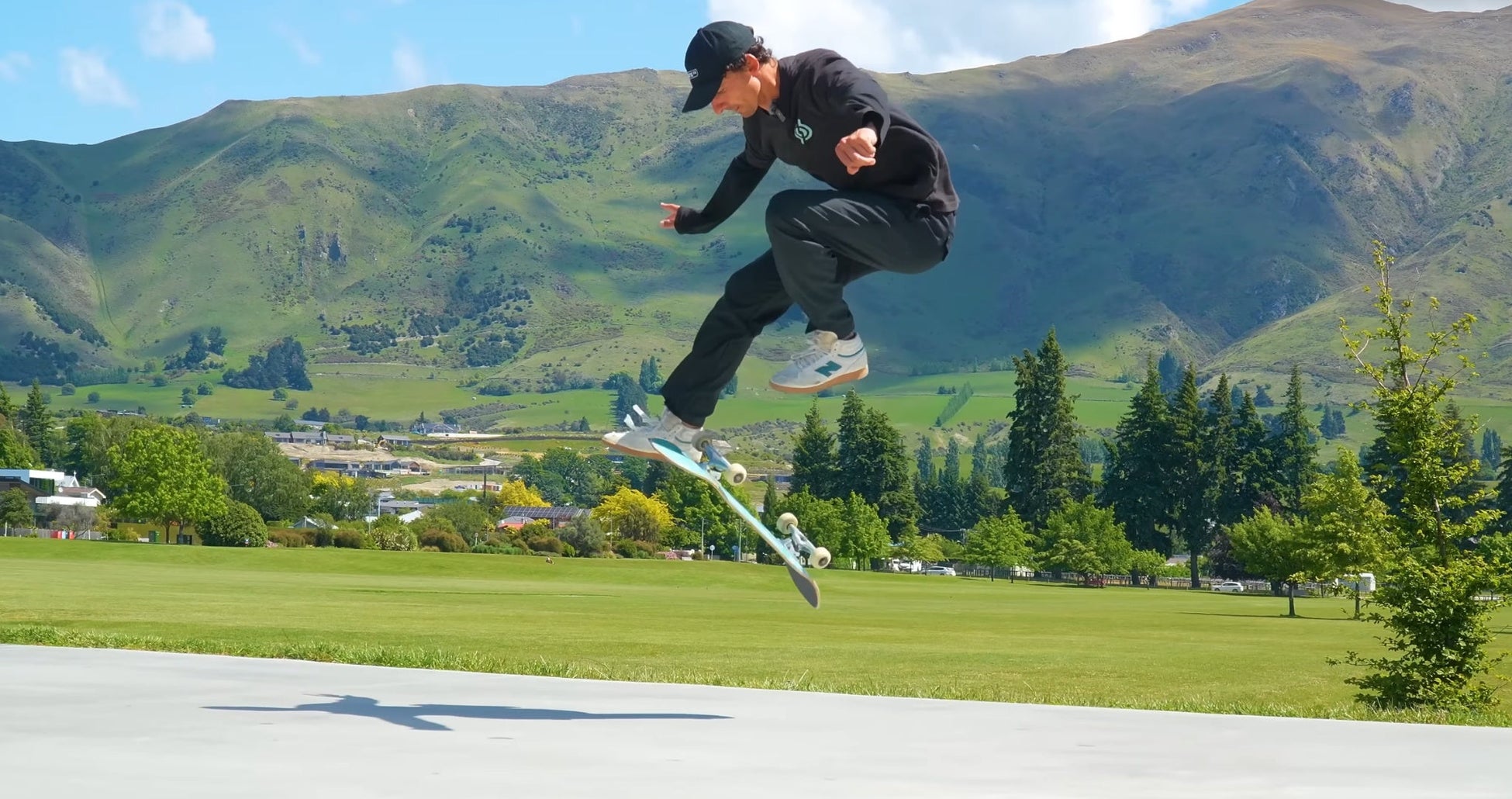
Street skating mimics the urban environment. Competitions involve rails, stairs, and hubbas (slanted ledges). American street skaters are currently led by veterans like Nyjah Huston and a surging younger generation that emphasizes "technical difficulty" combined with "flow." In 2026, the judging criteria have evolved to reward "selection"—the ability to choose a unique line through the course—over just the repetition of high-scoring individual tricks.
Park Skateboarding
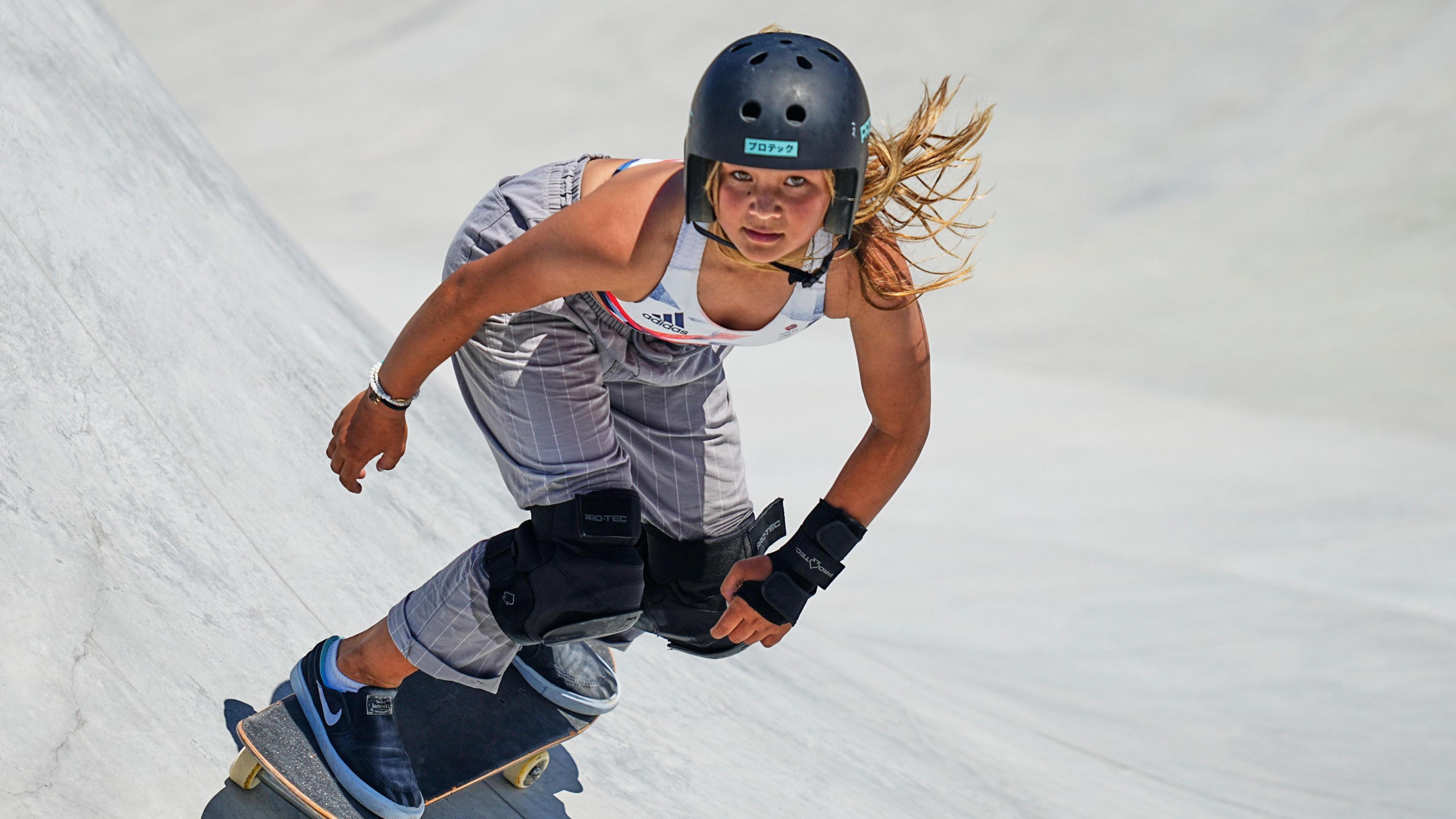
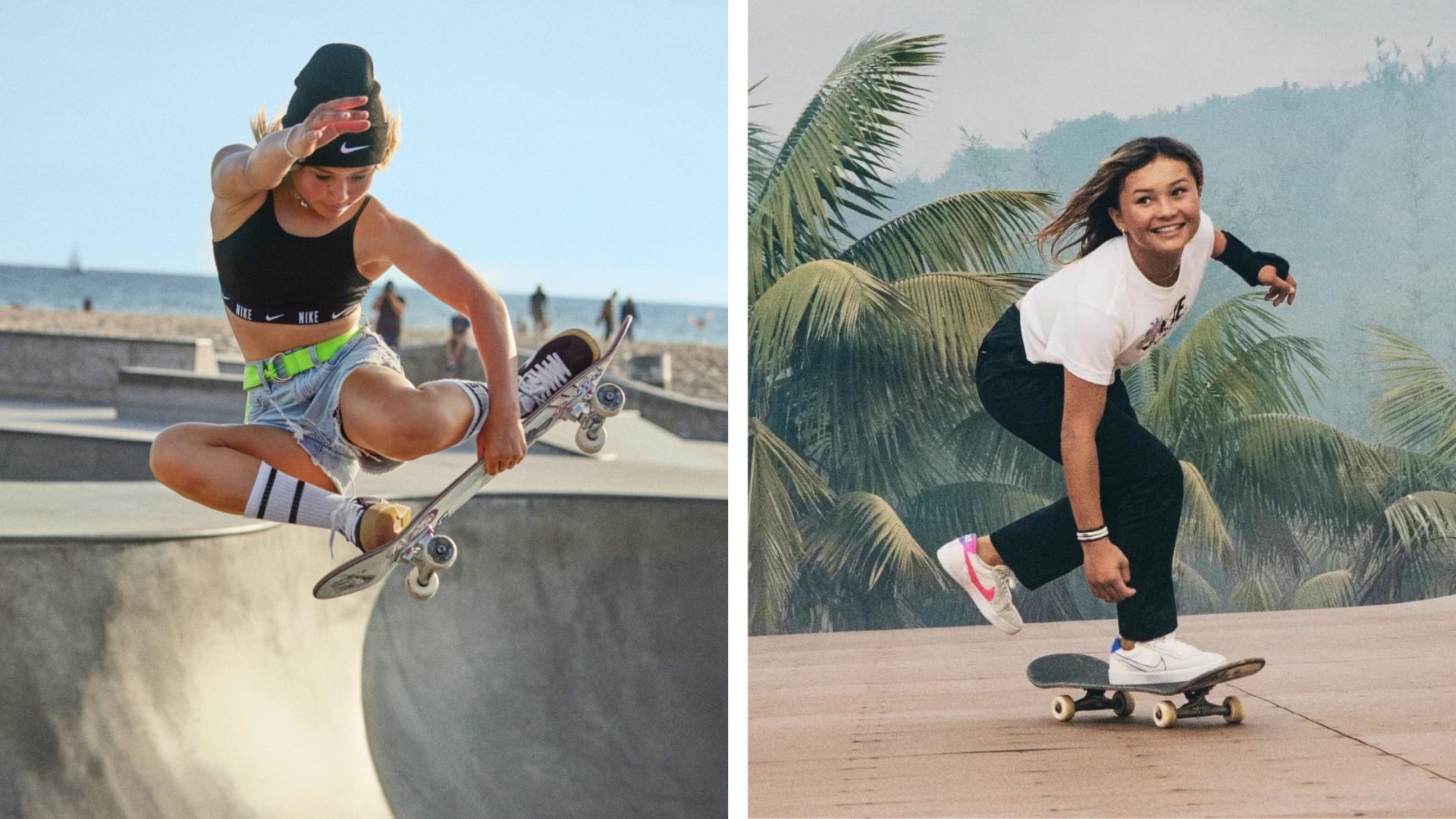
Park skating takes place in hollowed-out concrete bowls with varying depths and features. It is the direct descendant of 1970s pool skating. American athletes in this discipline, such as Jagger Eaton and Bryce Wettstein, focus on "air time" and the ability to maintain speed (momentum) through the transitions of the bowl. Technical depth here involves "lip tricks" (maneuvers performed on the edge of the bowl) and massive "airs" where the skater leaves the ramp entirely.
| Discipline | Core Elements | Iconic American Venues | Notable 2026 US Athletes |
|---|---|---|---|
| Street | Rails, Stairs, Ledges, Manual Pads | The Berrics (LA), LES Park (NYC) | Nyjah Huston, Chloe Covell (rival), Jagger Eaton |
| Park | Deep Bowls, Vert Walls, Spines | Vans Combi Pool, Rhodes Skate Park | Zion Wright, Bryce Wettstein, Tom Schaar |
| Vert | 14ft+ Halfpipes | Tony Hawk’s Private Facility | Jimmy Wilkins, Mitchie Brusco |
The Infrastructure of US Skateboarding
The success of American skateboarders is heavily dependent on a sophisticated infrastructure of public parks and private training facilities. As of 2026, the United States boasts over 3,500 public skateparks, a number that has grown exponentially since the sport's Olympic debut.
Organizations like the Tony Hawk Foundation (now The Skatepark Project) have been instrumental in funding concrete parks in underserved communities, ensuring that the next generation of American skateboarders has safe, legal places to develop their skills. Furthermore, the presence of elite training centers, such as the CA Training Facility (CATF) in Vista, California, provides American athletes with Olympic-grade ramps and sports medicine resources. These facilities allow skaters to practice high-risk maneuvers into foam pits before taking them to concrete, a luxury that was unavailable to previous generations.
Economic Impact and the "Pro" Career Path
The path to becoming a professional American skateboarder has changed with the rise of digital media. While winning contests like the X Games or Street League Skateboarding (SLS) remains a primary goal, a skater's "marketability" is often tied to their social media presence and video parts.
- Sponsorship Tiers: Skaters typically start at the "Shop Flow" level, receiving free gear from local skate shops. They then move to "Am" (Amateur) status on major brands like Vans, Nike SB, or Santa Cruz, before eventually "turning pro" when their name is put on a skateboard deck.
- Endorsements: In 2026, top-tier American skaters secure non-endemic sponsorships from technology, energy drink, and automotive brands. These partnerships provide the financial stability required to treat skateboarding as a full-time profession.
- Media Production: Producing "full-length" video parts remains the gold standard for respect within the community. These videos, often released through platforms like Thrasher Magazine, serve as a permanent record of a skater's skill and creativity in the streets.
Regional Hubs of American Skate Culture
While California remains the undisputed epicenter of the industry, distinct regional styles have emerged across the United States:
- Southern California (The Hub): Home to the industry's headquarters and the most dense concentration of professional skaters. The style here is often polished and "high-performance."
- The Northeast (The Grit): Centered in New York City and Philadelphia, Northeast skating is characterized by "rough" spots, cellar doors, and a fast-paced, aggressive style. Weather constraints often lead to a high level of creativity in indoor and covered spaces.
- The Pacific Northwest: Known for massive concrete parks and a deep-rooted DIY (Do-It-Yourself) culture. Oregon and Washington skaters often excel in transition and park skating due to the region's historical focus on bowl building.
Challenges Facing the Community in 2026
Despite its mainstream success, the American skateboarding community faces ongoing challenges. Sustainability in manufacturing is a major concern, as the demand for North American maple (used for decks) faces environmental pressures. Companies are increasingly looking at recycled materials and alternative constructions to maintain board pop and durability.
Physical Longevity is another critical focus. The "crash and burn" mentality of the past is being replaced by a more scientific approach to longevity. Professional American skateboarders in 2026 frequently employ physical therapists and nutritionists to extend their careers into their 30s and 40s, a feat previously thought impossible for such a high-impact sport.
Frequently Asked Questions
How do I become a professional skateboarder in the US?
Turning pro typically requires a combination of high-level technical skill, a strong portfolio of filmed street footage, and a presence in the competitive circuit. Most skaters begin by gaining "flow" sponsorship from a local shop, then moving to an amateur (Am) position on a national team. In 2026, a strong social media presence is often a prerequisite for attracting major brand attention.
Is skateboarding in the 2028 Los Angeles Olympics?
Yes, skateboarding is confirmed for the 2028 Summer Olympics in Los Angeles. As the host nation, the United States is expected to field a full team in both the Street and Park disciplines. The lead-up to 2028 is currently the primary focus for the national governing body, USA Skateboarding.
What are the main organizations governing American skateboarders?
The primary organization for competitive Olympic-pathway skating is USA Skateboarding, which is recognized by the United States Olympic & Paralympic Committee (USOPC). For professional street contests, Street League Skateboarding (SLS) is the premier global tour.
What age do most American skateboarders start?
While many pros start between the ages of 5 and 10, the "Silver Age" of skating has seen a massive influx of adults picking up the sport. In 2026, "Masters" divisions in contests are increasingly popular, reflecting the sport's aging but active original fan base.
Are there gender-specific divisions in US skateboarding?
Yes, all major professional and Olympic-level competitions feature separate Men’s and Women’s divisions. The growth of women’s skateboarding in the US has been explosive over the last decade, with parity in prize money now standard at events like the X Games and SLS.
Next Steps for Aspiring Athletes
For those looking to join the ranks of American skateboarders, the most important step is finding a local community. Utilize resources like The Skatepark Project to find sanctioned parks in your area. If you are aiming for the competitive track, register with USA Skateboarding to stay informed about regional qualifiers and the National Championships. Remember that while contests provide a path to the podium, the heart of American skateboarding will always be found in the creativity and persistence of practicing in the streets.
Image Gallery