The Blue Symbolic Meaning in Culture: A Global Perspective on the World’s Favorite Color
In most global cultures, blue symbolizes stability, trust, and serenity, primarily due to its association with the vast, unchanging nature of the sky and the sea. However, its specific meanings vary significantly across regions—ranging...
In most global cultures, blue symbolizes stability, trust, and serenity, primarily due to its association with the vast, unchanging nature of the sky and the sea. However, its specific meanings vary significantly across regions—ranging from representing immortality and healing in Eastern traditions to symbolizing protection against evil in the Middle East and reliability in Western corporate branding.
Contents
The Historical Evolution of Blue: From Rarity to Ubiquity
The history of the color blue is a fascinating journey from extreme scarcity to universal presence. Unlike earth tones like red, ochre, or black, blue is rarely found as a pigment in nature. There are few blue flowers, birds, or minerals that can be easily converted into dye. This historical rarity fundamentally shaped the blue symbolic meaning in culture as something precious, divine, or elite.
In ancient times, many languages did not even have a distinct word for blue. In the works of Homer, for instance, the sea is famously described as "wine-dark," leading some scholars to suggest that the concept of blue as a separate category of color developed later in human linguistic history. The Egyptians were the first to manufacture a synthetic blue pigment, known as "Egyptian Blue," around 2200 BCE. They used it to decorate the tombs of pharaohs and depictions of gods, cementing the color's association with the afterlife and divinity.
By the Middle Ages and the Renaissance, the most sought-after blue was Ultramarine, made from ground lapis lazuli imported from the mines of Afghanistan. Because it was more expensive than gold, its use was strictly regulated. In Christian art, Ultramarine was reserved for the robes of the Virgin Mary, signifying her purity and status as the Queen of Heaven. This established a deep-seated Western association between blue, holiness, and moral virtue that persists in religious iconography even in 2026.
Regional Variations of Blue Symbolism
While blue is often cited as the world’s "favorite color," its interpretation is far from monolithic. The cultural lens through which one views blue can transform it from a symbol of joy to one of mourning.
Western Culture: Authority, Trust, and Melancholy
In North America and Europe, blue is the color of authority and "the establishment." It is the standard color for police uniforms, pilot gear, and formal business suits. This stems from a desire to project calm, reliability, and security. However, blue also carries a heavy emotional weight of sadness—hence "the blues." This duality reflects blue's ability to represent both the vast, calming sky and the cold, isolated depths of the ocean.
Eastern Culture: Immortality and Healing
In China, blue is traditionally associated with the element of wood, representing spring, growth, and healing. While green is also linked to these themes, blue occupies a space of longevity and immortality. In Indian culture, blue is deeply sacred. Many Hindu deities, most notably Lord Krishna and Lord Vishnu, are depicted with blue skin. This does not imply they are literally blue, but rather that they possess the qualities of the infinite—like the sky or the ocean—representing a consciousness that is all-encompassing and eternal.
The Middle East: Protection and Warding
In many Middle Eastern and Mediterranean cultures, blue is the primary color used for protection. The "Nazar," or evil eye amulet, is traditionally a deep blue. It is believed that the color blue can deflect "jinxes" or malevolent stares. You will often see doors and window frames painted blue in countries like Greece, Turkey, and Morocco to keep evil spirits at bay and bring peace to the household.
Latin America: Religion and Hope
In Latin American countries, particularly those with strong Catholic roots, blue remains tethered to the Virgin Mary. However, it also signifies hope and good fortune. In some regions, blue is associated with the sky as a source of rain, making it a symbol of wealth and agricultural prosperity in historically agrarian societies.
The Psychology of Blue: Impact on Mood and Behavior
Beyond cultural constructs, blue has a documented physiological and psychological impact on the human brain. Color psychology research through 2026 consistently shows that blue is the most effective color for inducing a state of relaxation and cognitive clarity.
- Physiological Response: Exposure to blue light can lower the heart rate and reduce body temperature. Because the brain associates blue with the end of the day (twilight) or the calmness of water, it signals the nervous system to shift out of "fight or flight" mode.
- Productivity and Creativity: Studies indicate that blue environments can enhance productivity. While red may stimulate physical energy, blue stimulates the mind, making it ideal for offices and study spaces where high-level concentration is required.
- Appetite Suppression: Interestingly, blue is one of the few colors that acts as an appetite suppressant. This is likely an evolutionary trait; very few natural foods are blue (blueberries being a notable exception), and blue in nature often signals spoilage or toxicity. Consequently, blue is rarely used in restaurant branding or kitchen design.
Blue in Modern Branding and Corporate Identity
In the 2026 business landscape, blue remains the dominant choice for corporate identity, particularly in the technology, finance, and healthcare sectors. The "blue symbolic meaning" in a commercial context is centered on trust, intelligence, and efficiency.
| Industry | Why Blue is Used | Notable Examples |
|---|---|---|
| Technology | Suggests innovation, logic, and a "clean" user experience. | Facebook (Meta), LinkedIn, Intel, IBM |
| Finance | Projects stability, security, and conservative reliability. | Chase, VISA, American Express, PayPal |
| Healthcare | Evokes cleanliness, calmness, and professional care. | Pfizer, Oral-B, Blue Cross Blue Shield |
| Social Media | Encourages long-term browsing by reducing eye strain and anxiety. | Twitter (X), Telegram, Skype |
Companies choose blue because it is "non-threatening." Unlike red, which demands immediate attention and can trigger urgency, blue invites the consumer to stay, trust the service, and feel secure in their transaction.
The Scientific Reality: Why is Blue Special?
To understand the symbolic meaning of blue, one must understand why it appears so rarely in the biological world. Most "blue" things in nature aren't actually blue. The blue of the sky is caused by Rayleigh scattering, where sunlight is scattered by the atmosphere, and shorter blue wavelengths are dispersed more than others.
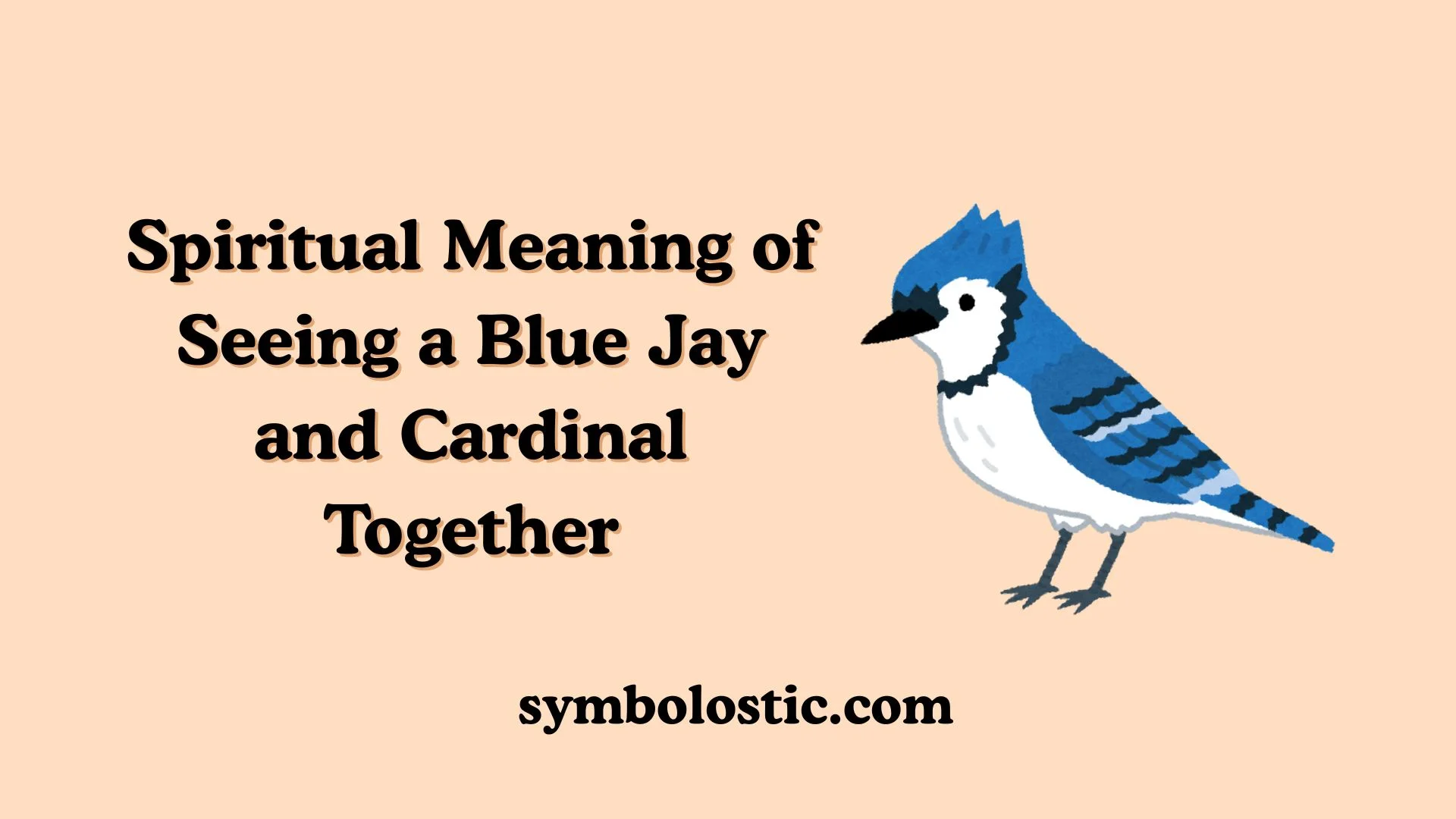
Similarly, many blue animals, such as the Morpho butterfly or the Blue Jay, do not possess blue pigment. Instead, they utilize structural coloration. Their wings or feathers are microscopic structures that reflect blue light while absorbing other colors. This "illusion" of blue reinforces its cultural association with the ethereal, the magical, and the intangible. It is a color that exists through light rather than through physical substance.
Spiritual and Religious Significance
Blue's connection to the heavens makes it a universal symbol of spiritual height.
- Judaism: The color blue (Tekhelet) is mentioned frequently in the Torah. It was a specific dye used for the fringes (tzitzit) of garments, intended to remind the wearer of the sky and, by extension, God’s throne.
- Catholicism: As previously mentioned, the "Marian Blue" represents purity. In the 12th century, the church shifted toward using blue in stained glass windows (like those in Chartres Cathedral) to create a "heavenly light" within the cathedral walls.
- Buddhism: In some traditions, blue (specifically Lapis Blue) is associated with the Medicine Buddha. It represents healing, tranquility, and the transmutation of anger into wisdom.
Comparison of Blue Symbolism Across Global Regions
The following table summarizes how blue is perceived in different parts of the world as of 2026.
| Region | Primary Symbolism | Common Context |
|---|---|---|
| Western Europe/USA | Trust, Authority, Sadness | Business suits, police uniforms, "the blues" |
| East Asia (China) | Immortality, Spring, Healing | Traditional art, porcelain, wood element |
| Middle East | Protection, Safety | Evil eye amulets (Nazar), architecture |
| India | Divinity, Infinite Nature | Depictions of Krishna and Vishnu |
| Latin America | Hope, Religious Purity | Festivals honoring the Virgin Mary |
| Cherokee (Native Am.) | Defeat, Trouble | Symbolic directional markers in folklore |
Frequently Asked Questions
Why is blue associated with boys in modern Western culture?
This is a relatively recent phenomenon. Before the early 20th century, blue was often associated with girls (because of the Virgin Mary) and pink with boys (as a "diluted" version of the masculine red). The swap occurred around the 1940s due to retail marketing trends and has since become a deeply ingrained, though arbitrary, cultural norm.
What does "blue-blooded" mean?
The term "blue-blooded" refers to nobility or aristocracy. It originated in Spain (sangre azul), where the nobility had very pale skin that made their blue veins highly visible. This distinguished them from the working class, whose skin was tanned from laboring outdoors.
Is blue used differently in 2026 politics?
Yes, blue continues to be a major political signifier, though its meaning depends entirely on the country. In the United States, blue represents the Democratic Party (Liberal), while in the United Kingdom and many other Commonwealth nations, blue is the traditional color of the Conservative Party.
Does the "Blue Room" in the White House have symbolic meaning?
The Blue Room is used for formal receptions and is decorated in blue to project a sense of "Republican courtliness" and tradition. The color was chosen by Martin Van Buren in 1837 and has been maintained as a symbol of the office's dignity and stability.
Can blue affect physical health?
While it isn't a medical cure, blue light therapy is used to treat jaundice in newborns and seasonal affective disorder (SAD). Culturally, being in "blue spaces"—near oceans, lakes, or rivers—is recognized as a significant factor in improving mental health and reducing stress.
Practical Recommendations for Using Blue
When applying the symbolic meaning of blue in your own life or business, consider the shade and saturation, as these factors drastically change the message:
- Navy Blue: Use this for professional settings where you need to project authority and expertise. It is the "safest" color for interviews and high-stakes meetings.
- Light/Sky Blue: Use this in bedrooms or relaxation areas. It promotes a sense of freedom and openness.
- Electric/Bright Blue: This shade conveys energy and modern tech-savviness. It is excellent for grabbing attention in digital design without the aggression of red.
- Teal/Turquoise: These shades bridge the gap between blue’s calm and green’s growth. They are ideal for wellness brands or creative agencies.
If you are working in an international context, always verify the specific local taboos. While blue is generally safe, its association with mourning in some specific East Asian sub-cultures or its heavy religious weight in others means it should be used with intentionality and respect.
Image Gallery