How Many People Have Gone to Space? Current Statistics and Milestones for 2026
As of early 2026, approximately 752 individuals have reached Earth orbit or beyond, according to the international standard of the Kármán line (100 kilometers). This figure increases to over 820 if applying the United States' definitio...
As of early 2026, approximately 752 individuals have reached Earth orbit or beyond, according to the international standard of the Kármán line (100 kilometers). This figure increases to over 820 if applying the United States' definition of 50 miles (80 kilometers). The rapid rise in commercial spaceflight has significantly accelerated these numbers over the past five years.
Contents
The Defining Line: Who Qualifies as a Space Traveler?
Before quantifying the number of people who have visited space, one must address the "where" of space itself. There is no physical barrier separating Earth’s atmosphere from the vacuum of space; rather, it is a gradual thinning of air. This has led to two primary competing standards that dictate whether a person is officially recognized as an astronaut or space traveler.
The Kármán Line (100 Kilometers)
The Fédération Aéronautique Internationale (FAI), the world governing body for air sports and astronautic records, recognizes the Kármán line at an altitude of 100 kilometers (62.1 miles). This is the most widely accepted international boundary. It is based on the calculation that at this height, the atmosphere becomes too thin to support aeronautical flight, requiring a vehicle to travel at orbital velocity to derive lift. Most global tallies of spacefarers utilize this metric.
The United States Standard (80 Kilometers)
The Federal Aviation Administration (FAA), the U.S. Air Force, and NASA historically recognize the boundary of space at 50 miles (approximately 80 kilometers). This discrepancy was famously highlighted during the flights of the X-15 rocket plane in the 1960s and more recently by Virgin Galactic’s suborbital missions. While Virgin Galactic pilots and passengers often exceed 80 kilometers, they frequently do not cross the 100-kilometer Kármán line. Consequently, a person might be considered an "astronaut" by the U.S. government but not by international record-keeping bodies like the FAI.
A Historical Overview of Human Spaceflight
The journey toward the current total of over 750 spacefarers began on April 12, 1961, when Yuri Gagarin orbited the Earth aboard Vostok 1. Since that historic flight, the pace of human space exploration has fluctuated based on geopolitical tensions, technological breakthroughs, and the shift from government-only programs to a mixed commercial economy.
The Pioneer Era (1961–1980)
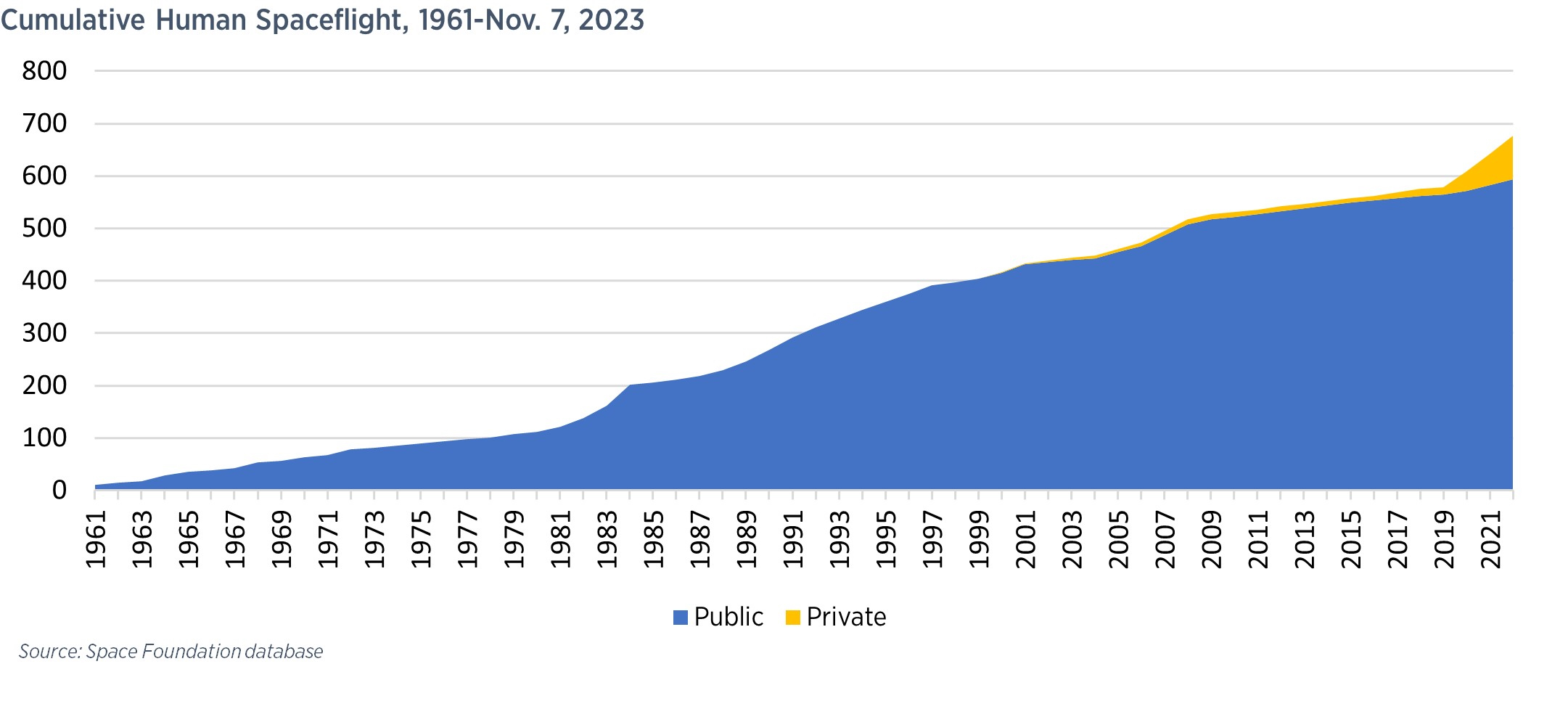
During the height of the Cold War Space Race, the number of people entering space remained relatively low due to the extreme risk and the small size of the capsules. This era was defined by the Vostok, Mercury, Gemini, Apollo, and early Soyuz missions. By the end of 1980, only 98 people had reached the Kármán line. This period was characterized by "firsts," including Valentina Tereshkova, the first woman in space (1963), and the 24 individuals who traveled to the Moon between 1968 and 1972.
The Space Shuttle and Mir Era (1981–2011)
The introduction of the NASA Space Shuttle program in 1981 revolutionized the numbers. Unlike the small capsules of the 60s, the Shuttle could carry up to seven (and occasionally eight) crew members at a time. Over its 135 missions, the Shuttle fleet alone carried 355 individual people into space. Simultaneously, the Soviet (later Russian) Mir Space Station provided a platform for long-duration stays and international guest cosmonauts, steadily increasing the global count.
The International Space Station (ISS) Era (2000–Present)
Since November 2000, there has been a continuous human presence in space aboard the International Space Station (ISS). The ISS has served as a primary destination for Soyuz and Crew Dragon missions. By 2026, more than 270 individuals from 20 different countries have visited the ISS. The addition of the Chinese Tiangong Space Station has further bolstered the number of humans living and working in Low Earth Orbit (LEO) at any given time.
The Commercial Revolution and Tourism Impact
The most dramatic shift in the total count of spacefarers has occurred since 2021. The entry of private entities like SpaceX, Blue Origin, and Virgin Galactic has shifted the paradigm from highly trained professional astronauts to "spaceflight participants" or commercial passengers.
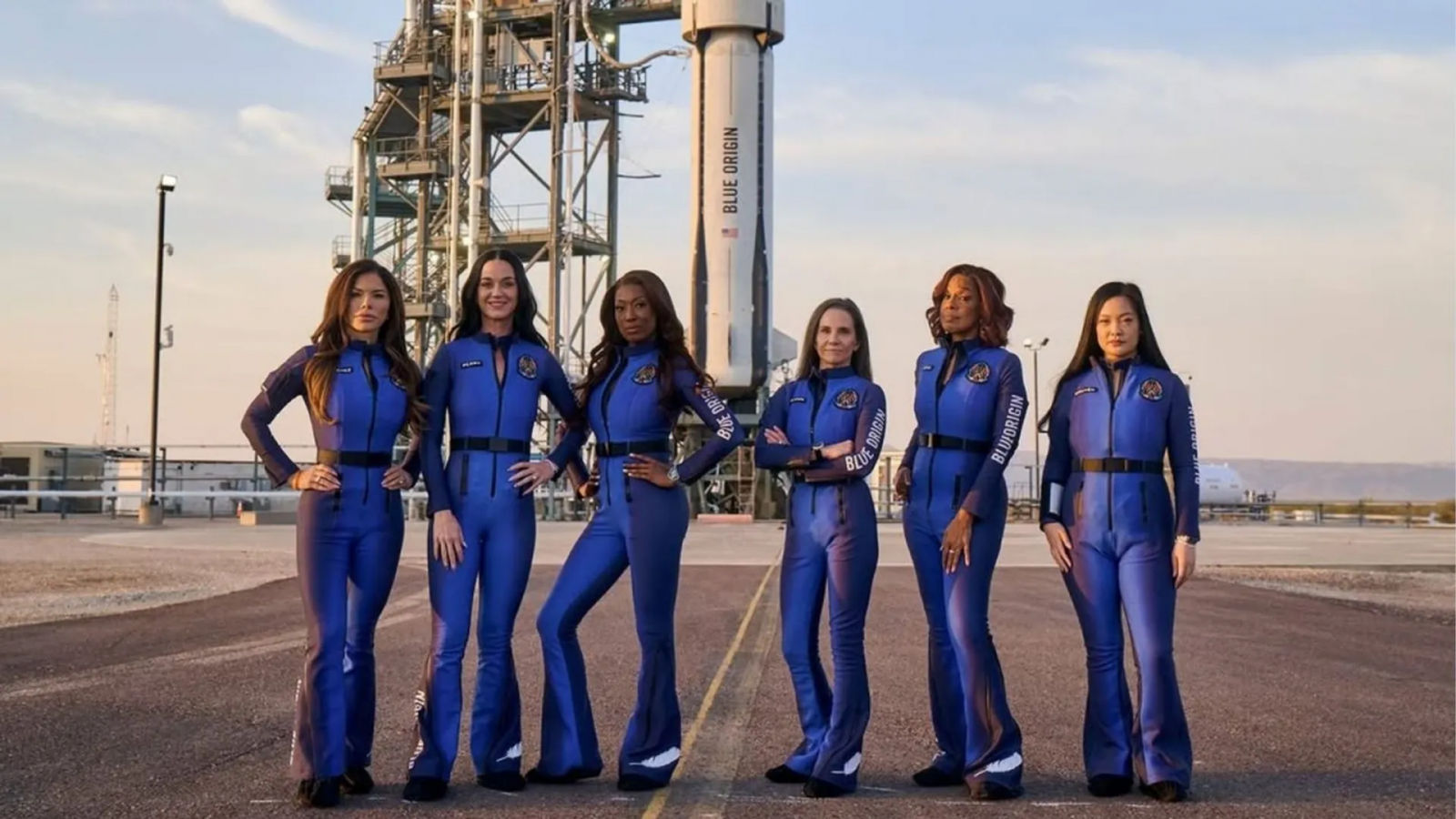
- Suborbital Surges: Blue Origin’s New Shepard rocket has successfully launched dozens of passengers past the Kármán line on 10-minute suborbital hops. Because these missions occur frequently and carry six passengers at once, they have contributed significantly to the total count in a very short window.
- Private Orbital Missions: Missions such as Inspiration4 and the Axiom series (Ax-1 through Ax-4) have proven that private citizens can undergo rigorous training to reach orbit and dock with the ISS.
- The 2026 Landscape: As of this year, commercial flights now account for approximately 20% of all people who have ever been to space. This democratization of access is expected to lead to a "thousand-human milestone" within the next decade.
Statistical Breakdown of Spacefarers
To understand the demographics and history of those who have left Earth, we can examine the data through various lenses, including nationality, mission type, and gender.
| Category | Approximate Count (as of 2026) | Primary Contributing Organizations |
|---|---|---|
| Total (Kármán Line) | 752 | FAI, NASA, Roscosmos, CNSA, SpaceX |
| Total (US 50-mile) | 828 | FAA, Virgin Galactic, USAF |
| Women in Space | 104 | NASA, Roscosmos, SpaceX |
| Moon Voyagers (Lunar) | 24 | NASA (Apollo 8-17) |
| People who Walked on Moon | 12 | NASA (Apollo 11, 12, 14, 15, 16, 17) |
| Commercial/Private Citizens | 145 | Blue Origin, Virgin Galactic, Axiom, SpaceX |
| Nations Represented | 42 | Multiple international agencies |
The "Lunar 24": A Select Group
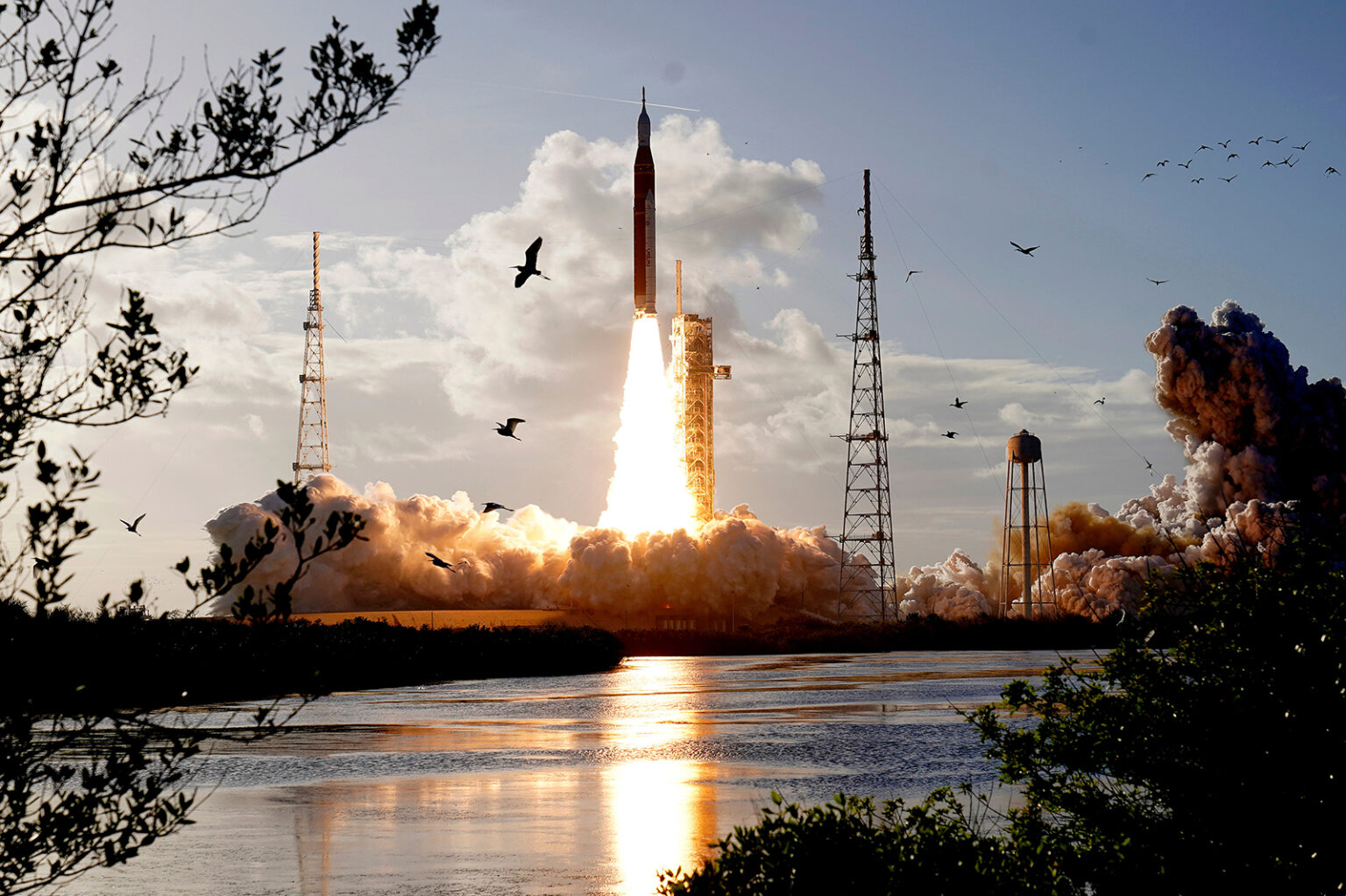
Despite the hundreds of people who have reached orbit, only a tiny fraction have ventured beyond Low Earth Orbit. The 24 men of the Apollo program remain the only humans to have seen the entire Earth as a sphere or visited the lunar vicinity. With the Artemis II and Artemis III missions occurring in the mid-2020s, this number is finally beginning to rise for the first time in over 50 years. The expansion of deep-space travelers represents the next major frontier in human statistics.
Tracking the Record Holders
The total count is not just about the number of individuals, but also the frequency and duration of their stays.
- Most Frequent Flyers: Several astronauts and cosmonauts, such as Franklin Chang-Díaz and Jerry Ross, hold the record for the most spaceflights, with seven missions each.
- Cumulative Time: Russian cosmonauts historically dominate the "most days in space" category, with individuals like Oleg Kononenko surpassing 1,000 cumulative days in orbit.
- Single Longest Mission: Records for the longest continuous stay in space have been pushed past the one-year mark (365+ days) by both Russian and American crew members on the ISS to study the physiological effects of long-term microgravity.
Frequently Asked Questions
Who was the first person in space?
Yuri Gagarin, a Soviet cosmonaut, was the first human in space. On April 12, 1961, his Vostok 1 spacecraft completed one orbit of the Earth, reaching an altitude of approximately 327 kilometers. The entire mission lasted 108 minutes and remains the foundational milestone for human spaceflight.
How many people are in space right now?
In 2026, the number of people in space at any given moment typically ranges from 10 to 20. This includes the standard seven-person crew on the International Space Station, the three-person crew on the Chinese Tiangong station, and rotating commercial crews from Axiom or SpaceX. During crew handovers, this number can spike briefly to over 20.
How many women have gone to space?
As of 2026, over 100 women have reached space. The first was Valentina Tereshkova in 1963. While men have historically made up the vast majority of spacefarers, the gender gap is closing rapidly. NASA’s recent astronaut classes are approximately 50% female, and commercial missions are increasingly inclusive.
Has anyone died in space?
There have been 18 fatalities during spaceflight missions: 14 NASA astronauts (Challenger and Columbia disasters) and 4 Soviet cosmonauts (Soyuz 1 and Soyuz 11). However, only the three crew members of Soyuz 11 are considered to have died "in space" (above 100km) when their capsule depressurized before re-entry. The others occurred during launch or atmospheric re-entry.
How many people have walked on the Moon?
Exactly 12 people have walked on the Moon. All 12 were part of NASA’s Apollo program between 1969 and 1972. While 24 people traveled to the Moon's vicinity, half remained in the Command Module while their colleagues descended to the surface. No human has walked on the Moon since Gene Cernan in December 1972, though Artemis missions are slated to change this.
Future Outlook: The Path to 1,000
The trajectory of human spaceflight suggests that the 1,000th person to reach space will likely do so before the end of the 2020s. This growth is driven by three factors: the continued operation of the ISS and Tiangong, the advent of private space stations (such as Orbital Reef or Starlab), and the maturation of suborbital tourism.
For those looking to track these numbers in real-time, the Association of Space Explorers (ASE) and the Registry of Space Travelers maintain verified databases that categorize flyers by their specific achievements and the altitudes they reached.
Image Gallery