Comprehensive Overview of the PCC Paramedic Program: Requirements, Curriculum, and Career Pathways
The Portland Community College (PCC) Paramedic Program is a rigorous, CAAHEP-accredited course of study designed to prepare Emergency Medical Technicians (EMTs) for the highest level of pre-hospital care. Located in Oregon, this Associ...
The Portland Community College (PCC) Paramedic Program is a rigorous, CAAHEP-accredited course of study designed to prepare Emergency Medical Technicians (EMTs) for the highest level of pre-hospital care. Located in Oregon, this Associate of Applied Science (AAS) degree program combines intensive classroom theory, hands-on laboratory simulation, hospital-based clinical rotations, and a final field internship to ensure graduates are eligible for National Registry (NREMT) and state certification as Paramedics.
Contents
Introduction to the PCC Paramedic Program
The PCC Paramedic Program, housed within the Emergency Medical Services (EMS) Department, is widely recognized as one of the premier training grounds for advanced life support (ALS) providers in the Pacific Northwest. In 2026, the demand for highly skilled paramedics continues to grow, driven by an aging population and the evolving role of EMS in community integrated healthcare.
This program is specifically designed for individuals who have already attained their EMT certification and are looking to advance their clinical capabilities. Unlike introductory EMT courses, the paramedic curriculum focuses on advanced diagnostics, invasive procedures, and complex pharmacology. Graduates do not just learn how to respond to emergencies; they learn how to lead a medical team in high-stress environments.
While "PCC" can refer to several institutions, this overview focuses on Portland Community College in Oregon, which maintains the most established "PCC Paramedic" curriculum in the United States. If you are researching Pasadena City College or Pima Community College, while their structures may be similar, the specific prerequisite sequences and state-specific licensing requirements detailed below pertain to the Oregon-based program.
Prerequisites and Eligibility Requirements
The PCC Paramedic Program is a "limited entry" program. This means that meeting the minimum requirements does not guarantee admission; instead, applicants are ranked based on their academic history, experience, and performance in the application process.
Academic Prerequisites
Before entering the core paramedic year (the 200-level EMS courses), students must complete a significant block of general education and science prerequisites. The most critical of these is the Human Anatomy and Physiology sequence (BI 231, 232, and 233).
- Biology Sequence: Completion of the full year of Anatomy and Physiology with a grade of "C" or better is mandatory. This provides the foundational knowledge of the cardiovascular, respiratory, and nervous systems necessary to understand advanced pathophysiology.
- Mathematics: Students must typically demonstrate competency in Intermediate Algebra (MTH 95) or higher. Pharmacology requires precise calculations for weight-based medication dosing, making math proficiency a safety requirement.
- English/Writing: Writing 121 (English Composition) is required to ensure students can produce the high-level medical documentation required in professional EMS reports.
Certification and Experience
To apply, an individual must hold a current, unencumbered EMT certification. In 2026, the program strongly prefers applicants who have active field experience as an EMT. While a specific number of "patient contacts" is not always a hard floor, successful applicants usually have at least six months to a year of experience working on an ambulance or in an emergency department. This experience ensures that the student has mastered basic life support (BLS) skills before attempting to layer advanced life support (ALS) skills on top of them.
The Application and Admissions Process
The application window for the PCC Paramedic Program typically opens once per year, usually in the spring for a fall term start. Because the program operates on a cohort model, students move through the entire year together, fostering a collaborative learning environment.
- Phase One: The Written Application: Candidates submit transcripts, proof of EMT certification, and documentation of work experience. Points are often awarded for higher grades in science courses and for military or prior medical experience.
- Phase Two: The Skills Assessment: Top-tier applicants are invited to a practical skills exam. Here, instructors evaluate the candidate's proficiency in BLS skills (e.g., airway management, CPR, patient assessment).
- Phase Three: The Oral Interview: The final stage is an interview with a panel consisting of PCC faculty and local EMS industry leaders. This interview assesses the candidate’s communication skills, emotional intelligence, and commitment to the profession.
It is important to note that a criminal background check and drug screening are mandatory upon acceptance. Because paramedics have access to controlled substances and vulnerable populations, any disqualifying entries on a background check will result in the rescinding of the admission offer.
Curriculum Structure: From Classroom to Field
The Paramedic Program at PCC is divided into four distinct phases that progress from theoretical knowledge to independent clinical practice.
Phase 1: Didactic and Laboratory Instruction
The first two terms focus heavily on "The Big Three": Pathophysiology, Pharmacology, and Cardiology.
- Pathophysiology: Students learn how diseases and trauma disrupt normal body functions.
- Pharmacology: This involves learning the indications, contraindications, and dosages for dozens of emergency medications, including vasopressors, antiarrhythmics, and sedatives.
- Cardiology: A significant portion of the first term is dedicated to 12-lead ECG interpretation, allowing students to identify myocardial infarctions (heart attacks) and complex arrhythmias.
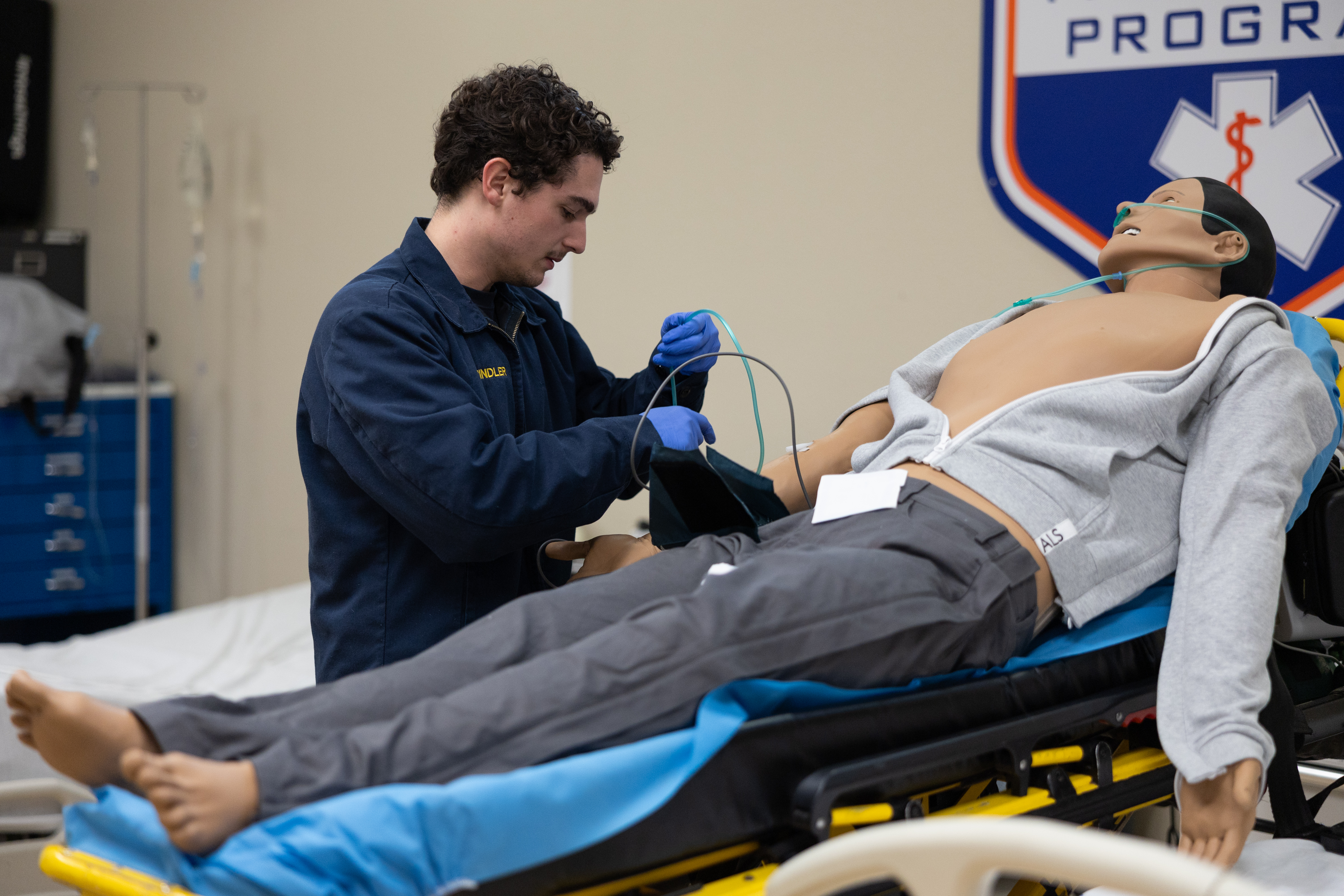
In the lab, students practice invasive skills such as endotracheal intubation, intravenous (IV) and intraosseous (IO) access, and needle decompression of the chest.
Phase 2: Hospital Clinical Rotations
Once students have demonstrated competency in the lab, they begin rotations in various hospital departments. This is where theory meets reality. Students spend time in:
- The Emergency Department (ED): Practicing assessments and IV starts.
- The Operating Room (OR): Perfecting airway management under the supervision of anesthesiologists.
- Intensive Care Units (ICU): Learning the management of critically ill patients on ventilators and multiple medication drips.
- Labor and Delivery: Observing and assisting in births to prepare for pre-hospital neonatal emergencies.
Phase 3: The Field Internship (Capstone)
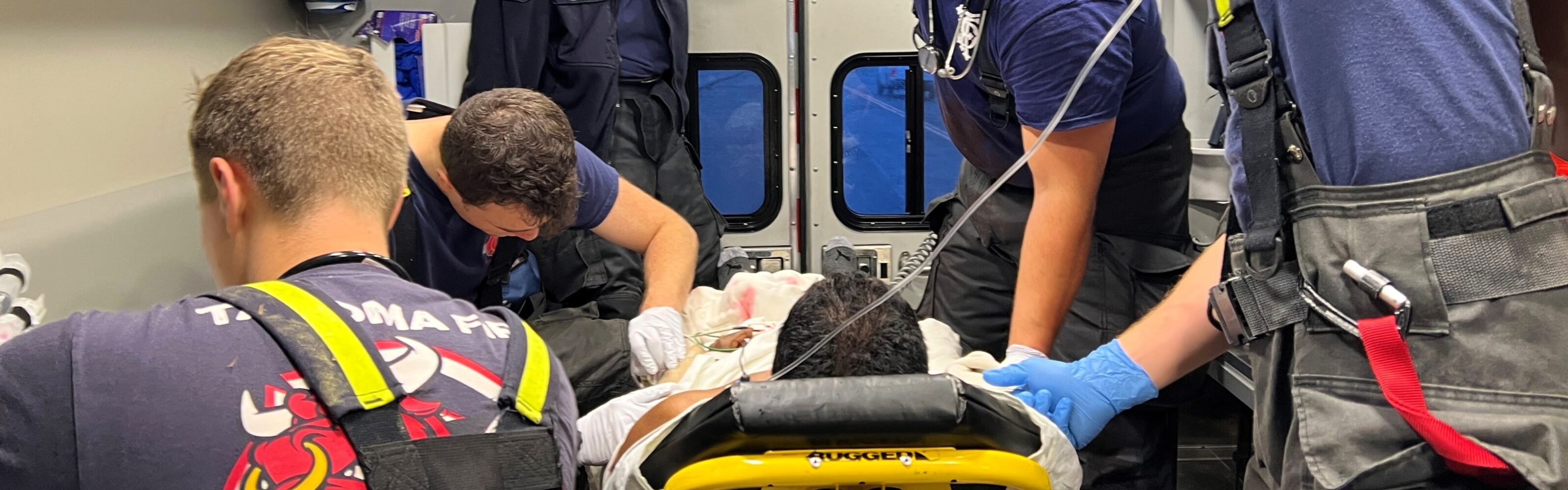
The final phase of the program is the field internship. The student is paired with a Paramedic Preceptor on an ALS ambulance. Initially, the student observes, but as the internship progresses, they move into the "Lead" role. By the end of the internship, the student is expected to manage the entire scene, from the initial 911 dispatch to the final hand-off at the hospital, with the preceptor only intervening for safety.
Program Costs and Financial Considerations (2026 Estimates)
Pursuing a paramedic education is a significant financial investment. As of 2026, tuition at PCC is based on a per-credit rate for Oregon residents, with additional fees specific to the EMS program.
| Expense Category | Estimated Cost (2026) | Notes |
|---|---|---|
| Tuition (AAS Degree) | $9,500 – $11,500 | Based on ~90-100 total credits for the AAS. |
| Program Fees | $1,200 – $1,800 | Covers lab supplies, high-fidelity simulators, and software. |
| Textbooks & Online Access | $800 – $1,200 | Includes FISDAP tracking and digital medical references. |
| Uniforms & Gear | $400 – $600 | Boots, tactical pants, embroidered shirts, and stethoscopes. |
| Clinical/Field Requirements | $300 – $500 | Background checks, drug screens, and immunizations. |
| Licensing Exams (NREMT) | $160 – $200 | Cost for the national cognitive and psychomotor exams. |
| Total Estimated Investment | $12,360 – $15,800 | Costs vary based on residency and prior credits. |
Note: Many students qualify for FAFSA-based grants or specialized EMS scholarships provided by local fire agencies and private ambulance services (such as AMR or Metro West).
Accreditation and National Standards
The PCC Paramedic Program is accredited by the Commission on Accreditation of Allied Health Education Programs (CAAHEP). This accreditation is vital; in the United States, an individual cannot sit for the National Registry Paramedic exam unless they have graduated from a CAAHEP-accredited program.
Accreditation ensures that the program meets rigorous standards regarding:
- Faculty Qualifications: Instructors must be experienced clinicians with specialized educator training.
- Resource Adequacy: The program must provide modern medical equipment and high-fidelity manikins.
- Outcome Tracking: The program must publicly report its NREMT pass rates, retention rates, and positive job placement rates. PCC historically maintains pass rates well above the national average, often exceeding 90% for first-time test takers.
Frequently Asked Questions
Can I work full-time while in the PCC Paramedic Program?
Most faculty and former students strongly advise against working full-time. The program requires approximately 20-30 hours of classroom and lab time per week, plus an additional 12-24 hours of clinical or field time. Most successful students work no more than one or two shifts per week in a part-time or per-diem capacity.
What happens if I fail one class in the paramedic sequence?
The PCC program uses a cohort model with a "lock-step" curriculum. Because the courses are co-requisites, failing one course (such as Paramedic Cardiology) usually results in a dismissal from the cohort. Students may be allowed to re-apply for the following year, depending on the circumstances and available space.
Is the PCC Paramedic Program a Certificate or a Degree?
While PCC offers a pathway to the Associate of Applied Science (AAS) in Emergency Medical Services, some students who already hold a degree in another field may choose to focus only on the Paramedic Certificate requirements. However, in 2026, many employers prefer the AAS degree as it demonstrates a well-rounded education and is often a prerequisite for future promotion to Captain or Battalion Chief roles.
How does PCC assist with job placement?
PCC has deep-rooted partnerships with local fire departments (such as Portland Fire & Rescue and Tualatin Valley Fire & Rescue) and private ambulance providers. During the field internship, students are essentially on a months-long job interview. The program also hosts career fairs and provides networking opportunities with regional EMS directors.
What is the professional-advice limitation for this program?
The PCC Paramedic Program involves high-risk medical training. This overview is for educational and informational purposes only. It does not constitute academic advising or medical instruction. Prospective students must consult the official PCC catalog and EMS department advisors for the most current enrollment criteria and clinical protocols.
Final Recommendations for Prospective Students
If you are considering the PCC Paramedic Program for the 2026-2027 academic year, your first step should be to complete your Anatomy and Physiology sequence as soon as possible. These courses are the most common "bottleneck" for applicants. Secondly, seek out high-volume EMT work. The technical skills of a paramedic are built on the foundational "street-sense" of an EMT; the more patients you see before the program begins, the more mental bandwidth you will have to learn advanced cardiology and pharmacology during the program.
Image Gallery