The Ownership of Wrexham AFC: A Deep Dive into the Rob McElhenney and Ryan Reynolds Era
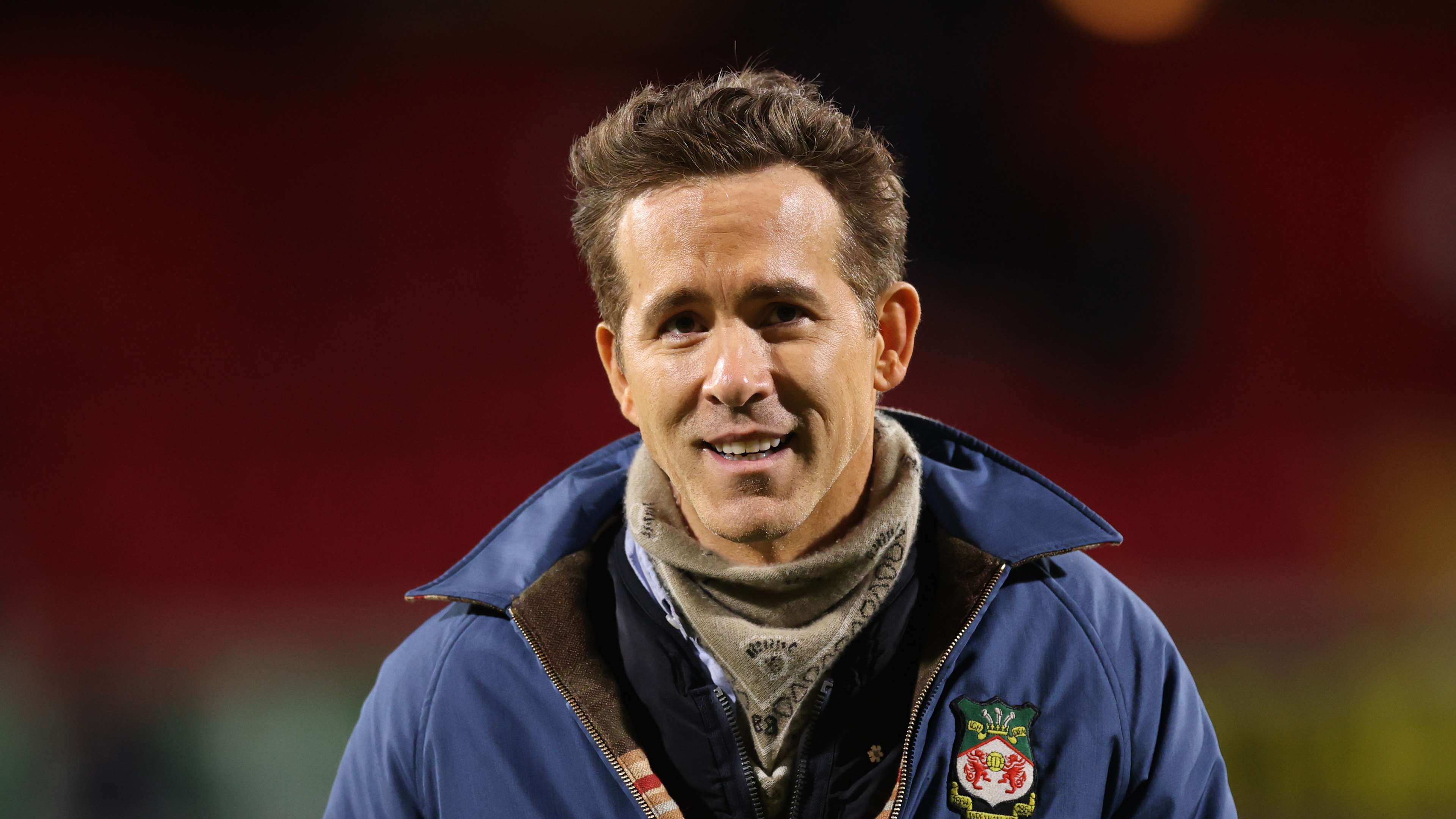
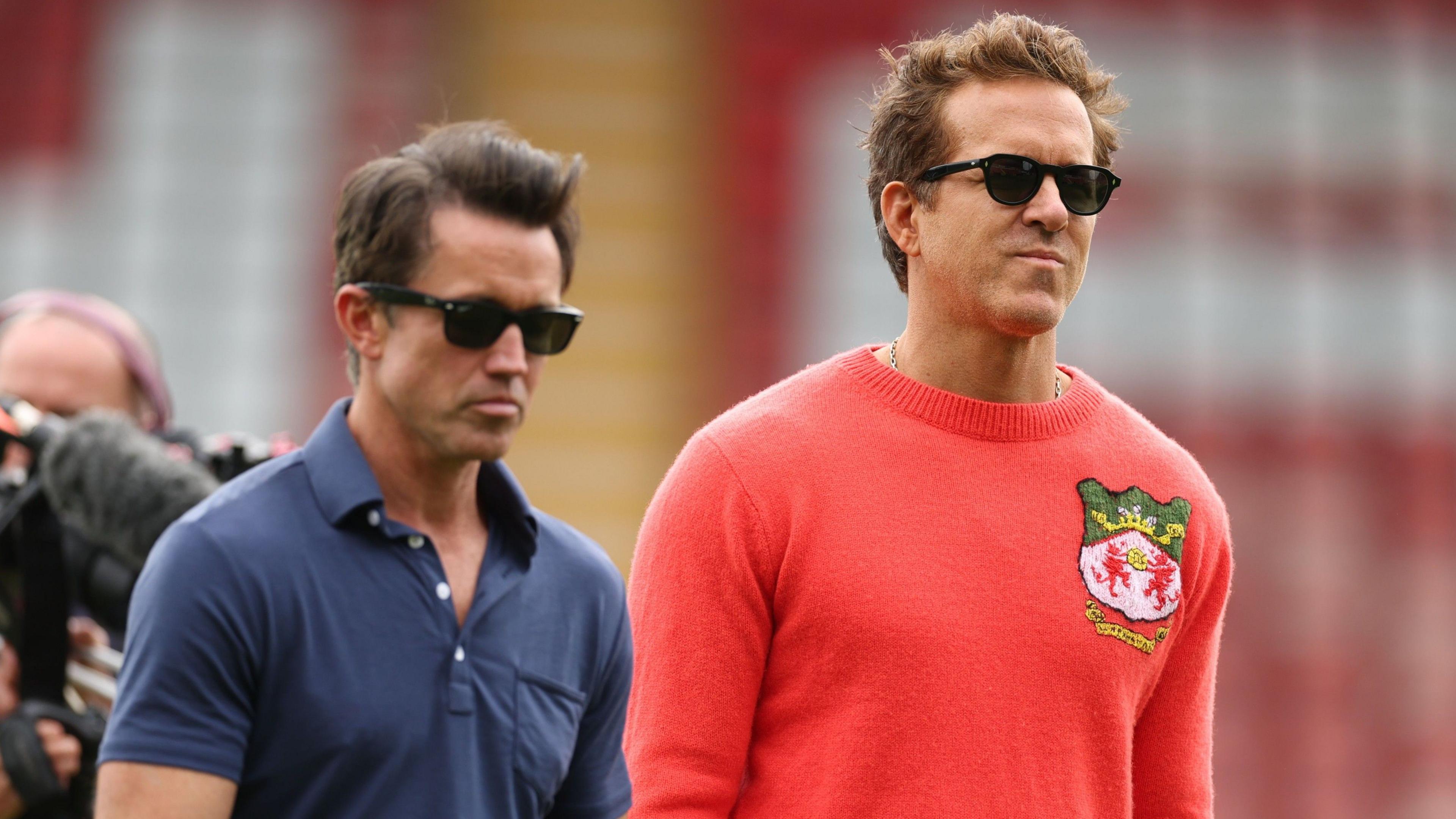
Wrexham AFC is owned by Rob McElhenney and Ryan Reynolds, who operate the club through their joint venture, RR McReynolds Company LLC. Since completing their takeover in February 2021, the Hollywood duo has transitioned the North Welsh...
Wrexham AFC is owned by Rob McElhenney and Ryan Reynolds, who operate the club through their joint venture, RR McReynolds Company LLC. Since completing their takeover in February 2021, the Hollywood duo has transitioned the North Welsh club from a fan-owned National League side to a globally recognized sporting brand competing in the higher tiers of the English Football League (EFL).
Contents
The Genesis of RR McReynolds Company LLC
The ownership of Wrexham AFC is a unique case study in sports management, merging Hollywood marketing savvy with traditional British football culture. The acquisition process began in late 2020 when Rob McElhenney, creator of It's Always Sunny in Philadelphia, sought to purchase a football club. He recruited Ryan Reynolds, the Deadpool star, to provide both the necessary capital and the global profile required to execute a "David and Goliath" narrative.
The club was previously owned by the Wrexham Supporters Trust (WST), a fan-led group that saved the club from liquidation in 2011. To facilitate the sale, 98.6% of the trust members voted in favor of the takeover, signaling a massive shift in the club's governance. Under the terms of the deal, RR McReynolds Company LLC invested an initial £2 million, with a commitment to long-term infrastructure and squad development.
The Role of Humphrey Ker
While McElhenney and Reynolds are the public faces and primary investors, the day-to-day strategic bridge between Hollywood and Wrexham is managed by Humphrey Ker, the club’s Executive Director. Ker was instrumental in identifying Wrexham as the ideal candidate for the takeover, citing its deep history, loyal fanbase, and the untapped potential of being the only major club in a large geographical region (North Wales).
Strategic Investment and Infrastructure
Ownership of a football club in 2026 involves far more than just signing players. The RR McReynolds era has been defined by three core pillars: infrastructure, commercial expansion, and community integration.
The Racecourse Ground (Cae Ras) Redevelopment
One of the primary goals of the ownership was to secure the future of the world’s oldest international football stadium. In 2022, the club successfully purchased the freehold of the Racecourse Ground from Wrexham Glyndŵr University. This move allowed the owners to begin the ambitious redevelopment of the Kop Stand. By 2026, the modernization of the stadium has significantly increased match-day revenue and provided the facilities necessary to host international fixtures once again.
Training Facilities and Youth Academy
For long-term sustainability, McElhenney and Reynolds prioritized the youth system. Under the previous fan-ownership model, the academy lacked the funding to compete with top-tier English clubs for local talent. The current ownership has funneled significant resources into "Category 3" academy status, ensuring that North Welsh talent remains at Wrexham rather than being scouted away by Manchester-based or Merseyside clubs.
The "Welcome to Wrexham" Effect: Global Branding
The ownership of Wrexham AFC is inseparable from the Disney+ and FX docuseries, Welcome to Wrexham. This series serves as a powerful marketing engine that generates revenue and global interest far beyond the typical scope of a lower-league football club.
Commercial Partnerships
The owners have leveraged their personal brands to secure high-profile sponsorships that are virtually unheard of in the EFL. These partnerships provide the "firepower" to compete in the transfer market while adhering to Financial Fair Play (FFP) and Profit and Sustainability Rules (PSR).
| Sponsor | Sector | Strategic Value |
|---|---|---|
| United Airlines | Aviation | Front-of-shirt sponsor; facilitates international tours and global logistics. |
| STōK Cold Brew | Beverage | Stadium naming rights; significant investment in North American visibility. |
| TikTok | Social Media | Early-stage partner that drove massive digital engagement and content reach. |
| HP (Hewlett Packard) | Technology | Provides the backend infrastructure for stadium operations and digital media. |
| Gatorade | Sports Nutrition | High-performance support for the first team and academy athletes. |
Digital Growth and Merchandising
Under the current owners, Wrexham’s digital footprint has surpassed that of many Premier League clubs. This digital presence translates into massive merchandise sales. In the early years of the takeover, the club struggled to meet the global demand for shirts, leading to a complete overhaul of their retail and distribution network to handle orders from over 100 countries.
Governance and Financial Sustainability
A common question regarding the ownership is how a club with Wrexham's history maintains its identity while being owned by global celebrities. The owners addressed this by creating a Mission Statement during the takeover, which included:
- Protecting the heritage of the club.
- Always playing at the Racecourse Ground.
- Enhancing the community of Wrexham.
- Never changing the club’s name, badge, or colors without fan consultation.
Navigating EFL Financial Rules
As of 2026, Wrexham operates within the EFL’s financial framework. Because the club’s turnover is exceptionally high for its level—driven by documentary royalties and global sponsorships—they are able to sustain a wage bill that would be otherwise impossible. This "vertical integration" of entertainment and sport allows the club to remain solvent while aggressively pursuing back-to-back promotions.
Wrexham AFC Women and Community Impact
The ownership's commitment extends to the Wrexham AFC Women's team. Shortly after the takeover, the team was brought under the professional umbrella of the main club. By providing professional contracts and access to the same training facilities as the men's team, Reynolds and McElhenney have turned Wrexham into a dominant force in the Adran Premier (the Welsh top flight).
Community initiatives, such as the "Quiet Zone" for neurodivergent fans and significant donations to local food banks and charities, have cemented the owners' popularity. This "community-first" approach was a prerequisite for the WST to hand over the keys to the club, and by 2026, it remains a central tenet of the RR McReynolds philosophy.
Comparison: Fan Ownership vs. RR McReynolds Ownership
| Feature | Wrexham Supporters Trust (2011–2021) | RR McReynolds Company (2021–Present) |
|---|---|---|
| Primary Goal | Survival and debt management | Growth and Premier League aspirations |
| Funding Source | Fan contributions and local sponsors | Private capital and global partnerships |
| Staffing | Majority volunteer-led | Professional executive board |
| Global Profile | Low (Regional focus) | Extremely High (Global brand) |
| Infrastructure | Minimal maintenance | Major capital redevelopment |
Challenges and Future Outlook
While the ownership has been overwhelmingly positive, it is not without challenges. As the club moves higher up the English football pyramid, the "celebrity premium" becomes a factor. Opposing clubs often inflate transfer prices when Wrexham inquires about a player, and the pressure to maintain the upward trajectory of the "Hollywood story" is constant.
Furthermore, the owners must eventually balance their physical presence in North Wales with their careers in the United States. To date, they have managed this through frequent visits and a highly competent local management team led by CEO Fleur Robinson (during her tenure) and the executive board.
Conclusion and Recommendations
The ownership of Wrexham AFC by Rob McElhenney and Ryan Reynolds represents a paradigm shift in how small-market sports teams can be modernized. By combining emotional storytelling with aggressive commercial expansion, they have created a sustainable model that benefits both the club and the wider community of Wrexham.
For those looking to follow or support the club, it is recommended to:
- Monitor Official Announcements: Follow the official Wrexham AFC website for updates on tickets and stadium developments.
- Understand EFL Rules: Stay informed on EFL Financial Fair Play to understand how the club's spending is regulated.
- Support the Women's Team: The growth of the women's game is a core part of the ownership's 2026 vision and offers a different perspective on the club's resurgence.
Frequently Asked Questions
How much did Ryan Reynolds and Rob McElhenney pay for Wrexham? The duo paid an initial £2 million investment into the club. However, they did not pay a "purchase price" to the fans; instead, the money was injected directly into the club's operations and infrastructure to ensure its future.
Do the owners actually run the club day-to-day? No. While they are involved in major strategic decisions and player recruitment talks, the day-to-day operations are handled by a professional executive team in Wrexham. Humphrey Ker acts as the primary liaison between the owners and the local staff.
Can the fans still have a say in how the club is run? Yes. While the Wrexham Supporters Trust no longer owns the club, the ownership agreement includes "heritage covenants." These legal protections ensure that fans must be consulted on major changes to the club’s identity, such as the kit colors or the stadium location.
Is Wrexham AFC profitable? As of the mid-2020s, the club has reported significant turnover growth, often exceeding £10 million per year. While player wages and infrastructure costs are high, the revenue from the Welcome to Wrexham series and global merchandise sales provides a unique financial cushion that most clubs at this level do not possess.
What happens if the owners decide to sell? The ownership has repeatedly stated they are in it for the long term. However, if they were to sell, the club’s value has increased exponentially since 2021. Any future owner would be bound by the same heritage covenants that protect the club’s history and location.
Image Gallery