Philippe Petit: The Story of the Man Who Walked Between the Twin Towers
On August 7, 1974, French high-wire artist Philippe Petit performed a legendary unauthorized tightrope walk between the Twin Towers of the World Trade Center in New York City. Petit spent 45 minutes walking, dancing, and kneeling on a...
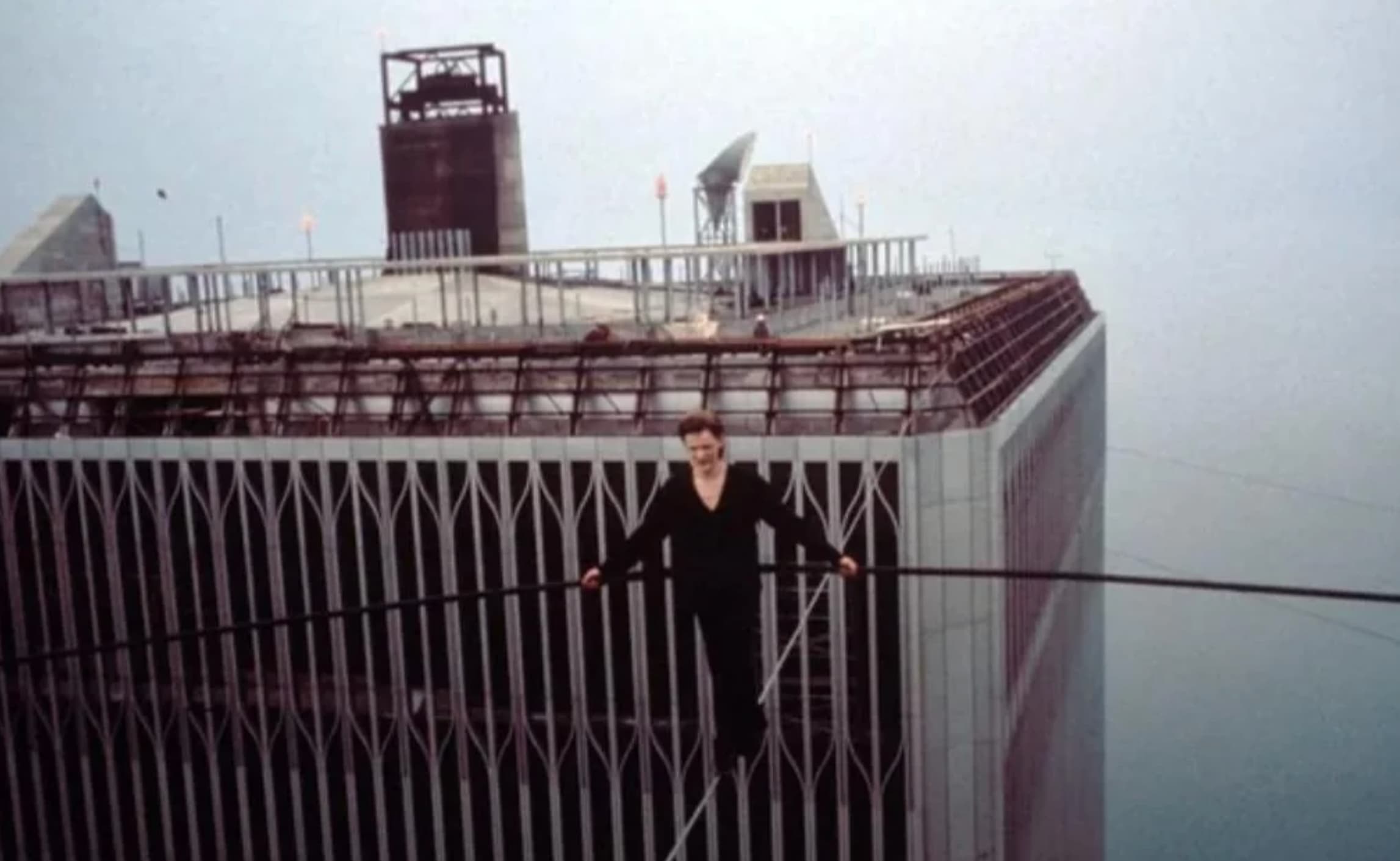
On August 7, 1974, French high-wire artist Philippe Petit performed a legendary unauthorized tightrope walk between the Twin Towers of the World Trade Center in New York City. Petit spent 45 minutes walking, dancing, and kneeling on a 200-foot cable suspended 1,350 feet above the ground, completing eight crossings before his arrest.
Contents
The feat, often referred to as the "artistic crime of the century," transformed the public perception of the World Trade Center and remains one of the most famous acts of urban exploration and performance art in history. In 2026, over five decades since the walk occurred, Petit’s achievement is still studied for its incredible blend of engineering, audacity, and creative vision.
The Origins of a High-Wire Dream
Philippe Petit was not merely a daredevil; he was a self-taught polymath—a juggler, magician, and wire-walker who viewed the sky as his stage. His obsession with the World Trade Center began in a dentist's waiting room in Paris in 1968. While flipping through a magazine, he saw a conceptual drawing of the proposed towers. At that moment, he reportedly took a pencil and drew a line between the two rooftops, deciding then and there that he would one day walk between them.
Before tackling the "Greatest Walk," Petit honed his skills through other illegal high-wire performances. In 1971, he walked between the towers of the Notre-Dame Cathedral in Paris. In 1973, he crossed the pylons of the Sydney Harbour Bridge in Australia. Each of these events served as a "rehearsal" for the logistical and psychological challenges he would face in New York. Petit’s philosophy was never about "death-defying" stunts; rather, it was about the mastery of space and the poetic conquest of the impossible.
Planning "The Coup": Years of Preparation
The Twin Towers walk was not a spontaneous act. Petit and a small circle of collaborators spent six years planning what they nicknamed "The Coup." This preparation required an intricate level of reconnaissance and logistical engineering that rivaled a complex heist.
Reconnaissance and Disguises
To understand the security protocols and structural nuances of the towers, Petit visited the World Trade Center site dozens of times. He adopted various disguises to gain access to the upper floors, which were still under construction or being outfitted for tenants. He posed as a journalist for a French architecture magazine, a construction worker, and even a businessman with an office in the building.
During these visits, he took thousands of photographs and made detailed sketches of the roof layouts. He noted the locations of security guards, the timing of elevator shifts, and the specific structural points where a cable could be anchored. He even rented a helicopter to take aerial photographs of the roofs to ensure his measurements were precise.
The Team and Insider Help
Petit could not have accomplished the feat alone. He recruited a team that included his girlfriend Annie Allix, his friend Jean-Louis Blondeau, and several Americans he met in New York, including a man named Barry Greenhouse, who worked in the South Tower and provided crucial insider access. The team had to smuggle nearly a ton of equipment—including the steel cable, winches, and stabilization lines—to the 110th floors of both towers without being detected by security or the Port Authority police.
The Technical Execution: Engineering the Walk
The technical challenges of stringing a cable across a 140-foot gap at a height of 1,350 feet were immense. The primary obstacle was the wind. At that altitude, the wind between the towers could create a "venturi effect," significantly increasing its velocity and creating unpredictable gusts that could easily buck a wire-walker off the line.
Crossing the Gap
On the night of August 6, 1974, Petit’s team split into two groups, one for each tower. To get the initial fishing line across the gap, they used a high-powered bow and arrow. Jean-Louis Blondeau fired an arrow from the North Tower to the South Tower. Attached to the arrow was a thin fishing line, which was then used to pull across increasingly heavier ropes, and finally, the heavy 7/8-inch steel cable.
The Cavalletti System
A simple tightrope would have been too unstable at that height. Petit utilized a complex system of "cavalletti"—guy-wires attached to the main cable and anchored to the rooftops. These lines created a triangular stabilization pattern that dampened the vibration and sway of the main wire. Tensioning the cable required a manual winch, a process that took hours of grueling physical labor in the dark, just feet away from the edge of the abyss.
August 7, 1974: Forty-Five Minutes in the Sky
Shortly after 7:00 AM, as the city below began its morning rush hour, Philippe Petit stepped onto the wire. He was dressed in black and carried a custom-made 26-foot balancing pole that weighed 55 pounds. For the next 45 minutes, he did more than just walk; he performed.
Petit made eight separate passes across the wire. At various points, he:
- Knelt on the wire to salute the towers and the onlookers below.
- Lay down on the cable to look up at the sky and feel the vibration of the towers.
- Danced and bounced slightly to test the tension and interact with the wind.
As the crowds gathered on the streets of Lower Manhattan, police officers rushed to the rooftops. They could not immediately arrest him because he was literally out of their reach. Petit taunted them playfully, approaching the edge of the roof only to turn back and walk toward the center of the wire again. It was only when it began to rain that he decided to end the performance and surrendered to the authorities.
The Aftermath: From Criminal to Hero
Upon stepping off the wire, Petit was arrested and charged with disorderly conduct and criminal trespassing. However, the public response was so overwhelmingly positive that the District Attorney dropped all formal charges. Instead, Petit was sentenced to perform a free high-wire show for children in Central Park—a "punishment" he gladly accepted.
The walk had a profound impact on the reputation of the World Trade Center. Before 1974, the towers were often criticized for being cold, monolithic, and out of scale with the rest of Manhattan. Petit’s walk "humanized" the buildings, giving them a sense of wonder and a place in the city's cultural heart. The Port Authority even gave Petit a lifetime pass to the observation deck, and his signature was reportedly etched into the steel of the North Tower.
Comparative Analysis of Historic High-Wire Feats
To understand the scale of Petit's achievement, it is helpful to compare it to other significant wire walks in history.
| Performer | Location | Year | Height (ft) | Key Distinction |
|---|---|---|---|---|
| Philippe Petit | World Trade Center, NYC | 1974 | 1,350 | Unauthorized "artistic crime" between skyscrapers. |
| Charles Blondin | Niagara Falls | 1859 | 160 | First to cross Niagara; famously carried his manager on his back. |
| Nik Wallenda | Grand Canyon (Little Colorado River) | 2013 | 1,500 | First to cross a Grand Canyon gorge on a wire without a harness. |
| Philippe Petit | Notre-Dame Cathedral, Paris | 1971 | 226 | His first major unauthorized urban walk. |
| Adili Wuxor | Pearl of the Orient Tower, Shanghai | 2010 | 1,148 | Walked between towers at a major Asian landmark. |
Philippe Petit in 2026: A Living Legend
As of 2026, Philippe Petit remains a symbol of creative rebellion and meticulous craftsmanship. Now in his mid-70s, he continues to live in New York and remains active in the arts. He often speaks about the "creative crime" and the importance of following one's passion regardless of the obstacles.
His story has been immortalized in several major works, most notably the 2008 documentary Man on Wire, which won the Academy Award for Best Documentary Feature, and the 2015 feature film The Walk, directed by Robert Zemeckis. These works emphasize that the walk was not just a physical feat but a masterpiece of planning and a refusal to accept the limitations of the "possible."
Frequently Asked Questions
Did Philippe Petit use a safety harness?
No, Philippe Petit did not use a safety harness or a net during his walk between the Twin Towers. He believed that the use of safety equipment would negate the artistic integrity of the performance. He relied entirely on his balance, his custom-made pole, and his years of training.
How did the team get the cable across the gap?
The team used a bow and arrow to shoot a fishing line from the North Tower to the South Tower. Once the fishing line was secured, it was used to pull across progressively thicker ropes (nylon and hemp) until the heavy steel cable could be pulled across and tensioned using a winch.
What happened to the equipment after the walk?
Most of the equipment was confiscated by the police following Petit's arrest. However, the event was so well-documented through photography and film (captured by his team on the rooftops) that the technical details of the rig are well-preserved for historical study.
Why did he decide to do the walk illegally?
Petit believed that asking for permission would lead to an inevitable "no" from the Port Authority due to safety and liability concerns. By performing the walk illegally, he maintained total creative control over the event, ensuring it remained an "artistic crime" rather than a sanctioned corporate stunt.
How long was the wire between the Twin Towers?
The distance between the towers was approximately 140 feet (42 meters), but the total length of the cable used was roughly 200 feet to allow for anchoring and tensioning on both rooftops.
Practical Recommendations for Aspiring Adventurers
While unauthorized high-wire walks are illegal and extremely dangerous, the "Petit approach" offers valuable lessons for any complex project or creative endeavor:
- Exhaustive Research: Petit’s success was 10% performance and 90% preparation. Always conduct thorough reconnaissance and risk assessment before attempting a difficult task.
- Building a Specialist Team: Surround yourself with people who possess complementary skills. Petit needed engineers, photographers, and "insiders" to succeed.
- Mastery of Fundamentals: Before tackling the Twin Towers, Petit spent years practicing on lower, legal wires. Never skip the foundational stages of a craft.
- Creative Problem Solving: When faced with the "impossible" task of getting a cable across a 140-foot gap, Petit used a tool as ancient as a bow and arrow. Look for unconventional solutions to modern problems.
For those interested in the technical and philosophical aspects of Petit's work, his book To Reach the Clouds provides an in-depth, first-hand account of the preparation and execution of "The Coup."
Image Gallery