Yungblud, Billie Eilish, and Rolling Stone: Navigating a Shifting Music Landscape
The contemporary music landscape is defined by the erosion of genre boundaries and a radical shift toward emotional vulnerability, led by trailblazers like Yungblud and Billie Eilish. Documented by legacy institutions like Rolling Ston...
The contemporary music landscape is defined by the erosion of genre boundaries and a radical shift toward emotional vulnerability, led by trailblazers like Yungblud and Billie Eilish. Documented by legacy institutions like Rolling Stone, this evolution reflects a move from traditional stardom to a model built on community, social activism, and sonic experimentation that prioritizes authenticity over polished perfection.
Contents
The music industry in 2026 stands at a fascinating crossroads. The traditional power structures—labels, radio, and legacy press—have had to adapt to a reality where the artist-to-fan connection is the primary currency. Two figures who represent different yet complementary facets of this new world are Yungblud (Dominic Harrison) and Billie Eilish. While their sounds vary, their impact on cultural discourse and their relationship with authoritative platforms like Rolling Stone highlight how the "rockstar" archetype has been dismantled and rebuilt for a new generation.
Yungblud: The Democratization of the Rock Rebel
Yungblud emerged as a disruptive force by blending the high-energy aesthetics of 1970s punk with the genre-fluidity of the 21st century. His rise was not merely about a "sound" but about a "movement." In the shifting music landscape, Yungblud has utilized his platform to advocate for disenfranchised youth, focusing on themes of mental health, gender identity, and socio-political frustration.
Rolling Stone has frequently chronicled Yungblud's trajectory, recognizing him as a key figure in the "rock revival" that isn't actually rock in the traditional sense. In his various features and the "Musicians on Musicians" series, the magazine has explored how he bridges the gap between the rebellious spirit of the past and the inclusive ethics of the present. By 2026, his influence has solidified through initiatives like Bludfest, a festival designed to be accessible and community-driven, mirroring the DIY ethos he championed early in his career.
The core of Yungblud's appeal lies in his transparency. Unlike the distant icons of the 1990s, he maintains a constant, raw dialogue with his fanbase, known as the "Black Hearts Club." This shift from "idol" to "community leader" is a hallmark of the modern music landscape. Rolling Stone’s coverage of his career often highlights this paradox: a performer who thrives on arena-sized energy while maintaining a grassroots, intimate connection with individual listeners.
Billie Eilish: The Architect of Alt-Pop Intimacy
If Yungblud is the externalized scream of Gen Z, Billie Eilish is its internalized whisper. Eilish fundamentally changed the sonic palette of global pop music. Working alongside her brother and collaborator, Finneas O'Connell, she introduced a minimalist, bass-heavy, and often eerie production style that defied the maximalist trends of the 2010s.
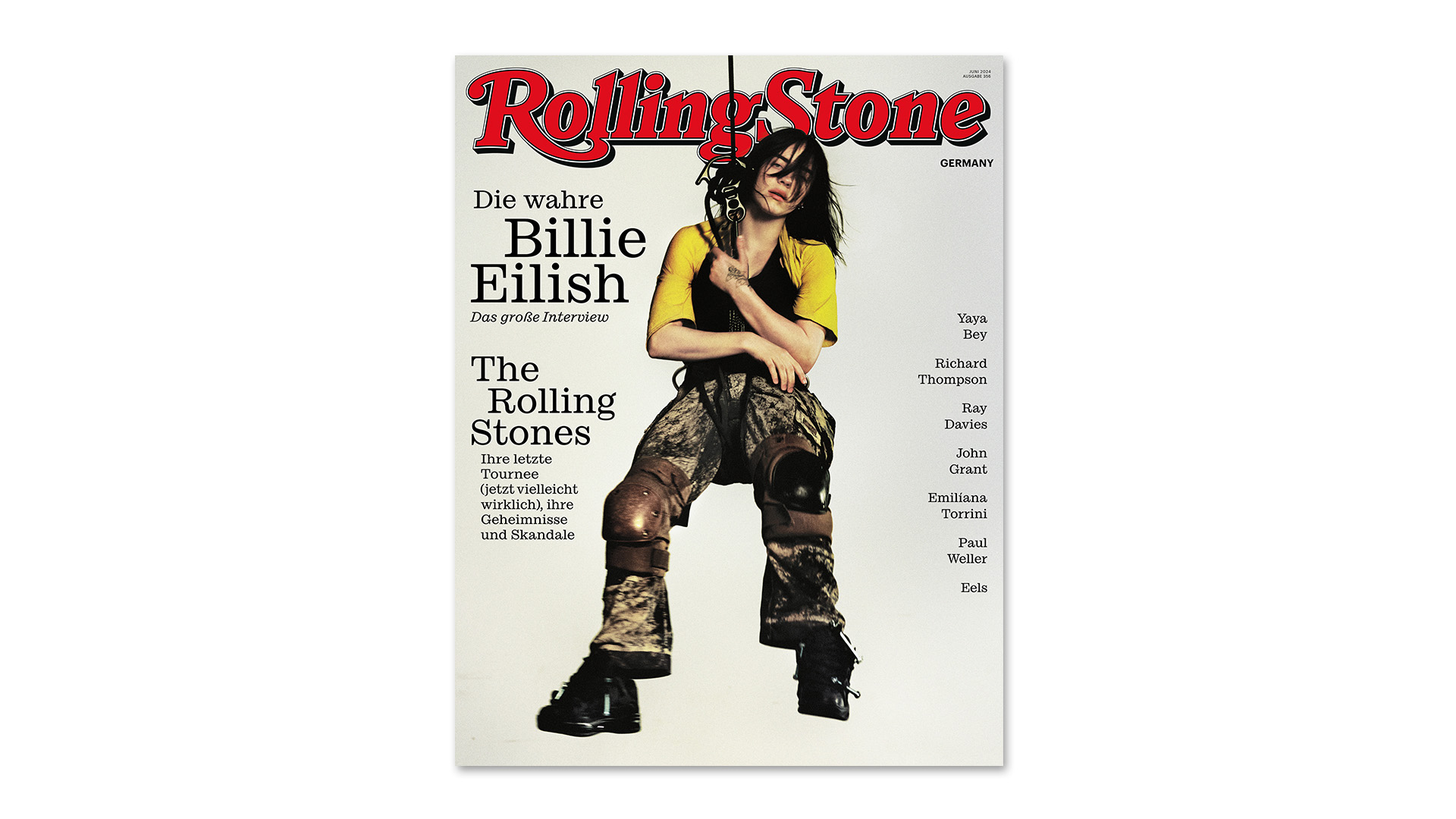
Rolling Stone has played a pivotal role in documenting Eilish's evolution from a teenage sensation to a sophisticated, multi-Grammy-winning artist. Her cover stories have often served as cultural checkpoints, discussing everything from her struggles with body image and Tourette syndrome to her environmental activism. By 2026, Eilish has moved beyond the "prodigy" label, establishing herself as a legacy artist whose influence can be heard in the hushed vocals and dark textures of countless emerging performers.
The shifting landscape she helped create is one where "pop" is no longer a dirty word for alternative fans. Eilish proved that an artist could be the biggest star in the world while remaining intensely private and artistically uncompromising. Her 2024 album, Hit Me Hard and Soft, and her subsequent creative output into 2025 and 2026, have continued to push boundaries, blending folk sensibilities with electronic experimentation—a progression Rolling Stone has analyzed as the hallmark of an artist who values longevity over ephemeral viral hits.
Rolling Stone: The Adaptation of a Legacy Institution
For over half a century, Rolling Stone has been the "journal of record" for popular culture. However, the shifting music landscape required the publication to undergo its own transformation. In an era of instant-access social media and TikTok-driven hits, the role of a monthly or even digital-first magazine has shifted from "gatekeeper" to "curator and context-provider."
Rolling Stone has navigated this by leaning into deep-form journalism and high-production multimedia content. Their coverage of artists like Yungblud and Billie Eilish is no longer just about the music; it is about their cultural footprint. The magazine has successfully integrated social issues—climate change, reproductive rights, and mental health—into its musical coverage, reflecting the holistic way modern fans consume art.
Furthermore, Rolling Stone’s "Top 500" lists and "Greatest of All Time" rankings have been revised in recent years to reflect a more inclusive and diverse history of music. This recontextualization is essential for maintaining relevance in 2026, as younger audiences demand that legacy media acknowledge the contributions of artists who were previously marginalized by the traditional rock-centric narrative.
Comparative Analysis: Yungblud vs. Billie Eilish
While both artists are icons of the current era, their approaches to the industry and their representation in media like Rolling Stone offer a study in contrasts.
| Feature | Yungblud (Dominic Harrison) | Billie Eilish |
|---|---|---|
| Primary Genre Context | Pop-Punk / Alt-Rock / Hip-Hop | Alt-Pop / Electronic / Avant-Garde |
| Key Philosophical Driver | Community and Collective Defiance | Personal Intimacy and Sonic Innovation |
| Rolling Stone Narrative | The "Modern Rockstar" and Community Builder | The "Voice of a Generation" and Sonic Pioneer |
| Performance Style | High-octane, theatrical, interactive | Minimalist, atmospheric, emotionally raw |
| Industry Impact | Revitalized guitar music for a digital audience | Normalized "dark pop" and DIY bedroom production |
| Social Focus | LGBTQ+ rights, mental health advocacy | Environmentalism, body positivity, privacy |
The Mechanics of the Shifting Music Landscape
The "shift" mentioned in the title is not just aesthetic; it is structural. Several key factors have contributed to how Yungblud, Eilish, and Rolling Stone interact in 2026:
- The Death of Genre: In the past, Rolling Stone readers were often siloed into "Rock," "Soul," or "Country." Today, Yungblud can collaborate with rappers and pop stars, while Eilish can transition from bossa nova to industrial techno. The magazine now covers "vibe" and "cultural impact" rather than rigid genre categories.
- Authenticity as Currency: In a world of AI-generated content and highly curated social feeds, "realness" is the most valuable asset. Both Yungblud and Eilish have built their brands on being "unfiltered." Rolling Stone captures this through long-form interviews that allow for nuance that a 15-second clip cannot provide.
- The Rise of the "Standom": Fans are no longer passive consumers; they are active participants. Yungblud’s "Black Hearts Club" and Eilish’s "Eilishers" function as digital ecosystems. Rolling Stone has adapted by reporting on fan culture as a news beat in its own right.
- Mental Health Advocacy: The music industry has historically been brutal on young artists. The shifting landscape of 2026 places a much higher premium on artist wellness. Rolling Stone frequently explores the pressures of fame through the lens of Eilish’s and Yungblud’s own struggles, fostering a more empathetic industry dialogue.
Challenges and Future Outlook
Despite the successes of these artists and the adaptation of legacy media, the landscape remains volatile. The dominance of streaming algorithms often prioritizes individual tracks over cohesive albums, a trend that both Yungblud and Eilish have resisted by focusing on the "album era" experience. Rolling Stone supports this resistance by continuing to review and celebrate the album as an art form.
Another challenge is the saturation of the market. In 2026, thousands of songs are uploaded to streaming platforms every hour. For an artist to break through and receive the "Rolling Stone treatment," they must possess more than just talent; they need a narrative. Yungblud and Billie Eilish have succeeded because they are effective storytellers who embody the anxieties and aspirations of their time.
As we look toward the latter half of the decade, the synergy between genre-defying artists and adaptive media platforms will likely deepen. We can expect to see more interactive storytelling, where Rolling Stone uses augmented reality (AR) or immersive digital features to bring the worlds of Yungblud and Eilish to life, further blurring the line between the artist, the journalist, and the fan.
Frequently Asked Questions
How did Rolling Stone first cover Yungblud?
Rolling Stone initially covered Yungblud as a rising star in the UK alternative scene, often focusing on his energetic live performances and his ability to blend punk with hip-hop. Over time, the coverage shifted toward his role as a spokesperson for a "misfit" generation, highlighting his activism and his creation of safe spaces for fans.
What is Billie Eilish's relationship with legacy music media?
Billie Eilish has had a transformative relationship with legacy media. Initially seen as an outlier due to her age and unconventional sound, she quickly became a staple for publications like Rolling Stone. She uses these platforms to communicate deep, often philosophical views on fame, art, and the environment, helping to modernize the image of a "cover star."
Why is the music landscape considered "shifting"?
The landscape is shifting because the traditional "top-down" model of the music industry—where labels and radio decided what was popular—has been replaced by a "bottom-up" model driven by social media and streaming. This has led to the collapse of genre boundaries and a greater emphasis on artist authenticity and social values.
How has Rolling Stone remained relevant in 2026?
Rolling Stone has remained relevant by diversifying its content and embracing the digital-first era. It has moved beyond being just a magazine to becoming a multimedia brand that offers deep-dive investigative reporting, cultural commentary, and a strong presence on social platforms, all while maintaining its status as a historical authority.
Are Yungblud and Billie Eilish considered "rock stars"?
In the traditional 20th-century sense, perhaps not. However, in the 2026 landscape, they are the definition of modern rock stars. They embody the spirit of rebellion, individual expression, and cultural influence that "rock" has always represented, even if their music incorporates pop, electronic, or hip-hop elements.
Practical Recommendation for Fans and Aspiring Artists
To truly understand the shifting music landscape, it is essential to look beyond the charts. For fans, this means engaging with the long-form stories and interviews found in outlets like Rolling Stone to understand the "why" behind the music. For aspiring artists, the careers of Yungblud and Billie Eilish demonstrate that success in 2026 is built on three pillars: a unique sonic identity, a genuine connection with a specific community, and a willingness to speak on issues larger than oneself. Prioritize building a core community over seeking broad, shallow viral fame.
Image Gallery