Brittany Runs a Marathon: The Inspiring True Story of Perseverance and Transformation
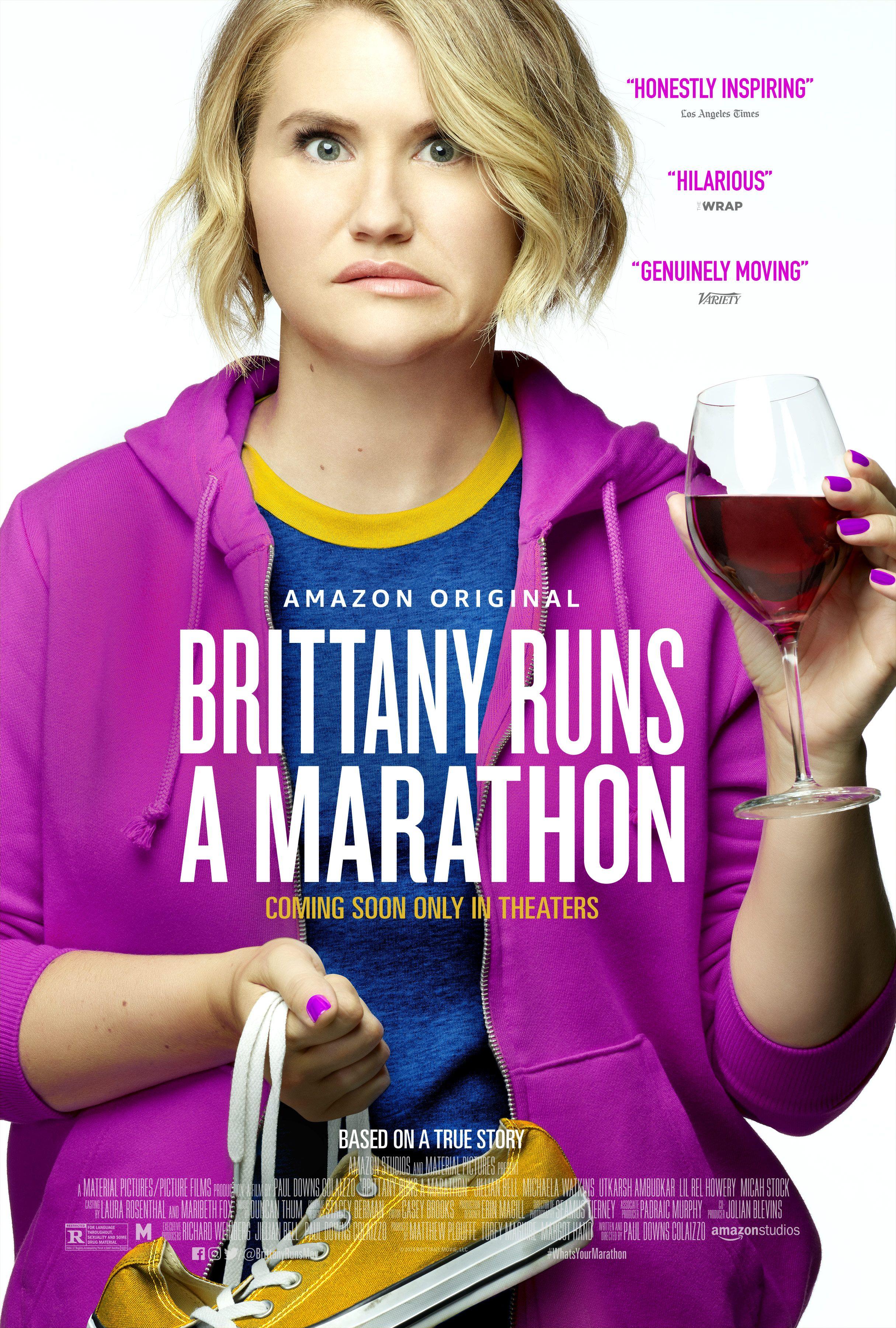
The film Brittany Runs a Marathon is based on the true story of Brittany O’Neill, a close friend of the movie’s writer and director, Paul Downs Colaizzo. While some cinematic liberties were taken for dramatic effect, the core narrative...
The film Brittany Runs a Marathon is based on the true story of Brittany O’Neill, a close friend of the movie’s writer and director, Paul Downs Colaizzo. While some cinematic liberties were taken for dramatic effect, the core narrative accurately reflects O'Neill’s real-life journey from an aimless, self-destructive lifestyle in New York City to completing the grueling 26.2-mile New York City Marathon.
Contents
Released originally in 2019 and remaining a staple of inspirational cinema through 2026, the story resonates because it eschews the typical "weight loss" trope in favor of a raw exploration of self-worth and mental fortitude. It is not merely a story about running; it is a case study in perseverance—the steady persistence in a course of action, especially in spite of difficulties, obstacles, or discouragement.
The Origins of the Journey: From Roommates to Inspiration
The genesis of the story began in a small apartment in New York City. Paul Downs Colaizzo, then a struggling playwright, lived with his best friend, Brittany O’Neill. At the time, O’Neill was caught in a cycle of late-night partying, underemployment, and a profound lack of direction. Colaizzo watched as O’Neill reached a breaking point and decided to make a radical change, starting with a single block of running.
In the film, the character Brittany Forgler (played by Jillian Bell) visits a doctor intending to score an Adderall prescription but is instead told her lifestyle is life-threatening. This "wake-up call" was inspired by O'Neill’s own realization that her health was declining. However, the true story is less about a single medical appointment and more about a cumulative desire to stop being the "funny sidekick" in her own life and start being the protagonist.
Colaizzo began writing the script as O’Neill was living the experience. He famously gifted her the first act of the screenplay as a birthday present, a gesture that served as both a tribute to her hard work and a motivation to keep going. By documenting her journey in real-time, the narrative captures the authentic setbacks that most fitness-themed movies gloss over.
The Psychology of Perseverance in Brittany’s Story
Perseverance is often misunderstood as a constant state of forward motion. In the context of Brittany’s true story, perseverance is defined by how she handled the moments when she stopped moving. The film and the real-life events it mirrors highlight three specific stages of psychological endurance.
1. The Threshold of Initiation
The hardest part of Brittany’s journey was the first block. For someone who had never identified as an athlete, the transition from sedentary to active is a psychological hurdle. O'Neill has described the initial embarrassment of running in public, the fear of judgment, and the physical discomfort of lungs burning and joints aching. Perseverance here meant showing up for the second block, even when the first one felt like a failure.
2. The Plateau and the "Middle Mile"
Once the initial "honeymoon phase" of a new fitness routine wears off, many people quit. O'Neill’s real story involved months of training where progress was slow. The film depicts this through Brittany Forgler’s struggle with her social life; she had to distance herself from toxic friends who only knew the "party version" of her. This social isolation is a significant barrier to perseverance that many runners face.
3. The Physical Setback
In both the movie and O'Neill’s life, a major injury threatened to derail the entire goal. For Brittany, a stress fracture meant she could not run the marathon the first year she planned to. This is where true perseverance is tested. Choosing to recover, maintain discipline, and try again the following year—rather than viewing the injury as a sign to quit—is what separates a temporary hobby from a life transformation.
Real Life vs. Cinema: Accuracy and Dramatization
While the emotional core of the film is 100% factual, certain elements were modified to fit a standard three-act structure. For those looking to understand the "true story" of perseverance, it is helpful to distinguish between what happened to Brittany O'Neill and what was created for Brittany Forgler.
| Feature | The Movie (Brittany Forgler) | Real Life (Brittany O'Neill) |
|---|---|---|
| The Catalyst | Seeking Adderall from a doctor. | A general desire for health and self-ownership. |
| The Injury | A severe stress fracture causing a year delay. | A real injury occurred, requiring a deferred entry. |
| The First Run | Exactly one city block in New York. | A short, difficult run in her neighborhood. |
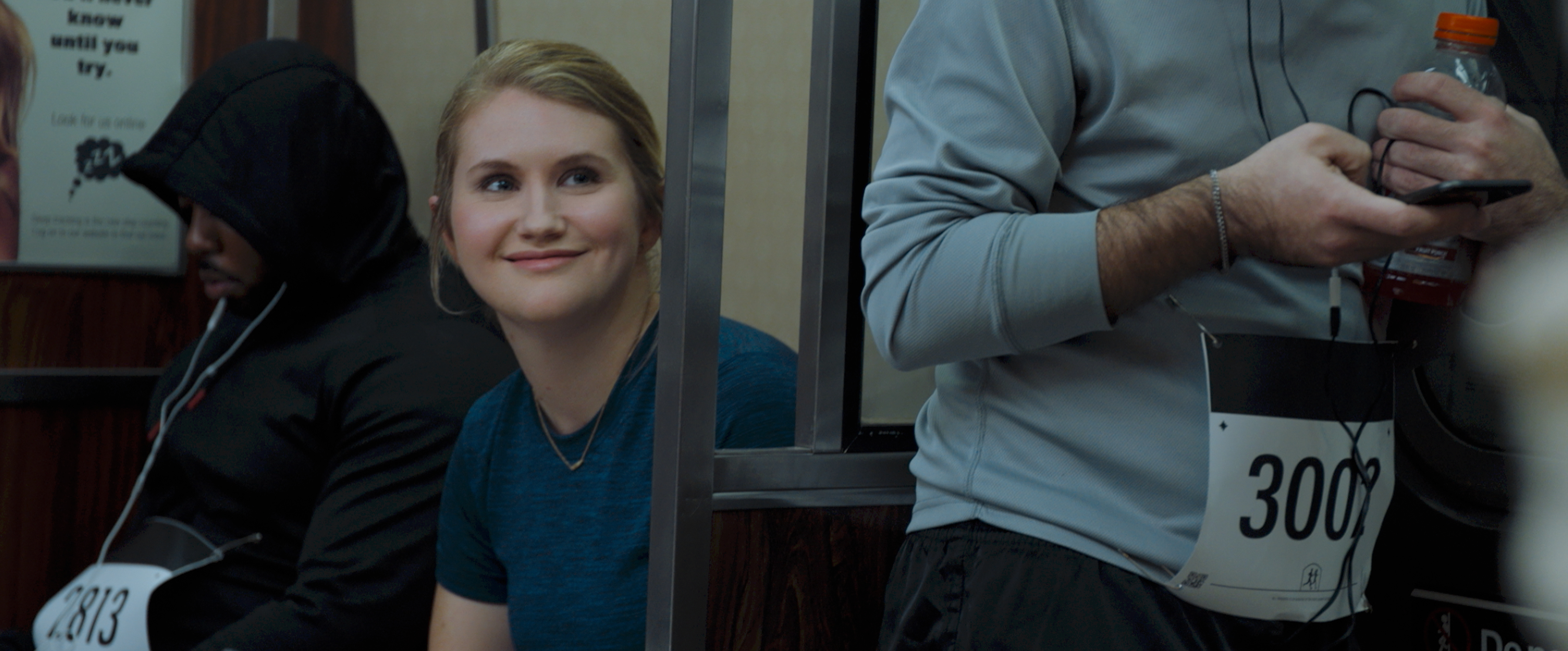
| The Finish Line | Filmed during the actual NYC Marathon. | Brittany O'Neill completed the race in 2014. |
| The Romantic Interest | Jern (the house sitter). | A fictionalized amalgam of people in her life. |
| Current Status (2026) | Remains an iconic character in film. | Continues to live a balanced, healthy life in NYC. |
The Physical and Financial Costs of the Marathon Goal
Perseverance is not just an emotional state; it requires logistical planning and sacrifice. For the real Brittany, and for thousands who followed her lead, the New York City Marathon represents a significant investment.
- Training Time: A standard marathon training program lasts 16 to 20 weeks. This requires 5 to 10 hours of running per week, plus time for stretching, strength training, and recovery.
- Gear and Nutrition: Quality running shoes, which must be replaced every 300-500 miles, can cost between $120 and $200. When factoring in moisture-wicking apparel, hydration vests, and energy gels, the startup cost is substantial.
- Race Entry Fees: As of 2026, the entry fee for the New York City Marathon remains one of the highest in the world, typically ranging from $255 to $358 for U.S. residents, depending on membership status with New York Road Runners (NYRR).
- The Lottery System: Perseverance is often tested before the race even begins. Most runners must enter a lottery; many, like the character in the film, are not selected on their first attempt and must either run for a charity (raising upwards of $3,000) or try again the following year.
The Impact on the "Everyman" Runner
What makes Brittany Runs a Marathon a definitive story of perseverance is its accessibility. Unlike professional athlete biopics, this is a story about an "everyman." It acknowledges that running is hard, that sweat isn't always glamorous, and that losing weight doesn't automatically solve your internal problems.
The film has had a measurable impact on marathon participation. In the years following its release, running clubs reported an uptick in members who cited the film as their primary motivation. These "Brittany Runners" often focus on the same goals: finishing the race, improving mental health, and proving to themselves that they can do something difficult.
By 2026, the film is frequently cited in sports psychology as a perfect illustration of "Self-Efficacy Theory." This theory suggests that an individual's belief in their capacity to execute behaviors necessary to produce specific performance attainments is the most critical factor in success. Brittany didn't start by believing she could run 26.2 miles; she started by believing she could run one block. Each successful run built the self-efficacy needed for the next, longer run.
Frequently Asked Questions
Did the actress Jillian Bell actually run the marathon?
Jillian Bell underwent a significant physical transformation for the role, losing 40 pounds and training extensively to look and act like a runner. While she filmed scenes during the actual New York City Marathon to capture the authentic energy of the crowd, she did not run the full 26.2 miles in a single official race capacity during production. Her performance focused on capturing the physical strain and emotional fatigue of the journey.
Is the real Brittany O'Neill still running in 2026?
Brittany O'Neill has maintained a much healthier lifestyle since her initial marathon in 2014. While she may not run a full marathon every year, she remains active and has occasionally spoken at events regarding the film's legacy and the importance of sustainable health over "crash" transformations. She continues to reside in New York.
How much of the doctor's visit scene was real?
The scene where the doctor lists Brittany’s health risks—high blood pressure, high BMI, and poor liver function—is a dramatization of the general medical feedback O'Neill received. While the specific dialogue was written for the screen, the feeling of being "medically invisible" or ignored until a crisis occurs is a common experience O'Neill wanted the film to address.
Can anyone really train for a marathon starting from zero?
Yes, but it requires a structured approach. Most experts recommend a "Couch to 5K" program followed by a half-marathon training block before attempting a full 26.2-mile race. The story of Brittany highlights that the timeline is often longer than one year, especially if injuries or life events intervene. Medical clearance is essential before beginning any high-intensity training.
What is the most accurate part of the movie's portrayal of running?
The most accurate aspect is the portrayal of "hitting the wall" and the sheer mental exhaustion of the final miles. The film captures the specific way runners lose their form when tired—shoulders hunching, feet dragging—and the emotional volatility that comes with extreme physical exertion. It avoids the "Hollywood" version of running where characters look pristine and effortless.
Moving Toward Your Own Finish Line
The true story of Brittany O’Neill serves as a reminder that transformation is a marathon, not a sprint. If you are inspired by her story of perseverance, the most practical next step is not to sign up for a race, but to identify your own "one block."
Perseverance is built through small, repeatable wins. For those looking to emulate Brittany's journey, focus on consistency over intensity. Use a training log to track your progress and, most importantly, be prepared for the days when you fail. As Brittany’s story proves, the finish line is only possible if you are willing to get back up after the miles that break you.
Image Gallery