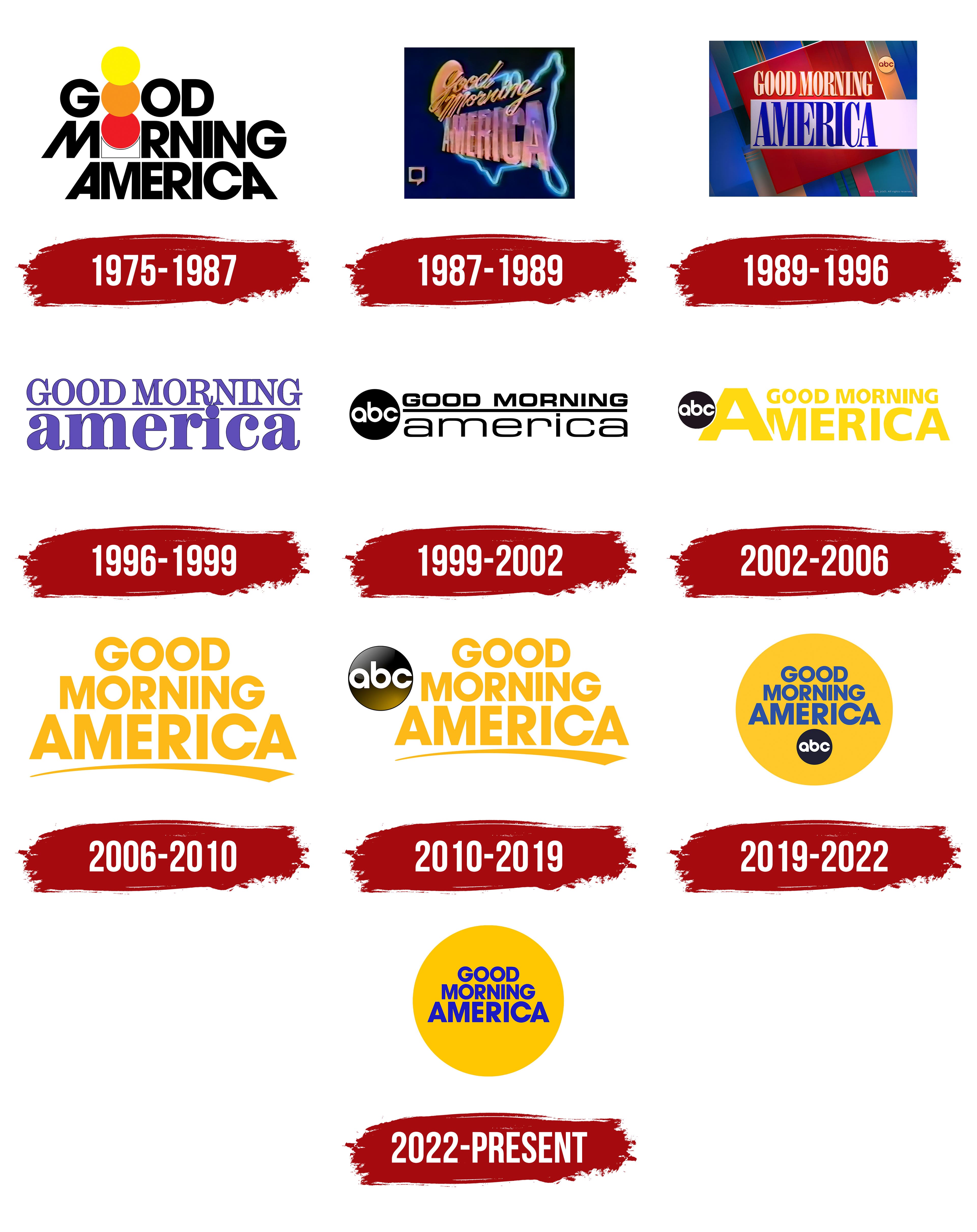
The Evolution of Good Morning America Reporters: From David Hartman to the Digital Era
Since its 1975 debut, the evolution of reporters on Good Morning America (GMA) has shifted from a cozy, conversational "living room" format to a high-energy, multi-platform news machine. Originally led by David Hartman, the roster evol...
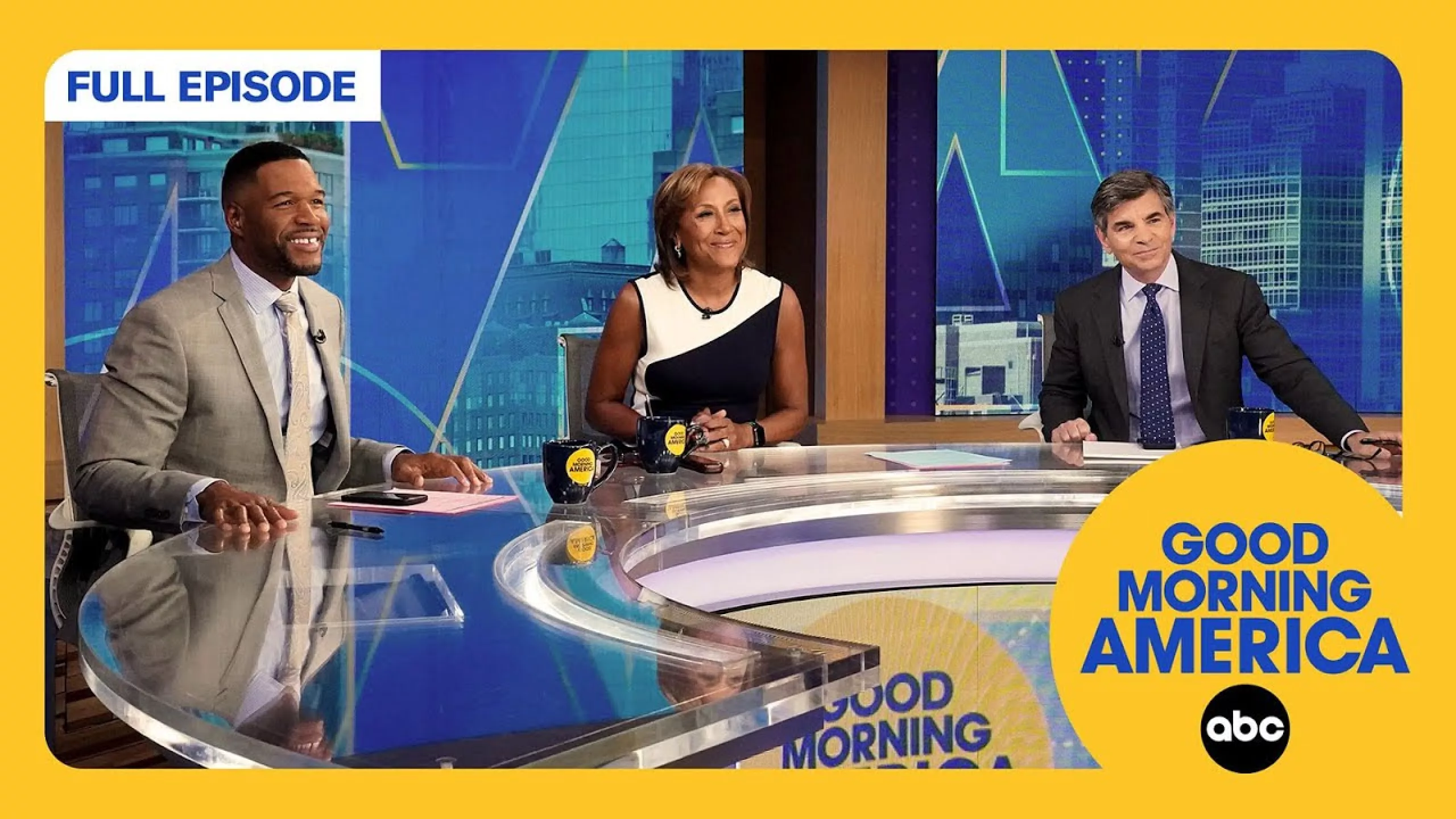
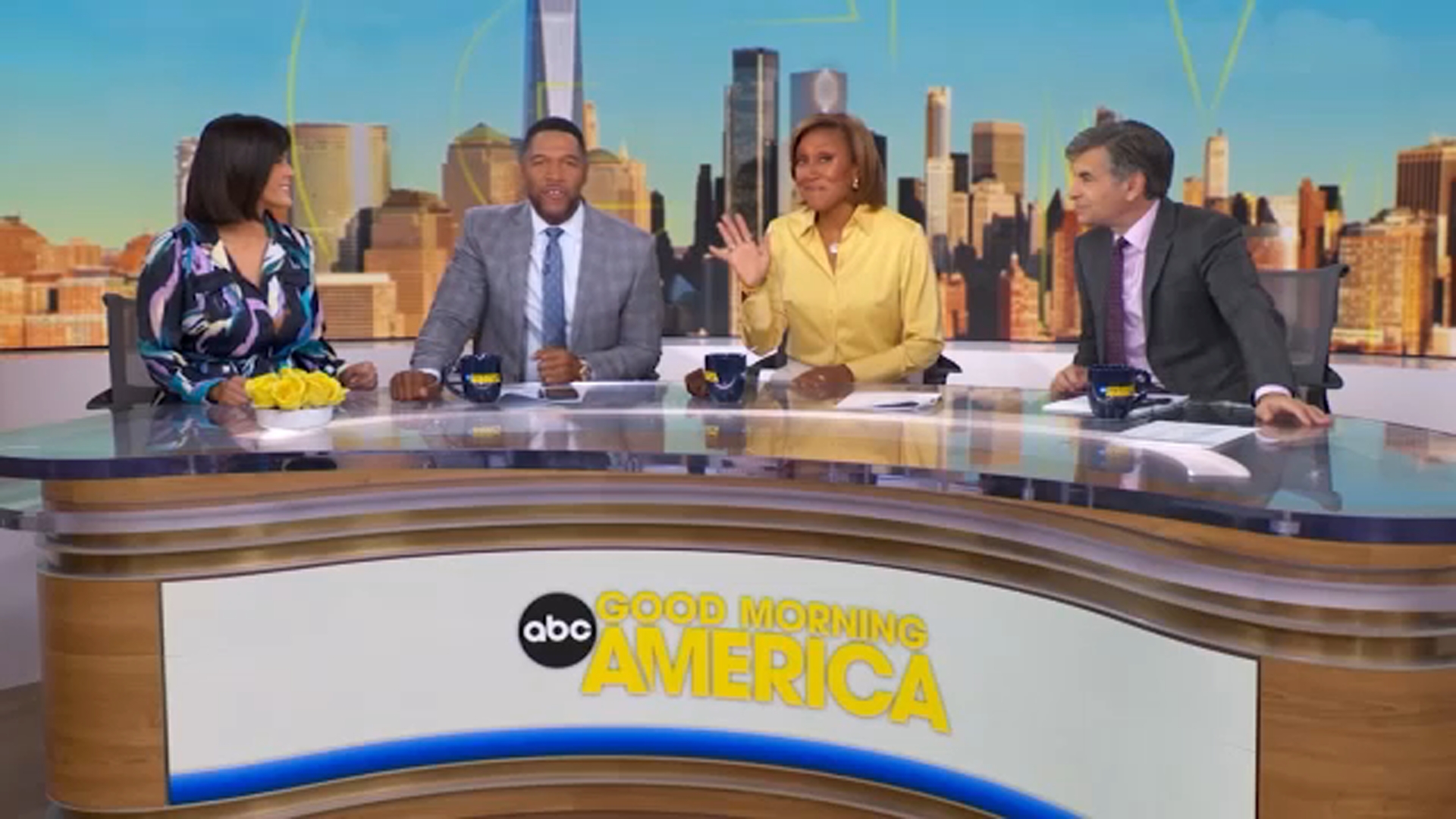
Since its 1975 debut, the evolution of reporters on Good Morning America (GMA) has shifted from a cozy, conversational "living room" format to a high-energy, multi-platform news machine. Originally led by David Hartman, the roster evolved through the iconic Gibson-Lunden era to today’s diverse, digital-first ensemble featuring Robin Roberts, George Stephanopoulos, and Michael Strahan.
Contents
The Genesis of the "GMA Family" (1975–1980)
When ABC launched Good Morning America in November 1975, it was a radical departure from the established hard-news format of NBC’s Today show. The evolution of reporters during this period was defined by a search for "relatability" over traditional journalistic sterness.
David Hartman, an actor rather than a career journalist, was selected as the first host. This choice was intentional; ABC wanted someone who felt like an intellectual neighbor rather than a detached news anchor. Hartman’s style was conversational and inquisitive, setting the tone for what would become the "GMA Family" brand. Alongside him, Nancy Dussault and later Sandy Hill served as co-hosts, but their roles were initially more limited, often focusing on lifestyle and human-interest segments.
This era established the blueprint for the morning news "ensemble." Unlike the solo-anchor desks of evening news, GMA reporters were expected to interact with one another, sharing coffee and banter. This necessitated a specific type of reporter: one who possessed "soft-news" charisma while maintaining enough credibility to handle breaking updates from the ABC News desk.
The Golden Era of Stability: Lunden and Gibson (1980–1999)
The 1980s and 1990s represented the most stable period in the evolution of GMA reporters. Joan Lunden joined the show in 1980, and her partnership with Charles Gibson, who joined in 1987, became the gold standard for morning television.
The Rise of the Journalist-Parent
During this era, the reporting style shifted toward a "trusted parent" archetype. Lunden and Gibson weren't just reporting the news; they were experiencing life alongside their audience. Lunden’s public journey through motherhood and Gibson’s "everyman" gravitas helped the show resonate with the suburban demographic.
The reporters of this era began to specialize. We saw the rise of dedicated segments:
- Medical Reporting: Dr. Timothy Johnson became a staple, providing expert analysis on health trends.
- Consumer Advocacy: Reporters like John Stossel brought investigative elements to the morning slot.
- Weather as Entertainment: The transition from simple map-reading to personality-driven weather reporting solidified with Spencer Christian, who integrated humor and wine expertise into his segments.
The Hard-News Pivot and the Battle for #1 (2000–2012)
By the late 1990s, GMA had fallen behind in the ratings. The evolution of its reporters took a sharp turn toward heavy-hitting journalism to compete with the Today show’s dominance. This period saw the introduction of Diane Sawyer, a powerhouse of ABC News, alongside a returning Charles Gibson.
The Sawyer-Roberts Synergy
In 2005, Robin Roberts was promoted to co-anchor. Her evolution from an ESPN sportscaster to the "heart of GMA" changed the show's reporting DNA. Roberts brought an athletic energy and a deep sense of empathy, which proved vital during the coverage of Hurricane Katrina and her own subsequent health battles.
When George Stephanopoulos joined in 2009, the reporting style shifted again. As a former political strategist, Stephanopoulos brought a rigorous, analytical approach to the anchor desk. This created a balanced "Reporting Trifecta":
- Stephanopoulos: Hard politics and global affairs.
- Roberts: Human interest and cultural touchstones.
- The News Desk: Now a permanent fixture, often led by reporters like Josh Elliott, who bridged the gap between news and sports.
The Modern Era: Diversification and Multi-Platform Reporting (2013–2026)
As of 2026, the evolution of GMA reporters reflects a broader shift in how media is consumed. The role of the "reporter" is no longer confined to a two-hour morning window on television.
The Inclusion of Entertainment Heavyweights
The addition of Michael Strahan in 2016 signaled a move toward a more "infotainment" focused reporting style. Strahan’s background in professional sports and talk shows allowed GMA to dominate in celebrity interviews and high-energy live events. This diversification was necessary to keep younger audiences engaged who were increasingly turning to social media for news.
Specialization and Field Reporting
In the current decade, the "General Assignment" reporter has largely been replaced by specialists. GMA’s reporting roster now includes:
- Chief Meteorologist Ginger Zee: Whose reporting has evolved from weather forecasting to deep-dive climate science and disaster coverage.
- Tech and Consumer Reporters: Figures like Becky Worley provide actionable data on cybersecurity and digital trends.
- Social Media Correspondents: Reporters now act as their own producers, filming "behind-the-scenes" content for TikTok and Instagram to supplement their on-air reporting.
| Era | Primary Anchors/Reporters | Reporting Focus | Key Cultural Shift |
|---|---|---|---|
| 1975–1986 | David Hartman, Nancy Dussault | Conversational, Lifestyle | The "Living Room" Concept |
| 1987–1998 | Joan Lunden, Charles Gibson | Family-centric, Stability | The Trusted Parent Archetype |
| 1999–2009 | Diane Sawyer, Robin Roberts | Hard News, Investigative | Competitive Journalism |
| 2010–2020 | Roberts, Stephanopoulos, Strahan | High Energy, Infotainment | The Multi-Host Ensemble |
| 2021–2026 | Roberts, Stephanopoulos, Zee, Benitez | Digital-First, Diverse, Specialized | Climate, Social, and Tech Focus |
Technical Shifts in Field Reporting
The evolution of GMA reporters is also a story of technical advancement. In the 1970s, field reporters relied on bulky film cameras and long turnaround times. By 2026, the reporter’s toolkit has changed the nature of the "live shot":
- Backpack Live-Units: The reliance on satellite trucks has diminished. Reporters now use bonded cellular technology (like LiveU) to broadcast in 4K from almost anywhere in the world.
- Citizen Journalism Integration: Reporters now curate and verify viewer-submitted footage in real-time, making the audience part of the reporting team.
- Personal Branding: Reporters are now expected to maintain a 24/7 digital presence. The evolution has moved from "ABC News Correspondent" to "Media Personality with a Personal Brand," where the reporter’s personal values and life experiences are often part of the story.
Controversies and Transitions
No evolution is without its friction. The GMA reporter roster has seen significant turnover due to internal shifts and scandals. The high-profile exits of Amy Robach and T.J. Holmes in the early 2020s highlighted the risks of the "GMA Family" brand. When reporters become the story, the show’s credibility is tested.
However, the show’s ability to pivot—introducing younger, diverse faces like Gio Benitez, Whit Johnson, and Janai Norman—shows a resilience in the casting strategy. These reporters represent a more globalized and digitally savvy generation, capable of transitioning between a breaking war zone and a viral cooking segment without losing the audience's trust.
Frequently Asked Questions
Who is the longest-serving reporter on Good Morning America?
Robin Roberts holds the record for one of the longest tenures in the show's modern history, having joined as a contributor in 1995 and becoming a co-anchor in 2005. Her presence has defined the show's identity for over two decades.
How has the diversity of GMA reporters changed over time?
In its early years, the reporting team was predominantly white. Since the early 2000s, ABC has made a concerted effort to diversify its roster. Today, the team features a wide range of racial, ethnic, and LGBTQ+ perspectives, which has allowed the show to cover stories with greater cultural nuance.
What is the difference between a "Host" and a "Correspondent" on GMA?
A Host (or Anchor) typically remains in the Times Square studio, guiding the program and interviewing guests. A Correspondent is a field reporter who travels to the scene of news events. In 2026, these lines are blurred, as anchors frequently travel for "On the Road" segments and correspondents often fill in at the anchor desk.
Why did GMA shift away from actor-hosts to professional journalists?
The shift occurred because the morning news landscape became hyper-competitive. While David Hartman's actor background worked for the show's "cozy" launch, the demand for instant, credible analysis of global events required trained journalists like George Stephanopoulos and Diane Sawyer to maintain the network's authority.
How does the 2026 reporting style differ from the 2010s?
The current reporting style is significantly more interactive. Reporters now use augmented reality (AR) in the studio to visualize data and rely heavily on "vertical video" storytelling techniques to cater to viewers watching on mobile devices while commuting.
Practical Recommendation for Viewers
To truly appreciate the evolution of GMA reporters, viewers should look beyond the main anchor desk. Pay attention to the specialized correspondents (such as those on the "GMA Investigates" team). Their reporting often provides the most depth and demonstrates how ABC News integrates traditional investigative journalism into a morning entertainment format. If you are interested in the history of broadcast media, the ABC News Archive offers curated clips from the Hartman and Lunden eras, providing a fascinating look at how far the "morning conversation" has come.
Image Gallery