Comprehensive Analysis of Timon and Pumbaa Rome Alone Episode Details
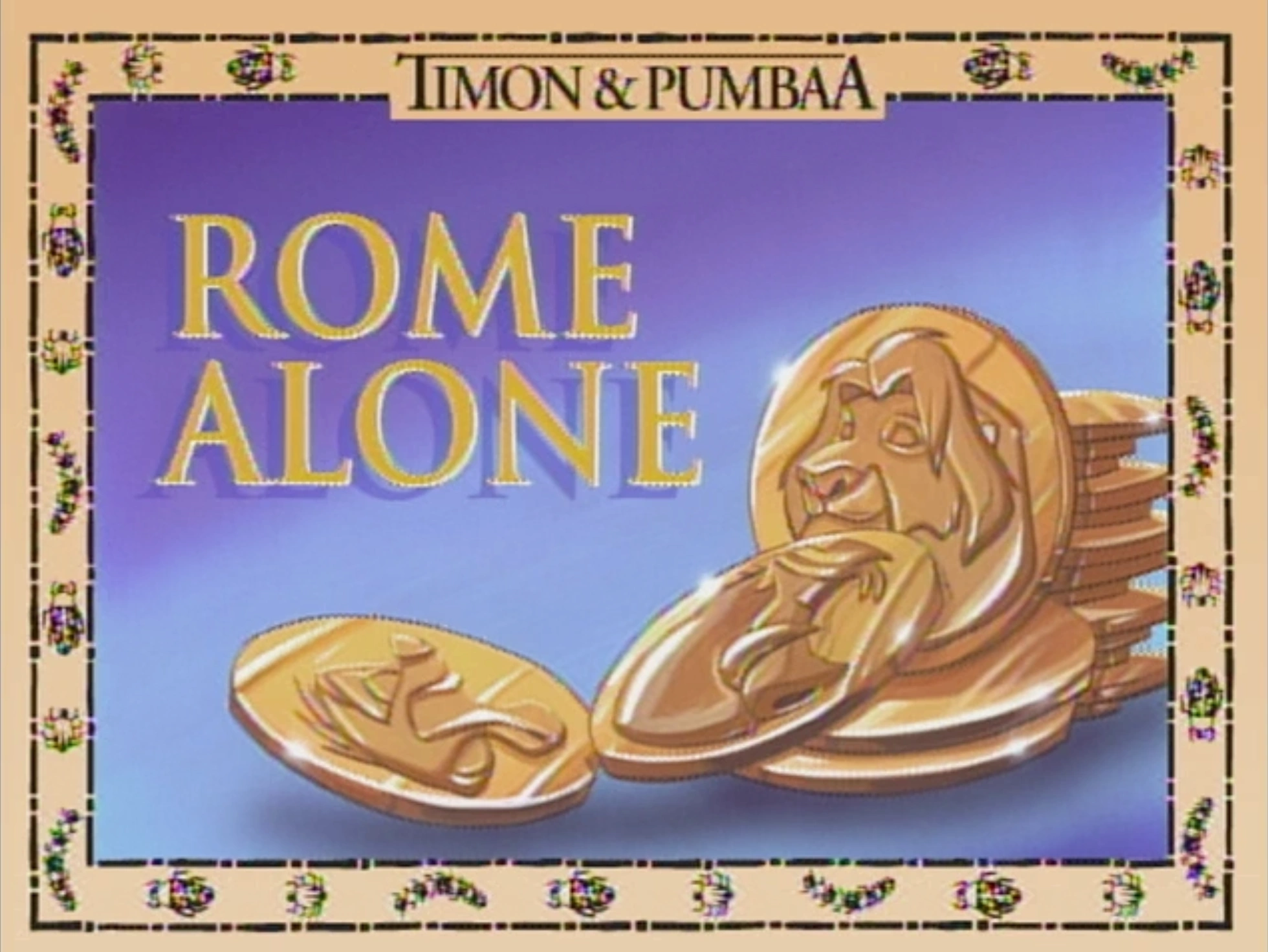
Timon and Pumbaa features an episode titled "Rome Alone," which follows the classic comedic misadventures of the beloved meerkat and warthog duo as they navigate historical and urban mishaps in ancient Rome, showcasing their dynamic re...
Timon and Pumbaa features an episode titled "Rome Alone," which follows the classic comedic misadventures of the beloved meerkat and warthog duo as they navigate historical and urban mishaps in ancient Rome, showcasing their dynamic relationship through slapstick humor, iconic musical stylings, and distinct narrative pacing typical of the mid-1990s animated television landscape.
Contents
Introduction to The Timon and Pumbaa Series and "Rome Alone"
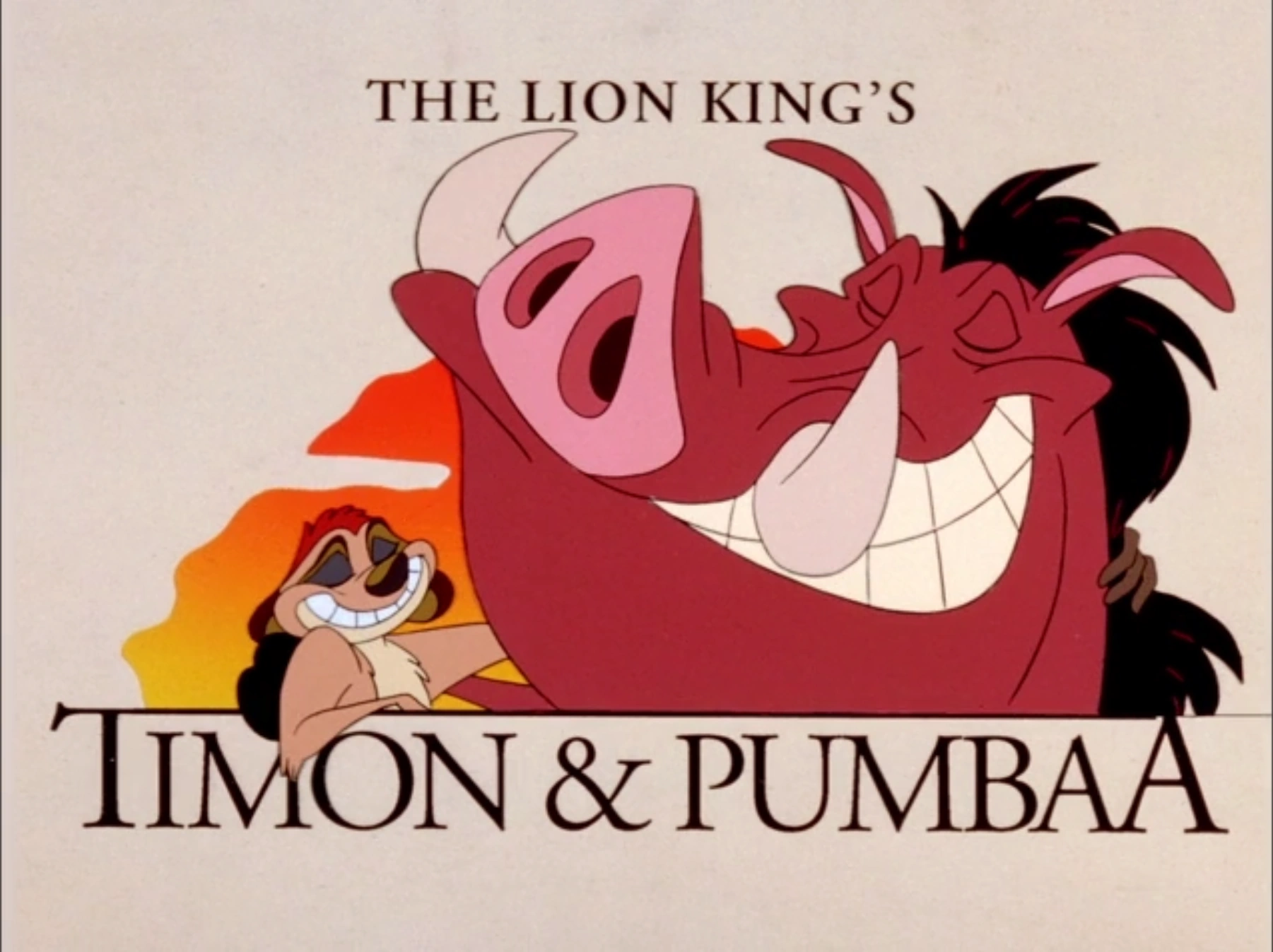
The animated television series The Lion King's Timon & Pumbaa expanded the universe of Disney’s 1994 animated masterpiece, The Lion King, by shifting the spotlight to its most eccentric comedic relief characters. Running primarily from 1995 to 1999 across multiple networks and syndication blocks, the show discarded the majestic savanna of the Pride Lands in favor of eclectic, global settings. Timon and Pumbaa traveled everywhere from urban jungles to snowy mountains and historical epochs. Among its diverse catalog of globetrotting episodes, "Rome Alone" stands out as a thematic and geographical exploration of ancient Italy, blending classic historical tropes with the surreal, character-driven comedy that defines the duo.
Disambiguating this title is essential for animation historians and casual viewers alike. While the title itself is a clear pun on the blockbuster live-action holiday comedy Home Alone released earlier in the decade, the narrative inside the episode deals strictly with ancient Roman architecture, societal structures, and gladiatorial combat seen through an exaggerated, anthropomorphic lens. Understanding the intricate production details, character dynamics, voice cast, and structural breakdown of "Rome Alone" requires a deep dive into how Disney Television Animation adapted its feature-film characters into standard 11-minute serialized television formats during the mid-1990s.
Production Background and Animation Style
During the production of The Lion King's Timon & Pumbaa, Walt Disney Television Animation utilized a decentralized production pipeline. Episodes were storyboarded domestically in the United States while various segments of animation production were outsourced to international studios, including Walt Disney Animation Australia, Toon City Animation in the Philippines, and Wang Film Productions in Taiwan. This approach allowed the studio to maintain a consistent output of fast-paced, visually dynamic shorts.
The visual style of "Rome Alone" relies heavily on exaggerated squash-and-stretch animation, dynamic facial expressions, and vibrant background paintings that evoke a stylized version of the Roman Empire rather than a historically accurate depiction. The color palette incorporates sun-bleached terracotta tiles, deep Mediterranean blues, and marble whites, creating a visually distinct backdrop for the chaotic slapstick.
Key Production Elements of the Era
- Storyboard-Driven Narrative: Like many television shorts of the period, the script for "Rome Alone" was heavily dependent on visual gag execution, where timing and physical comedy took precedence over heavy exposition.
- Music and Sound Design: The episode features specialized comedic sound effects coupled with instrumental variations of classical motifs and signature Timon and Pumbaa musical cues.
- Format Structure: As a standard half-hour slot usually contained two distinct segments or a pairing of longer shorts, "Rome Alone" was engineered to maintain high engagement within a concise runtime window.
Character Dynamics and Voice Cast in "Rome Alone"
The core appeal of any Timon and Pumbaa story rests entirely on the interplay between Timon's hyperactive, self-serving, and neurotic personality and Pumbaa's loyal, gentle, yet surprisingly resourceful nature. In "Rome Alone," these traits are tested by the rigid, imposing structures of Roman civilization.
- Timon: Voiced by Nathan Lane in the original film, the television series saw Kevin Schon take over the role for a significant portion of the run, bringing a fast-talking, pitch-perfect energy to the neurotic meerkat. In "Rome Alone," Timon's primary motivation is finding comfort, food, and absolute leisure, which inevitably leads him into schemes that backfire spectacularly.
- Pumbaa: Voiced by Ernie Sabella, who reprised his iconic role from the feature film for the entirety of the series. Pumbaa serves as the emotional anchor and unwitting catalyst for physical chaos. His size and strength contrast sharply with Timon's vulnerability, creating classic physical comedy setups.
In this specific episode, the duo finds themselves separated or at odds due to a misunderstanding of Roman customs, forcing them to adapt to the grueling realities of ancient societal expectations, such as forced labor or gladiatorial entertainment, while attempting to reunite.
Plot Breakdown and Structural Analysis
While structured around short-form comedic pacing, "Rome Alone" follows a reliable narrative arc divided into distinct phases: the setup, the escalation of conflict, the climax, and the resolution.
| Narrative Phase | Plot Development & Action |
|---|---|
| Setup | Timon and Pumbaa arrive in ancient Rome, instantly clashing with local laws, architecture, and authorities. |
| Escalation | A series of misunderstandings leads to capture, forced labor, or an accidental entry into the Colosseum arena. |
| Climax | The duo must utilize their wits, slapstick survival tactics, and trademark teamwork to escape imminent danger. |
| Resolution | Having narrowly survived, Timon and Pumbaa abandon Rome in search of a quieter, bug-rich environment. |
The Setup: Arrival in the Eternal City
The episode opens with Timon and Pumbaa wandering into the perimeter of the Roman Empire. True to their philosophy of Hakuna Matata, their primary goal is locating a fresh supply of grubs and a comfortable place to rest. However, the monolithic stone structures, strict centurion guards, and bustling city streets prove hostile to two savannah-dwelling foragers. Timon attempts to exploit the system for free food, quickly drawing the ire of local authorities.
The Escalation: Gladiatorial Misadventures
The middle act escalates the tension through classic chase mechanics. Through a series of misadventures—often triggered by Pumbaa's sheer bulk inadvertently destroying public property or historical monuments—the duo is captured. They are thrust directly into the heart of Roman entertainment: the Colosseum. Here, the episode leans into historical tropes, transforming gladiatorial combat into a surreal cartoon spectacle where Timon and Pumbaa must face off against formidable obstacles, fierce opponents, or wild beasts using only their wits and environmental hazards.
The Climax and Resolution
The climax features a frantic escape sequence involving chariots, collapsing columns, and frantic sprints through the streets of Rome. As is customary for the series, the danger is resolved more through dumb luck and cartoon physics than tactical brilliance. The episode closes with the duo escaping the city limits, reflecting on their brief, chaotic encounter with ancient civilization before marching off toward their next surreal destination.
Thematic Elements and Cultural References
The Lion King's Timon & Pumbaa was renowned for breaking the fourth wall, utilizing pop-culture references, and playing with historical anachronisms. "Rome Alone" is no exception.
- The Title Play: The obvious nod to Home Alone sets an expectation of traps, isolation, and inventive defense mechanisms, though inverted here as the characters try to escape an enclosed urban space rather than defend a home.
- Satirical Historical Tropes: The depiction of Roman soldiers as rigid bureaucrats obsessed with order mirrors modern corporate or military satire, making the cartoon accessible to both children and adult viewers.
- Survivalism vs. Leisure: The underlying tension of the episode highlights Timon's obsession with luxury contrasted against Pumbaa's down-to-earth survival instincts.
Frequently Asked Questions
What is the main premise of the "Rome Alone" episode?
"Rome Alone" follows Timon and Pumbaa as they travel to ancient Rome, where their typical quest for food and relaxation turns into a chaotic survival ordeal involving Roman guards, historical architecture, and the Colosseum.
Which voice actors portray Timon and Pumbaa in the television series?
While Nathan Lane voiced Timon in the original 1994 film, Kevin Schon primarily voiced Timon for the television series. Ernie Sabella reprised his role as Pumbaa for both the film and the entire run of the animated show.
How does "Rome Alone" connect to the broader Timon and Pumbaa series?
The episode fits into the show's format of placing the iconic duo into distinct international or historical settings, emphasizing travel, cultural satire, and physical slapstick comedy rather than direct continuity with The Lion King canon.
Is "Rome Alone" a parody of any specific media?
Yes, the title is a direct comedic reference to the 1990 live-action film Home Alone, though the actual plot focuses on ancient Roman history and gladiatorial arenas rather than home defense.
Where can viewers watch "Rome Alone" today?
Depending on regional availability and licensing updates, episodes of The Lion King's Timon & Pumbaa are periodically made available for streaming on Disney+ or via digital purchase platforms.
Conclusion and Recommended Next Actions
For animation enthusiasts, retro television researchers, and fans of Disney's classic 1990s output, "Rome Alone" remains a prime example of how secondary film characters were successfully transitioned into flexible, episodic formats. To explore this episode further, verify current streaming catalog availability on Disney+, consult animation production databases for specific crew credits, or review contemporary episode guides cataloging the complete broadcast history of The Lion King's Timon & Pumbaa.
Image Gallery