The Beth Voice in Rick and Morty: Sarah Chalke’s Definitive Performance
The character of Beth Smith in the hit Adult Swim series Rick and Morty is voiced by the talented Canadian-American actress Sarah Chalke. Since the show’s debut in 2013, Chalke has provided the voice for Rick Sanchez’s daughter, bringi...
The character of Beth Smith in the hit Adult Swim series Rick and Morty is voiced by the talented Canadian-American actress Sarah Chalke. Since the show’s debut in 2013, Chalke has provided the voice for Rick Sanchez’s daughter, bringing a unique blend of intellectual coldness, maternal vulnerability, and dry wit to the role.
Contents
As of 2026, Sarah Chalke remains the definitive voice of Beth, having navigated the character through multiple reality shifts, a literal cloning crisis, and significant cast changes within the series. Her performance is widely cited by critics as the emotional anchor of the Smith household, providing a grounded contrast to the high-concept sci-fi chaos surrounding her.
The Identity Behind Beth Smith: Who is Sarah Chalke?
To understand the voice of Beth, one must look at the veteran career of Sarah Chalke. Before entering the recording booth for Rick and Morty, Chalke was already a household name in live-action television. She is perhaps most famous for her role as Dr. Elliot Reid on the long-running medical comedy Scrubs, where she honed her timing for fast-paced, neurotic dialogue—a skill that translates perfectly to the high-speed scripts of Rick and Morty.
Chalke also gained fame for her role as Becky Conner on Roseanne and her leading role in the Netflix drama Firefly Lane. Her transition into voice acting for Rick and Morty allowed her to explore a darker, more cynical side of her acting range. Unlike her previous roles, which often leaned into frantic energy or sincerity, Beth Smith requires a "calculated exhaustion." Chalke delivers Beth’s lines with a precision that suggests the character is always the smartest person in the room—second only to her father.
In the recording studio, Chalke has often discussed the physical nature of her performance. Despite being a voice-over role, she frequently uses expressive gestures to capture Beth’s dismissive attitude and deep-seated insecurities. This dedication ensures that even when Beth is being cruel to her husband, Jerry, there is a layer of tragic relatability that keeps the audience invested in her journey.
The Evolution of the Beth Voice: From Housewife to Space Warrior
Beth Smith has undergone one of the most significant character arcs in modern animation, and Sarah Chalke’s vocal performance has evolved alongside her. In the early seasons, Beth’s voice was characterized by a domestic weariness. She was a horse heart surgeon struggling to balance her professional aspirations with a mundane suburban life.
As the series progressed, particularly into the middle seasons and the recent developments seen by 2026, the voice took on a sharper, more authoritative edge. This shift reflects Beth’s acceptance of her "Rick-like" tendencies—her ego, her penchant for violence, and her nihilistic worldview. Chalke manages this transition by subtly deepening Beth’s register and slowing down her delivery during moments of confrontation, making her sound more like her father, Rick Sanchez.
The Challenge of Space Beth
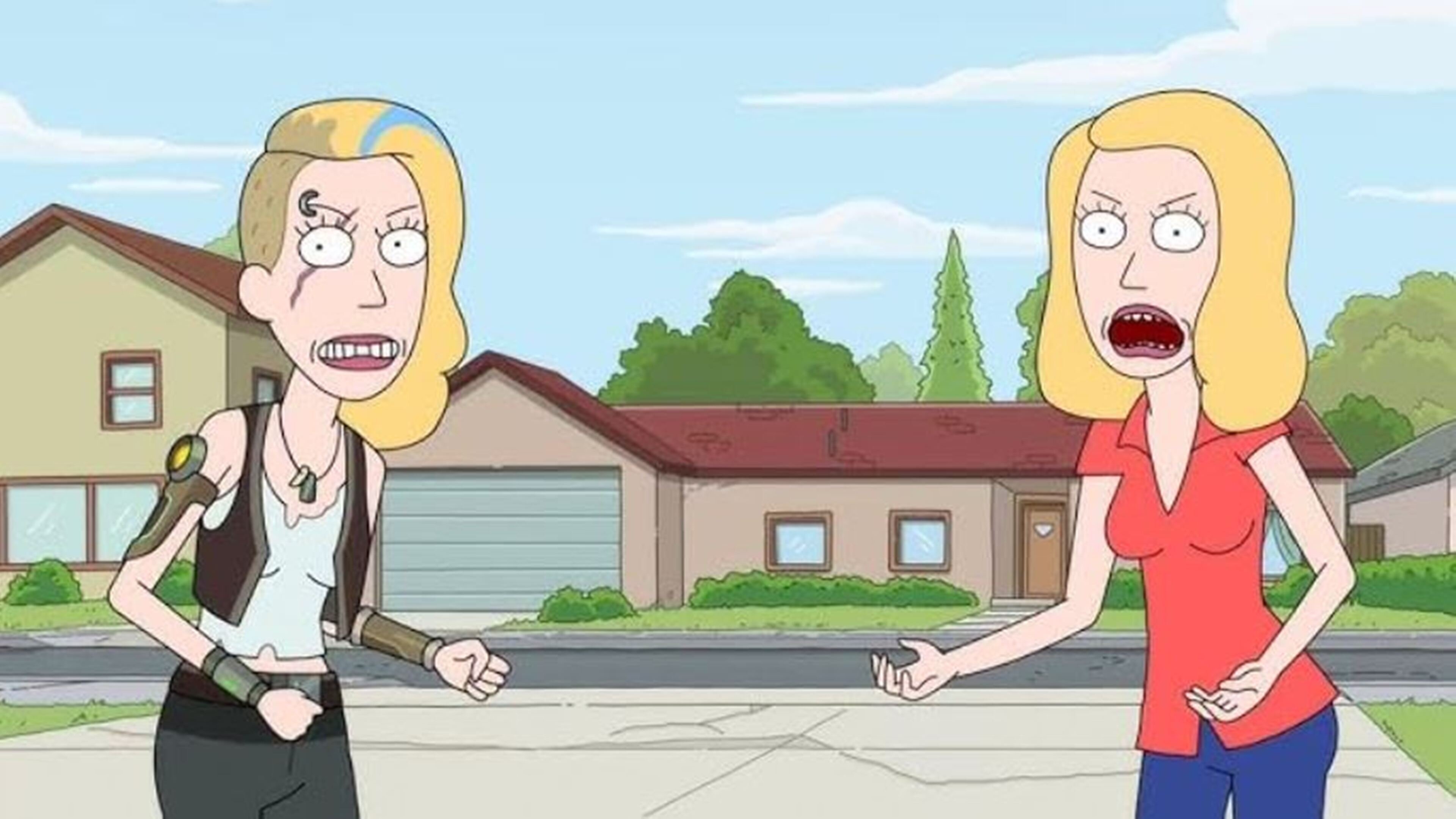
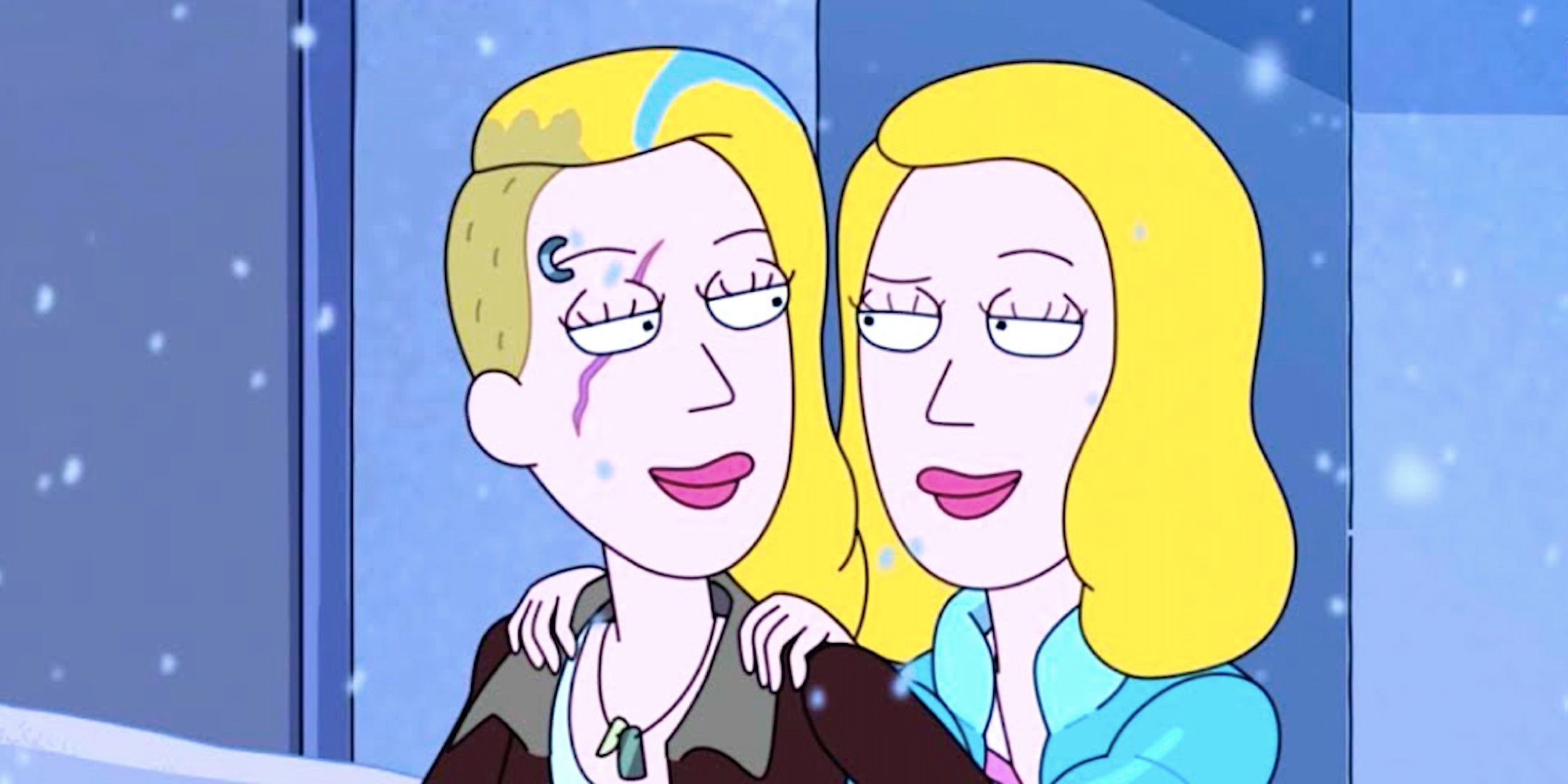
The introduction of "Space Beth" (the version of Beth who left Earth to become a galactic rebel) presented a unique technical challenge for Chalke. She was tasked with voicing two versions of the same character, often in the same scene.
- Domestic Beth: Higher pitch, more reactive, and often sounding defensive or seeking approval.
- Space Beth: Lower pitch, calmer, more assertive, and possessing a world-weary gravel in her voice.
By 2026, fans have come to appreciate how Chalke uses micro-inflections to distinguish between the two. Space Beth speaks with a rhythmic certainty that Domestic Beth lacks. This duality is a testament to Chalke's range, as she essentially performs a duet with herself, maintaining the core "Beth-ness" while signaling two vastly different life paths.
Technical Execution and Recording Process
Voice acting for a show as fast-paced as Rick and Morty requires immense technical proficiency. The scripts are often dense with scientific jargon, rapid-fire insults, and overlapping dialogue. Sarah Chalke’s background in sitcoms, where timing is everything, serves as her greatest asset here.
The recording process for Rick and Morty involves several layers. While some sessions are done in person to foster chemistry between the cast members, much of the work involves "wild" takes where the actor records multiple variations of a single line. Chalke is known for her ability to provide "A, B, and C" versions of a joke—one dry, one emotional, and one absurd—giving the editors the flexibility to shape Beth’s reaction based on the final animation.
Furthermore, Beth’s voice must harmonize with the rest of the Smith family. Chalke’s performance is specifically calibrated to play off Chris Parnell’s (Jerry Smith) whimpering tones and the high-pitched anxiety of Morty. Her chemistry with the voice of Rick (originally Justin Roiland, and later Ian Cardoni from Season 7 onwards) is crucial, as the father-daughter dynamic is the psychological core of the show.
Comparison of Beth Smith with Sarah Chalke’s Iconic Roles
| Feature | Beth Smith (Rick and Morty) | Elliot Reid (Scrubs) | Kate Mularkey (Firefly Lane) |
|---|---|---|---|
| Primary Tone | Cynical, Intellectual, Cold | Neurotic, High-Energy, Sweet | Sincere, Loyal, Emotional |
| Character Goal | Self-actualization and Rick's approval | Professional respect and love | Maintaining lifelong friendship |
| Vocal Register | Mid-to-Low (Controlled) | High (Frantic) | Natural/Conversational |
| Technical Focus | Deadpan delivery and "Space" variants | Physical comedy through voice | Dramatic nuance and aging |
Why Beth is the Most Complex Voice in the Series
While Rick and Morty get the most screen time, many critics argue that Beth is the most complex vocal performance in the show. This complexity stems from her "unreliable" emotional state. Beth is a character who is constantly lying to herself about her happiness and her marriage.
Sarah Chalke captures this by adding a "crack" or a slight tremor in Beth’s voice during moments of extreme stress, such as when she fears Rick might leave again. Conversely, when Beth is performing surgery or engaging in combat, Chalke adopts a "clinical coldness" that is terrifyingly similar to Rick’s. This oscillation between a vulnerable daughter and a cold-blooded genius is what makes the "Beth voice" so essential to the show's success. By 2026, this complexity has only deepened as the show explores Beth’s role in a multiverse that is increasingly hostile to her family.
Impact of the Season 7 Cast Transition
In 2023, the show underwent a major transition when Justin Roiland was replaced. While the voices of Rick and Morty changed, the supporting cast, led by Sarah Chalke, Chris Parnell, and Spencer Grammer, remained the bedrock of the series.
During this period, Chalke’s performance as Beth became even more vital. She provided a sense of continuity that helped the audience adjust to the new vocal dynamics. By maintaining her established tone and character beats, she ensured that the "family feel" of the show remained intact, even as the lead characters evolved. Her veteran presence in the booth acted as a bridge between the show's origins and its current era in 2026.
Frequently Asked Questions
Has the voice of Beth ever changed?
No, the voice of Beth Smith has been played by Sarah Chalke since the pilot episode. While other characters in Rick and Morty have undergone voice actor changes due to various reasons, Chalke has remained consistent throughout all seasons up to the current 2026 timeframe.
Does Sarah Chalke voice any other characters in the show?
While Sarah Chalke primarily voices Beth (and her variants like Space Beth), she occasionally provides voices for background characters or minor roles within the multiverse. However, her focus remains almost entirely on the complex development of the Beth Smith character.
How does Sarah Chalke record her lines?
Like many modern voice actors, Chalke records her lines in a professional studio environment, often separately from the other actors. She works closely with the show's directors to ensure her timing matches the intended pace of the animation, often recording numerous takes to capture the perfect balance of sarcasm and emotion.
Why does Beth sound like Rick in later seasons?
This is an intentional creative choice. As Beth accepts her heritage as Rick’s daughter, her speech patterns, vocabulary, and even her vocal cadence become more similar to his. Sarah Chalke subtly mimics Rick’s dismissive tone to show the character’s internal transformation.
Practical Recommendation for Fans and Aspiring Voice Actors
For those interested in the art of voice acting, studying Sarah Chalke’s performance in Rick and Morty is a masterclass in "character consistency." To better understand her technique, watch an episode from Season 1 immediately followed by an episode from Season 7 or 8. Pay close attention to the pacing—notice how she uses silence and sighs as much as she uses dialogue to convey Beth’s dissatisfaction.
If you are following the show in 2026, keep an eye on the credits for behind-the-scenes featurettes often released by Adult Swim. These clips frequently show the cast in the recording booth, providing a rare look at how Chalke transitions from her natural, friendly demeanor into the sharp, biting persona of Beth Smith.
Image Gallery