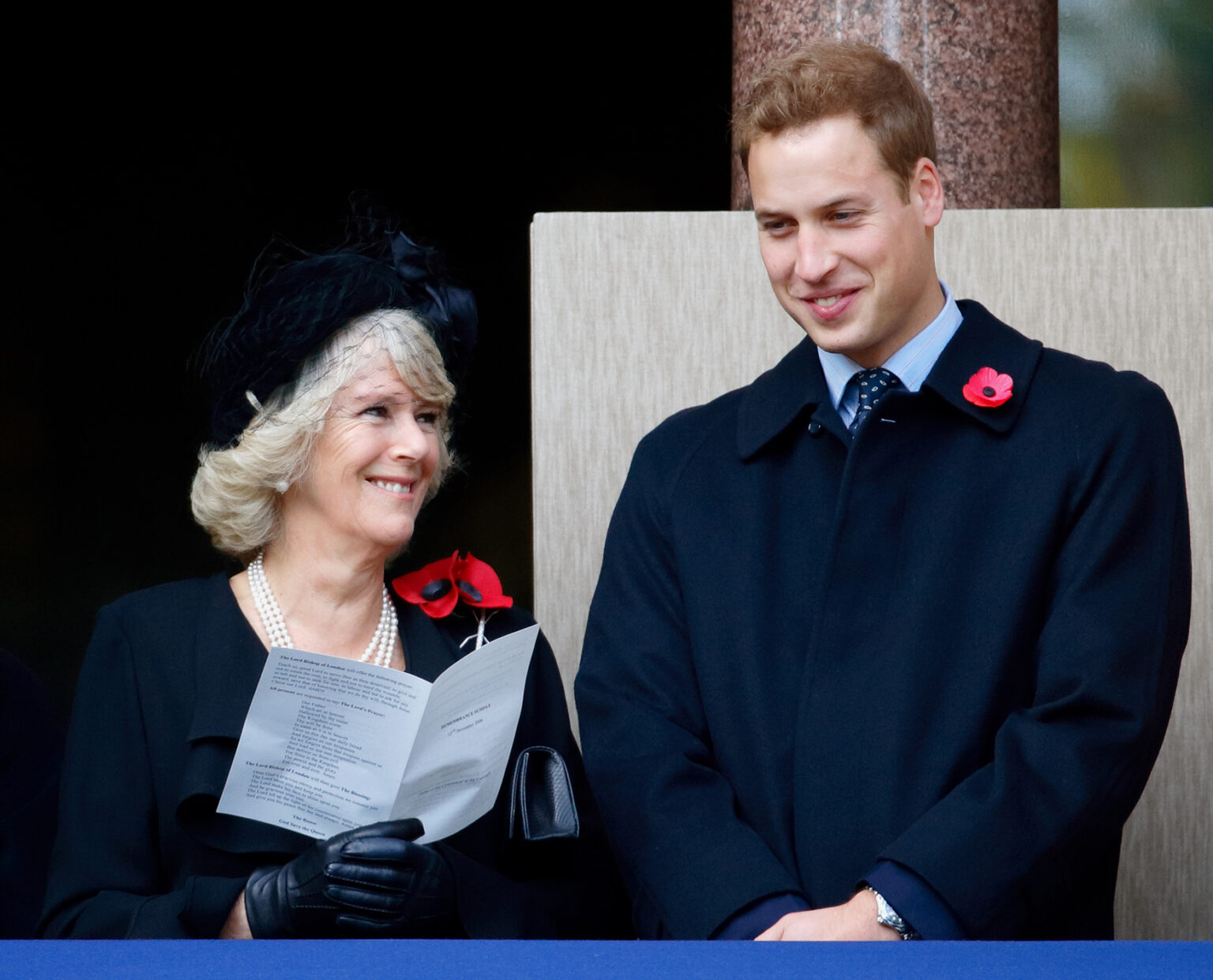
The Evolution of the Relationship Between Prince William and Queen Camilla
The relationship between Prince William and Queen Camilla has evolved from a period of profound resentment and historical tension into a stable, professional, and supportive partnership. Once characterized by the trauma of his mother’s...
The relationship between Prince William and Queen Camilla has evolved from a period of profound resentment and historical tension into a stable, professional, and supportive partnership. Once characterized by the trauma of his mother’s death and the public nature of his father’s affair, the dynamic is now defined by a shared commitment to the monarchy and mutual support during the health crises that have impacted the royal family through 2024 and 2026.
Contents
From Friction to Functional: The Historical Context
To understand the prince william and camilla relationship as it stands in 2026, one must look back at its volatile origins. In the early 1990s, Camilla Parker Bowles was widely perceived by the public—and by the young princes—as the "third person" in the marriage of Prince Charles and Princess Diana. Following Diana's tragic death in 1997, the prospect of Camilla joining the royal family was a point of significant contention.
The first formal meeting between Prince William and Camilla occurred in 1998 at St. James's Palace. Reports from that era suggest the meeting was intentional but brief, lasting only about 30 minutes. It was a strategic move choreographed by the Palace's communications team to begin the long process of "humanizing" Camilla in the eyes of the British public and the King-to-be’s children. While the meeting was described as polite, it did not immediately erase years of emotional complexity.
Throughout the late 1990s and early 2000s, William and his brother, Prince Harry, were gradually integrated into social settings with Camilla. This period was less about forging a maternal bond and more about achieving a "peaceful coexistence." William’s primary concern during these years was protecting his mother’s legacy while navigating his father’s obvious desire to formalize his relationship with the woman he loved.
The 2005 Marriage and Official Acceptance
The marriage of Charles and Camilla in April 2005 served as a definitive turning point. Prince William’s presence as a witness at the civil ceremony at Windsor Guildhall was a powerful symbol of official acceptance. By this stage, William had transitioned from a grieving teenager to a young adult who recognized that his father’s happiness was inextricably linked to Camilla’s presence.
During this era, the relationship was often described by royal biographers as "warm but distant." William did not view Camilla as a replacement for Princess Diana, and Camilla, to her credit, never attempted to fill that role. She famously took a "slow and steady" approach, allowing the princes to come to her on their own terms. This restraint is frequently cited by insiders as the reason the relationship did not collapse under the weight of public scrutiny.
The Role of Catherine, Princess of Wales
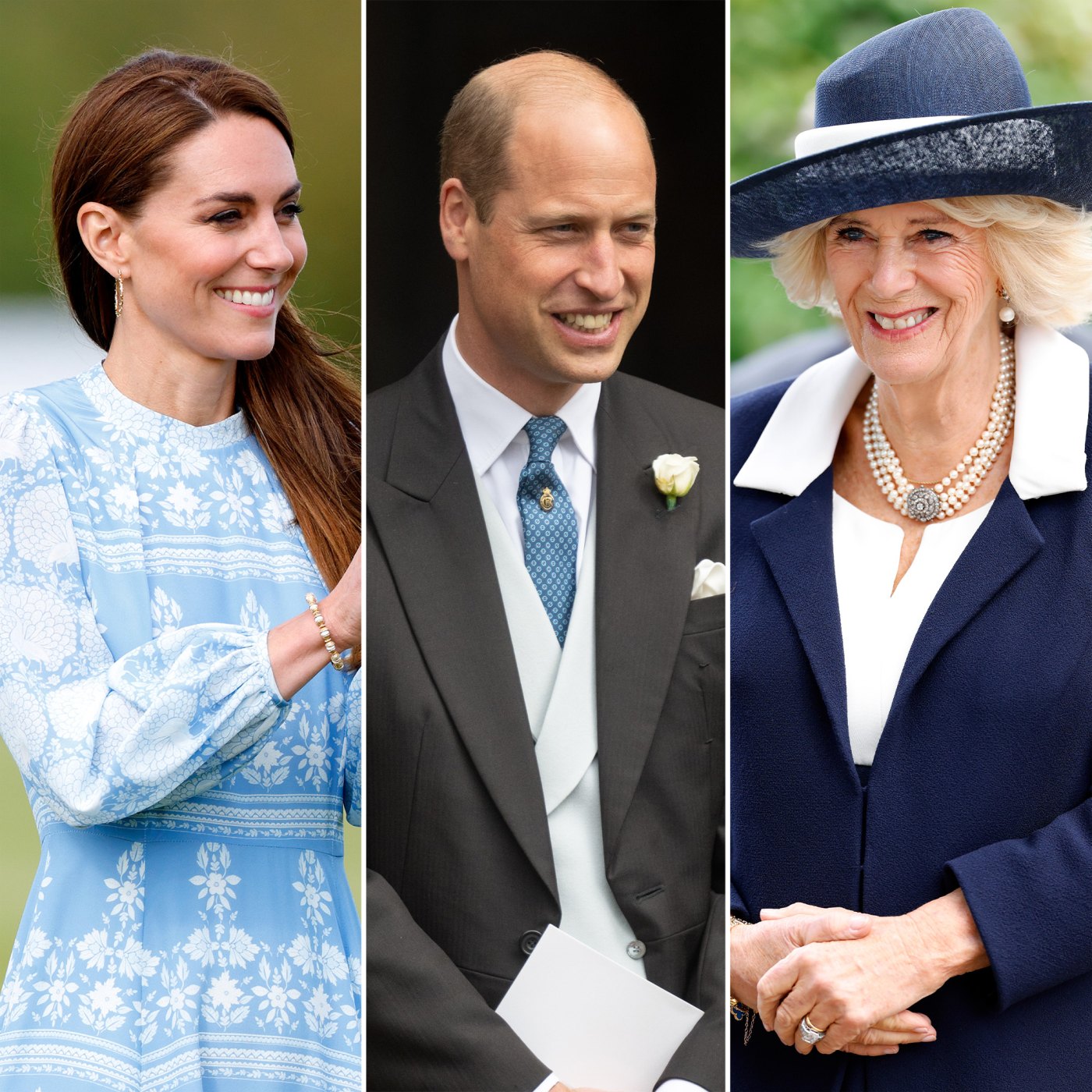
The entry of Catherine Middleton into the royal family played a significant role in softening the prince william and camilla relationship. As William and Catherine’s relationship blossomed, Catherine acted as a bridge between the different factions of the family. Her own stable upbringing and pragmatic approach to royal life helped facilitate more relaxed family gatherings.
Catherine and Camilla reportedly bonded over the shared experience of being "outsiders" who married into the core of the British monarchy. Their ability to get along well meant that William was frequently in Camilla’s company in a domestic, non-confrontational setting. By the time the Prince and Princess of Wales had children, Camilla had transitioned into the role of a supportive step-grandmother, often referred to by the children as "Gaga." This familial softening allowed William to view Camilla not as a historical antagonist, but as a stabilizing force for his father and a functional member of the extended family.
The Impact of Prince Harry’s Memoir, Spare
In 2023, the publication of Prince Harry’s memoir, Spare, cast a harsh light on the internal family dynamics. Harry explicitly labeled Camilla as "dangerous" and a "villain," accusing her of "sacrificing him on her personal PR altar." These revelations created a stark contrast between the two brothers' public and private stances regarding their stepmother.
While Prince William was reportedly "furious" about many aspects of the book, his reaction regarding Camilla was more nuanced. Rather than publicly defending her, William chose to maintain a "business as usual" approach. However, industry experts and royal observers noted that Harry’s attacks actually pushed William closer to his father and Camilla. In the hierarchy of the monarchy, William began to prioritize the stability of the institution over past grievances. The divergence in how the two brothers handled their relationship with Camilla became a defining feature of the "Great Royal Rift."
The 2024 Health Crises: A Forged Alliance
The year 2024 proved to be a seminal moment for the British monarchy. With King Charles III undergoing treatment for cancer and the Princess of Wales also managing her own cancer diagnosis, the "working" royal family was significantly thinned. This forced Prince William and Queen Camilla into a unique professional partnership.
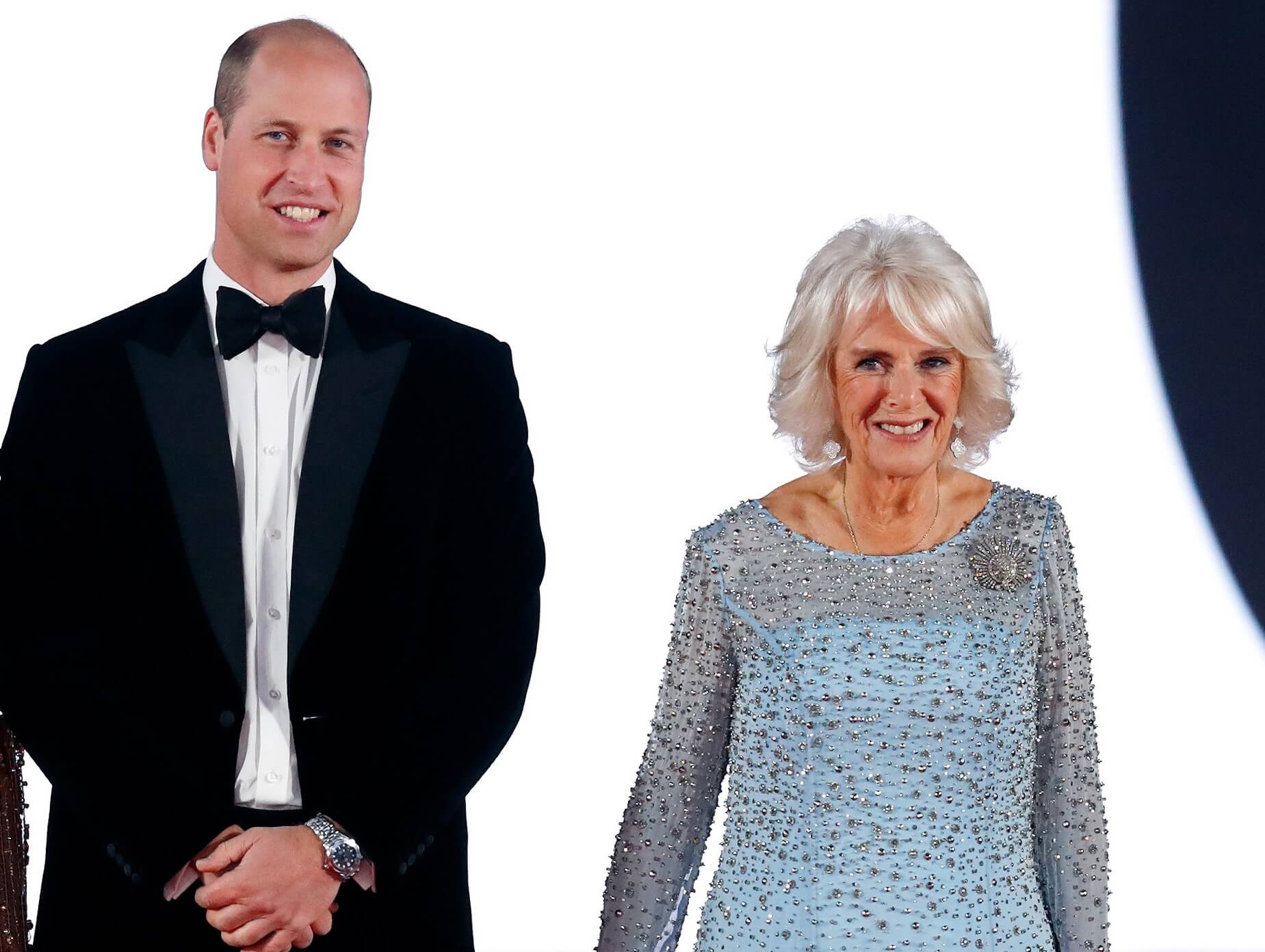
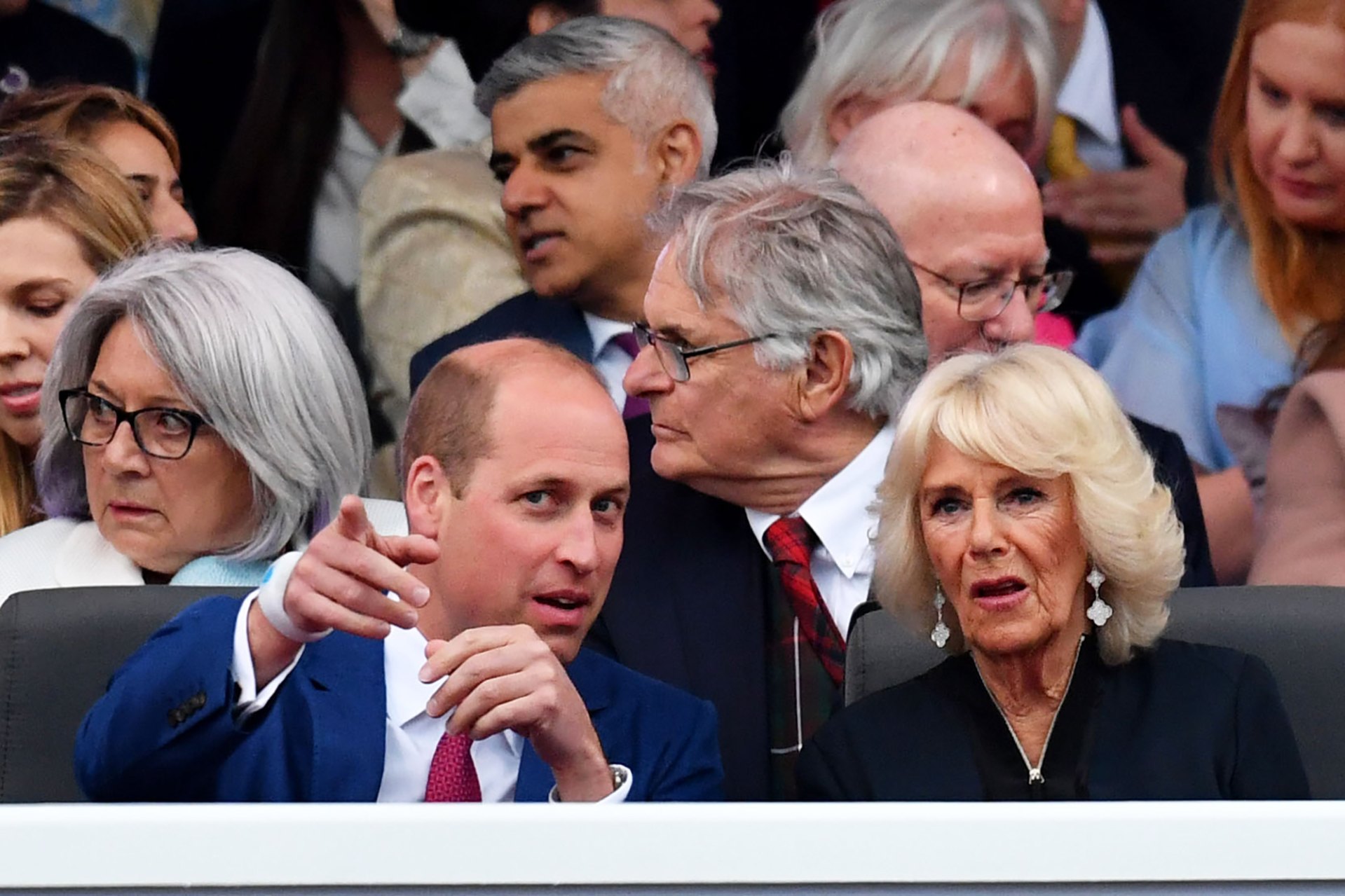
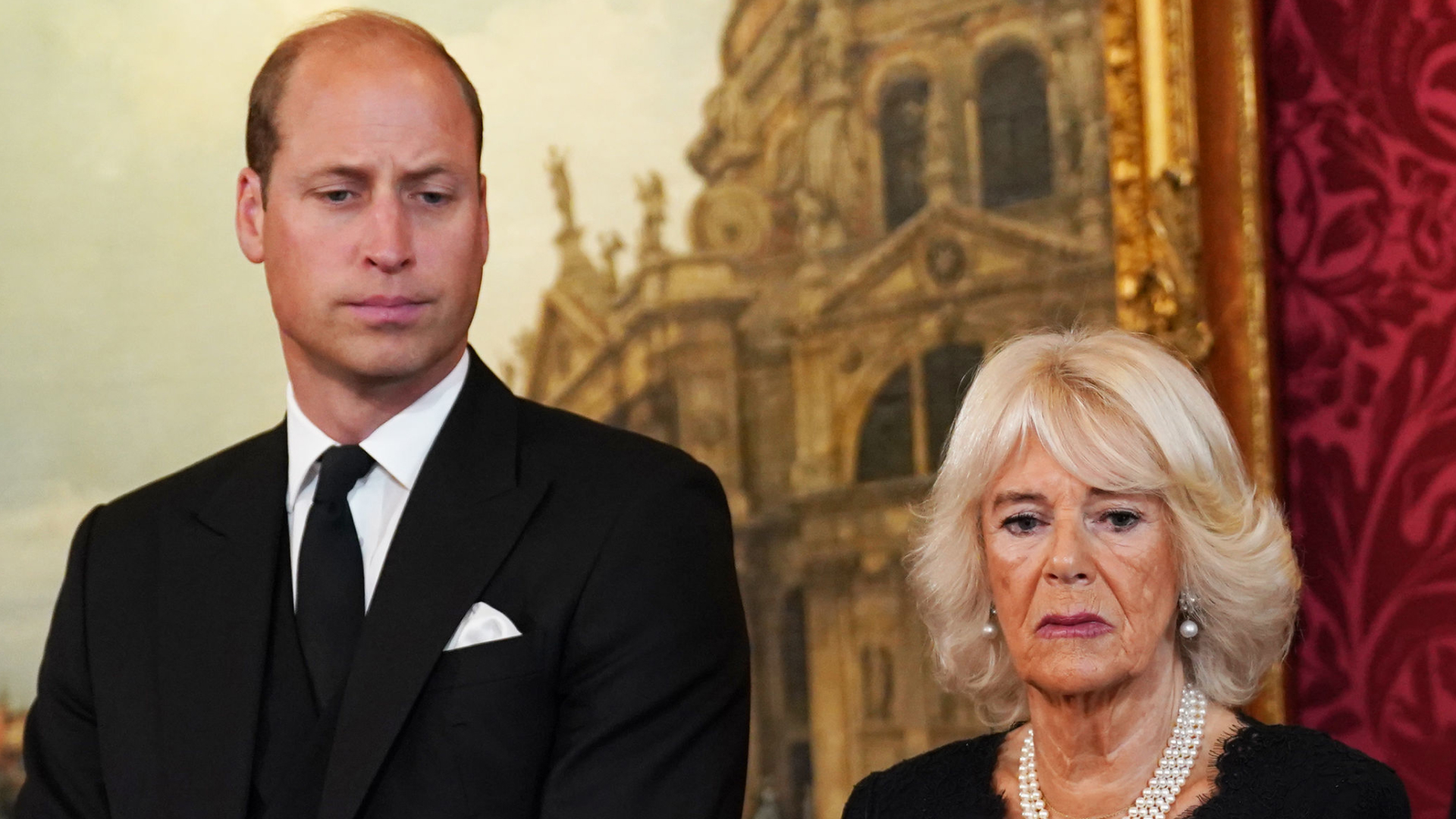
As the two highest-ranking active royals during the King's period of recuperation, William and Camilla were frequently seen leading major events together, such as the Commonwealth Day service. This period required constant communication and coordination between Kensington Palace and Buckingham Palace.
Observers noted a shift in their public body language—from polite distance to genuine mutual reliance. They were no longer just step-son and step-mother; they were the two "pillars" holding up the Crown during a period of unprecedented vulnerability. This shared burden appears to have cauterized many of the remaining old wounds, replacing them with a sense of duty and a shared "siege mentality."
Key Milestones in the William-Camilla Relationship
The following table outlines the progression of their relationship from the 1990s to the current status in 2026.
| Period | Relationship Status | Key Events & Context |
|---|---|---|
| 1992–1997 | Estranged / Hostile | The "War of the Waleses"; Public revelation of the affair. |
| 1998 | First Meeting | A private 30-minute meeting at St. James's Palace. |
| 2005 | Official Acceptance | William acts as a witness at Charles and Camilla's wedding. |
| 2011–2022 | Professional Cordiality | William and Catherine integrate Camilla into family life; "Gaga" role begins. |
| 2022 | Queen Consort Transition | William supports the Queen Consort title following Queen Elizabeth II's death. |
| 2023 | Post-Spare Unity | William sides with the institutional status quo following Harry's criticisms. |
| 2024–2026 | The Shared Burden | William and Camilla lead the monarchy during King Charles's and Catherine's illnesses. |
The Current Dynamic in 2026
As of 2026, the prince william and camilla relationship is at its most stable point in history. The transition from Queen Consort to simply "Queen Camilla" has been accepted by William without public or private protest. Their bond is now professional, pragmatic, and based on a mutual understanding of their roles in the future of the monarchy.
William is said to appreciate Camilla’s unwavering loyalty to his father. Seeing his father happy and supported during his health battles has been the primary driver for William’s continued rapprochement. While it is unlikely they will ever share the deep emotional bond of a biological mother and son, they have achieved something perhaps more valuable for the British state: a functional, high-stakes professional alliance.
Frequently Asked Questions
Does Prince William call Camilla "Mom"?
No. Prince William has never referred to Camilla as "Mom" or "Mother." This is a boundary he has maintained since childhood to honor the memory of Princess Diana. Instead, he addresses her as Camilla. His children, Prince George, Princess Charlotte, and Prince Louis, refer to her by the nickname "Gaga."
How did the Princess of Wales affect William's view of Camilla?
Catherine, Princess of Wales, acted as a significant "peacemaker." Because she did not have the emotional baggage of the 1990s royal scandals, she was able to form a fresh relationship with Camilla. Her ease with the Queen helped William see the benefit of a harmonious family dynamic, especially during holiday gatherings at Sandringham.
Did Prince William defend Camilla after Prince Harry’s book Spare?
Prince William did not issue a public statement defending Camilla, adhering to the royal mantra of "never complain, never explain." However, his actions spoke louder than words; he continued to appear alongside her at high-profile events and collaborated closely with her office, signaling a unified front against the narratives presented in Harry's memoir.
Are William and Camilla "friends" in 2026?
Their relationship is best described as a "professional friendship." They share common goals regarding the protection of the King and the preservation of the monarchy. While they may not spend significant private leisure time together without the King, they are known to have a warm and communicative relationship regarding royal duties.
How do they handle disagreements regarding the monarchy's future?
Reports suggest that when disagreements occur, they are handled through their respective private secretaries. William is very protective of his own "Kensington Palace" brand and his vision for a modernized monarchy, while Camilla is focused on supporting the King’s current reign. They have established a "deconfliction" protocol to ensure their public appearances do not overlap or contradict one another.
Practical Implications for the Monarchy
The stability of the relationship between the heir to the throne and the Queen is vital for the continuity of the British government. In 2026, as the King continues to manage his workload according to medical advice, the "William-Camilla axis" represents the face of the UK to the world. Their ability to work in tandem ensures that there is no perceived "power vacuum" at the heart of the state.
For those following the royal family, the lesson of the prince william and camilla relationship is one of resilience and pragmatism. It demonstrates that even the most fractured family dynamics can be repaired—or at least made functional—through the passage of time, shared adversity, and a common sense of purpose.
Image Gallery