The History and Legacy of 'Ata Island, Tonga: From Tragedy to Survival
'Ata is the southernmost island of the Kingdom of Tonga, currently an uninhabited and strictly protected wildlife sanctuary. It is defined by two major historical events: the devastating Peruvian slave raids of 1863 that led to its per...
'Ata is the southernmost island of the Kingdom of Tonga, currently an uninhabited and strictly protected wildlife sanctuary. It is defined by two major historical events: the devastating Peruvian slave raids of 1863 that led to its permanent depopulation, and the 1965 survival story of six Tongan teenagers who lived as castaways on its rugged cliffs for 15 months.
Contents
Geographical and Geological Context of 'Ata
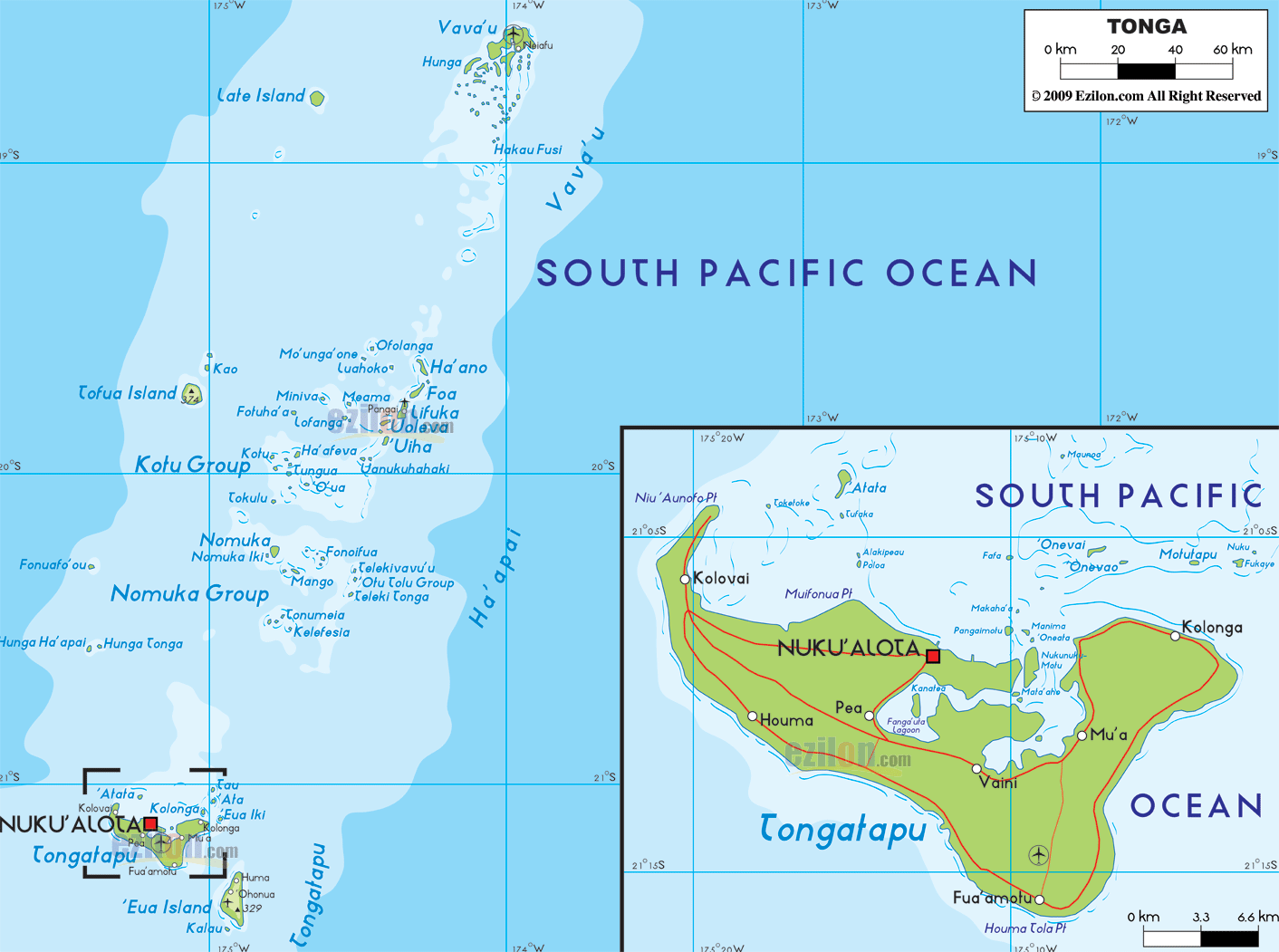
Located approximately 160 kilometers (100 miles) southwest of the main Tongan island of Tongatapu, 'Ata is a high volcanic island that stands in stark contrast to the low-lying coral atolls found elsewhere in the archipelago. As of 2026, it remains one of the most isolated points in the South Pacific, characterized by its formidable physical barriers.
The island’s topography is dominated by steep volcanic cliffs that rise abruptly from the ocean, reaching elevations of up to 355 meters (1,165 feet) above sea level. This verticality makes 'Ata notoriously difficult to access. Unlike many Pacific islands, 'Ata lacks a protective coral reef and a natural harbor. The surrounding waters are deep and prone to heavy swells, meaning that landing a boat requires exceptional skill and favorable weather conditions.
Geologically, 'Ata is the summit of an extinct volcano. The island's interior is a plateau covered in dense tropical forest, fueled by fertile volcanic soil. This fertility historically allowed for the cultivation of traditional Tongan crops, which played a crucial role in the survival of both the original inhabitants and later castaways. Despite its lush vegetation, the island has no permanent freshwater streams, forcing any inhabitants to rely on rainwater harvesting or moisture from volcanic seeps and plant life.
The Dark History: The 1863 Slave Raid and Depopulation
The most tragic chapter in 'Ata’s history occurred in June 1863. During this period, "blackbirding"—the practice of kidnapping Pacific Islanders to work as forced labor—was a scourge across the region. A Peruvian whaling ship named the Adelante, which had been converted into a slave-trading vessel, arrived at 'Ata under the command of Captain Thomas McGrath.
At the time, 'Ata was a thriving community with a population of approximately 350 people. Using deception, the crew of the Adelante lured the islanders onto the ship, purportedly for trade. Once a large portion of the population was on board, the ship sailed away, capturing 144 men, women, and children. These individuals were transported to Peru to work in the guano mines and plantations. Most died shortly after arrival due to disease, malnutrition, and brutal working conditions.
When news of the raid reached King George Tupou I, the first monarch of a unified Tonga, he took decisive action to protect the remaining islanders. Fearing that 'Ata was too isolated to defend against future raids, the King ordered the immediate evacuation of the remaining 200 inhabitants. They were relocated to the island of ʻEua, where they were granted land by the King. The descendants of the original 'Ata population still live on ʻEua today, primarily in the village of Ohonua, maintaining a distinct cultural connection to their ancestral home. Since that evacuation in 1863, 'Ata has remained officially uninhabited.
The 1965 Tongan Castaways: A Real-Life "Lord of the Flies"
'Ata returned to international headlines in the mid-1960s following one of the most remarkable survival stories in maritime history. In June 1965, six Tongan teenagers—Sione Fataua, "Stephen" Tevita Fatai Latu, "Kolo" Sione Filipe Totau, "David" Tevita Siolaʻa, "Luke" Veikoso Fatai, and "Mano" Sione Mano Totau—bored with their school life at St. Andrew’s Anglican School in Nukuʻalofa, decided to "borrow" a small fishing boat to sail to Fiji.
The boys, aged 13 to 18, were caught in a massive storm on their first night. Their sail and rudder were destroyed, and they drifted for eight days before spotting the towering cliffs of 'Ata. They managed to swim ashore, but they found themselves trapped on a deserted island with virtually no supplies.
Survival Strategies and Social Order
Unlike the fictional descent into savagery depicted in William Golding’s Lord of the Flies, the Tongan castaways thrived through cooperation and discipline. Their survival is often cited by modern sociologists, including Rutger Bregman in his 2020 book Humankind, as evidence of human resilience and the natural inclination toward community.
- Resource Management: The boys initially survived on raw fish and seabird eggs. Eventually, they discovered the ruins of the 19th-century village in the island’s crater, where they found wild taro and a small flock of chickens that had survived for a century since the 1863 evacuation.
- Infrastructure: They worked in pairs to manage specific tasks: gardening, cooking, and lookout duty. They constructed a small hut and even a gymnasium with primitive weights.
- Governance: To prevent conflict, the boys agreed that any disputes would result in a period of "cooling off" where the parties involved would separate until they could apologize. They began and ended each day with prayer and song.
- The Fire: One of the most impressive feats was maintaining a permanent fire for over a year. After spending months trying to start a fire with friction, they finally succeeded and assigned one person to guard the flame at all times, ensuring it never went out.
In September 1966, Australian captain Peter Warner, sailing his vessel the Just David, noticed patches of burned grass on the cliffs of 'Ata. Investigating further, he discovered the boys, who had lived on the island for 15 months. Upon their return to Nukuʻalofa, they were celebrated as heroes, and Warner was eventually granted Tongan fishing rights by the King as a gesture of gratitude.
Current Status and Environmental Protection (2026)
As of 2026, 'Ata Island remains a strictly protected zone under the jurisdiction of the Tongan government. Due to its isolation and the absence of invasive predators like rats (which have decimated bird populations on other islands), 'Ata serves as a critical sanctuary for South Pacific biodiversity.
The island is home to significant colonies of seabirds, including the Red-footed Booby, the Great Frigatebird, and various petrel species. Because of its ecological sensitivity and its status as a "High Island," unauthorized landings are prohibited. Scientific expeditions are occasionally permitted, but they are subject to rigorous biosecurity protocols to ensure that no foreign seeds or pests are introduced to the fragile ecosystem.
Comparative Analysis of 'Ata vs. Regional Archetypes
The following table compares the physical and historical characteristics of 'Ata with typical Tongan islands and the fictional setting of Lord of the Flies, highlighting why 'Ata is unique.
| Feature | 'Ata Island (Reality) | Typical Tongan Island (e.g., Ha'apai) | Fictional Island (Lord of the Flies) |
|---|---|---|---|
| Origin | High Volcanic | Coral Atoll/Limestone | Volcanic/Coral Mix |
| Freshwater | Rainwater/Plant Seeps only | Groundwater lenses/Wells | Stream/Spring |
| Accessibility | Very Low (High cliffs, no reef) | High (Reef-protected lagoons) | High (Sandy beaches) |
| Population | Uninhabited (since 1863) | Densely populated villages | Uninhabited (initially) |
| Social Outcome | Cooperation & Discipline | Community structure | Conflict & Savagery |
| Primary Food | Wild Taro, Chickens, Seabirds | Fish, Pigs, Cultivated Crops | Fruit, Wild Pigs |
Logistics and Access: Can You Visit 'Ata?
For travelers and researchers in 2026, 'Ata is essentially inaccessible for recreational purposes. There are no commercial tours, ferries, or flights to the island.
- Legal Restrictions: The Tongan Ministry of Lands and Natural Resources treats 'Ata as a sensitive site. Permits are generally only granted for documented historical research or environmental surveys.
- Physical Hazards: The lack of a beach means any attempt to land requires jumping from a boat onto slick rocks while timing the heavy Pacific swells. Several maritime accidents have been recorded in the vicinity over the decades.
- The 'Eua Connection: For those interested in 'Ata's history, the best alternative is visiting the island of 'Eua. Here, visitors can meet the descendants of the 'Ata people and visit the community of Ohonua. The local museum and oral traditions in 'Eua provide the most comprehensive look at 'Ata’s 19th-century culture without disturbing the sanctuary itself.
Frequently Asked Questions
Is 'Ata island inhabited today?
No, 'Ata has been officially uninhabited since 1863. After the Peruvian slave raids, King George Tupou I evacuated the remaining population to the island of ʻEua to protect them from further kidnappings. Today, it serves as a wildlife sanctuary.
How did the six Tongan boys survive for 15 months?
The boys survived by establishing a strict communal code, utilizing wild taro and chickens left behind by the 19th-century residents, and maintaining a permanent fire. They worked in pairs to manage food, water, and lookout duties, which prevented social collapse.
Can I visit 'Ata as a tourist?
Tourists cannot visit 'Ata. There are no landing facilities, and the island is protected by Tongan law to preserve its seabird colonies and ecological integrity. Unauthorized entry can lead to significant fines and legal action by Tongan authorities.
Who owns 'Ata island?
'Ata is the sovereign territory of the Kingdom of Tonga. It falls under the administrative control of the Tongan government and the Crown, specifically managed for environmental conservation.
What is the relationship between 'Ata and the "Lord of the Flies"?
The 1965 survival story of the six Tongan boys on 'Ata is often called the "real-life Lord of the Flies." However, unlike the book, the boys cooperated and thrived, leading many to use the 'Ata story as a counter-argument to the cynical view of human nature presented in Golding’s novel.
Recommendation for Researchers and Historians
If you are researching the history of 'Ata or the 1965 castaway event, prioritize primary sources from the Tongan National Archives and the official records of the Kingdom of Tonga. For those interested in the environmental aspects, BirdLife International provides data on the island's status as an Important Bird Area (IBA). Visiting the island of ʻEua remains the most practical and respectful way to engage with the living history of the 'Ata people, as their culture and genealogy are preserved there by the descendants of the original 1863 refugees.
Image Gallery