Why the Original Glinda Actress Matters: The Enduring Legacy of Billie Burke
The original Glinda actress, Billie Burke, matters because she defined the visual and tonal archetype of the "Good Witch" in global pop culture. Her 1939 portrayal in The Wizard of Oz transformed a secondary literary character into a c...
The original Glinda actress, Billie Burke, matters because she defined the visual and tonal archetype of the "Good Witch" in global pop culture. Her 1939 portrayal in The Wizard of Oz transformed a secondary literary character into a cinematic icon, establishing the standard for ethereal grace, maternal authority, and the specific aesthetics that still influence modern interpretations in 2026.
Contents
The Definitive Archetype of Benevolence
When audiences think of a "Good Witch," the image that almost universally comes to mind is not a generic figure from folklore, but the specific iteration brought to life by Billie Burke in the 1939 Metro-Goldwyn-Mayer (MGM) production. Before Burke’s performance, witches in popular Western literature and film were predominantly depicted as hags or malevolent entities. While L. Frank Baum's original books introduced Glinda as a beautiful and powerful figure, it was Burke’s cinematic presence that codified this subversion of the "wicked witch" trope for a mass audience.
Burke’s Glinda is more than just a character; she is a visual and moral anchor in the narrative. In a world of Technicolor wonder and looming threats, she represents safety and wisdom. Her performance established a template of "soft power"—a character who does not solve the protagonist’s problems through brute force, but guides them toward self-actualization. This matters because it created a blueprint for female mentors in fantasy cinema that persisted for nearly a century, influencing everything from Disney’s Fairy Godmothers to the magical mentors of modern young adult fiction.
The Ziegfeld Influence and Regal Persona
To understand why Billie Burke was the perfect and most significant choice for Glinda, one must look at her career before 1939. Burke was a major stage star and the widow of the legendary Broadway impresario Florenz Ziegfeld Jr. Her association with the "Ziegfeld Follies" gave her an inherent aura of glamour, high fashion, and theatrical royalty.
When MGM cast her as Glinda, they weren't just hiring an actress; they were importing the prestige of Broadway’s Golden Age. At the age of 54 during filming, Burke brought a seasoned, maternal elegance to the role that a younger actress might have lacked. This maturity is vital to why the character matters; she wasn't a peer to Dorothy, but a protective, almost celestial figure. Her high-pitched, melodic voice and trilling laughter—distinctive traits of Burke’s own persona—became the "voice" of Glinda, a stylistic choice that actresses like Kristin Chenoweth and Ariana Grande have since honored through various vocal homages.
Establishing Visual Iconography through Gilbert Adrian
The original Glinda matters immensely because of the visual vocabulary she introduced. The "Glinda Look" was the result of a collaboration between Burke’s natural grace and the genius of MGM’s lead costume designer, Gilbert Adrian.
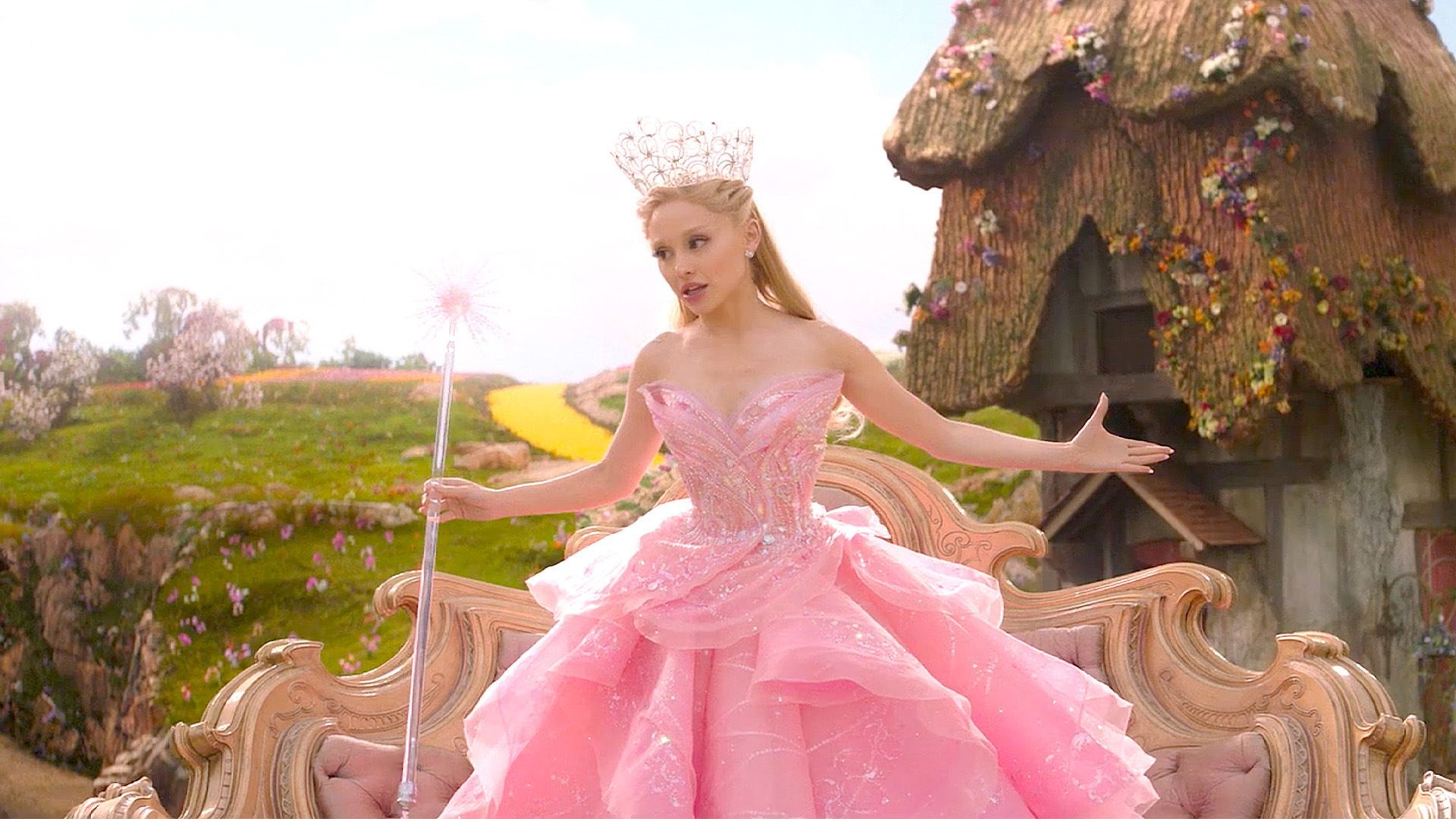
The costume—a massive, sparkling pink tulle gown adorned with stars, paired with a tall, translucent crown and a slender, star-tipped wand—did more than just look beautiful. It served as a direct psychological contrast to the sharp, black, angular silhouette of Margaret Hamilton’s Wicked Witch of the West. This visual dichotomy established a color-coded moral system in cinema:
- The Pink Gown: Representing light, air, and the "bubble" of safety.
- The Silver Wand: A symbol of directed, benevolent authority.
- The Crown: Signifying her status as a ruler (the Good Witch of the North/South composite).
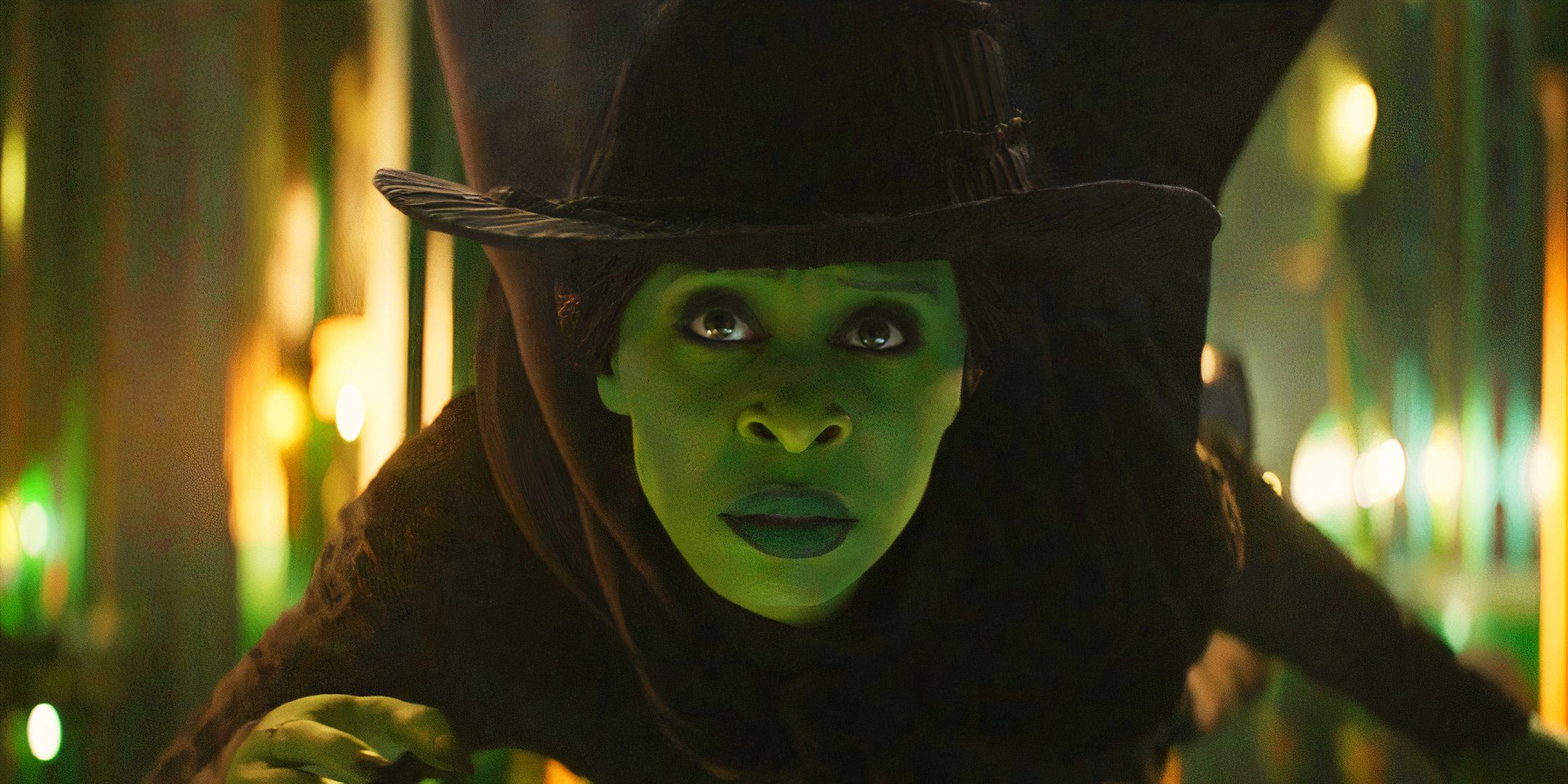
In 2026, as we look back at the various iterations of the Land of Oz, including the massive Wicked film franchise, every design choice for the character of Glinda is a conversation with Burke's original costume. Whether it is through subverting the pink aesthetic or leaning into its opulence, the 1939 visual remains the "North Star" for the character's identity.
Narrative Agency and the "Good Witch" Paradox
A frequent point of discussion among film historians and fans is Glinda’s role in the plot: why didn't she tell Dorothy about the silver (or ruby) slippers' power immediately? While some view this as a plot hole, Billie Burke’s portrayal gives the character a level of "enigmatic wisdom" that makes the choice feel intentional rather than negligent.
Burke played Glinda with a knowing smile and a sense of detached divinity. This established the character as a "Guardian of the Journey." If Glinda had simply sent Dorothy home in the first ten minutes, the girl from Kansas would never have found her own courage, heart, or brain. Burke’s performance matters because she successfully navigated the fine line between a helpful guide and a distant, almost manipulative deity. This complexity is exactly what Gregory Maguire later explored in the novel Wicked, turning the "Good Witch" into a political and social figure whose "goodness" is a matter of public relations and personal sacrifice.
Comparing Glinda Portrayals Across Eras
To see why the original matters, it is helpful to compare how her foundational elements have been adapted or challenged by subsequent actresses.
| Actress | Production | Era | Key Contribution/Variation |
|---|---|---|---|
| Billie Burke | The Wizard of Oz (Film) | 1939 | Defined the "Pink Aesthetic" and maternal "Good Witch" archetype. |
| Lena Horne | The Wiz (Film) | 1978 | Introduced a soulful, celestial majesty ("Believe in Yourself"). |
| Kristin Chenoweth | Wicked (Broadway) | 2003 | Added comedic depth, "popularity," and high-soprano brilliance. |
| Michelle Williams | Oz the Great and Powerful | 2013 | Focused on the character’s internal conflict and romantic history. |
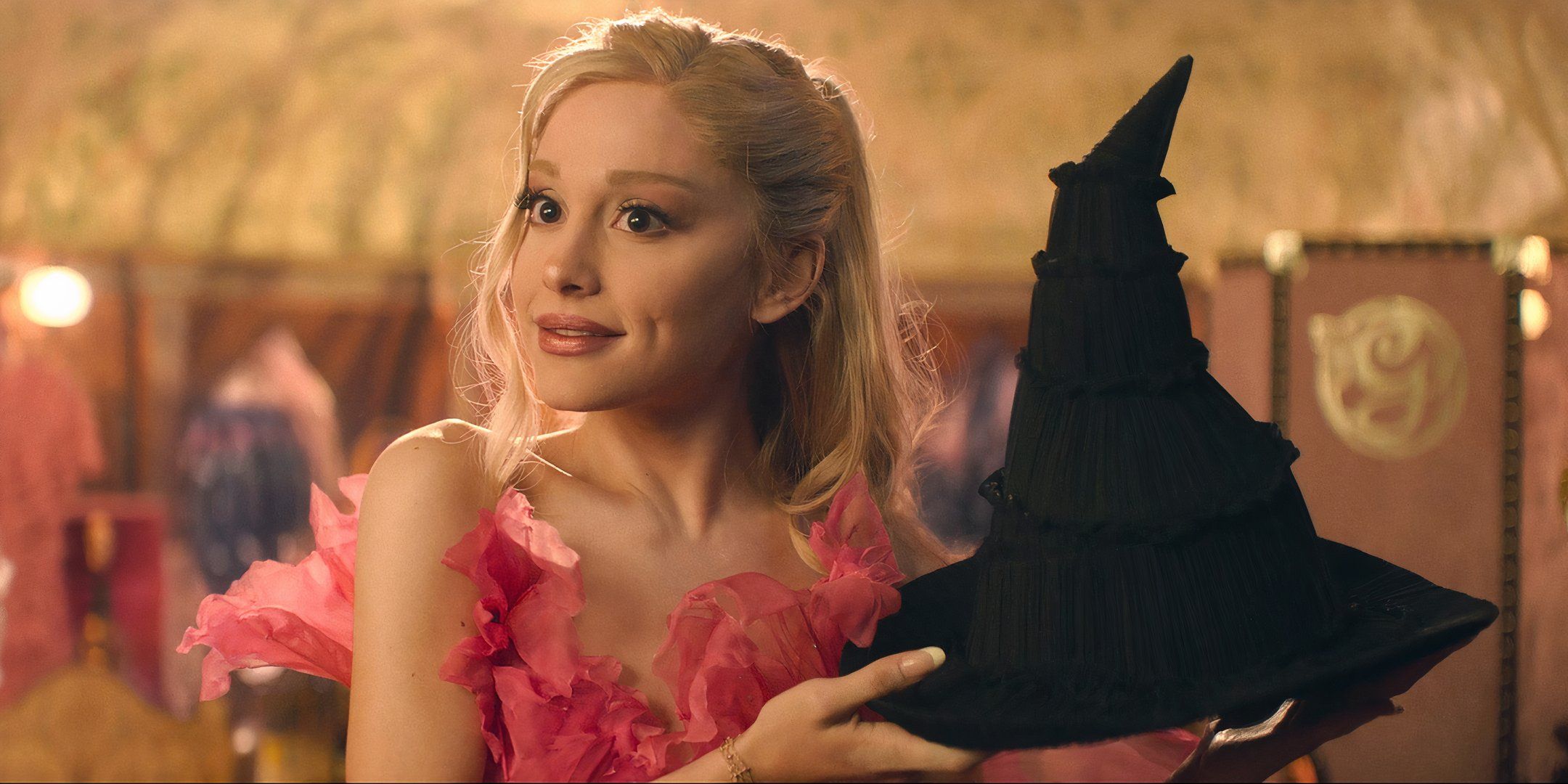
| Ariana Grande | Wicked (Film) | 2024-25 | Blended Burke’s ethereal voice with modern pop sensibilities. |
The Enduring Impact on "Wicked" and Modern Media
By the time the Wicked film adaptations concluded their primary theatrical runs in the mid-2020s, it became clear that the character’s longevity was tethered to Billie Burke’s DNA. Even when the story focuses on Glinda’s (Galinda’s) origin as a flawed, ambitious schoolgirl, the "destination" for the character is always the bubble-traveling icon of 1939.
Burke’s performance matters because it provides the "standard" that every prequel or reimagining seeks to explain. When we see a young Glinda struggling with her identity, the emotional weight comes from knowing she will eventually become the serene, star-crowned woman who meets Dorothy on the Yellow Brick Road. Burke didn't just play a part; she created a cultural landmark that serves as the end-point for one of the most successful character arcs in musical theater and film history.
Historical Context: 1939 as a Cinematic Turning Point
The year 1939 is often cited as the greatest year in Hollywood history, featuring classics like Gone with the Wind, Mr. Smith Goes to Washington, and Stagecoach. In this competitive landscape, Billie Burke’s Glinda had to stand out against groundbreaking special effects and legendary performances.
Her contribution was essential to the film's transition from the "Kansas" sepia tones into the vibrant "Munchkinland" Technicolor. As the first major character Dorothy meets in Oz, Glinda had to sell the reality of a magical world to a skeptical 1930s audience. If Burke’s performance had been too campy or too stiff, the entire illusion of Oz might have collapsed. Her ability to treat the absurd—traveling in a pink bubble, talking to Munchkins—with absolute sincerity and grace is what allowed the film to become a multi-generational masterpiece.
Frequently Asked Questions
Was Billie Burke the first actress to play Glinda?
No, Glinda appeared in several silent film adaptations of Oz and stage plays in the early 20th century. However, Billie Burke is considered the "original" in the context of the definitive 1939 MGM film, which replaced all previous iterations in the public consciousness.
How old was Billie Burke when she played Glinda?
Billie Burke was 54 years old during the filming of The Wizard of Oz. Her age contributed to the character's sense of wisdom and maternal authority, distinguishing her from the younger "maiden" tropes common in fairy tales.
Why is Glinda called the Good Witch of the North in the movie but the South in the book?
For the 1939 film, the screenwriters simplified the plot by combining the characters of the Good Witch of the North and Glinda the Good Witch of the South into one character. They kept the name Glinda but gave her the North jurisdiction to streamline the narrative of Dorothy's arrival.
Did Billie Burke do her own singing in the film?
While Glinda does not have a formal solo song like "Over the Rainbow," she does participate in the "Munchkinland" sequence. Burke’s natural speaking voice was so melodic that it blended seamlessly into the musical environment created by Herbert Stothart and Harold Arlen.
How did Billie Burke’s Glinda influence the "Wicked" musical?
The creators of Wicked used Burke’s Glinda as the visual and tonal "end state" for the character Galinda Upland. The musical explores how a girl becomes that specific icon, using her 1939 costume and "bubble" entrance as key cultural touchstones.
Practical Legacy: Why This Matters for Future Creators
For writers, directors, and costume designers, the original Glinda actress matters as a masterclass in character branding. Burke and the MGM team created a character that is instantly recognizable by silhouette alone.
When developing characters today, creators look to Glinda as an example of how to balance power with kindness. She proves that a female lead can be authoritative and influential without sacrificing femininity or grace. As we move further into the late 2020s, the "Glinda Blueprint" remains the primary reference point for any story involving magical guidance, reminding us that the most memorable characters are those who represent a clear, unwavering moral and visual ideal.
Image Gallery