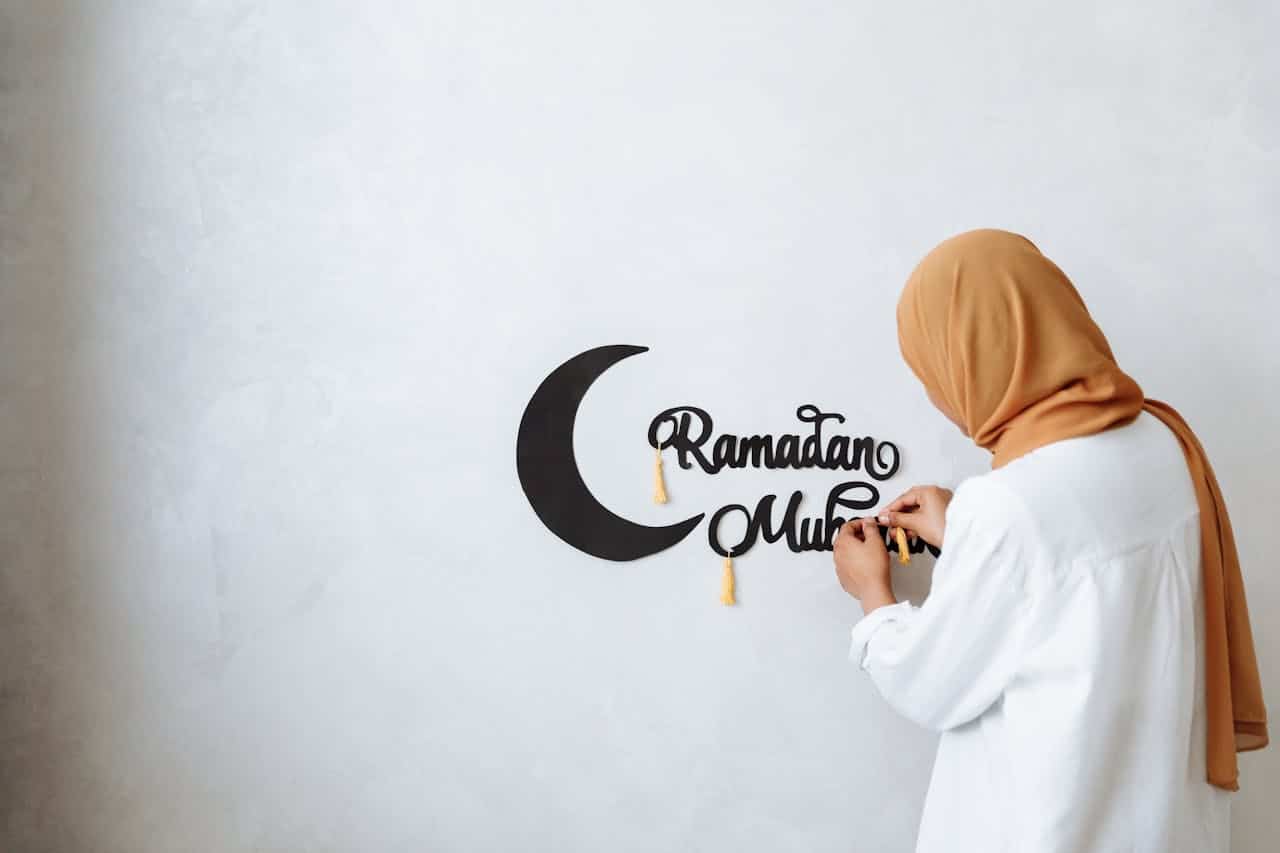
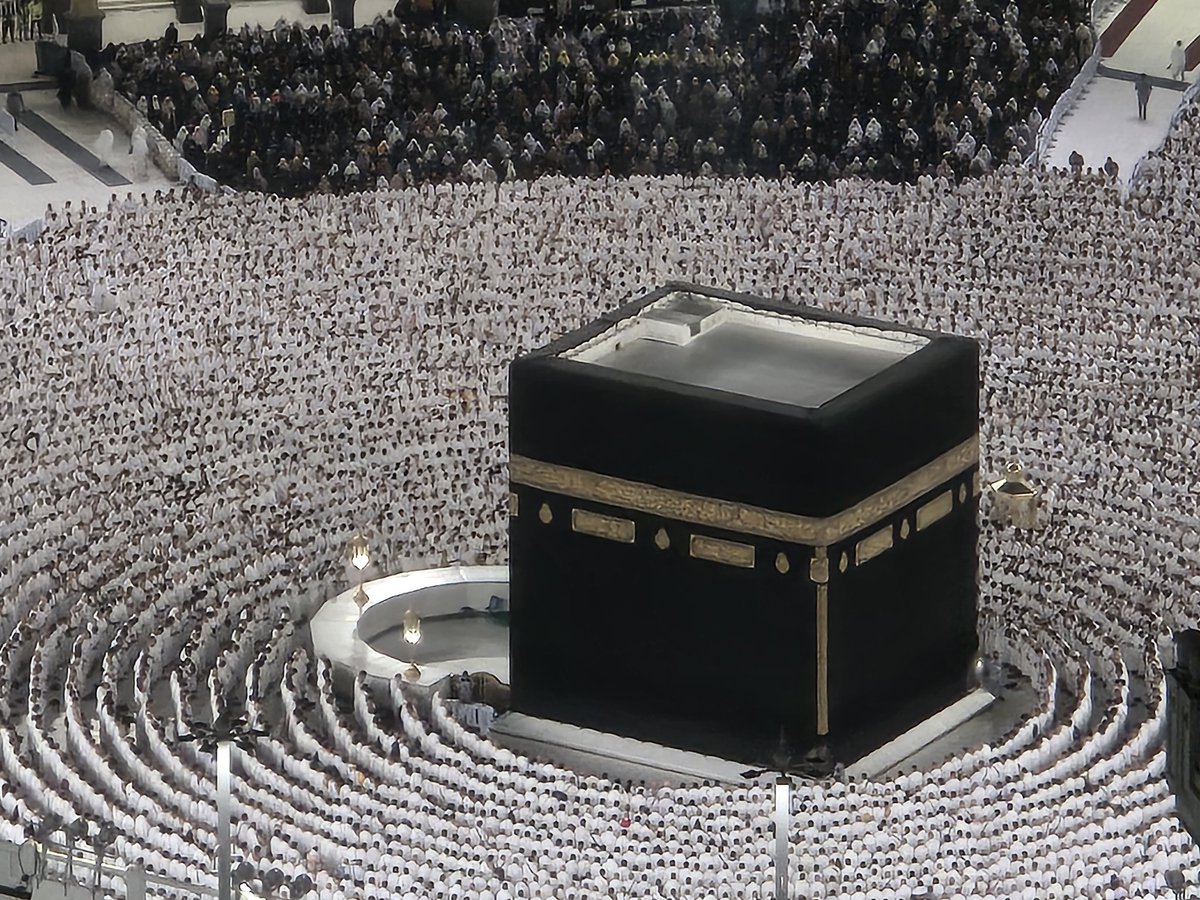
What Happens on Ramadan? A Comprehensive Guide to the Holy Month
During Ramadan, Muslims worldwide observe a month of fasting, prayer, reflection, and community. From dawn until sunset, participants abstain from food, drink, and other physical needs to focus on spiritual growth, self-discipline, and...
During Ramadan, Muslims worldwide observe a month of fasting, prayer, reflection, and community. From dawn until sunset, participants abstain from food, drink, and other physical needs to focus on spiritual growth, self-discipline, and empathy for the less fortunate, concluding with the celebratory festival of Eid al-Fitr.
Contents
Ramadan is the ninth month of the Islamic lunar calendar, a period held sacred by nearly two billion people across the globe. It is a time when the rhythm of daily life shifts significantly, prioritizing the internal spirit over external desires. Because the Islamic calendar is lunar, the dates of Ramadan rotate through the seasons; in 2026, the holy month occurs during the late winter and early spring, bringing unique atmospheric and logistical considerations for the global Muslim community.
Understanding what happens on Ramadan requires looking beyond the act of fasting itself. It is a complex ecosystem of religious devotion, social responsibility, and cultural tradition that transforms households and cities for 29 to 30 days.
The Spiritual Foundations of the Holy Month
The primary reason Ramadan is observed is that it marks the month in which the Quran, the holy book of Islam, was first revealed to the Prophet Muhammad. This event is commemorated through increased recitation of the text and deep meditation on its meanings.
The Concept of Sawm (Fasting)
Fasting, or Sawm, is one of the Five Pillars of Islam. It is not merely an exercise in hunger but a method of achieving Taqwa, a term often translated as "God-consciousness" or "piety." By denying the body its most basic needs, the observer is meant to strengthen the soul and gain mastery over the ego (the nafs).
Strengthening the Community Bond
Beyond the individual, Ramadan serves as a communal reset. It is a time when the wealthy and the poor experience the same hunger, fostering a sense of universal equality and empathy. This shared experience is reinforced by communal meals and prayers, which break down social barriers and encourage collective worship.
The Daily Cycle: From Suhoor to Iftar
A typical day during Ramadan follows a specific structure dictated by the position of the sun. In 2026, those in the Northern Hemisphere will experience moderate day lengths, while those in the Southern Hemisphere will be moving into the shorter days of autumn.
Suhoor: The Pre-Dawn Meal
The day begins before the first light of dawn with Suhoor. This meal is vital for providing the energy needed to sustain the fast throughout the day. Families typically wake up an hour or two before the Fajr (dawn) prayer. Suhoor usually consists of slow-digesting carbohydrates, proteins, and plenty of water. In many cultures, this is a quiet, intimate family time before the world wakes up.
The Hours of Abstinence
Once the sun begins to rise (the time of Imsak), the fast begins. For the remainder of the day, Muslims abstain from:
- Food and liquids (including water).
- Smoking and tobacco products.
- Marital relations.
- Sinful behavior, such as lying, gossiping, or arguing.
Maintaining one's character is considered just as important as the physical fast. If a person fasts from food but engages in backbiting or anger, the spiritual value of their fast is diminished.
Iftar: Breaking the Fast
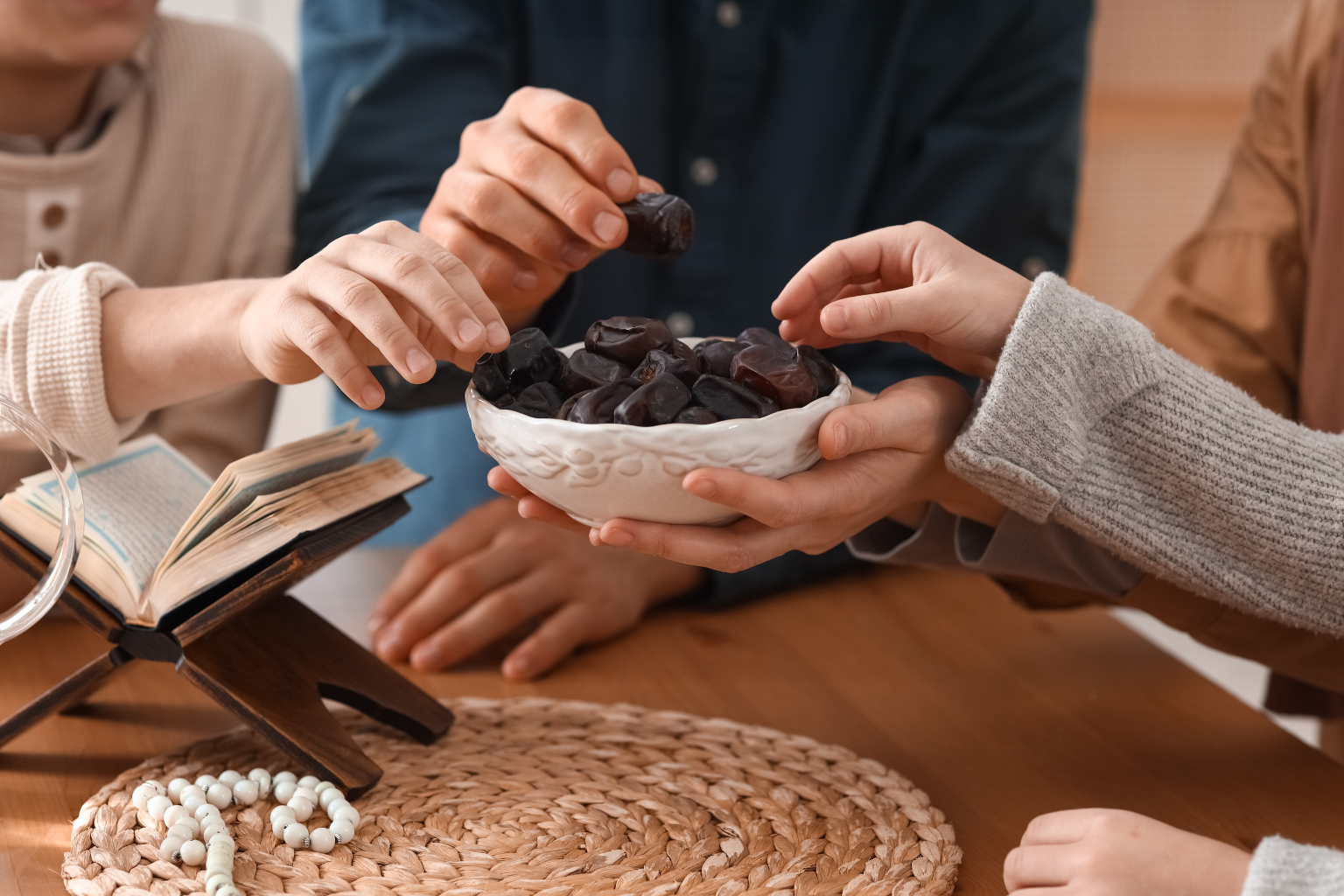
At sunset, signaled by the Maghrib prayer call, the fast is broken with Iftar. Traditionally, the fast is broken by eating dates and drinking water, following the example of the Prophet Muhammad. Dates provide a quick burst of natural sugar and potassium to stabilize the body.
Following the initial snack and prayer, a larger meal is served. Iftar is frequently a social event, with extended families gathering or mosques hosting free community meals. In 2026, with global connectivity at its peak, many communities use Iftar as an opportunity for interfaith dialogue, inviting non-Muslim neighbors to share the meal.
Religious Observances and Nightly Prayers
While the daylight hours are defined by what is not done, the nights of Ramadan are defined by what is done. The spiritual activity of the month intensifies after the sun goes down.
Taraweeh Prayers
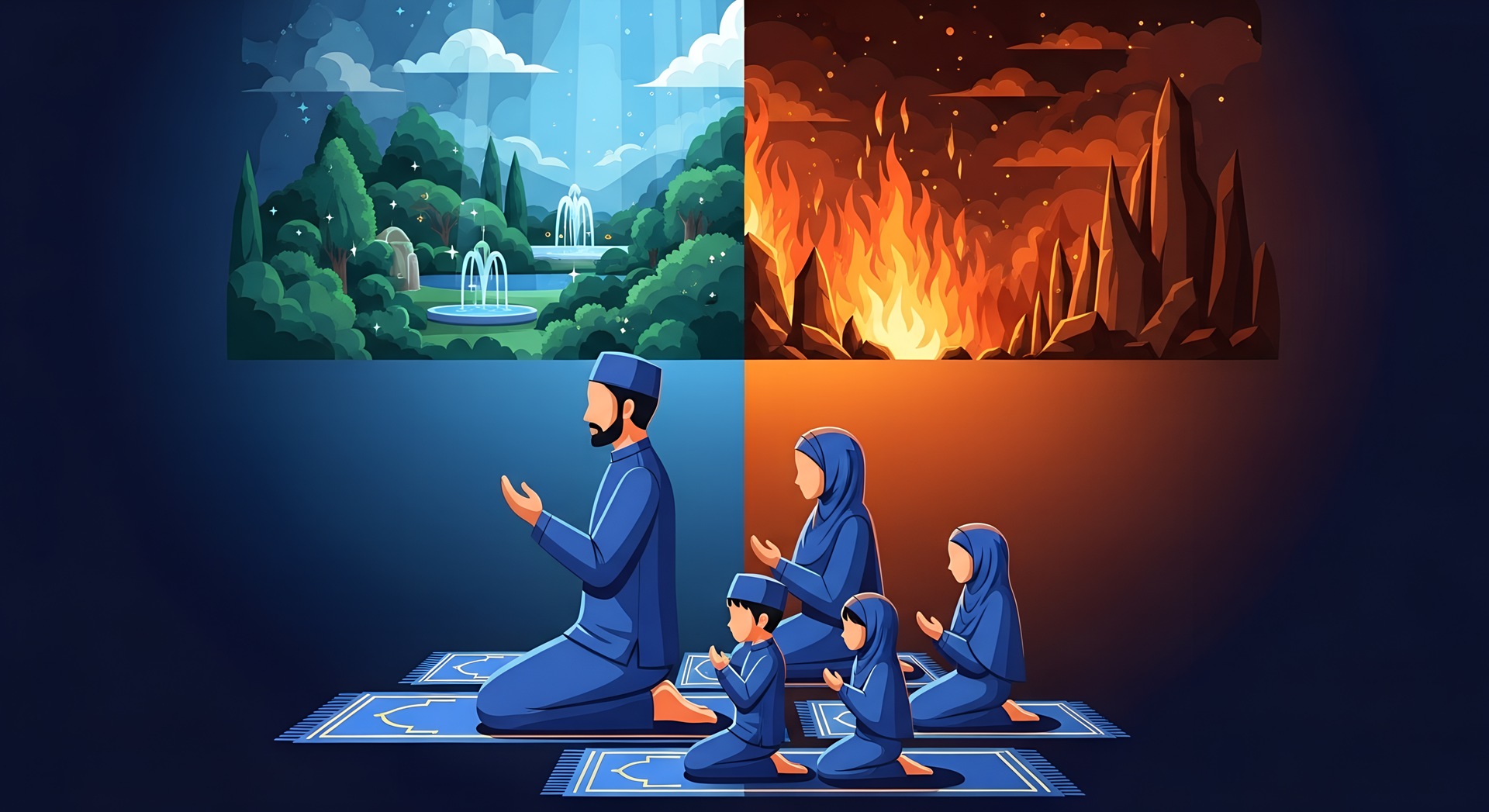
Unique to Ramadan are the Taraweeh prayers. These are long, communal prayers performed at the mosque after the final daily prayer (Isha). During Taraweeh, the Imam (prayer leader) aims to recite the entire Quran over the course of the month. This allows the congregation to hear the full revelation in a rhythmic, meditative environment. These sessions can last anywhere from one to three hours.
Itikaf: Spiritual Retreat
In the final ten days of the month, some individuals participate in Itikaf, where they remain in the mosque for several days, dedicating themselves entirely to worship and avoiding worldly distractions. This practice is a way to seek a deeper connection with the Divine during the most sacred portion of the month.
The Final Ten Days and Laylat al-Qadr
The last third of Ramadan is considered the most blessed. Within these last ten nights lies Laylat al-Qadr, or the "Night of Power."
Islamic tradition holds that on this night, the blessings and mercy of God are abundant, sins are forgiven, and supplications are accepted. It is described in the Quran as being "better than a thousand months." Because the exact date is not known—though it is traditionally sought on the odd-numbered nights—Muslims increase their worship, staying up late into the night to pray and recite the Quran.
Acts of Charity and Zakat
Ramadan is inextricably linked with giving. Because the rewards for good deeds are believed to be multiplied during this month, many Muslims choose this time to pay their Zakat (the obligatory annual alms-giving of 2.5% of one's wealth).
Zakat al-Fitr
In addition to the standard Zakat, there is a specific charity called Zakat al-Fitr that must be paid before the end of the month. This is a smaller, flat-rate donation intended to ensure that even the poorest members of the community can enjoy the Eid al-Fitr celebrations. In 2026, various international relief organizations facilitate these payments through digital platforms, ensuring funds reach global areas of need instantly.
Rules, Exemptions, and Etiquette
Fasting is mandatory for all healthy, post-pubescent Muslims. However, Islam provides clear exemptions to ensure that the practice does not cause undue hardship or physical harm.
| Category | Fasting Status | Requirement |
|---|---|---|
| Healthy Adults | Mandatory | Complete the full 29-30 day fast. |
| The Sick (Temporary) | Exempt | Make up the missed days later in the year. |
| Elderly / Chronically Ill | Exempt | Pay Fidya (provide a meal for a person in need for each day missed). |
| Pregnant / Nursing | Exempt | Make up the days later or pay Fidya (depending on school of thought). |
| Travelers | Exempt | Make up the missed days later. |
| Menstruating Women | Forbidden to Fast | Must make up the missed days after Ramadan. |
Workplace and Social Etiquette
In 2026, many multinational corporations have established "Ramadan policies," including flexible working hours to accommodate those waking up for Suhoor. For non-Muslims, the general etiquette is to be mindful of those fasting—avoiding eating or drinking conspicuously in front of fasting colleagues is a appreciated gesture of respect, though most observers do not expect others to change their habits.
Celebrating Eid al-Fitr: The Festival of Breaking the Fast
As Ramadan concludes, the focus shifts to Eid al-Fitr, a three-day celebration. The transition depends on the sighting of the new crescent moon, which marks the beginning of the month of Shawwal.
The Eid Prayer
The first morning of Eid begins with a special congregational prayer held in large open fields or mosques. It is a time of immense joy, where people wear their best clothes (often new outfits purchased for the occasion) and exchange the greeting "Eid Mubarak" (Blessed Eid).
Traditions and Food
Eid is a time for visiting relatives, giving gifts (especially "Eidi" or money given to children), and feasting. After a month of restraint, the tables are filled with diverse traditional dishes, ranging from Southeast Asian biryanis to Middle Eastern maamoul cookies and North African tagines.
Ramadan 2026: Key Dates and Timing
In the year 2026, Ramadan is projected to begin on or around February 18, depending on the lunar sighting. The month is expected to end on March 19, leading into Eid al-Fitr.
Because these dates fall in the transition from winter to spring in the Northern Hemisphere, the fast will be roughly 11 to 13 hours long in many populous regions, such as Cairo, Karachi, and Jakarta. This is relatively moderate compared to years when Ramadan falls in the peak of summer, where fasts can exceed 16 hours in northern latitudes.
For more information on precise prayer times and lunar visibility, the HM Nautical Almanac Office and local Islamic centers provide verified astronomical data. Additionally, organizations like Islamic Relief Worldwide provide updates on global charity initiatives during this period.
Frequently Asked Questions
Does accidentally eating or drinking break the fast?
No. If a person eats or drinks because they genuinely forgot they were fasting, their fast remains valid. They should stop as soon as they remember and continue for the rest of the day.
Can you brush your teeth while fasting?
Yes, brushing your teeth is allowed as long as you are careful not to swallow water or toothpaste. Most scholars recommend using a small amount of paste or using a "Miswak" (a traditional tooth-cleaning twig) to avoid any risk.
Is water allowed during the fast?
No. Abstaining from water is a central part of the fast. Observers must hydrate thoroughly during the non-fasting hours (Suhoor and Iftar) to prevent dehydration.
What happens if someone misses a day of fasting?
If a day is missed for a valid reason (like illness or travel), it must be "made up" by fasting an equal number of days before the next Ramadan. If it is missed without a valid excuse, a "Kaffarah" (expiation) may be required, which involves fasting for 60 consecutive days or feeding 60 poor people.
How does Ramadan impact the economy?
Ramadan significantly affects global markets. While productivity may dip slightly in the afternoons in some regions, consumer spending typically spikes, particularly in the food, clothing, and travel sectors, as families prepare for Iftar and Eid celebrations.
Practical Recommendations for Ramadan
Whether you are observing the month for the first time or supporting a friend who is, preparation is key. Focus on gradual hydration—drinking small amounts of water frequently between sunset and sunrise—rather than gulping large amounts at once. Prioritize protein and complex carbohydrates like oats or brown rice during Suhoor to maintain energy levels.
If you are a non-Muslim looking to engage with the month, consider attending a community Iftar. These events are designed to be inclusive and offer a profound look into the hospitality and spirit of the month. Ramadan remains a powerful reminder of the human capacity for self-control and the universal importance of charity and kindness.
Image Gallery