Leo Gorcey’s Net Worth and Career Overview
At the time of his passing in 1969, Leo Gorcey possessed an estimated net worth of approximately $1 million, a figure that adjusts to nearly $8.5 million in 2026 currency. His financial success was largely the result of a pioneering pr...
At the time of his passing in 1969, Leo Gorcey possessed an estimated net worth of approximately $1 million, a figure that adjusts to nearly $8.5 million in 2026 currency. His financial success was largely the result of a pioneering profit-sharing agreement with Monogram Pictures, where he earned a weekly salary of $5,000 plus 10% of the gross profits from the "Bowery Boys" film series.
Contents
The Foundations of a Hollywood Tough Guy
Leo Gorcey’s journey to becoming one of the most recognizable faces in the "B-movie" era began not in a studio backlot, but on the gritty stages of Broadway. Born in 1917 to vaudevillian parents, Gorcey was raised in the Yorkville neighborhood of Manhattan. His father, Bernard Gorcey, was a successful stage actor, but Leo initially sought a different path, working as an apprentice plumber.
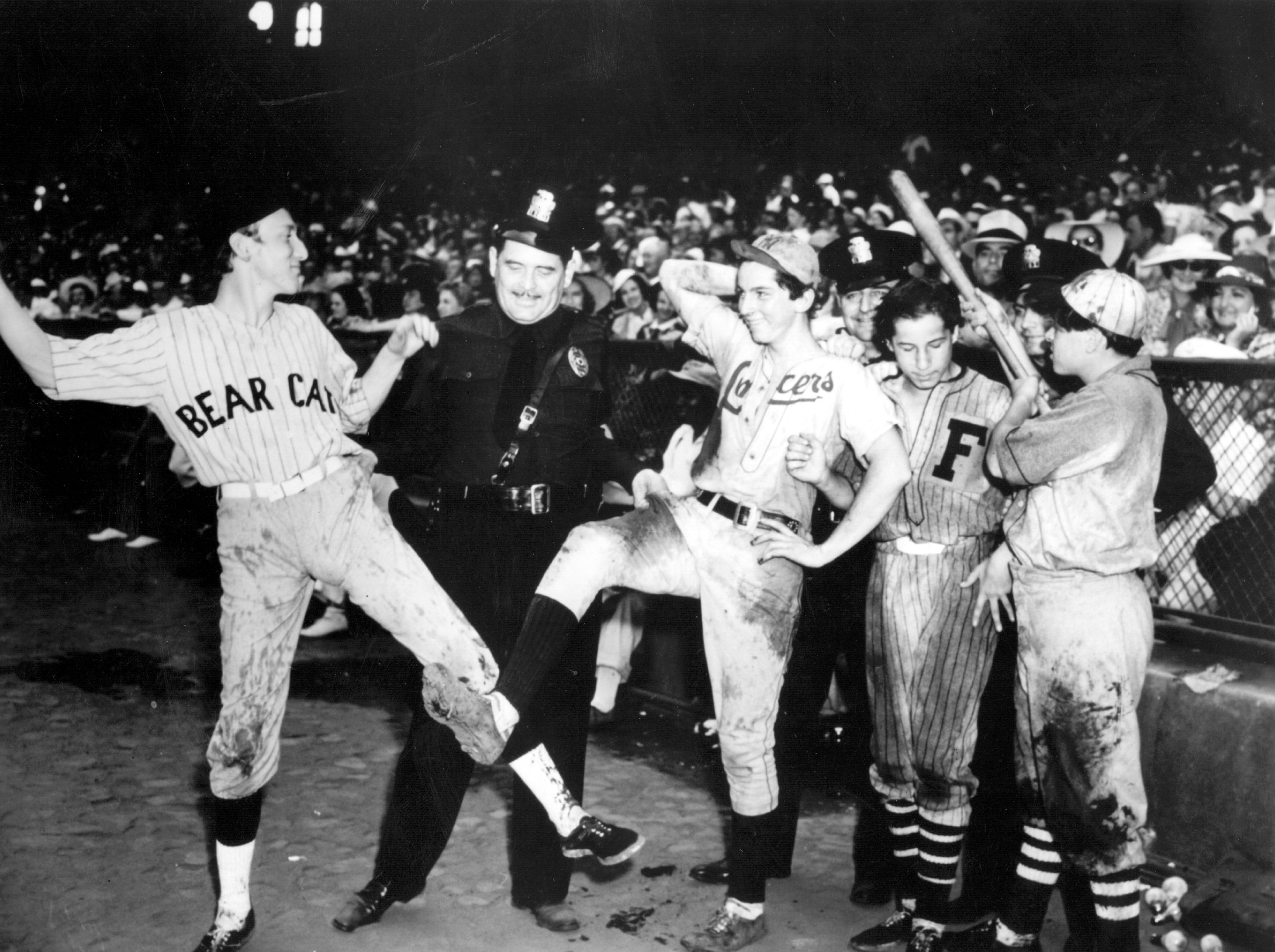
His entry into acting was accidental. In 1935, his brother David was cast in Sidney Kingsley’s play Dead End, a searing social drama about the slums of New York. During the production's run, Leo was recruited to join the group of young actors known as the "Dead End Kids." His natural Brooklyn accent, sharp wit, and diminutive yet commanding presence made him an instant standout. When Samuel Goldwyn purchased the film rights to the play in 1937, he insisted on bringing the original group of boys to Hollywood. This move effectively ended Gorcey’s plumbing career and launched a cinematic legacy that would span three decades.
The Evolution of the "Kids" Groups
To understand Leo Gorcey’s career and subsequent wealth, one must navigate the complex evolution of the various film groups he led. While the actors remained largely the same, contractual shifts led to several distinct branding eras:
- The Dead End Kids (1937–1939): Under contract at Warner Bros., Gorcey and his cohorts appeared in prestige dramas alongside icons like Humphrey Bogart and James Cagney. Notable films included Angels with Dirty Faces (1938). During this period, Gorcey was a salaried contract player, earning a respectable but standard studio wage.
- The Little Tough Guys (1938–1943): Universal Pictures sought to capitalize on the popularity of the group, leading to a series of films where Gorcey often played the "heavy" or the leader of a rival gang.
- The East Side Kids (1940–1945): This era marked the transition to Monogram Pictures, a "Poverty Row" studio. Here, the tone shifted from social drama to comedy-inflected action. Gorcey began to refine the character of Muggs McGinnis, the prototype for his most famous role.
- The Bowery Boys (1946–1958): This was the pinnacle of Gorcey’s career. Playing Terence Aloysius "Slip" Mahoney, Gorcey became the undisputed star and creative force of the series, supported by his best friend and comedic foil, Huntz Hall (playing Sach).
The Monogram Contract: A Financial Masterclass
By 1946, Leo Gorcey recognized that he was the primary draw for Monogram’s most profitable franchise. While many actors of that era were trapped in restrictive, low-paying studio contracts, Gorcey negotiated a deal that was decades ahead of its time.
At the height of the "Bowery Boys" popularity in the late 1940s and early 1950s, Gorcey was earning a base salary of $5,000 per week. To put this in perspective, in the mid-20th century, the average annual American salary was roughly $3,000. Gorcey was earning nearly double the average annual income every seven days.
Furthermore, his 10% ownership of the films' gross profits ensured that as long as the Bowery Boys were a staple of Saturday afternoon matinees, his bank account continued to grow. This profit-sharing model allowed Gorcey to amass a fortune that far exceeded that of many "A-list" stars who were tied to flat-rate studio salaries. His wealth enabled him to purchase a 600-acre ranch in Molomolany, California, where he spent his time away from the cameras.
The Anatomy of "Slip" Mahoney
Leo Gorcey’s contribution to American comedy is perhaps best exemplified by his mastery of the malapropism. As Slip Mahoney, Gorcey created a character who was perpetually trying to sound more educated than he was, resulting in a comedic linguistic style that fans still celebrate in 2026.
Slip would frequently "extinguish" himself instead of "distinguishing" himself, or refer to a "catastrophic" event as a "catalytic" one. This linguistic gymnastics required impeccable timing and a deep understanding of the scripts, which Gorcey often helped doctor to fit his specific cadence. His chemistry with Huntz Hall was the engine of the franchise; while Gorcey provided the fast-talking, authoritative leadership, Hall provided the slapstick physical comedy. This "straight man/funny man" dynamic was a key driver of the series' longevity, spanning 48 films in total, 41 of which starred Gorcey.
Career Transitions and Personal Challenges
Despite his professional success, Gorcey’s personal life was often tumultuous, which eventually impacted his career trajectory and estate. He was married five times, and his struggles with alcohol were well-documented by his contemporaries.
A turning point occurred in 1955. His father, Bernard Gorcey, who played the beloved sweet-shop owner Louie Dumbrowski in the Bowery Boys films, was killed in a car accident. Leo was devastated by the loss. His grief exacerbated his drinking and led to erratic behavior on set. During the filming of Crashing Las Vegas (1956), Gorcey demanded a significant salary increase which the studio, sensing his declining reliability, refused. Gorcey walked away from the franchise he helped build.
He was replaced by Stanley Clements for the final seven films of the series, but the magic was largely gone without Gorcey’s "Slip." Following his departure, Leo largely retired from the industry, making only a few sporadic appearances, most notably a small role in the 1963 epic comedy It's a Mad, Mad, Mad, Mad World.
Leo Gorcey’s Career Milestones
The following table outlines the progression of Gorcey's career through the different iterations of the "Kids" groups, highlighting the shift in studios and roles.
| Era / Group Name | Primary Studio | Years Active | Key Character Name | Notable Films |
|---|---|---|---|---|
| Dead End Kids | Warner Bros. | 1937–1939 | Spit | Dead End, Angels with Dirty Faces |
| Little Tough Guys | Universal | 1938–1943 | Various | Little Tough Guy, Call a Messenger |
| East Side Kids | Monogram | 1940–1945 | Muggs McGinnis | Boys of the City, Kid Dynamite |
| The Bowery Boys | Monogram / Allied Artists | 1946–1956 | Terence 'Slip' Mahoney | In Fast Company, Blues Busters, Jungle Gents |
Net Worth at Death and Estate Legacy
When Leo Gorcey passed away in June 1969—just days before his 52nd birthday—his estate was valued at approximately $1.1 million. While he had spent significantly on his ranch and through various divorce settlements, his consistent royalties and wise investments in real estate preserved a significant portion of his wealth.
In the decades following his death, the value of his estate has been a point of interest for classic film historians. Unlike many of his peers who died in poverty, Gorcey’s shrewd negotiations in the 1940s provided a safety net. His autobiography, An Original Dead End Kid, published posthumously, added a final, personal chapter to his financial and professional legacy. In 2026, his films continue to generate revenue through classic cinema streaming platforms and specialized physical media releases, though the bulk of those royalties now reside with the current rights holders of the Monogram/Allied Artists library.
Common Questions About Leo Gorcey
Did Leo Gorcey and Huntz Hall get along in real life?
While they were one of cinema's most famous duos, their relationship was professional and respectful rather than deeply personal. Huntz Hall often noted that Gorcey was the "boss" on and off-screen during the Monogram years. Despite Gorcey's personal struggles toward the end of his tenure, Hall maintained a high level of respect for Gorcey’s comedic timing and business acumen.
Why did Leo Gorcey leave the Bowery Boys?
Gorcey left the series in 1956 primarily due to the emotional fallout from his father's death. Bernard Gorcey's accidental death left Leo unable to continue the lighthearted "Louie’s Sweet Shop" scenes. This grief, combined with a salary dispute and his escalating battle with alcoholism, led to his resignation from the franchise.
Was Leo Gorcey actually from New York?
Yes. Gorcey was born in Manhattan and raised in the city. His distinct accent and "tough guy" persona were not products of acting school but were authentic reflections of his upbringing in Yorkville. This authenticity is why the Dead End Kids were so successful; they weren't actors trying to play street kids—they were street kids.
How many Bowery Boys movies did Leo Gorcey make?
Leo Gorcey starred in 41 of the 48 Bowery Boys films. He appeared in every entry from the debut Live Wires (1946) through Crashing Las Vegas (1956). His departure marked a significant decline in the series' popularity, which concluded in 1958.
The Enduring Influence of "Slip" Mahoney
Leo Gorcey’s career serves as a blueprint for the transition from stage to screen and from character actor to franchise lead. He was one of the first actors to realize the power of "ownership" in Hollywood, leveraging his popularity to secure a stake in his work.
Today, Gorcey is remembered not just for the wealth he accumulated, but for the indelible mark he left on the comedy genre. His "Slip" Mahoney character influenced generations of comedians who utilized the "smart-talking leader" trope. For fans of classic cinema, Gorcey remains the definitive voice of a bygone era of New York street-smart humor, a plumbing apprentice who became one of the highest-paid stars of the mid-20th century.
Image Gallery