What Happened to Connie Francis? The Life, Tragedy, and Resilience of a Pop Icon
Connie Francis, the top-charting female vocalist of the late 1950s and 1960s, largely withdrew from the public eye following a series of devastating personal tragedies, including a brutal 1974 assault and the murder of her brother. As...
Connie Francis, the top-charting female vocalist of the late 1950s and 1960s, largely withdrew from the public eye following a series of devastating personal tragedies, including a brutal 1974 assault and the murder of her brother. As of 2026, she is a retired music legend residing in Florida, focusing on her legacy and mental health advocacy.
Contents
For many fans, the name Connie Francis evokes the soundtrack of an era—hits like "Who’s Sorry Now?" and "Where the Boys Are" defined the transition from traditional pop to the rock-and-roll age. However, her career is also a study in survival. Beyond the velvet voice and the record-breaking sales lies a narrative of legal battles that changed the hospitality industry, a long struggle with bipolar disorder, and a resilience that has kept her a beloved figure well into her eighties.
The Rise of an International Superstar
Before understanding what happened to Connie Francis in her later years, it is essential to recognize the height from which she fell. Born Concetta Rosa Maria Franconero in 1937, she was a child prodigy on the accordion. Encouraged (and often pressured) by her father, George Franconero Sr., she transitioned into singing and signed with MGM Records.
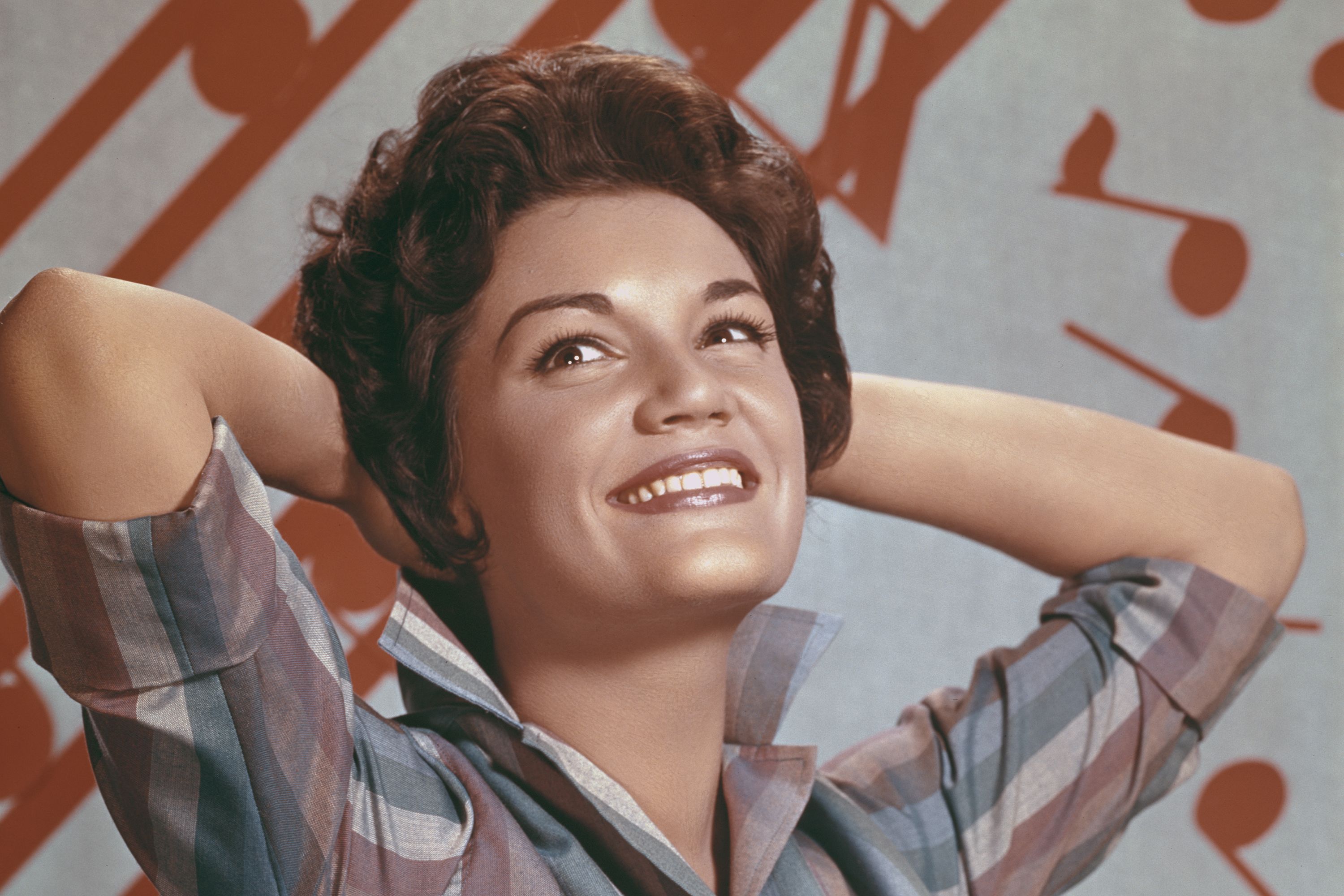
Her breakthrough came in 1958 with "Who's Sorry Now?" A song her father insisted she record, it became a massive hit after being featured on American Bandstand. Between 1958 and 1963, Francis was the most successful female artist in the world. She didn't just dominate the American charts; she became a global phenomenon by recording her hits in 13 different languages, including Italian, German, Spanish, and Japanese. This linguistic versatility allowed her to maintain a top-tier international career even when the "British Invasion" of the mid-1960s sidelined many of her American contemporaries.
By the early 1970s, although her chart dominance had slowed, Francis remained a premier live draw, commanding high fees in Las Vegas and international venues. This trajectory, however, was violently interrupted in 1974.
The 1974 Assault and the Legal Precedent
On November 8, 1974, after performing at the Westbury Music Fair in New York, Connie Francis was staying at a Howard Johnson's Motor Lodge in West Hempstead. During the early morning hours, an intruder broke into her room through a faulty sliding glass door and raped her at knifepoint. The trauma was compounded by the fact that the assailant was never caught.
This event did more than just halt her career; it silenced her voice. For years afterward, Francis suffered from psychosomatic vocal failure, unable to sing or even speak above a whisper at times. The psychological impact was profound, leading to a deep depression that saw her withdraw from the industry entirely.
However, Francis chose to fight back in the courtroom. She sued the Howard Johnson’s chain for failing to provide adequate security. In a landmark 1976 decision, she was awarded $2.5 million (roughly $13 million in 2026 dollars). The case, Francis v. Howard Johnson, became a cornerstone of premises liability law. It forced the hotel and motel industry to adopt modern security standards, such as the installation of deadbolts, improved lighting, and secure sliding door tracks. While the settlement was significant, Francis famously stated that no amount of money could restore the life she had before the attack.
The Tragedy of George Franconero Jr.
While Francis was still reeling from the 1974 assault, another tragedy struck her family in 1981. Her brother, George Franconero Jr., a former federal prosecutor, was murdered in a mob-style "hit" in front of his home in New Jersey. George had been testifying against organized crime figures, and his death was a retaliatory act.
The loss of her brother was a breaking point. Francis had already been struggling with the aftermath of her assault and the end of her marriages. The murder of her closest sibling accelerated a mental health crisis that would define the next decade of her life. The grief and the constant threat of violence—real or perceived—led to a series of involuntary psychiatric hospitalizations.
Navigating Bipolar Disorder and Advocacy
Throughout the 1980s, Connie Francis was frequently in and out of mental health facilities. She was eventually diagnosed with bipolar disorder, a condition that had likely influenced the highs and lows of her career and personal life for years. During this period, she underwent numerous treatments, including lithium therapy, which she later spoke about with brutal honesty in her memoirs.
In the 1990s and 2000s, Francis transformed her personal struggles into a platform for advocacy. She became a vocal supporter of mental health awareness, specifically focusing on the plight of veterans and those suffering from Post-Traumatic Stress Disorder (PTSD). She worked closely with organizations like UNICEF and various mental health groups to destigmatize the conversation around psychiatric illness.
By sharing her story, Francis helped a generation of fans understand that mental health struggles do not discriminate based on fame or fortune. Her 2017 autobiography, Among My Souvenirs, provided a detailed and often heartbreaking look at these years, further cementing her role as a survivor rather than just a victim.
Career Milestones and Historical Impact
Despite the interruptions, the career of Connie Francis is marked by staggering numbers and significant cultural contributions.
| Achievement Category | Details and Impact |
|---|---|
| Record Sales | Over 100 million records sold globally; top female vocalist of the late 50s/early 60s. |
| Film Career | Starred in hits like Where the Boys Are (1960), which defined the "Spring Break" culture. |
| Global Reach | Recorded in 13 languages; reached #1 in markets as diverse as Germany and Japan. |
| Legal Legacy | Her lawsuit against Howard Johnson's revolutionized hotel security laws in the U.S. |
| Mental Health | One of the first major celebrities to speak openly about bipolar disorder and involuntary commitment. |
The Later Years and Life in 2026
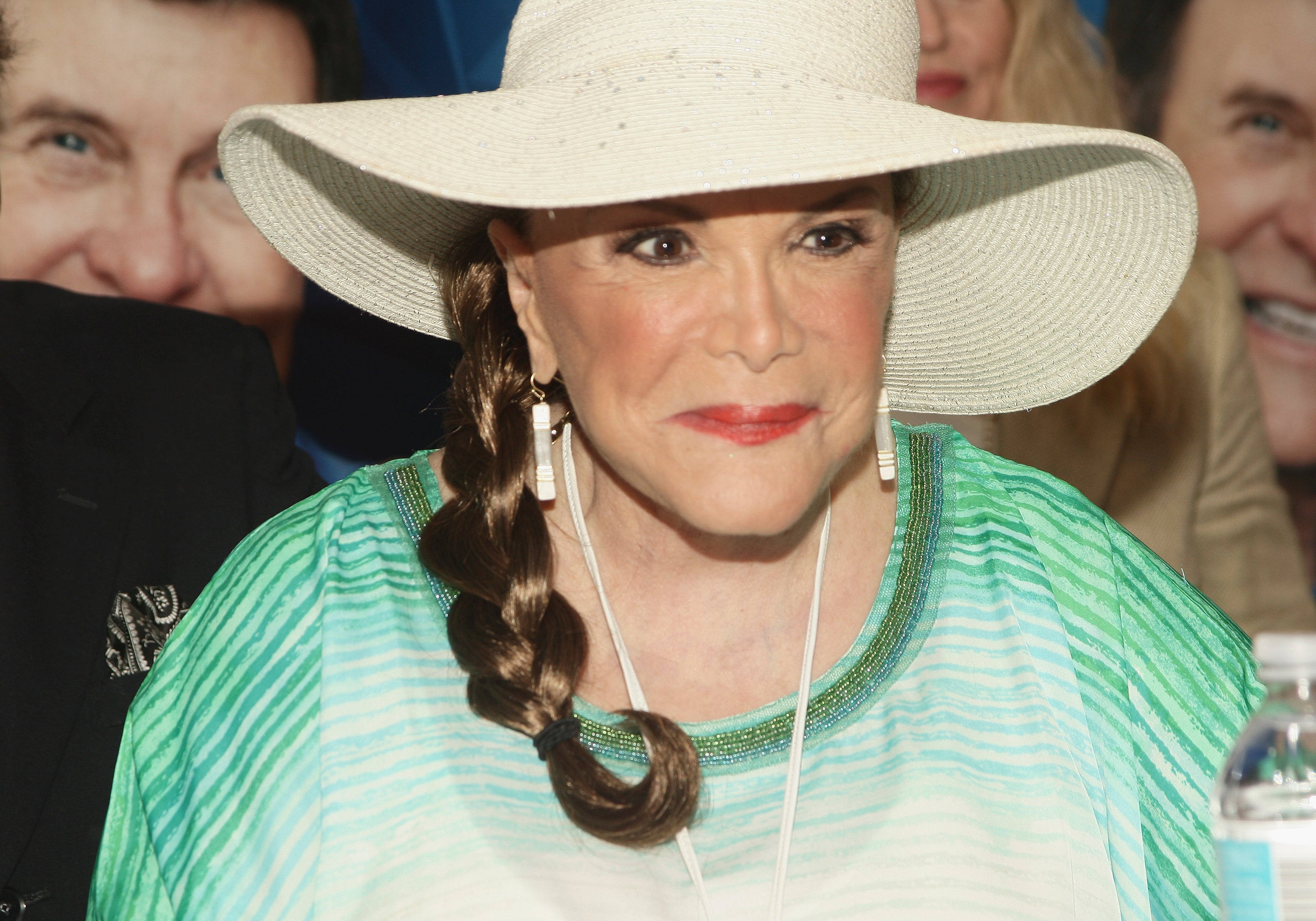
As we look at Connie Francis in 2026, she is 88 years old and largely retired from the grueling schedule of public appearances. After a series of "farewell" performances in Las Vegas and various international venues in the 2010s, she chose to settle into a more private life in Florida.
While she no longer performs full concerts, her presence remains felt through the digital preservation of her work. The 2020s saw a resurgence of interest in her catalog on streaming platforms, where younger generations discovered the technical perfection of her vocals. She has occasionally appeared in televised interviews or via social media to greet her "loyal followers," a group she affectionately credits with keeping her alive during her darkest years.
Her health, while subject to the natural progression of age, has remained stable enough for her to oversee the management of her vast musical archives. She remains a fiercely protective steward of her legacy, ensuring that her recordings are used in films and documentaries that respect the historical context of her work.
The Enduring Voice: Why She Matters Today
The question of "what happened to Connie Francis" often stems from the jarring contrast between her wholesome "girl next door" image and the dark realities she faced. Her story is a reminder of the lack of protection female stars faced in the mid-20th century, both legally and psychologically.
Her voice remains a benchmark for pop vocalists. Unlike many of her peers who relied on production tricks, Francis possessed a natural vibrato and emotional resonance that translated across language barriers. Whether she was singing a somber ballad like "My Happiness" or a jaunty pop tune like "Stupid Cupid," her technical precision was matched only by her ability to convey genuine vulnerability.
Frequently Asked Questions
Is Connie Francis still alive in 2026?
Yes, as of 2026, Connie Francis is alive and residing in Florida. At 88 years old, she has retired from public performance but remains active in managing her musical legacy and communicating with her fan base through official channels.
Did Connie Francis ever get her voice back?
After the 1974 assault, Francis suffered from psychosomatic vocal loss for several years. Through intensive therapy and a slow return to the stage in the late 1980s, she did regain her ability to sing, though she has stated in interviews that her voice never felt exactly the same as it did during her "Golden Era" of the 1960s.
Was the person who attacked Connie Francis ever caught?
No. Despite a high-profile investigation and the significant media attention surrounding the 1974 incident, the perpetrator was never identified or apprehended. This lack of closure was a major factor in Francis’s long-term struggle with anxiety and trauma.
What happened to Connie Francis's brother?
Her brother, George Franconero Jr., was murdered in 1981 in New Jersey. He was a former attorney who had cooperated with federal authorities regarding organized crime. His death was a retaliatory hit, a tragedy that deeply affected Connie and contributed to her subsequent mental health struggles.
Where can I read Connie Francis's full life story?
Connie Francis has written two major autobiographies. The first, Who's Sorry Now? (1984), covers her early career and the immediate aftermath of the 1974 attack. The second, Among My Souvenirs (2017), provides a more comprehensive look at her mental health journey, her family life, and her later years in the industry.
Final Recommendation for Fans and Historians
To truly appreciate the scope of Connie Francis's life, it is recommended to explore her multilingual recordings beyond her standard U.S. hits. Her Italian and German albums, in particular, showcase a level of vocal craftsmanship that was rare for pop stars of her era. For those interested in the legal and social history of the 1970s, researching the Francis v. Howard Johnson decision provides a fascinating look at how her personal tragedy led to systemic changes in public safety. Above all, her story serves as a powerful testament to the fact that while fame can be fleeting and tragedy can be profound, resilience is the most enduring hit of all.
Image Gallery