Why the YH Trend Matters in Detroit Communities
The Young Homeowners (YH) trend represents a pivotal shift in Detroit's urban recovery, emphasizing long-term residency over speculative flipping. By leveraging city-backed incentives and land bank programs, younger generations are sta...
The Young Homeowners (YH) trend represents a pivotal shift in Detroit's urban recovery, emphasizing long-term residency over speculative flipping. By leveraging city-backed incentives and land bank programs, younger generations are stabilizing neighborhoods, increasing the local tax base, and preserving the cultural fabric of historic districts through intentional, community-focused property restoration.
Contents
Understanding the YH Phenomenon in 2026 Detroit
As we move through 2026, the term YH Trend has become shorthand among urban planners, community organizers, and residents for the "Young Homeowners" movement. This is not a fleeting social media fad but a structured demographic shift where individuals aged 22 to 38 are choosing to plant roots in Detroit neighborhoods that were previously characterized by high vacancy rates. Unlike the "Great Recession" era, where outside investors bought bulk portfolios of homes, the YH trend is driven by individuals who intend to live in the properties they renovate.
The significance of this trend lies in its departure from traditional gentrification models. In many American cities, revitalization is often synonymous with displacement. However, in Detroit, the YH trend is largely defined by "in-fill" residency—occupying homes that have sat empty for a decade or more. This process increases population density without necessarily pushing out existing legacy residents. The YH cohort often views homeownership as an act of civic duty, participating in block clubs and neighborhood watch programs that had dwindled as the population aged.
Furthermore, the YH movement is deeply intertwined with the Detroit Land Bank Authority (DLBA). By 2026, the DLBA has refined its "Own It Now" and "Auction" programs to prioritize those who can demonstrate a commitment to the neighborhood. This synergy between city policy and youth interest has created a unique environment where the barriers to entry for homeownership are lower than in surrounding suburbs, provided the buyer is willing to invest significant "sweat equity."
The Economic Impact on Neighborhood Stability
One of the most immediate reasons the YH trend matters is the stabilization of the municipal tax base. For decades, Detroit struggled with a shrinking pool of property tax revenue, leading to strained public services. The influx of young homeowners has begun to reverse this trend. When a YH participant purchases a vacant structure, that property moves from being a liability—requiring city-funded mowing and boarding—to an asset that generates annual revenue.
The economic impact extends beyond taxes. The YH trend fuels a localized "renovation economy." Unlike large-scale developers who might bring in outside contractors, young homeowners often rely on local hardware stores, Detroit-based specialized tradespeople, and neighborhood labor. This creates a circular economy where the money spent on home improvement stays within the city limits.
Moreover, the presence of occupied, well-maintained homes has a "halo effect" on surrounding property values. According to 2025 housing data, blocks with at least two YH-led renovations saw a 12% faster appreciation in neighboring property values compared to blocks with no active renovations. This appreciation is vital for legacy homeowners, many of whom have seen their home equity stagnate for years. It allows older residents the financial flexibility to take out home equity loans for their own repairs, further stabilizing the block.
Comparing Investment Models in Detroit
| Feature | Speculative Investment (Pre-2020) | YH Trend Homeownership (2026) |
|---|---|---|
| Primary Goal | Short-term profit/Rental income | Long-term residency/Equity building |
| Maintenance | Minimal/External management | High/Owner-occupied "Sweat Equity" |
| Community Role | Absentee ownership | Active Block Club participation |
| Economic Flow | Wealth extraction to outside entities | Reinvestment in local trades and retail |
| Impact on Vacancy | Often results in "holding" empty land | Direct reduction of blight and vacancy |
Cultural Preservation and Social Cohesion
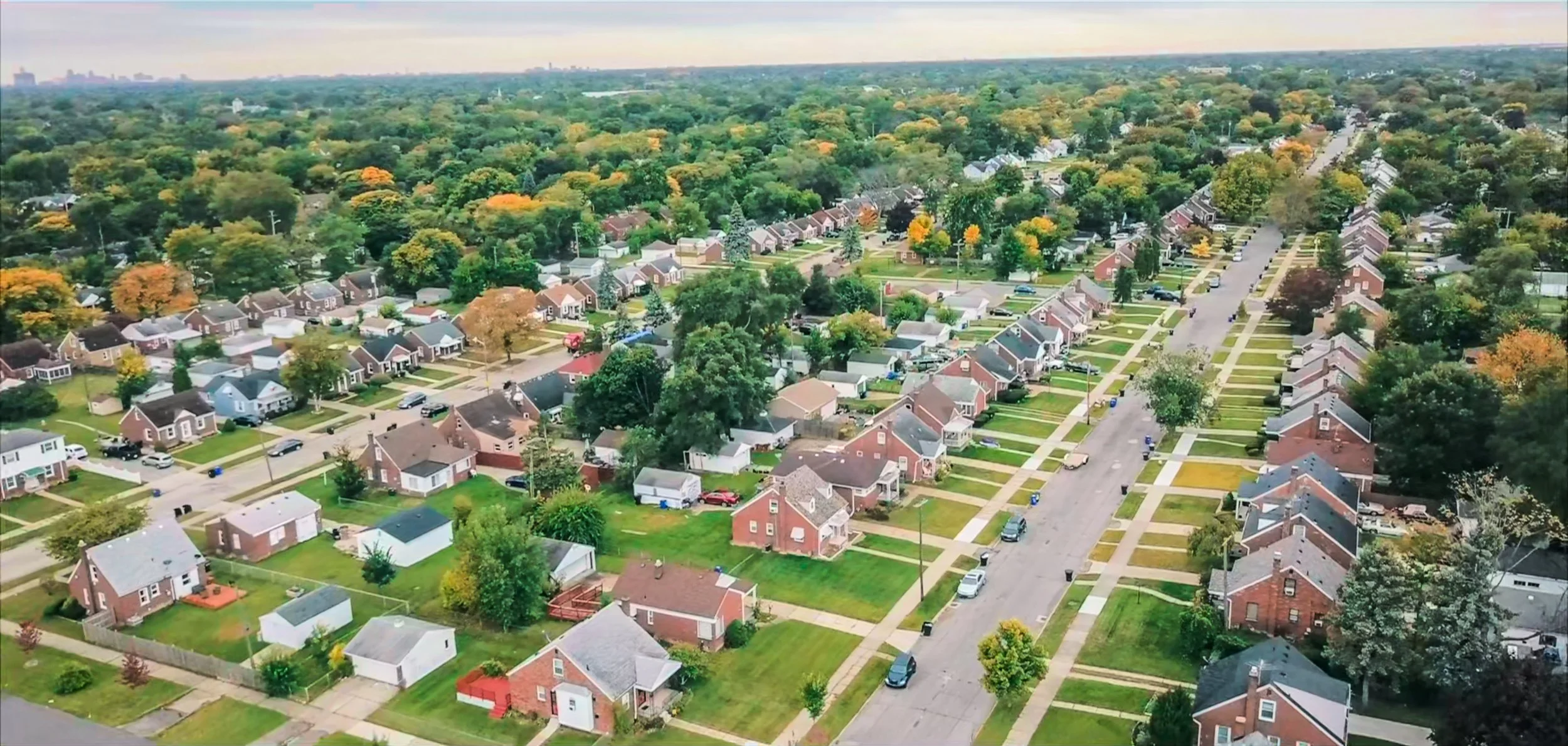
The YH trend matters because it addresses the "soul" of Detroit’s neighborhoods. For many years, there was a fear that a Detroit "comeback" would result in a sterile environment that ignored the city’s rich Black history and architectural heritage. The YH cohort, however, has shown a distinct preference for restoration over demolition. This generation values the original wood trim, leaded glass windows, and unique brickwork of Detroit’s 1920s-era bungalows and Tudors.
By choosing to restore rather than rebuild, YH participants are preserving the visual history of neighborhoods like The North End, Fitzgerald, and East English Village. This architectural continuity is essential for maintaining the "sense of place" that makes Detroit unique. Furthermore, because a significant portion of the YH demographic includes Black professionals and creatives returning to or staying in the city, the trend supports the preservation of Detroit as a center for Black wealth and culture.
Social cohesion is also a major byproduct. In 2026, we see a bridge being built between legacy residents (those who stayed in Detroit through its most difficult years) and the YH newcomers. While friction can exist, many YH participants enter neighborhoods with a "listening first" mentality. They join existing neighborhood associations and support long-standing local businesses. This intergenerational exchange is crucial; legacy residents provide the history and "neighborhood lore," while the YH cohort provides the physical energy and digital connectivity to advocate for city services via platforms like the "Improve Detroit" app.
Addressing the Challenges: Infrastructure and Affordability
While the YH trend is overwhelmingly positive, it matters because it highlights the systemic challenges that Detroit must still overcome. The trend has brought renewed attention to the "Detroit Tax"—the high cost of car insurance, property taxes, and utility rates that residents pay compared to their suburban counterparts. For a young homeowner on a budget, these costs can be prohibitive, even if the purchase price of the home was low.
Another critical factor is the state of neighborhood infrastructure. The YH trend has forced the city to accelerate repairs on water mains, street lighting, and sidewalk connectivity. As more young people move into neighborhoods like Jefferson-Chalmers or Bagley, the demand for reliable high-speed internet and updated electrical grids increases. These homeowners are often the loudest voices at City Council meetings, pushing for the infrastructure upgrades that benefit everyone on the block.
Affordability remains a nuanced issue. As the YH trend gains momentum, there is a risk that property values will rise too quickly for the next wave of young buyers or that rising taxes will burden legacy residents. To combat this, Detroit has implemented programs such as the Neighborhood Enterprise Zone (NEZ) homestead exemptions, which provide tax relief to those who invest in their homes. Understanding how the YH trend interacts with these policies is essential for anyone looking to measure the long-term viability of Detroit’s neighborhood-level recovery.
The Role of Youth Hubs and Community Resources
A secondary but vital component of the YH trend is the rise of Youth Hubs (also YH). These are community-centric spaces that provide the "soft infrastructure" needed for the trend to thrive. In 2026, these hubs serve as tool libraries, renovation workshops, and networking spaces for young homeowners. They bridge the gap between having a deed to a house and actually knowing how to tuck-point a chimney or navigate a zoning board appeal.
These hubs often partner with organizations like Brick + Beam Detroit to provide hands-on training. This reduces the "failure rate" of renovations. By empowering young residents with technical skills, the YH trend becomes more sustainable. It transforms a daunting renovation project into a manageable, community-supported endeavor. The success of these hubs demonstrates that the YH trend is not just about real estate; it is about human capital and the transfer of skills across generations.
Future Outlook: Detroit in the 2030s
Looking ahead, the YH trend is the foundation for what Detroit will look like in the 2030s. If the current momentum continues, we can expect to see a city with significantly fewer vacant lots and a more balanced age demographic. The trend is currently creating a "proof of concept" for urban living that prioritizes community over convenience.
The success of the YH movement will ultimately be judged by its inclusivity. If the trend remains accessible to a diverse range of income levels and backgrounds, it will serve as a national model for how American legacy cities can rebuild from the ground up. The focus remains on ensuring that the "Young" in Young Homeowners includes the kids currently growing up in Detroit’s schools, giving them a clear path to owning a piece of their hometown.
Frequently Asked Questions
What exactly is the YH trend in Detroit? The YH trend refers to the Young Homeowners movement, where Millennials and Gen Z residents are purchasing and restoring vacant or distressed properties in Detroit. The trend emphasizes owner-occupancy, community involvement, and the use of city programs like the Detroit Land Bank to stabilize neighborhoods.
How does the YH trend help legacy residents who have lived in Detroit for decades? By reducing vacancy and blight, the YH trend increases the safety and aesthetic appeal of the neighborhood. Furthermore, as YH participants renovate homes, nearby property values rise, allowing legacy residents to build home equity. Many YH participants also revitalize block clubs, providing more collective bargaining power for city services.
Are there financial incentives for young homeowners in Detroit in 2026? Yes, several programs support this trend. The Detroit Land Bank Authority offers discounts for city employees and residents of certain areas. Additionally, the Neighborhood Enterprise Zone (NEZ) provides significant property tax reductions for homeowners who perform a minimum amount of rehabilitation on their properties.
Is the YH trend causing gentrification? Unlike traditional gentrification, which often involves the demolition of old structures for luxury condos, the YH trend focuses on the restoration of existing, often vacant, housing stock. While property values do rise, the primary goal is "in-fill" development—filling the gaps in existing neighborhoods rather than displacing current residents.
What are the biggest risks for someone joining the YH movement? The primary risks include the high cost of specialized renovations (such as lead abatement or historic window repair), high insurance premiums, and the potential for unexpected infrastructure issues like sewer line failures. Potential homeowners are encouraged to utilize Detroit’s "Youth Hubs" and tool libraries to mitigate these costs.
Recommended Next Actions
For those looking to engage with or support the YH trend in Detroit, the first step is to visit the Detroit Land Bank Authority website to view available inventory and understand the "Buy Detroit" requirements. Prospective homeowners should also attend a District Meeting or join a local Block Club in their area of interest to understand the specific needs and culture of that neighborhood. Finally, exploring the Neighborhood Enterprise Zone (NEZ) map can help buyers identify areas where tax abatements are available, making long-term homeownership significantly more affordable.
Image Gallery