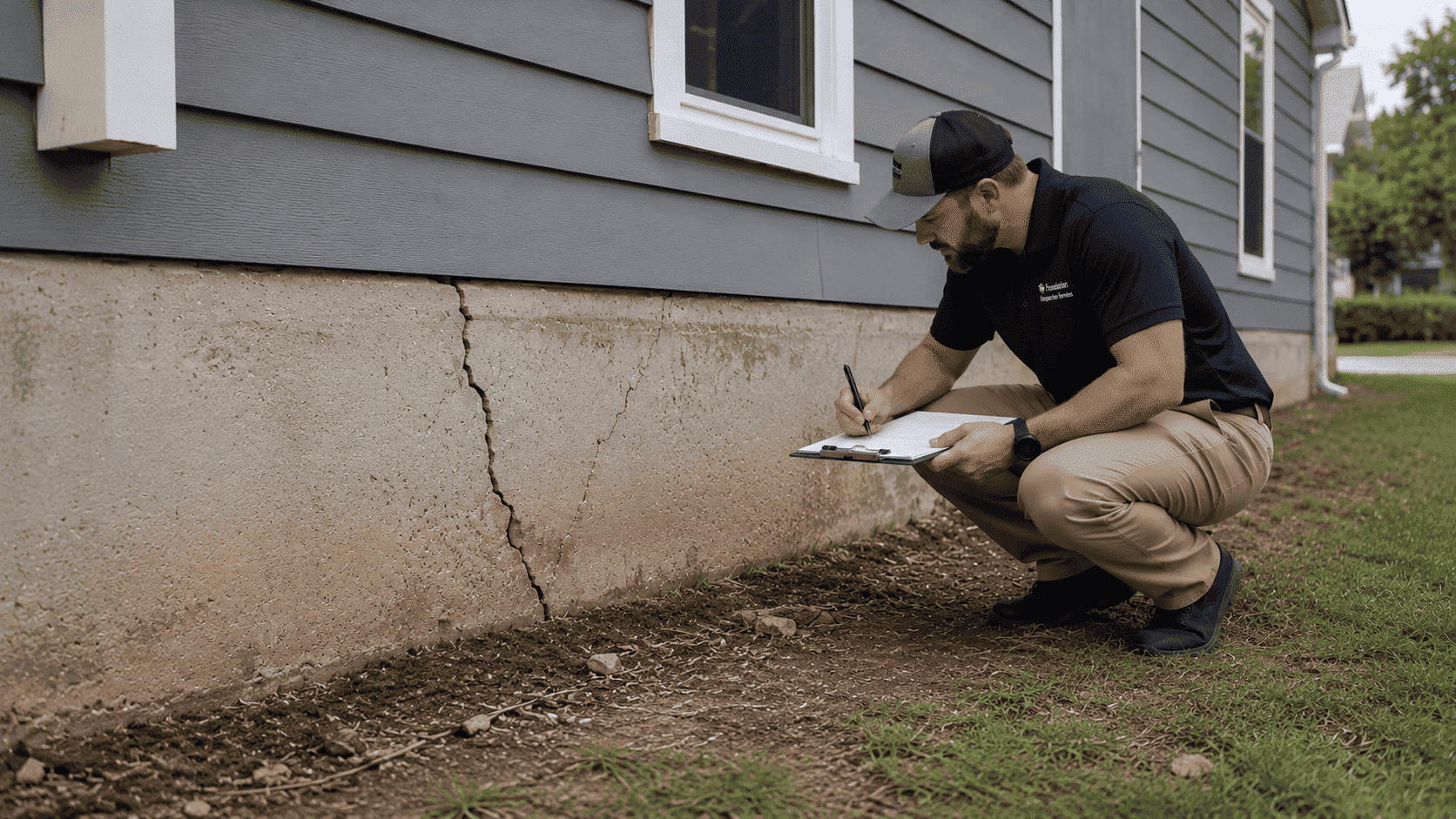
Understanding the Cost of TX Foundation Repair
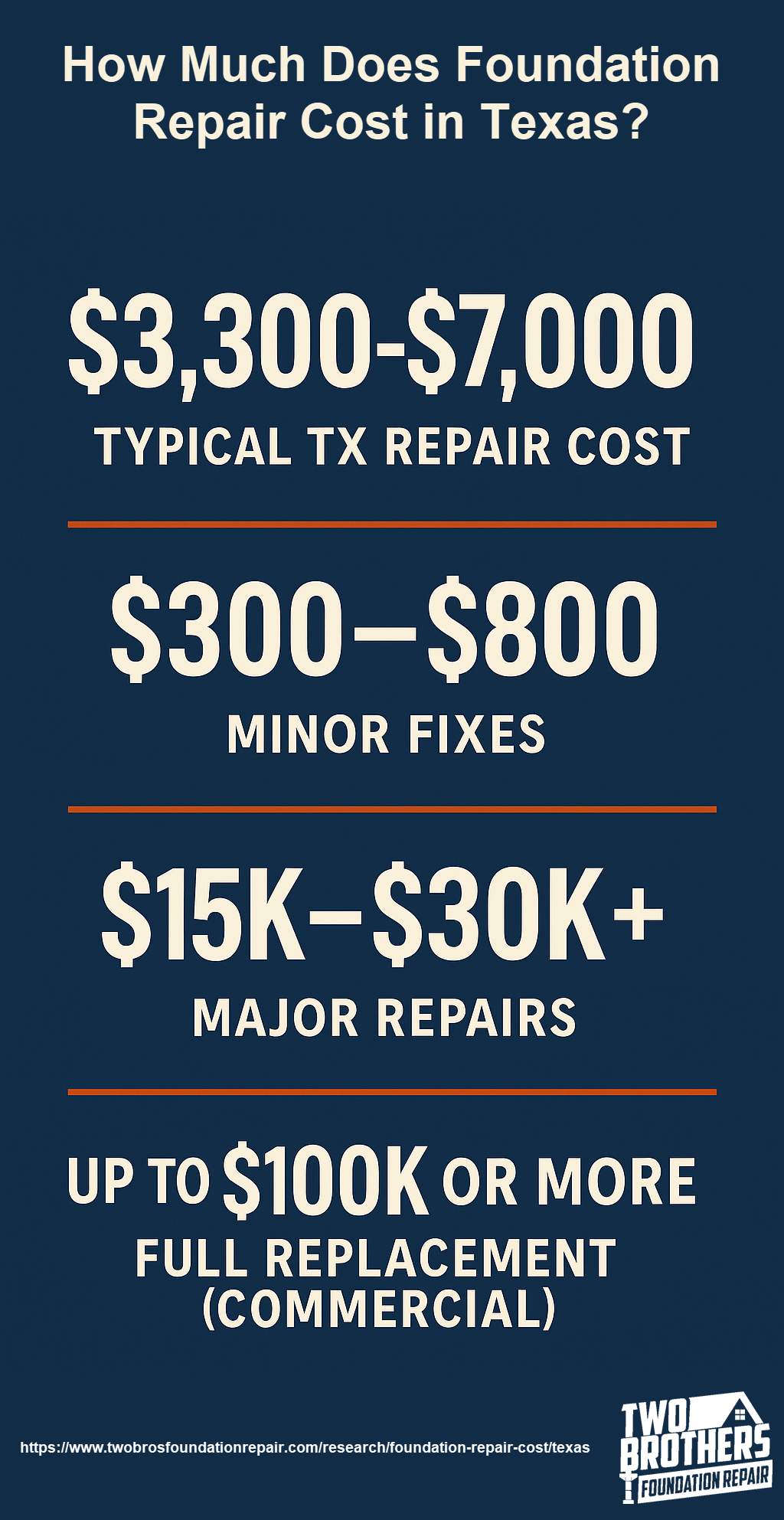
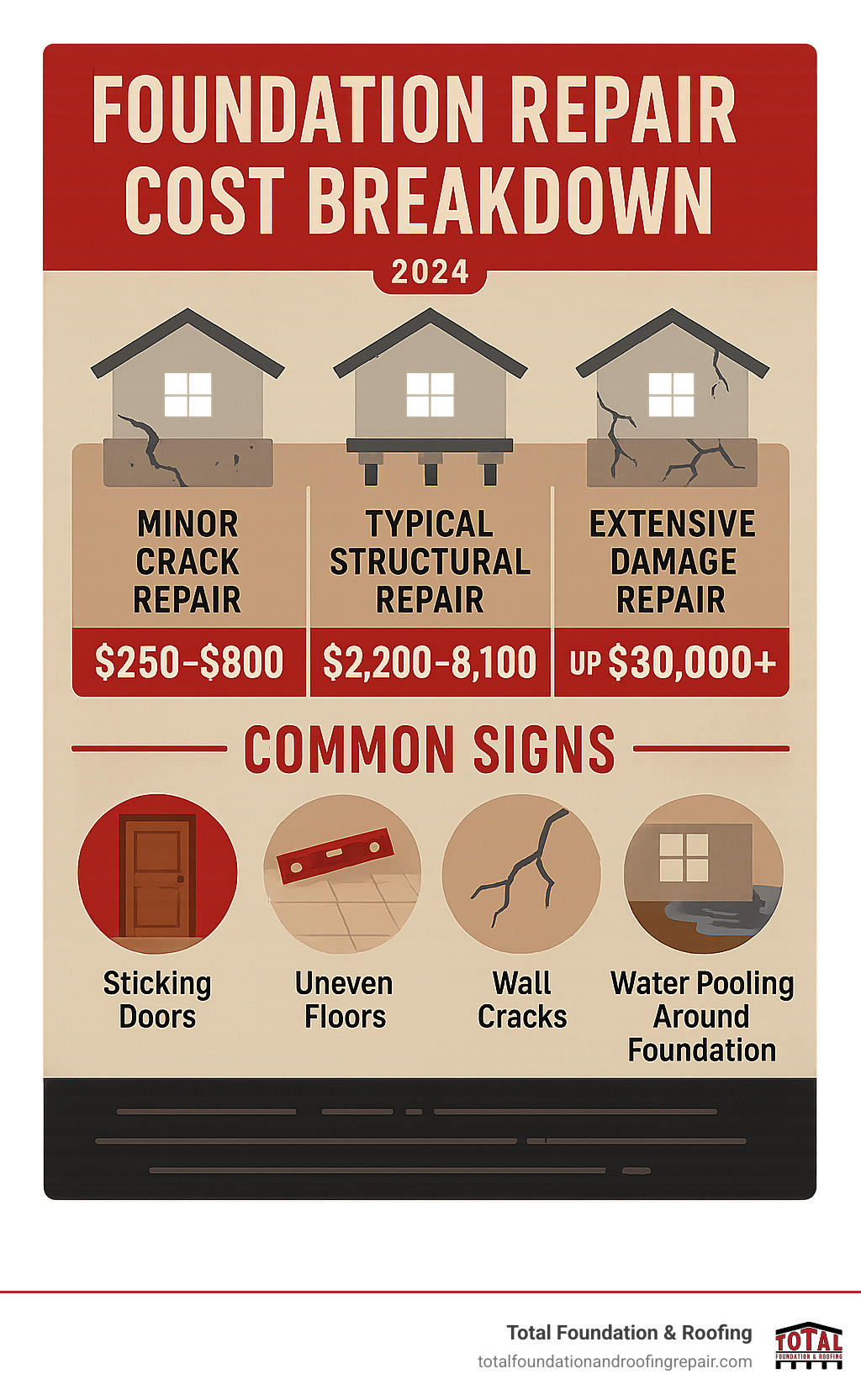
In 2026, the cost of foundation repair in Texas typically ranges from $4,500 to $15,000 for average residential properties, though extensive structural stabilization can exceed $30,000. Total expenses depend on the repair method, the n...
In 2026, the cost of foundation repair in Texas typically ranges from $4,500 to $15,000 for average residential properties, though extensive structural stabilization can exceed $30,000. Total expenses depend on the repair method, the number of piers required, and the specific geological challenges of the Texas soil in your region.
Contents
The Geological Reality of Texas Foundation Issues
To understand why foundation repair costs vary so significantly across the Lone Star State, one must first look at the ground beneath the structure. Texas is notorious for its expansive clay soils, particularly in the "Blackland Prairie" region stretching from Dallas-Fort Worth down through Austin and into San Antonio. This soil acts like a sponge; it swells significantly when saturated with water and shrinks drastically during the hot, dry Texas summers.
This constant movement creates vertical and horizontal pressure on concrete slabs and pier-and-beam footings. In 2026, as climate patterns continue to fluctuate, Texas homeowners face increased soil "active zones"—the depth to which soil moisture changes. When soil shrinks away from a foundation, the heavy structure loses its support and "settles" or "drops." Repairing this requires lifting the home back to its original grade, a process that involves specialized equipment and significant labor.
Primary Factors Influencing Foundation Repair Costs
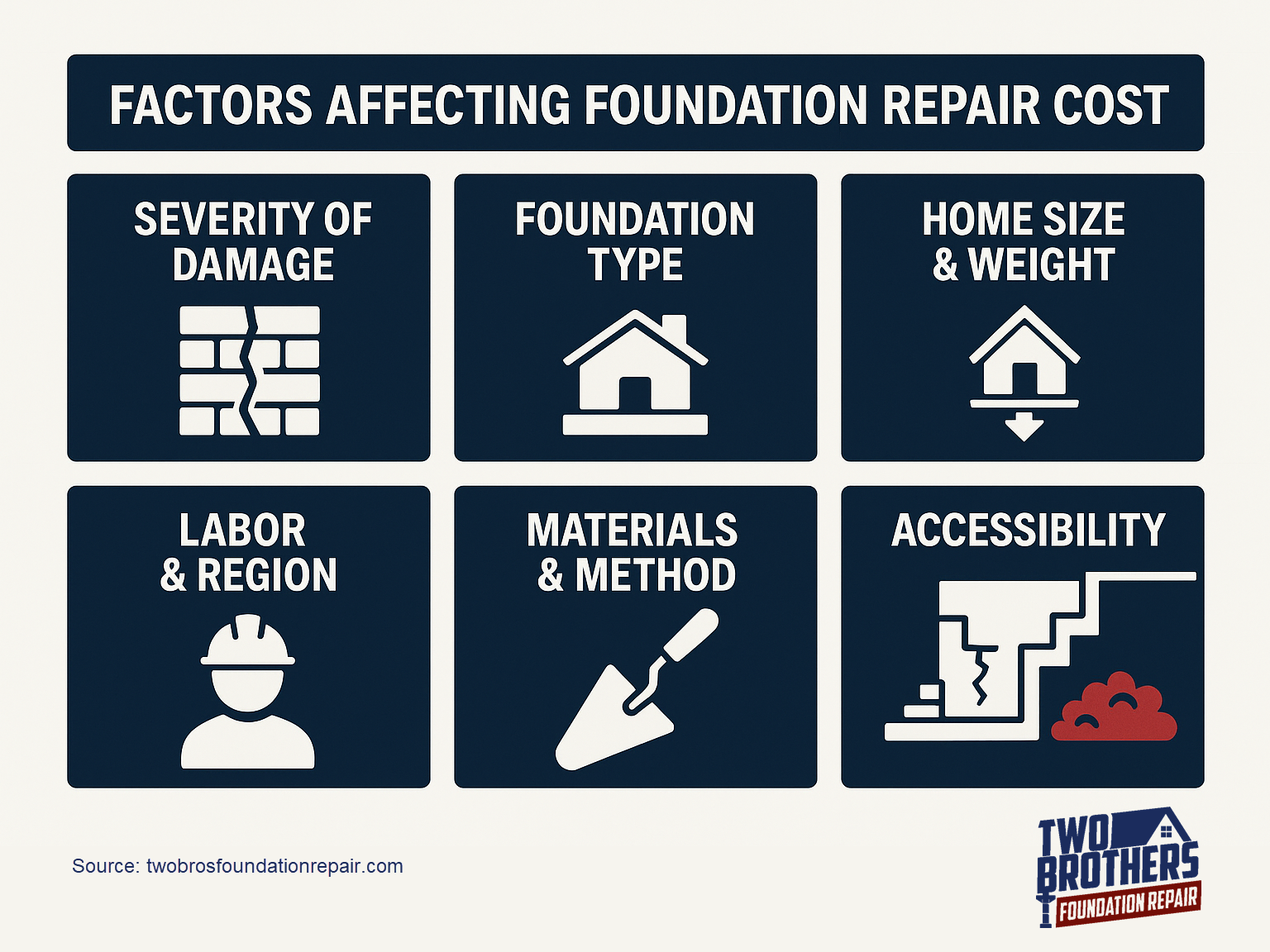
The final invoice for a foundation project is rarely a flat fee. Instead, it is a calculation based on several technical variables that contractors must evaluate during an initial inspection.
Number and Type of Piers
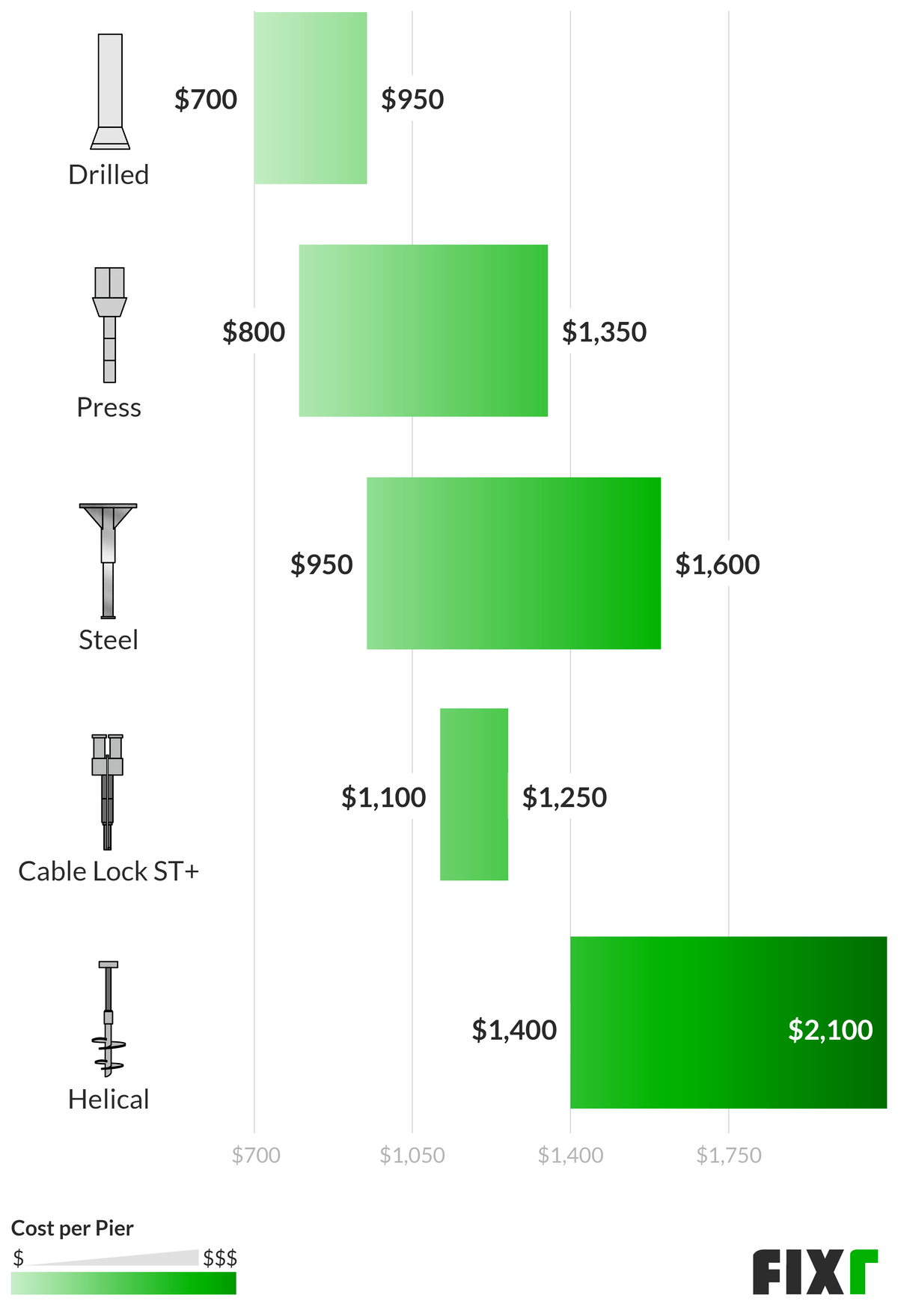
The most significant cost driver is the number of support piers needed to stabilize the perimeter and interior of the home. In 2026, contractors generally charge per pier.
- Concrete Pressed Pilings: These remain the most common solution in Texas due to their balance of cost and effectiveness.
- Steel Piers: These are more expensive but can reach deeper "refusal" points (bedrock), making them necessary in areas with deep clay deposits.
- Helical Piers: Often used for lighter structures or specific soil types, these are screwed into the ground.
Depth to Refusal
In regions like Houston or parts of the Gulf Coast, the stable soil or bedrock may be 30 to 50 feet deep. In parts of Central Texas, it might only be 10 feet deep. The deeper the crew must drive the piers to reach stable ground, the higher the labor and material costs.
Accessibility and Obstructions
If a foundation repair crew can easily access the perimeter with hydraulic rams, costs remain standard. However, if they must break through concrete patios, move HVAC units, or tunnel under the home to reach interior "settlement" points, the labor hours—and the price—will climb.
Average Cost Breakdown by Repair Method (2026 Estimates)
The following table provides a comparative look at the common technologies used in Texas as of 2026. Note that these are estimated ranges and can fluctuate based on local labor rates in major metros like Houston, Dallas, or Austin.
| Repair Method | Estimated Cost Per Unit | Typical Total Project Range | Best Use Case |
|---|---|---|---|
| Concrete Pressed Piers | $450 – $650 | $5,000 – $12,000 | Standard residential slab-on-grade |
| Steel Piers | $850 – $1,200 | $12,000 – $25,000+ | Deep soil stabilization / Heavy loads |
| Helical Piers | $900 – $1,400 | $10,000 – $20,000 | New construction or high-torque needs |
| Polyurethane Injection | $2,500 – $7,000 (total) | $3,000 – $8,000 | Void filling or minor leveling |
| Mudjacking | $15 – $25 per sq. ft. | $2,500 – $6,000 | Driveways, sidewalks, or garage floors |
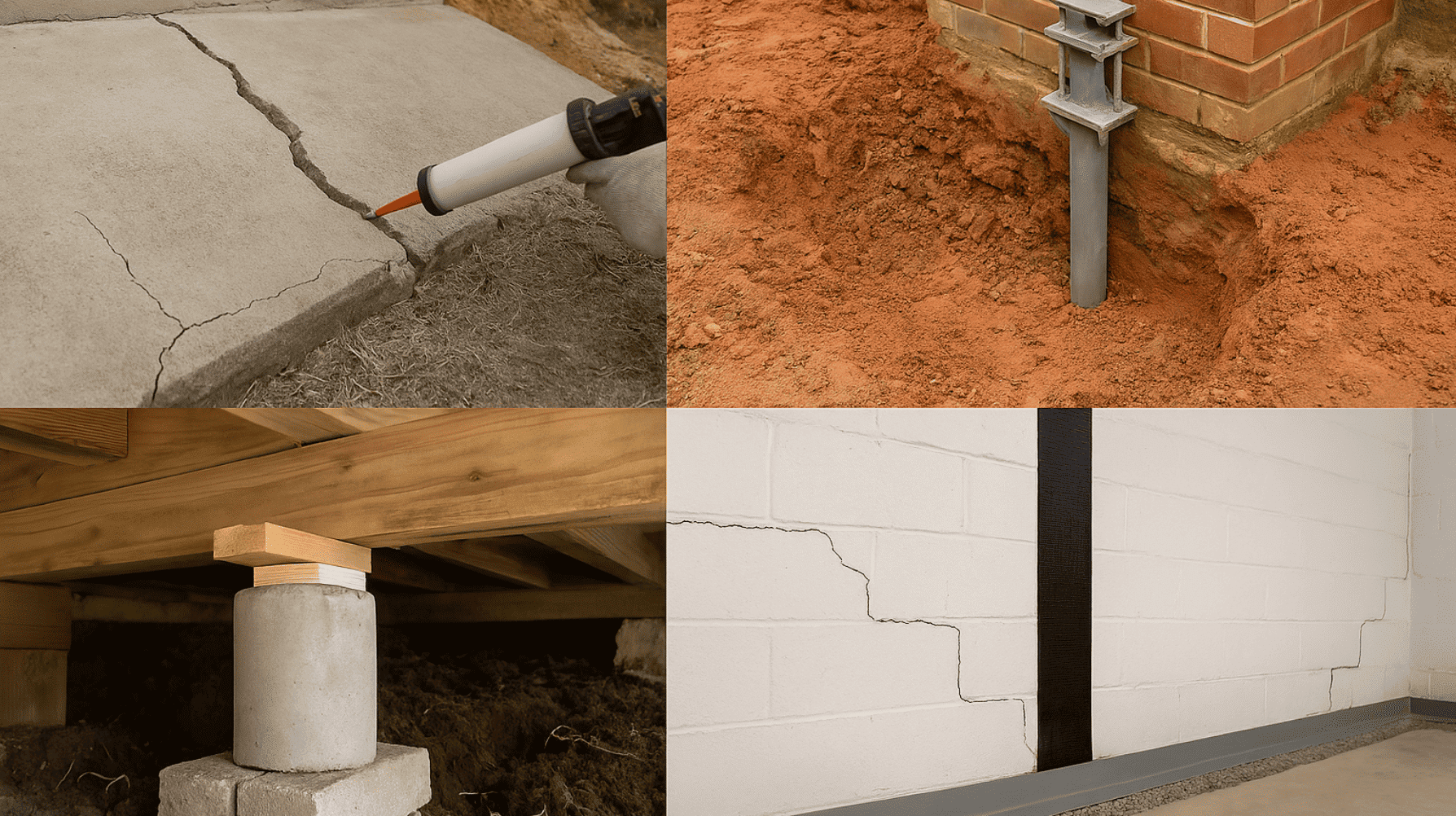
| Pier & Beam Repair | Variable | $4,000 – $15,000 | Older homes with crawlspaces |
Hidden Costs: The "Aftermath" of Foundation Leveling
A common mistake Texas homeowners make is budgeting only for the piers themselves. Foundation repair is a disruptive process that can trigger secondary expenses.
Structural Engineering Reports
Most reputable Texas contractors and municipal building departments require a report from a Licensed Professional Engineer (P.E.) before and after the work. In 2026, these reports typically cost between $600 and $1,200. While it seems like an extra expense, an independent engineer ensures the repair plan is structurally sound and not just a sales tactic.
Plumbing and Hydrostatic Testing
When a house is lifted even an inch or two, the rigid plumbing pipes (especially older cast iron or PVC) under the slab may crack or disconnect. A hydrostatic pressure test is mandatory after leveling to ensure no leaks were created. If a leak is detected, under-slab plumbing repairs can add $3,000 to $10,000 to the total project cost.
Cosmetic Repairs
Once the home is leveled, the cracks in the drywall or brick may close, but they will still need professional patching and painting. Doors that were planed down to fit crooked frames may now need to be replaced or re-hung.
Regional Variations Within Texas
The cost of foundation repair is not uniform across the state due to differing soil chemistry and local economic factors.
- Dallas-Fort Worth (DFW): High demand and highly expansive clay (Eagle Ford Shale) often lead to higher pier counts. Expect prices on the higher end of the state average.
- Houston/Gulf Coast: The "active zone" is deep, and moisture levels are high. Heavy use of pressed concrete piers is common, but steel is often recommended for coastal subsidence issues.
- Austin/San Antonio: The terrain is rockier. While some areas have clay, others sit on limestone. Costs can be lower if bedrock is reached quickly, but "drilling" into rock for piers can add specialized labor fees.
Insurance and Financing Options in 2026
Standard Texas homeowners insurance policies generally do not cover foundation repair caused by earth movement, seepage, or settling. Coverage is typically only triggered if the foundation damage was a direct result of a covered peril, such as a sudden "burst pipe" (ensuing water damage).
Because of the high cost, many Texas foundation companies offer third-party financing. In 2026, interest rates for home improvement loans typically range from 7% to 12% depending on creditworthiness. Some homeowners opt for a Home Equity Line of Credit (HELOC), which may offer tax advantages, though you should consult a financial advisor regarding current 2026 tax codes.
How to Verify a Texas Foundation Contractor
Texas does not have a specific state-level license for foundation repair contractors, making it a "buyer beware" market. To protect your investment:
- Check for Hired Engineers: Ensure they use an independent third-party engineer for the final certification.
- Review the Warranty: A "Lifetime Transferable Warranty" is standard in the industry, but it is only as good as the company's longevity. Research how long the firm has been operating under the same name.
- Better Business Bureau (BBB): Look for an A+ rating and read recent reviews from 2025 and 2026 to gauge current service quality.
Frequently Asked Questions
Does foundation repair increase the value of a Texas home?
Foundation repair does not necessarily "increase" the value above market rate, but it preserves it. Most buyers in Texas will not be able to secure a traditional mortgage on a home with structural instability. Completing the repair and providing an engineer's "passing" report is essential for a successful sale.
How long does the average repair take?
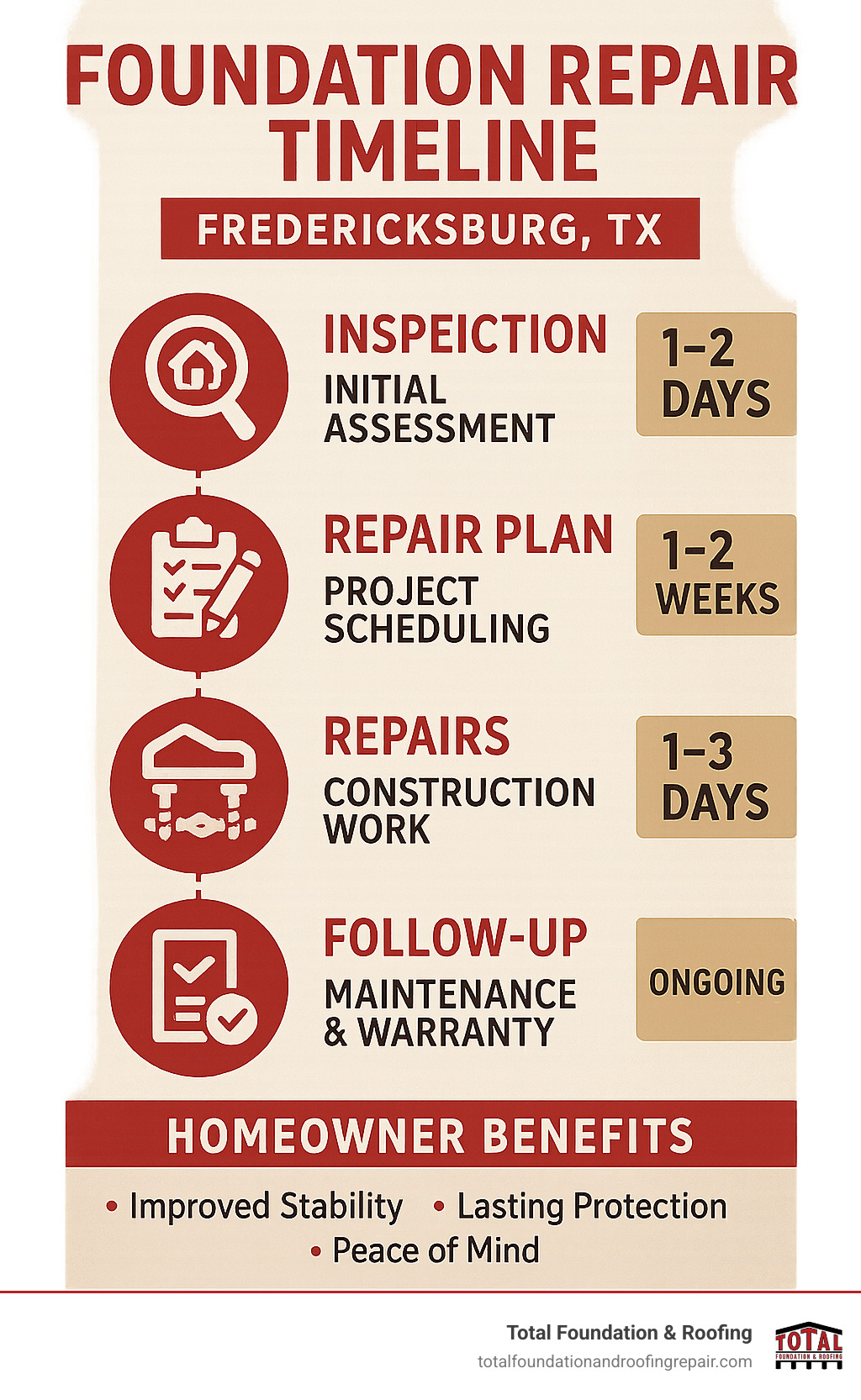
For a standard 2,000-square-foot home requiring 15 to 20 piers, the exterior work usually takes 2 to 4 days. If interior piers or extensive tunneling are required, the timeline may extend to a week or more.
Can I wait to fix my foundation?
Delaying foundation repair in Texas usually leads to higher costs. As the house continues to settle, the number of piers required increases, and the secondary damage to plumbing, roofing, and interior finishes becomes more severe.
Is watering my foundation a real thing?
Yes, in Texas, "foundation watering" via soaker hoses is a common preventative measure recommended by engineers to keep soil moisture levels consistent. However, once structural cracking has occurred, watering will not reverse the damage; it can only help prevent further movement after repairs are made.
Final Recommendation for Homeowners
If you suspect foundation movement, the first step is to hire an independent structural engineer who does not sell repair services. For a few hundred dollars, you will receive an unbiased assessment of whether your home actually needs piers or if the movement is within "tolerable" limits. If repairs are necessary, obtain at least three quotes from established Texas contractors, ensuring each quote accounts for the cost of permits, engineering reports, and post-repair plumbing tests.
Image Gallery