Understanding the Highest Tier of Travel Experiences: The Ultra-Luxury Paradigm
The highest tier of travel experiences, often categorized as ultra-luxury or "UHNW" (Ultra-High-Net-Worth) travel, centers on absolute privacy, hyper-personalization, and frictionless logistics. It transcends standard five-star ameniti...
The highest tier of travel experiences, often categorized as ultra-luxury or "UHNW" (Ultra-High-Net-Worth) travel, centers on absolute privacy, hyper-personalization, and frictionless logistics. It transcends standard five-star amenities by offering exclusive access to restricted locations, customized staffing, and private transport, ensuring that time—the traveler’s most valuable asset—is fully optimized.
Contents
Defining the Ultra-Luxury Segment in 2026
To understand the highest tier of travel, one must first distinguish it from the "premium" or "luxury" categories commonly marketed to the general public. While luxury travel typically involves flying first class on a commercial airline or staying in a suite at a well-known hotel brand, ultra-luxury operates on a different plane of existence. In 2026, this segment is defined by "invisible service" and the "economy of access."
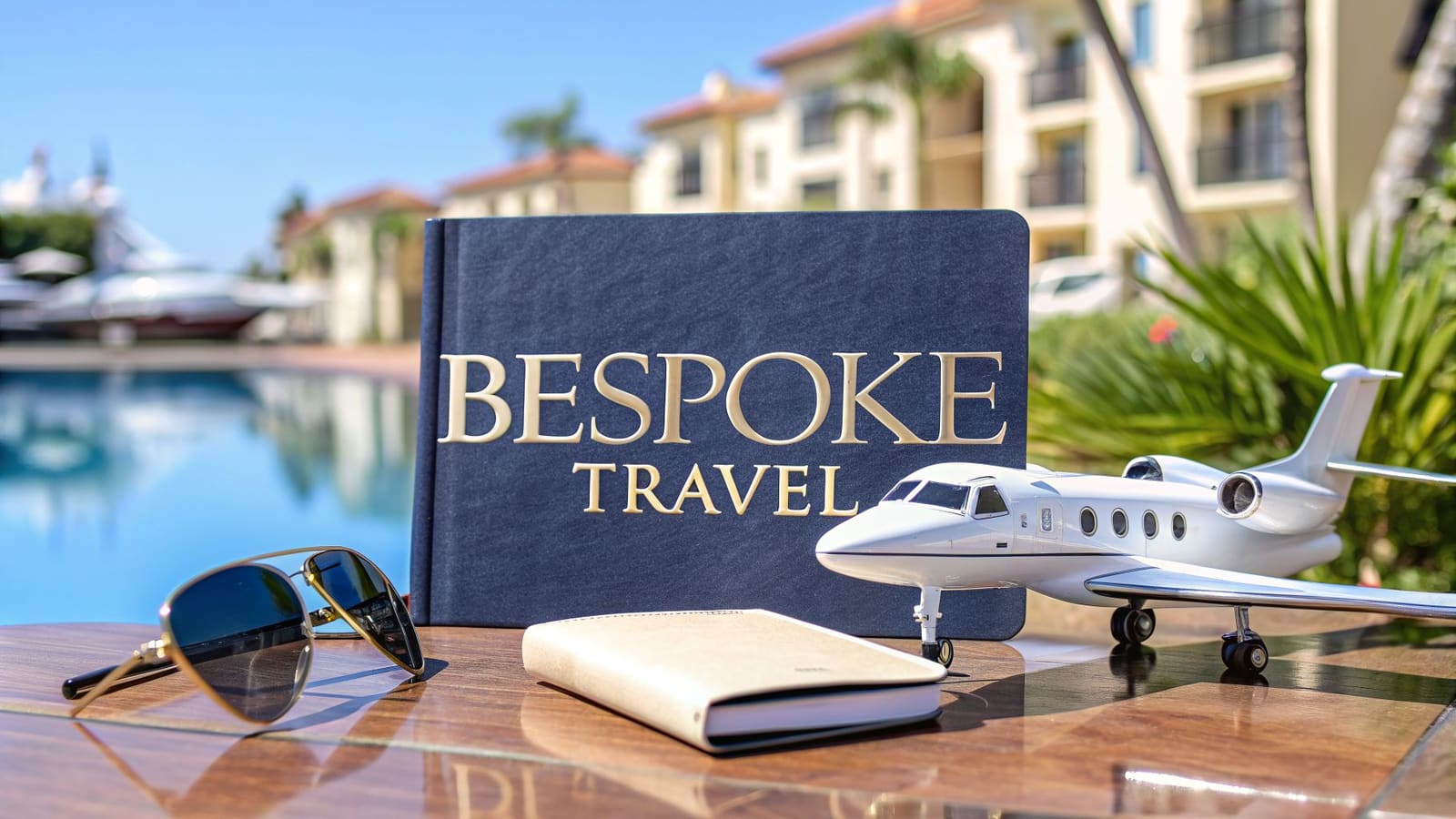
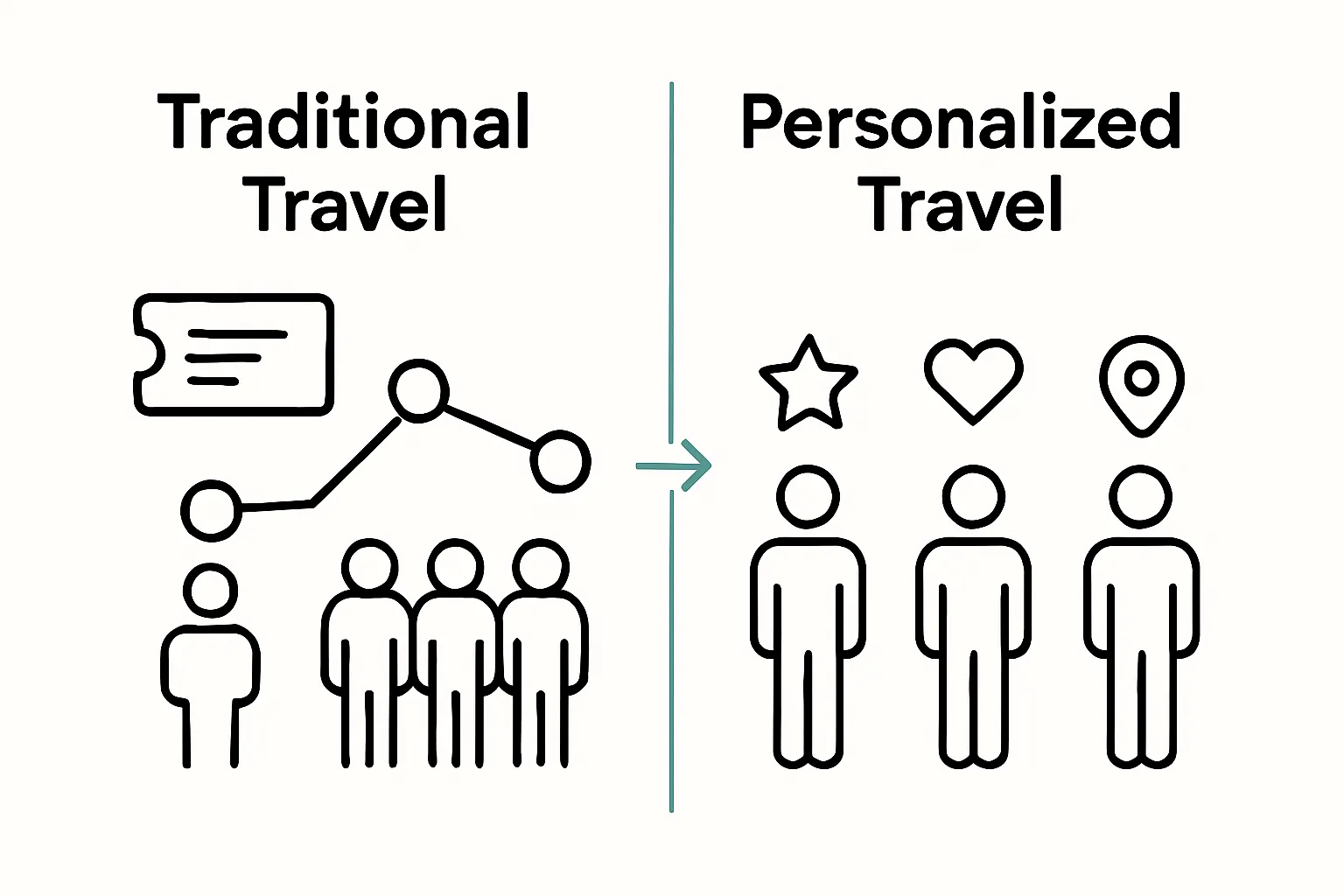
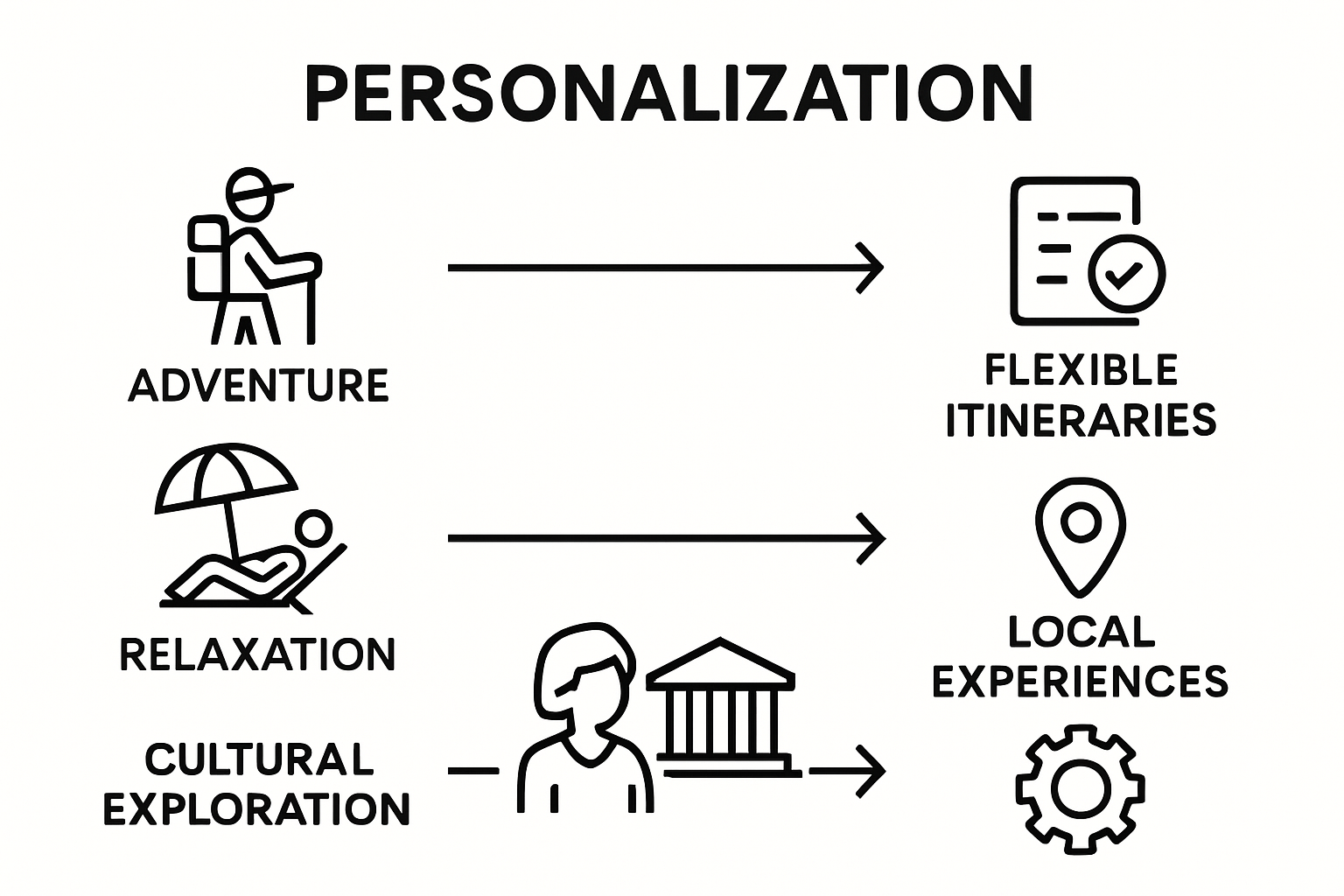
The primary differentiator is the shift from curated experiences to bespoke creation. A luxury traveler chooses from a menu of high-end options; an ultra-luxury traveler commissions an experience that did not exist until they requested it. This might involve reopening a closed historical site for a private dinner, securing a temporary residence in a location where no hotels exist, or arranging a scientific expedition led by world-renowned experts.
Privacy has become the ultimate luxury. In an era of digital saturation, the highest tier of travel prioritizes "stealth wealth" and seclusion. This includes the use of private terminals (FBOs), non-indexed villas, and digital-free zones where security is managed by elite teams capable of providing protection without being intrusive.
The Pillars of Elite Logistics: Aviation and Yachting
Logistics form the backbone of the highest tier of travel. When commercial schedules and public infrastructure are no longer sufficient, private assets become the standard requirement.
Private Aviation and the 2026 Landscape
Private aviation is the entry point for ultra-luxury travel. In 2026, the focus has shifted toward fractional ownership and high-utilization jet cards rather than full aircraft ownership, due to the operational complexities involved. Travelers utilize long-range jets like the Bombardier Global 7500 or the Gulfstream G700, which can fly 14 hours non-stop, connecting global financial hubs to remote island retreats.
The "highest tier" here is not just the jet itself, but the FBO (Fixed Base Operator) experience. This allows travelers to arrive at the airport five minutes before takeoff, bypass all security queues in private lounges, and be driven directly to the aircraft steps.
Mega-Yacht Charters
For maritime travel, the highest tier is represented by mega-yacht charters (vessels exceeding 60 meters). These are essentially floating six-star resorts with a crew-to-guest ratio that often exceeds three-to-one. These vessels come equipped with "shadow boats" to carry toys (submersibles, jet skis, helicopters) so the main vessel remains a sanctuary of quiet.
Exclusive Access and the Role of the Modern Concierge
The highest tier of travel is gated. Access is often managed by elite concierge firms or private family offices. These entities do not merely book flights; they manage the entire lifecycle of a journey, often months in advance.
Requirements for entry into this tier often include:
- Invitation-only Memberships: Services like Quintessentially or the Centurion program from American Express provide a baseline, but the highest tier often involves boutique firms that limit their client base to a few dozen families worldwide.
- Vetting and Referrals: Many of the world’s most exclusive villas and private islands do not appear on booking sites. Access is granted only after a vetting process or a referral from a trusted intermediary.
- Professional Intermediaries: UHNW travelers rarely plan their own trips. They utilize "Travel Designers" who possess deep geopolitical knowledge and can navigate local bureaucracies to secure permits for restricted zones.
Comparison of Travel Tiers: 2026 Market Standards
The following table illustrates the shift in services and expectations as one moves from traditional high-end travel into the highest tier of ultra-luxury.
| Feature | Premium Luxury (5-Star) | Ultra-Luxury (The Highest Tier) |
|---|---|---|
| Transportation | Commercial First Class | Private Jet Charter / Fractional Ownership |
| Accommodation | Presidential Suite in a Hotel | Private Island or Estate Buyout |
| Staffing | Hotel Butler Service (Shared) | Dedicated Household Staff & Private Chef |
| Itinerary | Pre-planned Excursions | Real-time, Fluid Bespoke Planning |
| Privacy | Public Lobby / Shared Amenities | Private Entrance / Total Seclusion |
| Security | Standard Hotel Security | Dedicated Detail / Risk Management |
| Access | Publicly Available Tours | Restricted/Private Site Access |
The Rise of Transformative and Regenerative Experiences
In 2026, the highest tier of travel has evolved beyond mere consumption. The modern elite traveler seeks transformative experiences—journeys that change the traveler’s perspective or provide deep personal growth. This often manifests in two specific areas:
1. Longevity and Bio-Hacking Retreats
Ultra-luxury travelers are increasingly focused on health as a form of wealth. The highest tier of travel includes stays at specialized clinics like SHA Wellness Clinic or Lanserhof, where travel is combined with advanced medical diagnostics, genetic testing, and personalized longevity protocols. These are not mere "spas"; they are clinical environments that offer the highest level of medical technology in a resort setting.
2. Scientific and Conservation Philanthropy
The "highest tier" now frequently involves regenerative travel. This might include joining a marine biology team on a private submersible to tag endangered species or funding a reforestation project in the Amazon while staying in a high-tech, eco-friendly mobile camp. The value here is the "insider access" to global solutions and the ability to contribute to a legacy.
Financial Considerations and Cost Structures
Understanding the highest tier requires a realistic view of the costs involved. In 2026, these experiences are priced not just on the quality of the assets, but on the complexity of the execution.
- Private Island Buyouts: A buyout of a location like Necker Island or Laucala Island typically starts at $50,000 to $150,000 per night, often with a one-week minimum.
- Private Aviation: A mid-range jet charter can cost between $6,000 and $12,000 per flight hour. A round-trip trans-Atlantic flight on a heavy jet can easily exceed $200,000.
- Expert Integration: Hiring a former NASA astronaut or a renowned historian to accompany a trip as a private guide can cost $5,000 to $15,000 per day, plus all expenses.
These costs are often all-inclusive of staffing and customized food and beverage programs, which are flown in specifically to meet the traveler's dietary requirements and preferences.
Common Pitfalls and Troubleshooting the Experience
Even at the highest level, travel can encounter friction. The difference in the highest tier is how these issues are resolved.
- Logistical Failures: Weather or mechanical issues with private aircraft can occur. The highest tier of service includes "recovery" protocols—having a backup aircraft on standby or "shadowing" the primary itinerary with alternative logistics.
- Security Breaches: In an era of drone technology and paparazzi, maintaining privacy is a technical challenge. Ultra-luxury providers use "electronic counter-measures" and privacy-fencing to ensure the traveler's image is protected.
- Cultural Missteps: When traveling to remote or sensitive areas, a common mistake is a lack of cultural context. Top-tier designers provide "cultural fixers" who ensure that the presence of a wealthy traveler is respectful and beneficial to the local community.
Frequently Asked Questions
What is the difference between a travel agent and a travel designer?
A travel agent typically facilitates bookings within existing frameworks (hotels, flights, tours). A travel designer, who operates in the highest tier, builds a framework from scratch. They negotiate private access, hire custom staff, and manage complex logistics like shipping a client's private vehicle or wine collection to a remote destination.
How do I gain access to "off-market" properties?
Off-market properties are generally accessed through specialized management companies or high-end real estate brokers who handle "lifestyle rentals." These properties are not listed on public sites to protect the owner's privacy. Building a relationship with a dedicated ultra-luxury concierge is the standard way to view these portfolios.
Is space travel considered the highest tier of travel in 2026?
Yes, suborbital and orbital tourism represent the absolute peak of the travel hierarchy. While companies like Virgin Galactic and Blue Origin have made space more accessible, the cost (upwards of $450,000 per seat) and the physical requirements place it firmly at the top of the "experience" pyramid.
How is security handled in ultra-luxury travel?
Security is often "layered." It begins with advance teams who scout locations and secure perimeters before the guest arrives. During the trip, security personnel are typically low-profile, often doubling as drivers or personal assistants to ensure the traveler does not feel "monitored" while remaining completely safe.
Can individuals with a smaller budget access any "highest tier" elements?
Accessing the "highest tier" is difficult to do partially because the core of the experience is the integration of all services. However, one can experience elements, such as booking an "Empty Leg" private jet flight at a significant discount or using a high-end credit card’s concierge, though these do not offer the full bespoke creation found at the UHNW level.
Final Recommendation: Selecting the Right Intermediary
The most critical step in accessing the highest tier of travel is the selection of your intermediary. In 2026, you should prioritize firms that offer geographic specialization and technical transparency. Avoid agencies that promise "everything to everyone." Instead, seek out designers who have physical boots on the ground in your destination of choice and who can provide a detailed breakdown of their vetting process for private staff and security. The highest tier of travel is not just about where you go; it is about the expertise of the people who take you there.
Image Gallery