Schedule and Guidelines for Seeing the Pope in Public in 2026
In 2026, the Pope typically appears in public during the weekly Sunday Angelus at noon and the Wednesday General Audience, usually starting around 9:00 AM. While Sunday appearances are open to everyone in St. Peter’s Square, Wednesday...
In 2026, the Pope typically appears in public during the weekly Sunday Angelus at noon and the Wednesday General Audience, usually starting around 9:00 AM. While Sunday appearances are open to everyone in St. Peter’s Square, Wednesday audiences require free tickets. Additional appearances occur during major liturgical celebrations, such as Easter, Christmas, and specific holy days.
Contents
The Weekly Routine: Sunday Angelus and Wednesday Audiences
For most pilgrims and tourists visiting Rome, the most reliable way to see the Holy Father is through his two weekly public appointments. These events have remained the cornerstone of the papal public schedule for decades and continue to be the primary points of contact between the Pope and the general public in 2026.
The Sunday Angelus and Regina Caeli
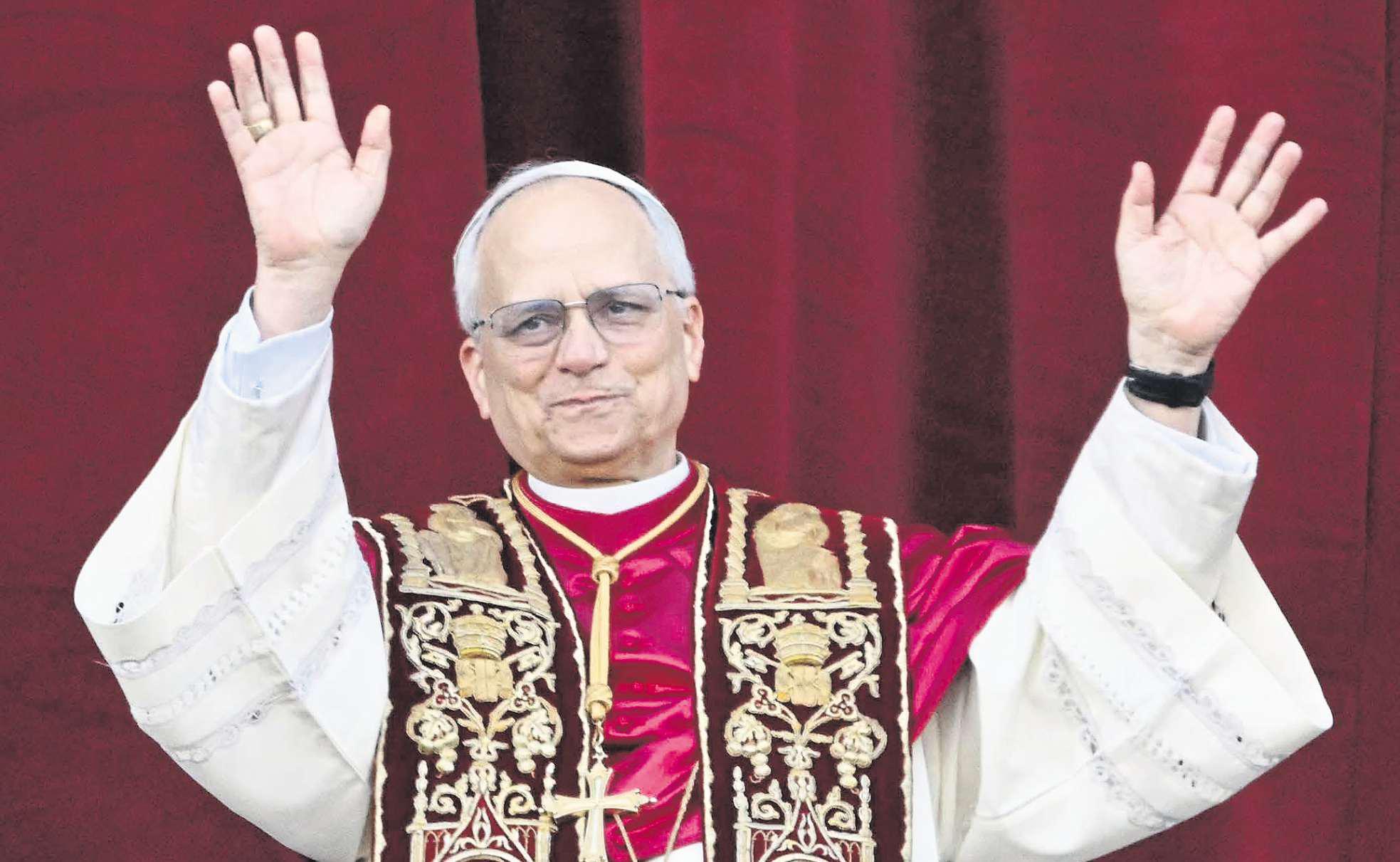
Every Sunday at 12:00 PM, the Pope appears at the window of his study in the Apostolic Palace, which overlooks St. Peter’s Square. During this brief appearance, he delivers a short reflection based on the day’s Gospel reading, comments on current world events, and leads the crowd in the Angelus prayer (or the Regina Caeli during the Easter season).
No tickets are required for the Sunday Angelus. The gates to St. Peter’s Square are open to the public, though visitors must still pass through security checkpoints. It is advisable to arrive at least 60 to 90 minutes early to clear security, as the lines can become quite long, particularly during the high tourist seasons of spring and autumn. The event usually lasts about 15 to 20 minutes.
Wednesday General Audiences
The General Audience is a more substantial event, typically beginning at 9:00 AM or 9:15 AM. These gatherings are held in St. Peter’s Square during months with favorable weather or in the Paul VI Audience Hall (Aula Paolo VI) during the winter or in cases of extreme heat or rain.
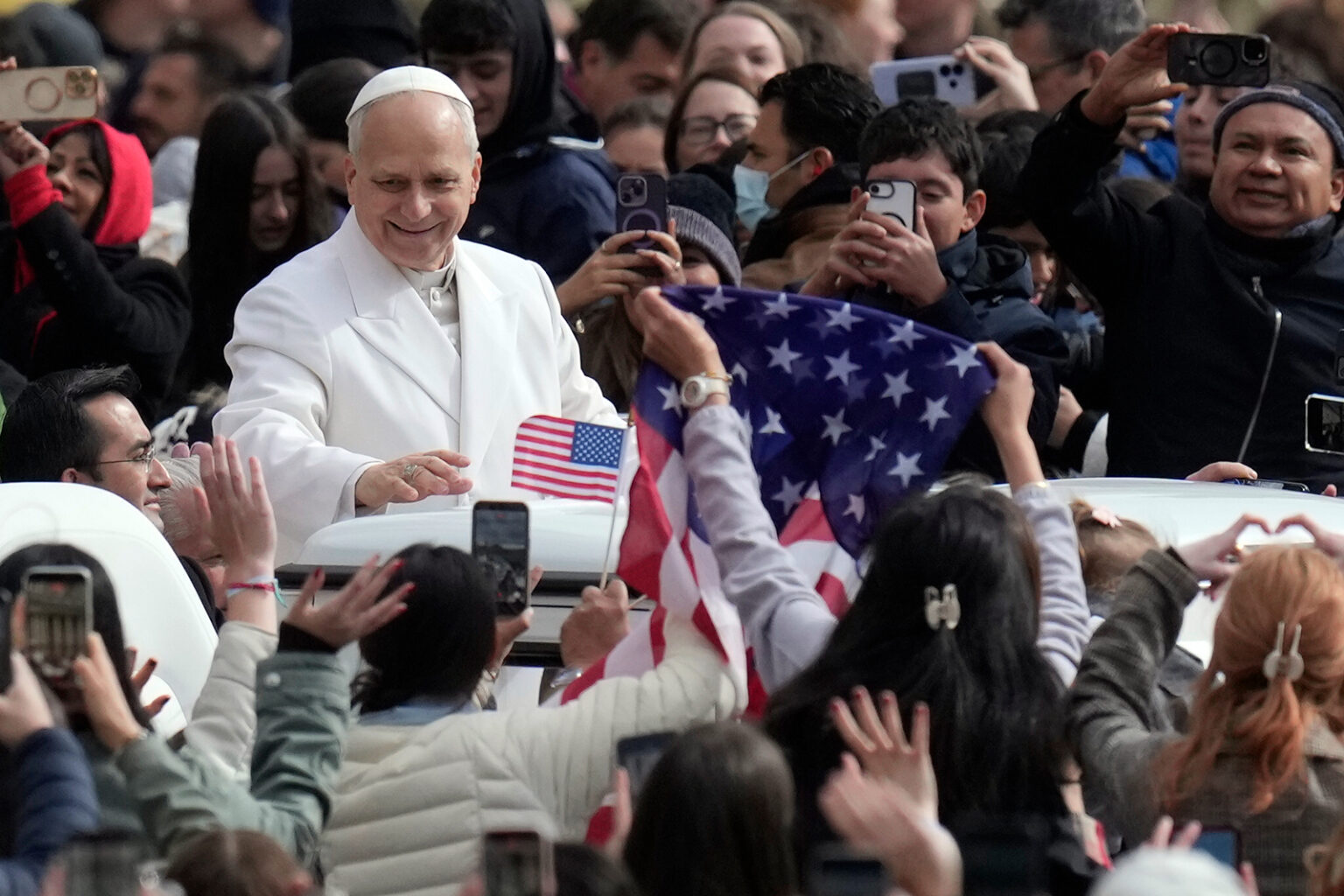
Unlike the Sunday Angelus, the Wednesday Audience is not a Mass. It is a time for the Pope to offer a "catechesis"—a specific teaching on a religious theme—to the gathered faithful. The Pope often spends the first 15 to 30 minutes of the event circulating through the crowd in the "Popemobile," greeting pilgrims and blessing children. This provides the closest physical proximity most people will ever have to the Pontiff.
The teaching is summarized in various languages, including English, Spanish, French, German, and Polish, by priests who also offer greetings to specific groups of pilgrims visiting from those regions.
Major Liturgical Events and Holy Days in 2026
Beyond the weekly appearances, the liturgical calendar dictates several high-profile public events. In 2026, these dates are essential for anyone planning a visit centered on religious participation.
Easter and Holy Week 2026
Easter is the most significant event in the Catholic calendar. In 2026, Easter Sunday falls on April 5. The week leading up to it, Holy Week, features several public appearances:
- Palm Sunday (March 29, 2026): Mass in St. Peter’s Square, usually including a procession.
- Holy Thursday (April 2, 2026): Often includes a Chrism Mass in the morning, though the evening "Washing of the Feet" is sometimes held in a more private setting, such as a prison or refugee center.
- Good Friday (April 3, 2026): The Celebration of the Passion in St. Peter’s Basilica, followed by the Way of the Cross (Via Crucis) at the Colosseum at night.
- Easter Sunday (April 5, 2026): Mass in St. Peter’s Square followed by the Urbi et Orbi blessing at noon from the central balcony of the Basilica.
Christmas and the End of the Year
The Christmas season in late 2026 follows a traditional structure. The "Midnight Mass" (which has been held earlier in the evening in recent years, often at 7:30 PM or 8:00 PM) takes place on December 24 inside St. Peter’s Basilica. On December 25, the Pope delivers the Christmas Urbi et Orbi blessing at noon in the Square. On December 31, a Vespers service and the singing of the Te Deum occur in the Basilica to give thanks for the passing year.
How to Obtain Tickets for Papal Events
While many papal events are free, they are not all "walk-in" friendly. Distinguishing between when you need a ticket and when you do not is vital for a successful visit.
The Role of the Prefecture of the Pontifical Household
The official body responsible for organizing papal audiences and ceremonies is the Prefecture of the Pontifical Household. Tickets are always free of charge. Any website or tour operator attempting to sell tickets to a Papal Audience is acting unofficially; they are usually selling a "guided tour" or "booking service" rather than the ticket itself.
To request tickets directly, you can visit the official Vatican website and download the request form. This form must be filled out and sent via fax or post to the Prefecture. In 2026, email requests are also increasingly accepted through official channels, but the fax remains the most traditional and reliable method for direct confirmation.
Ticket Collection Procedures
Once a request is granted, pilgrims must collect their physical tickets in Rome. This usually happens at the "Bronze Door" (Portone di Bronzo), located at the end of the right-hand colonnade in St. Peter’s Square. Collection is typically permitted from the afternoon before the audience or on the morning of the event itself.
For visitors from the United States, the Bishops’ Office for United States Visitors to the Vatican provides an alternative and often more streamlined way to request and collect tickets.
| Event Type | Typical Time | Location | Ticket Required? |
|---|---|---|---|
| Sunday Angelus | Sunday, 12:00 PM | St. Peter's Square | No |
| General Audience | Wednesday, 9:00 AM | St. Peter's Square / Paul VI Hall | Yes (Free) |
| Liturgical Mass | Various (Varies) | St. Peter's Basilica / Square | Yes (Free) |
| Urbi et Orbi | Easter/Christmas, 12:00 PM | St. Peter's Square | No |
| Via Crucis | Good Friday, 9:00 PM | The Colosseum | No |
Practical Planning for Visitors
Visiting the Vatican to see the Pope requires more than just knowing the time. The logistics of security, dress codes, and crowd management can significantly impact the experience.
Security and Prohibited Items
Every person entering St. Peter’s Square or the Paul VI Hall must pass through an airport-style security screening. Metal detectors and X-ray machines for bags are standard. To ensure a smooth entry:
- Avoid bringing large suitcases or bulky backpacks; small daypacks are usually permitted.
- Do not carry glass bottles, knives, or any sharp objects.
- Plastic water bottles are generally allowed, though you may be asked to take a sip or remove the cap in some instances.
The Vatican Dress Code
The Vatican enforces a strict dress code for all public appearances and entry into the Basilica. This applies to the Wednesday Audience and any Masses. Even in the heat of a Roman summer, visitors must ensure:
- Shoulders are covered: No tank tops, sleeveless shirts, or spaghetti straps.
- Knees are covered: No short skirts, dresses, or shorts above the knee.
- Hats: Must be removed when entering the Basilica or during the formal parts of the Audience.
Failure to adhere to the dress code often results in being turned away at the security checkpoint, regardless of whether you hold a valid ticket.
International Travel and Apostolic Journeys
The Pope often travels outside of Rome for "Apostolic Journeys." During these times, the Wednesday Audiences and Sunday Angelus in Rome are suspended. These trips are usually announced several months in advance on the official Vatican Press Office website.
In 2026, if the Pope is scheduled to be in another country (such as a visit to South America, Asia, or elsewhere in Europe), he will not appear at the Vatican. If you are planning a trip specifically to see the Pope, it is essential to check the Vatican travel calendar to ensure he will be in residence at the Apostolic Palace during your stay.
Frequently Asked Questions
Is there a cost to see the Pope?
No, there is absolutely no cost. Tickets for the Wednesday General Audience and any Papal Mass are free. The Sunday Angelus does not require a ticket at all. Be wary of third-party vendors charging high fees for "Papal Audience Tickets."
How early should I arrive for a Wednesday Audience?
For an audience starting at 9:00 AM, it is recommended to arrive by 7:30 AM. This allows time to clear security and find a seat closer to the barriers, which increases your chances of being near the Pope when he passes in the Popemobile.
What happens if it rains during a public appearance?
If it rains, the Sunday Angelus typically proceeds as planned, with the Pope appearing at the window while the crowd uses umbrellas in the square. For the Wednesday General Audience, the event may be moved entirely into the Paul VI Audience Hall, which has a limited capacity. In such cases, priority is given to those with tickets.
Can I receive a personal blessing?
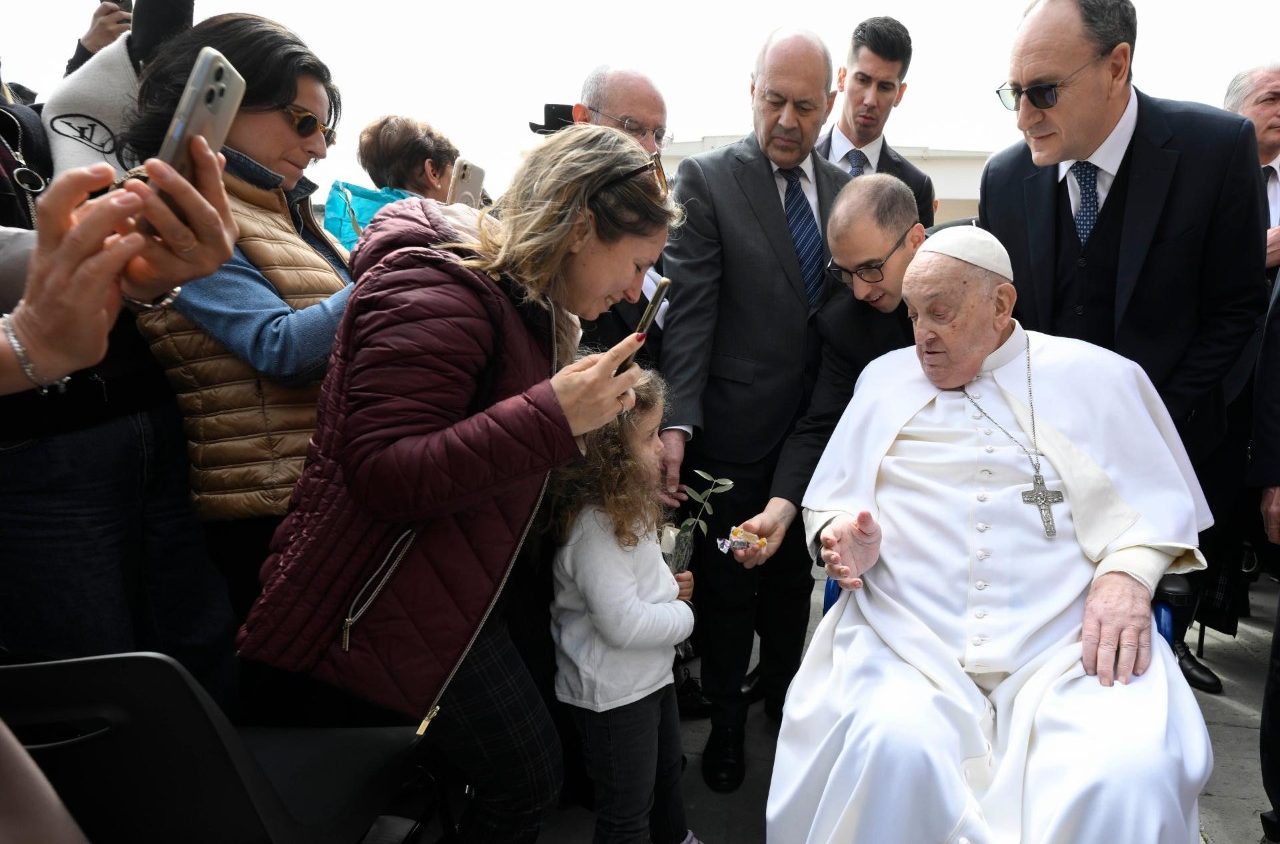
The Pope gives a "Apostolic Blessing" at the end of every Audience and Angelus. According to Catholic tradition, this blessing extends to you, your loved ones, and any devotional items (like rosaries or crucifixes) you have brought with you. Personal one-on-one meetings are generally reserved for heads of state or specifically invited dignitaries.
Are there appearances during the summer?
During the height of summer (usually July), the Pope may reduce his schedule. Historically, General Audiences are sometimes suspended in July to allow for a period of rest, though the Sunday Angelus usually continues. It is vital to check the July 2026 schedule specifically if you plan to visit during that month.
Final Recommendation for 2026 Visitors
For the best experience in 2026, aim to attend the Wednesday General Audience. While the Sunday Angelus is easier to attend because it requires no tickets, the Wednesday event offers a much longer experience and the chance to see the Pope at a much closer range. Always verify the schedule on the official Vatican Press Office website two weeks before your arrival, as papal health or international events can lead to last-minute changes in the public calendar.
Image Gallery