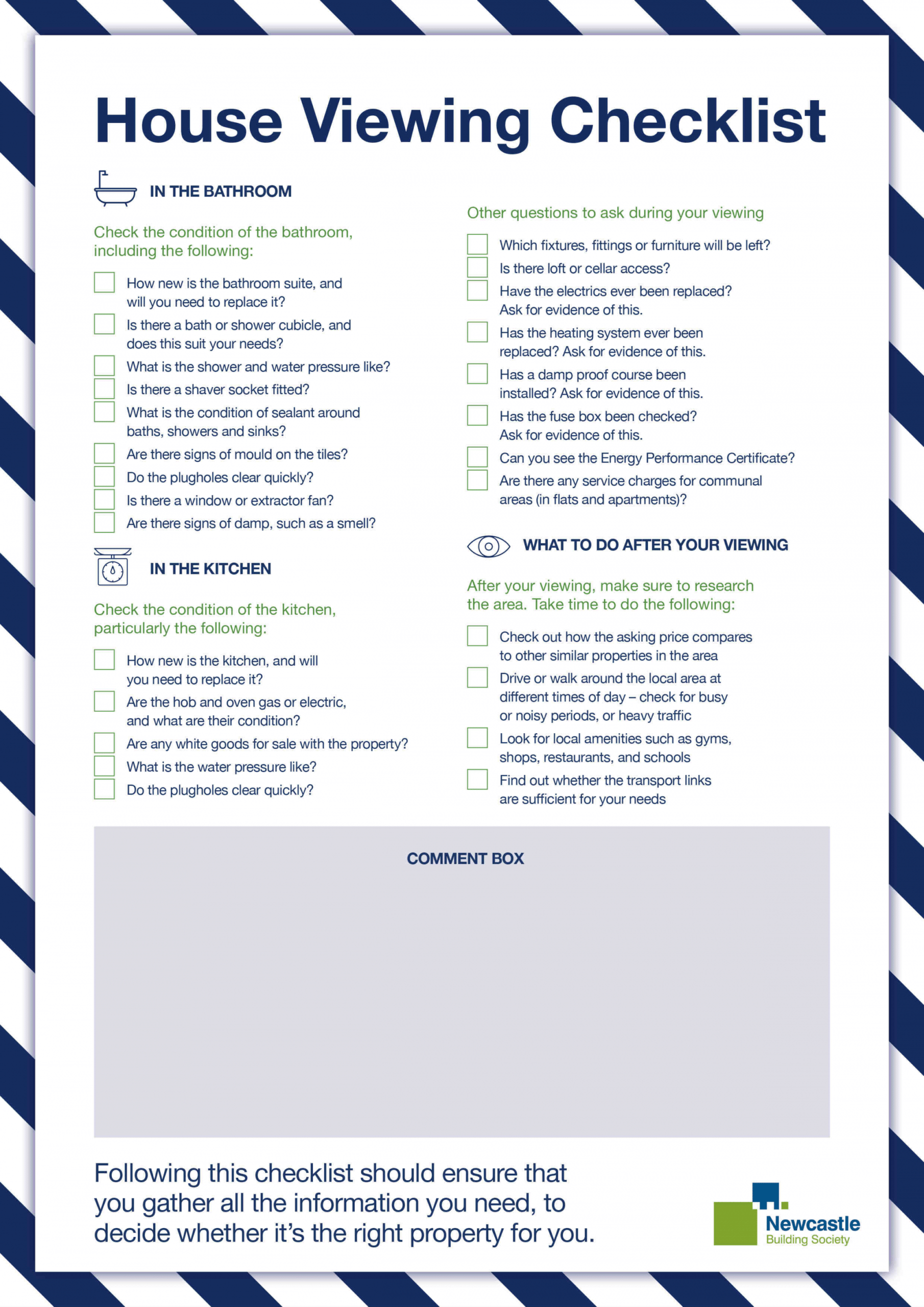
Buying a House Checklist for First Time Buyers: A Complete 2026 Guide
The process of buying your first home requires a systematic approach involving financial preparation, mortgage pre-approval, property scouting, and rigorous due diligence. To succeed in the 2026 real estate market, first-time buyers mu...
The process of buying your first home requires a systematic approach involving financial preparation, mortgage pre-approval, property scouting, and rigorous due diligence. To succeed in the 2026 real estate market, first-time buyers must secure their financing early, partner with experienced professionals, and navigate the inspection and closing phases with a clear understanding of legal and financial obligations.
Contents
Entering the housing market for the first time is one of the most significant financial milestones an individual can achieve. In 2026, while technology has streamlined many aspects of the search, the fundamentals of real estate remains rooted in careful planning and risk management. This checklist serves as a comprehensive roadmap, guiding you from the initial "can I afford this?" conversation to the moment you receive your keys.
Phase 1: Financial Readiness and Budgeting
Before you browse online listings or visit an open house, you must establish a firm financial foundation. The 2026 lending environment remains detail-oriented, requiring borrowers to demonstrate stability and liquidity.
Assessing Your Credit Health
Your credit score is the primary determinant of your mortgage interest rate. First-time buyers should aim for a score of 620 for basic eligibility, but a score of 740 or higher typically unlocks the most competitive rates. In early 2026, lenders are scrutinizing credit reports for any signs of recent late payments or high revolving debt. You should obtain your reports from the three major bureaus—Equifax, Experian, and TransUnion—to ensure there are no errors that could hinder your application.
The Debt-to-Income (DTI) Ratio
Lenders use the Debt-to-Income (DTI) ratio to measure your ability to manage monthly payments. Generally, your total monthly debt (including the projected mortgage, taxes, and insurance) should not exceed 43% of your gross monthly income. Some programs allow for higher ratios, but staying below this threshold increases your chances of approval and ensures you are not "house poor."
Saving for the Down Payment and Closing Costs
While the traditional 20% down payment remains the gold standard for avoiding Private Mortgage Insurance (PMI), many first-time buyer programs in 2026 allow for as little as 3% or 3.5% down. However, you must also account for closing costs, which typically range from 2% to 5% of the home’s purchase price. These costs cover loan origination fees, title insurance, government recording fees, and prepaid taxes.
| Loan Type | Minimum Down Payment | Ideal Credit Score | Key Feature |
|---|---|---|---|
| Conventional | 3% | 620+ | Flexible terms; PMI can be removed later. |
| FHA Loan | 3.5% | 580+ | Great for lower credit scores; government-backed. |
| VA Loan | 0% | 580-620 | For veterans and active duty; no PMI required. |
| USDA Loan | 0% | 640+ | For rural properties; income limits apply. |
Phase 2: Mortgage Pre-Approval
A pre-approval letter is a formal document from a lender stating how much they are willing to lend you based on a preliminary review of your finances. In the competitive 2026 market, most sellers will not even consider an offer without a current pre-approval.
Documentation Requirements
To get pre-approved, you will need to provide:
- Proof of Income: W-2 statements from the last two years and recent pay stubs.
- Tax Returns: Complete federal returns for the past two years.
- Asset Statements: Two months of bank statements for all checking, savings, and investment accounts.
- Employment Verification: Contact information for your current employer.
Understanding Pre-Approval vs. Pre-Qualification
Do not confuse pre-approval with pre-qualification. Pre-qualification is a surface-level estimate based on unverified data you provide. Pre-approval involves a hard credit pull and a verified look at your financial documents, making it a much stronger tool for negotiation.
Phase 3: Defining Your Needs and Scouting
Once your budget is set, you must define the parameters of your search. This prevents "feature creep," where you find yourself looking at homes that don't fit your lifestyle or budget.
Location and Infrastructure
In 2026, proximity to transit hubs and reliable high-speed internet infrastructure has become a top priority for first-time buyers, many of whom utilize hybrid work models. Research local school districts, crime rates, and future municipal development plans. A neighborhood currently undergoing revitalization may offer better long-term appreciation.
Property Type and Condition
Decide whether a Single-Family Home (SFH), a condominium, or a townhouse best suits your needs. Condos and townhouses often come with Homeowners Association (HOA) fees, which cover exterior maintenance and shared amenities. You must factor these monthly fees into your total budget. Additionally, determine if you are willing to purchase a "fixer-upper." While cheaper upfront, renovation costs in 2026 require a significant cash reserve and a reliable network of contractors.
Phase 4: Assembling Your Professional Team
Buying a house is a legal and financial transaction that requires specialized expertise. You should not attempt to navigate this alone.
The Buyer’s Agent
A buyer’s agent represents your interests, not the seller's. They help identify properties, provide market analysis to ensure you don't overpay, and handle the complex paperwork. Under the evolved real estate regulations of 2026, ensure you sign a clear Buyer’s Agency Agreement that outlines how your agent is compensated.
The Mortgage Lender
Shop around with at least three different lenders, including national banks, credit unions, and local mortgage brokers. Even a 0.25% difference in interest rates can save you tens of thousands of dollars over the life of a 30-year loan.
Real Estate Attorney
In many jurisdictions, a real estate attorney is required to review the purchase contract and oversee the closing. Even where not required by law, having an attorney can provide an extra layer of protection, particularly if there are complexities regarding the title or zoning.
Phase 5: The Offer and Contract
When you find the right home, your agent will help you draft an offer. This is more than just a price; it is a legally binding contract with several critical components.
Setting the Purchase Price
Your agent will perform a Comparative Market Analysis (CMA) to see what similar homes in the area have sold for recently. Use this data to justify your offer price, especially if the home has been on the market for more than 30 days.
Contingencies: Your Safety Net
Contingencies allow you to back out of the deal without losing your deposit if certain conditions aren't met. Common contingencies include:
- Home Inspection: Allows you to negotiate repairs or walk away if structural issues are found.
- Appraisal: Ensures the home is worth what you are paying; if it appraises low, you may need to cover the gap or renegotiate.
- Financing: Protects you if your loan is denied at the last minute.
- Sale of Current Home: (Less common for first-time buyers).
Earnest Money Deposit
To show the seller you are serious, you will provide earnest money (typically 1% to 3% of the purchase price). This money is held in an escrow account and is applied toward your down payment at closing.
Phase 6: Due Diligence and Underwriting
After the seller accepts your offer, you enter the "under contract" or "in escrow" phase. This is the most intensive part of the buying process.
The Home Inspection
Hire a licensed home inspector to examine the property’s foundation, roof, HVAC systems, plumbing, and electrical. In 2026, many buyers also opt for specialized inspections such as radon testing, sewer scopes, or mold assessments. If the inspector finds major issues, you can request that the seller fix them, provide a credit at closing, or lower the sale price.
The Appraisal
Your lender will hire a third-party appraiser to confirm the property's value. This protects the lender by ensuring the asset securing the loan is worth the investment. If the appraisal comes in low, the lender will only fund up to the appraised value, meaning you must negotiate the price down or pay the difference in cash.
Title Search and Insurance
The title company will search public records to ensure the seller has the legal right to sell the property and that there are no liens or claims against it. You will be required to purchase Lender’s Title Insurance, and it is highly recommended that you purchase Owner’s Title Insurance to protect your equity.
Phase 7: The Closing
The final stage is the "closing," where the property title is officially transferred from the seller to you.
The Closing Disclosure (CD)
At least three business days before closing, your lender must provide you with the Closing Disclosure. Compare this carefully with your initial Loan Estimate to ensure fees haven't changed significantly. Verify your interest rate, monthly payment, and the final "cash to close" amount.
The Final Walkthrough
Usually 24 hours before closing, you will visit the house one last time. This is your opportunity to ensure the seller has moved out, no new damage has occurred, and all agreed-upon repairs have been completed.
Signing and Funding
On the day of closing, you will sign a mountain of paperwork, including the Deed of Trust, the Promissory Note, and various tax forms. You will wire your down payment and closing costs to the escrow agent. Once the county records the deed, the house is officially yours.
Frequently Asked Questions
What is the biggest mistake first-time homebuyers make?
The most common mistake is failing to account for the "hidden costs" of homeownership. Beyond the mortgage, you must budget for property taxes, homeowners insurance, and a maintenance fund (typically 1% of the home's value per year). Buying at the absolute maximum of your pre-approval limit can leave you financially vulnerable when unexpected repairs arise.
Can I buy a house with a low credit score in 2026?
Yes, programs like FHA loans allow for credit scores as low as 580 with a 3.5% down payment. However, a lower score usually results in a higher interest rate and higher mortgage insurance premiums. It is often worth waiting six months to improve your score before applying to save thousands of dollars over the long term.
How long does the entire home-buying process take?
On average, the process takes between 10 and 14 weeks. This includes 4-8 weeks for searching and offering, and 30-45 days for the "under contract" period where the lender finalizes the loan and the title search is conducted.
Should I pay off all my debt before buying a house?
Not necessarily. While reducing debt improves your DTI ratio, you also need liquid cash for your down payment and closing costs. It is often better to have a small amount of manageable debt (like a car loan) and a healthy cash reserve than to be debt-free but have no money for a down payment or emergency repairs.
What happens if my mortgage application is denied after I'm under contract?
If you have a financing contingency in your contract, you can withdraw from the deal and receive your earnest money back. This is why it is vital to avoid major financial changes—like buying a new car or changing jobs—while your mortgage is in the underwriting phase.
Final Recommendation
For first-time buyers in 2026, the key to a successful purchase is early preparation. Start by downloading your credit reports and consolidating your financial documents at least six months before you plan to buy. By the time you reach out to a real estate agent, you should have a clear understanding of your budget and a confirmed pre-approval letter in hand. This proactive approach not only reduces stress but also positions you as a strong, credible buyer in any market condition.
Image Gallery