Can You Eat Oxalis? A Complete Guide to Identifying and Preparing Wood Sorrel
Yes, you can eat most species of Oxalis, commonly known as wood sorrel. The entire plant—including the leaves, flowers, and seed pods—is edible and possesses a distinct, tart, lemon-like flavor. However, because it contains oxalic acid...
Yes, you can eat most species of Oxalis, commonly known as wood sorrel. The entire plant—including the leaves, flowers, and seed pods—is edible and possesses a distinct, tart, lemon-like flavor. However, because it contains oxalic acid, it should be consumed in moderation, particularly by individuals with kidney-related health concerns.
Contents
Oxalis is a genus comprising over 500 species, ranging from the common yellow wood sorrel found in many suburban lawns to the cultivated "Oca" tuber from the Andes. While often dismissed as a mere garden weed, wood sorrel has a long history of culinary and medicinal use across various cultures. In 2026, as interest in sustainable foraging and "lawn-to-table" movements continues to grow, understanding the nuances of this plant is essential for safe and enjoyable consumption.
Identifying Oxalis: Wood Sorrel vs. Clover
The first step in safely consuming any wild plant is accurate identification. Oxalis is frequently confused with clover (Trifolium), but several distinct botanical features set them apart.
Leaf Morphology
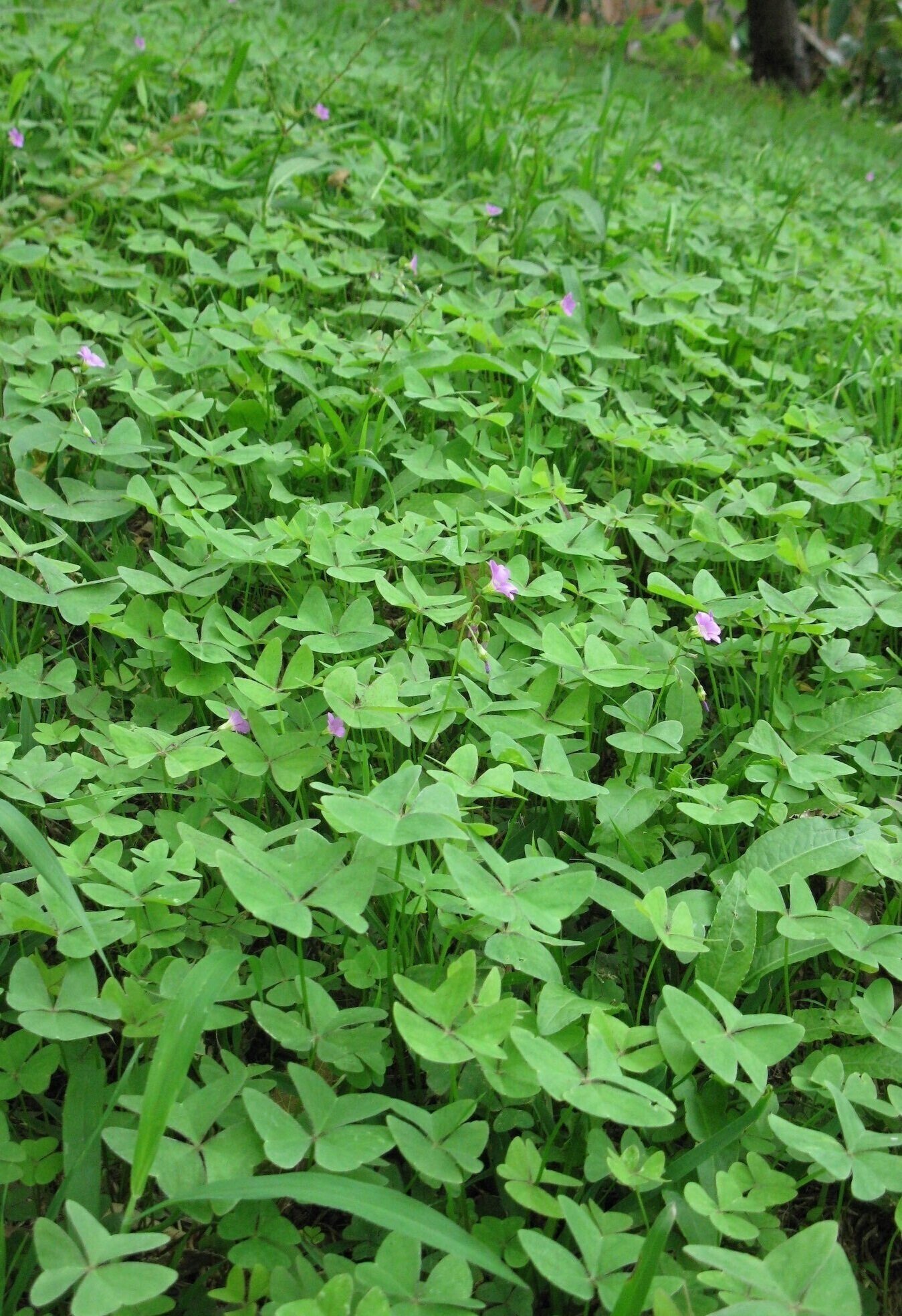
The most reliable way to identify Oxalis is by looking at the shape of the leaflets. While both plants typically have three leaflets, Oxalis leaflets are distinctly heart-shaped, with a deep indentation at the tip. In contrast, clover leaflets are generally oval or rounded and often feature a white "V" mark (chevron) on the surface, which is absent in most Oxalis species.
Another fascinating characteristic of Oxalis is its nyctinasty, or "sleep movements." At night, or during heavy rain, the leaflets fold downward or inward, resembling a closed umbrella. This movement is a response to light intensity and temperature, a trait not shared by common clovers.
Flowers and Seed Pods
Oxalis flowers are structurally different from the dense, globe-like flower heads of clover. Wood sorrel produces delicate, five-petaled flowers that are usually yellow, white, or pink, depending on the species. The yellow wood sorrel (Oxalis stricta), common in North America, features bright yellow blossoms about half an inch wide.
The seed pods of Oxalis are also unique. They are upright, pointed capsules that resemble tiny okra pods. When mature, these pods employ ballochory—a form of explosive dehiscence. If touched, the pods burst open, firing seeds several feet away. This mechanism is a key reason why Oxalis spreads so effectively in gardens.
The Role of Oxalic Acid: Safety and Health Considerations
The "sour" in wood sorrel comes from oxalic acid, a naturally occurring compound found in many common vegetables, including spinach, rhubarb, and kale. While oxalic acid is responsible for the plant's refreshing citrus flavor, it requires a balanced perspective regarding safety.
Understanding the Risks
In large quantities, oxalic acid can interfere with the body's ability to absorb calcium, forming calcium oxalate crystals. This is the primary component of the most common type of kidney stones. For a healthy individual, eating a handful of wood sorrel in a salad is generally harmless. However, individuals with the following conditions should exercise caution or avoid Oxalis entirely:
- Kidney Stones: Those prone to calcium oxalate stones should limit intake.
- Gout: High levels of oxalates can exacerbate symptoms.
- Rheumatism/Arthritis: Some clinical observations suggest oxalates may increase joint inflammation in sensitive individuals.
Moderation and Preparation
Cooking Oxalis can reduce its oxalic acid content, as the compound is water-soluble. Boiling the leaves and discarding the water is an effective way to make the plant safer for those with mild sensitivities. However, for most foragers, the plant is best enjoyed raw in small amounts as a seasoning or garnish rather than a primary green like spinach.
Nutritional Benefits of Oxalis
Historically, wood sorrel was valued by sailors and explorers as a potent antiscorbutic—a treatment for scurvy—due to its high Vitamin C content. Beyond its ability to ward off nutritional deficiencies, Oxalis offers several beneficial components:
- Antioxidants: The leaves contain flavonoids and polyphenols that help combat oxidative stress in the body.
- Minerals: It provides modest amounts of potassium and calcium, though the bioavailability of the calcium may be limited by the aforementioned oxalic acid.
- Digestive Aid: In traditional herbal medicine, small doses of Oxalis tea have been used to soothe stomach upset and cool the body during fevers, though these uses are largely based on anecdotal historical evidence.
Common Edible Oxalis Species
While many species are edible, three are most frequently encountered by foragers and gardeners.
| Species Name | Common Name | Distinguishing Features | Typical Use |
|---|---|---|---|
| Oxalis stricta | Yellow Wood Sorrel | Upright growth, yellow flowers, heart-shaped leaves. | Raw in salads, garnishes, infused waters. |
| Oxalis acetosella | Common Wood Sorrel | Found in shaded woodlands, white flowers with purple veins. | Traditional European culinary herb. |
| Oxalis tuberosa | Oca | Cultivated for its edible tubers, which look like wrinkled potatoes. | Boiled, roasted, or baked like a potato. |
| Oxalis corniculata | Creeping Wood Sorrel | Low-growing, often has reddish-purple foliage. | Similar to O. stricta, though more bitter. |
The Special Case of Oca (Oxalis tuberosa)
Unlike the "weed" varieties, Oca is a major food crop in the Andes, second only to the potato in some regions. The tubers come in vibrant colors including red, orange, and yellow. When exposed to sunlight after harvest, the oxalic acid levels in the tubers decrease, making them sweeter. Oca represents a different category of Oxalis edibility where the energy is stored in the root rather than the leaf.
Culinary Applications: How to Use Oxalis in the Kitchen
The sharp, acidic profile of Oxalis makes it an excellent substitute for lemon juice or vinegar in various recipes. Its versatility allows it to bridge the gap between a green vegetable and a condiment.
Fresh Preparations
The simplest way to enjoy wood sorrel is raw.
- Salad Enhancer: Toss a handful of fresh leaves into a green salad to provide "pops" of citrus flavor that cut through creamy dressings.
- Compound Butter: Finely chop Oxalis leaves and mix them into softened butter with a pinch of salt. This is excellent melted over grilled fish or seared scallops.
- Pesto: Substitute half of the basil in a traditional pesto recipe with wood sorrel for a brighter, more acidic sauce.
Infusions and Liquids
- Wood Sorrel "Lemonade": Steep a large handful of leaves in hot water for 15 minutes, strain, and sweeten with honey or agave. Once chilled, it creates a refreshing, caffeine-free drink that tastes remarkably like traditional lemonade.
- Vinegar Infusions: Place clean Oxalis leaves in a jar of white wine vinegar for two weeks. The resulting infusion is a beautiful pink or light green and serves as a gourmet base for vinaigrettes.
Cooking with Oxalis
If you choose to cook Oxalis, keep in mind that the leaves will turn from a vibrant green to a dull olive-drab color almost instantly when exposed to heat, similar to how sorrel (Rumex acetosa) reacts.
- Soups: Add Oxalis at the very end of a potato or leek soup to add a final note of acidity.
- Sauces: A classic French "sauce verte" can incorporate Oxalis to provide the necessary tang to accompany fatty meats or eggs.
Foraging Best Practices and Environmental Safety
When gathering Oxalis from the wild or your backyard, safety extends beyond botanical identification.
Pesticides and Herbicide Contamination
Because Oxalis is often classified as a weed, it is a frequent target for chemical control. Never forage Oxalis from lawns that are treated with synthetic fertilizers, herbicides, or pesticides. In urban environments, avoid plants growing near heavy traffic or old structures, as the soil may contain lead or other heavy metals.
Sustainable Harvesting
While wood sorrel is often abundant, practice ethical foraging. Never harvest more than 10-20% of a colony to ensure the plant can continue to reproduce. Since Oxalis spreads via runners and explosive seeds, it is generally resilient, but respectful harvesting maintains the local ecosystem's balance.
Pet Safety Warning
While humans can process small amounts of oxalic acid, it is significantly more toxic to dogs and cats. Large ingestions can lead to kidney failure in pets. Ensure that your foraging activities do not lead to pets consuming concentrated amounts of the plant in the home. For detailed pet safety information, consult resources like the ASPCA Poison Control Center.
Frequently Asked Questions
Can I eat Oxalis if I am pregnant?
Generally, small culinary amounts are considered safe, but pregnant individuals are often advised to limit high-oxalate foods to prevent the formation of kidney stones and to ensure optimal calcium absorption for fetal development. It is best to consult with a healthcare provider before adding new wild foraged foods to a pregnancy diet.
How do I store harvested wood sorrel?
Oxalis leaves are delicate and wilt quickly. To keep them fresh, place them in a damp paper towel and store them in a sealed container in the refrigerator. They are best used within 24 to 48 hours of harvest.
Is purple Oxalis edible?
Yes, many ornamental Oxalis varieties with purple leaves (such as Oxalis triangularis) are technically edible and have the same sour flavor profile. However, ornamental plants purchased from nurseries are often treated with systemic pesticides not intended for food crops. Only eat purple Oxalis if you have grown it yourself from an organic source or found it in a clean wild setting.
Does cooking remove the sour taste?
Cooking does not entirely remove the sour taste, as the acid is quite stable, but it can mellow the flavor and change the texture. As mentioned previously, boiling can reduce the concentration of oxalic acid if the cooking water is discarded.
Can I eat the flowers?
Absolutely. The flowers of all common wood sorrel species are edible and make a beautiful, tangy garnish for desserts, salads, and cocktails.
Final Recommendation
Oxalis is a delightful, tangy addition to the forager's pantry that offers a unique citrus flavor rarely found in other wild greens. To enjoy it safely in 2026, focus on precise identification—look for those heart-shaped leaves—and prioritize plants from clean, chemical-free environments. Start with small quantities to see how your body reacts to the oxalic acid, and enjoy the process of incorporating this resilient "weed" into your culinary repertoire.
Image Gallery