Key Requirements for Workers’ Compensation in the Construction Industry (2026)
Workers’ compensation in construction requires employers to provide mandatory insurance coverage that pays for medical expenses and lost wages for employees injured on the job. Key requirements include adhering to state-specific mandat...
Workers’ compensation in construction requires employers to provide mandatory insurance coverage that pays for medical expenses and lost wages for employees injured on the job. Key requirements include adhering to state-specific mandates, accurate job classification using NCCI codes, maintaining a low Experience Modification Rate (EMR), and verifying subcontractor coverage to avoid liability gaps.
Contents
The construction industry remains one of the most hazardous sectors in the global economy. As of 2026, regulatory bodies and insurance carriers have implemented more rigorous data-driven requirements to manage the high frequency and severity of workplace injuries. For construction firms, compliance is not merely a legal checkbox but a fundamental financial strategy. Failing to meet the specific requirements of workers’ compensation can lead to astronomical fines, stop-work orders, and devastating litigation.
The Legal Framework and Mandatory Coverage Limits
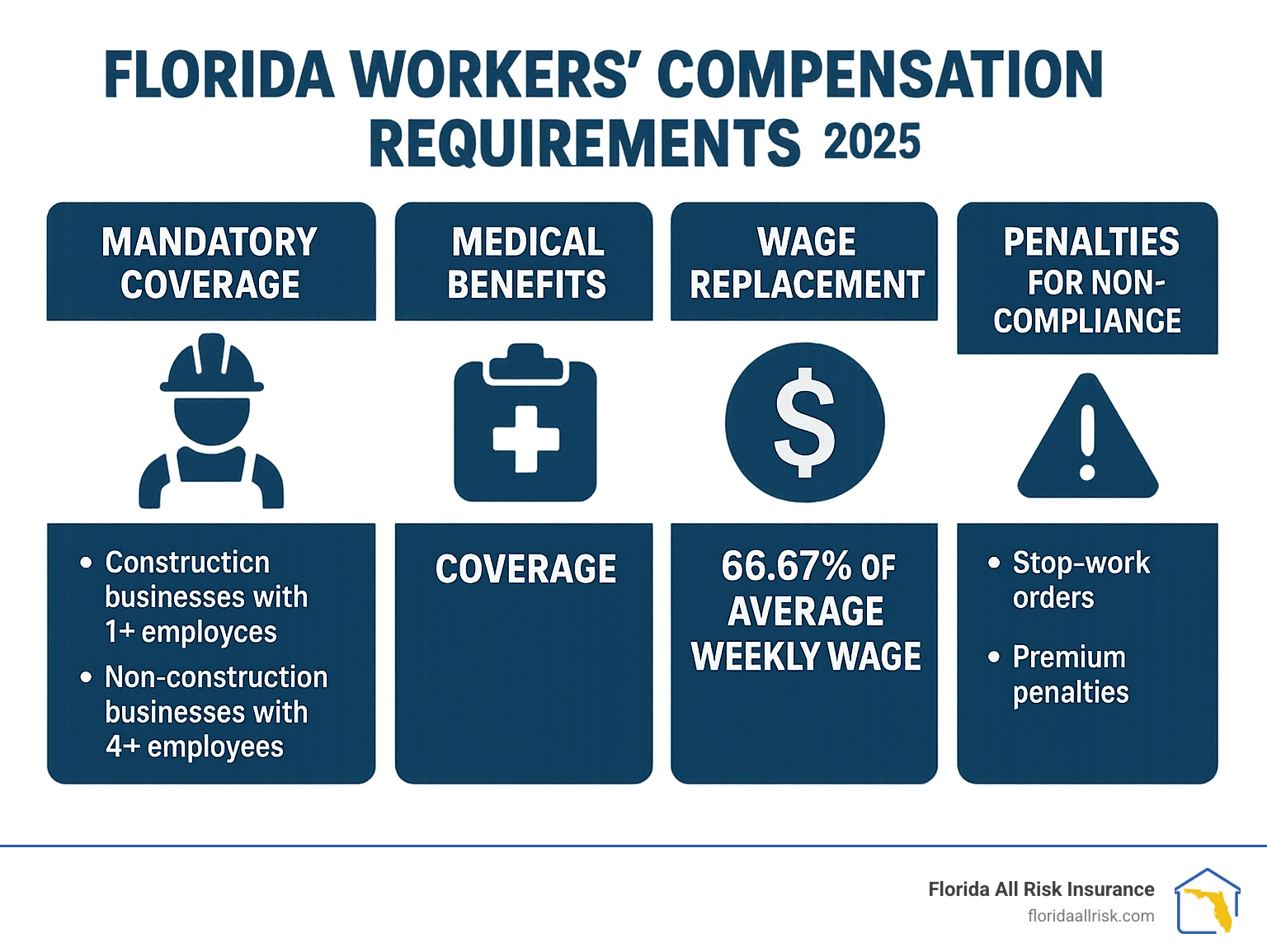
Workers’ compensation is primarily governed at the state level in the United States, meaning requirements shift significantly across geographic borders. However, for the construction sector, certain universal legal principles apply. In most jurisdictions, construction companies are required to carry insurance from the moment they hire their first employee. Unlike other industries that may have a "threshold" (e.g., only requiring insurance once a firm has three or more employees), construction is often exempted from these minimums due to its inherent risk.
State Jurisdictions and Monopolistic Markets
Most states operate in a "competitive market," where private insurers provide policies. However, as of 2026, several states—specifically Washington, Ohio, Wyoming, and North Dakota—remain "monopolistic." In these states, construction firms must purchase insurance directly from a state-operated fund. Contractors moving between states must be acutely aware of "extraterritorial coverage" rules, ensuring their policy remains valid when crossing state lines for a specific project.
Statutory Benefits and Employer Liability
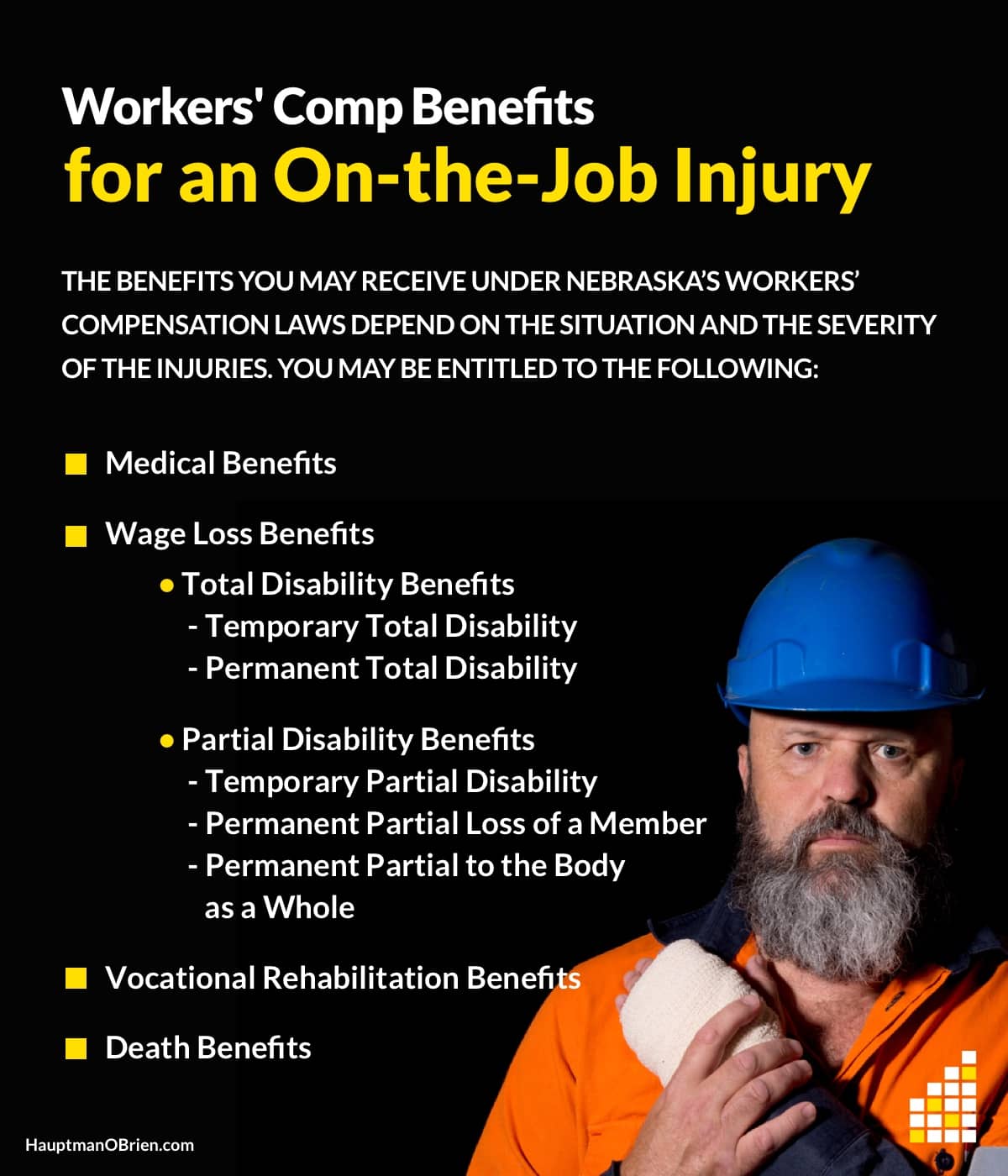
A standard workers’ compensation policy consists of two main parts. Part One (Workers’ Compensation) covers the statutory benefits defined by state law, including:
- Medical Benefits: Full coverage for necessary medical treatment related to the injury, with no deductibles for the employee.
- Disability Benefits: Partial wage replacement, typically calculated at two-thirds of the worker's average weekly wage, categorized into temporary total, temporary partial, or permanent disability.
- Death Benefits: Compensation provided to the survivors of a worker killed in a job-related accident, covering funeral expenses and ongoing financial support.
Part Two (Employers’ Liability) protects the business if an employee (or their family) sues for damages not covered by statutory benefits, such as "loss of consortium" or negligence that exacerbated an injury.
Crucial Prerequisites: Classification and EMR
The cost and legality of a construction workers' compensation policy hinge on how a business is categorized. Misclassification is a primary target for state audits in 2026, as it is often used as a method to artificially lower premiums.
NCCI Classification Codes
The National Council on Compensation Insurance (NCCI) manages the system of "Class Codes" used in most states. Each task in construction has a specific four-digit code reflecting its risk level. For example:
- Code 8810: Clerical Office Employees (very low risk).
- Code 5022: Masonry (moderate risk).
- Code 5545: Roofing (extremely high risk).
A key requirement for construction firms is the accurate "separation of payroll." If a worker performs both masonry and roofing, their payroll must be meticulously tracked and allocated to the correct codes. Without detailed records, auditors will default the entire payroll to the highest-rated (most expensive) class code.
The Experience Modification Rate (EMR)
The EMR, or "MOD factor," is a multiplier applied to your premium based on your company’s claims history compared to others in the same sector. An EMR of 1.0 is considered the industry average. If your company has a high frequency of injuries, your EMR might rise to 1.5, meaning you pay 50% more than your competitors for the same coverage.
In 2026, many General Contractors (GCs) require subcontractors to have an EMR below 1.0 to even bid on a project. This makes maintaining a clean safety record a prerequisite for business viability, not just a regulatory hurdle.
Requirements for Contractors and Subcontractors
One of the most complex areas of workers' compensation in construction involves the relationship between General Contractors and their subcontractors. In many states, the "statutory employer" rule applies. This means that if a subcontractor fails to carry workers' compensation insurance, the liability flows upward to the General Contractor.
Certificates of Insurance (COI)
General Contractors must require a valid Certificate of Insurance (COI) from every subcontractor before they set foot on the job site. In 2026, manual COI tracking has largely been replaced by automated digital verification systems. Key requirements for a valid COI include:
- Direct Verification: Contacting the issuing agent to ensure the policy is active and has not been cancelled for non-payment.
- Adequate Limits: Ensuring the subcontractor's "Employers’ Liability" limits meet the requirements specified in the prime contract.
- Waiver of Subrogation: A common requirement where the subcontractor's insurer agrees not to seek recovery from the General Contractor for claims paid out.
The Independent Contractor Myth
A frequent point of failure in construction compliance is the misclassification of employees as "independent contractors." Merely issuing a 1099 form does not exempt a firm from workers' compensation requirements. State regulators use various "Right to Control" tests to determine if a worker is actually an employee. If the firm provides the tools, sets the hours, and supervises the methods of work, that individual is an employee in the eyes of the law. Failing to cover these individuals can result in massive retroactive premium charges and legal penalties.
Comparative Risk Profiles by Construction Trade (2026 Estimates)
| Trade Category | NCCI Example Code | Relative Risk Level | Typical Audit Focus Area |
|---|---|---|---|
| Interior Finishing | 5445 (Drywall) | Moderate | Height-related safety equipment usage |
| Structural Steel | 5040 (Erection) | High | Fall protection and crane certifications |
| Electrical Work | 5190 (Wiring) | Low-Moderate | Arc flash training and PPE compliance |
| Roofing | 5545 (Residential) | Very High | Subcontractor coverage and fall rates |
| Excavation | 6217 (Earthwork) | Moderate-High | Trench shoring and utility strikes |
Risk Management and Safety Standards
In 2026, insurance carriers have moved toward "Active Risk Management." It is no longer enough to simply pay the premium; insurers often require proof of specific safety protocols as a condition of coverage or to qualify for "Preferred" rating tiers.
Injury and Illness Prevention Programs (IIPP)
A written IIPP is a foundational requirement. This document must outline who is responsible for safety, how hazards are identified, how accidents are investigated, and how employees are trained. Regular "Toolbox Talks"—short, site-specific safety briefings—are often required to be documented to prove an active safety culture.
Technology and Telematics
Technological integration is a major development in 2026 requirements. Some high-risk policies now offer premium credits for the use of:
- Wearable Sensors: Devices that detect "near-miss" falls or improper lifting techniques.
- Site Telematics: AI-driven camera systems that monitor job sites for PPE compliance (e.g., ensuring all workers are wearing hard hats and high-visibility vests).
- Digital Logs: Real-time reporting of incidents via mobile apps to ensure the "First Report of Injury" is filed within the 24-to-48-hour window required by most states.
Filing Claims and Reporting Obligations
When an injury occurs, the construction firm must follow a strict set of procedural requirements to remain in compliance.
- Immediate Care and Reporting: The priority is the worker's health, but the employer must report the injury to the insurer immediately. Delaying a report by even a few days can lead to increased claim costs and potential fines from the state Workers' Compensation Board.
- The "First Report of Injury" (FROI): This is the formal document that initiates the claim. It requires details on the time, location, nature of the injury, and witnesses.
- Return-to-Work (RTW) Programs: Many policies now mandate a "Light Duty" or "Transitional Work" program. By bringing an injured worker back to the office or a low-impact site role, the employer can reduce the "Indemnity" (lost wage) portion of the claim, which is the primary driver of EMR increases.
Frequently Asked Questions
Can a sole proprietor or partner opt out of coverage?
In many states, yes. Sole proprietors, partners, and certain corporate officers can file an "Exclusion" or "Waiver" to opt out of their own workers' compensation coverage. However, they must still provide coverage for any employees they hire. In construction, many GCs refuse to hire "excluded" owners because of the liability risks, often making coverage a practical necessity even if it is not a legal one.
What is a "Wrap-Up" policy (OCIP or CCIP)?
On very large construction projects, a "Wrap-Up" policy—either an Owner-Controlled Insurance Program (OCIP) or a Contractor-Controlled Insurance Program (CCIP)—is used. This is a single insurance policy that covers the sponsor and all enrolled subcontractors on the project site. The requirement here is that subcontractors must "carve out" the cost of workers' compensation from their bids, as the insurance is provided centrally.
How are premiums calculated for construction firms?
The formula is: (Payroll / 100) x Class Code Rate x EMR = Total Premium. For example, if your masonry payroll is $500,000, the rate for code 5022 is $10.00, and your EMR is 0.90, the calculation is ($5,000 x 10.00) x 0.90 = $45,000. Note that payroll for workers' compensation purposes often excludes overtime premiums (the "half-time" portion) but includes bonuses and commissions.
What happens if I fail an insurance audit?
Audits occur annually at the end of the policy term. If the auditor finds that you misclassified employees or used uninsured subcontractors, they will bill you for the "uncollected" premium. This can result in a massive, unexpected bill that must be paid immediately to prevent policy cancellation.
Does workers' comp cover subcontractors if I pay them via 1099?
Only if they are truly independent businesses with their own employees and their own insurance. If the "subcontractor" is an individual who works only for you and under your direction, they are likely a "de facto employee." In the event of an injury, the court will almost certainly rule that you are responsible for their workers' compensation benefits.
Practical Recommendations
To maintain compliance and control costs in 2026, construction firms should implement a "Three-Pillar" strategy:
- Pillar 1: Proactive COI Management. Never allow a subcontractor on-site without a verified, digital certificate of insurance that specifically includes workers' compensation.
- Pillar 2: Precise Payroll Documentation. Maintain weekly logs that track exactly which employees worked under which NCCI class codes. This prevents "code drift" during audits.
- Pillar 3: Aggressive Return-to-Work Policies. Establish a pre-approved list of light-duty tasks. The faster a worker returns to the payroll (even in a limited capacity), the less impact the claim will have on your future EMR and premiums.
For specific legal or financial advice regarding your policy, consult with a licensed insurance broker specializing in the construction trades or a labor law attorney in your specific jurisdiction.
Image Gallery