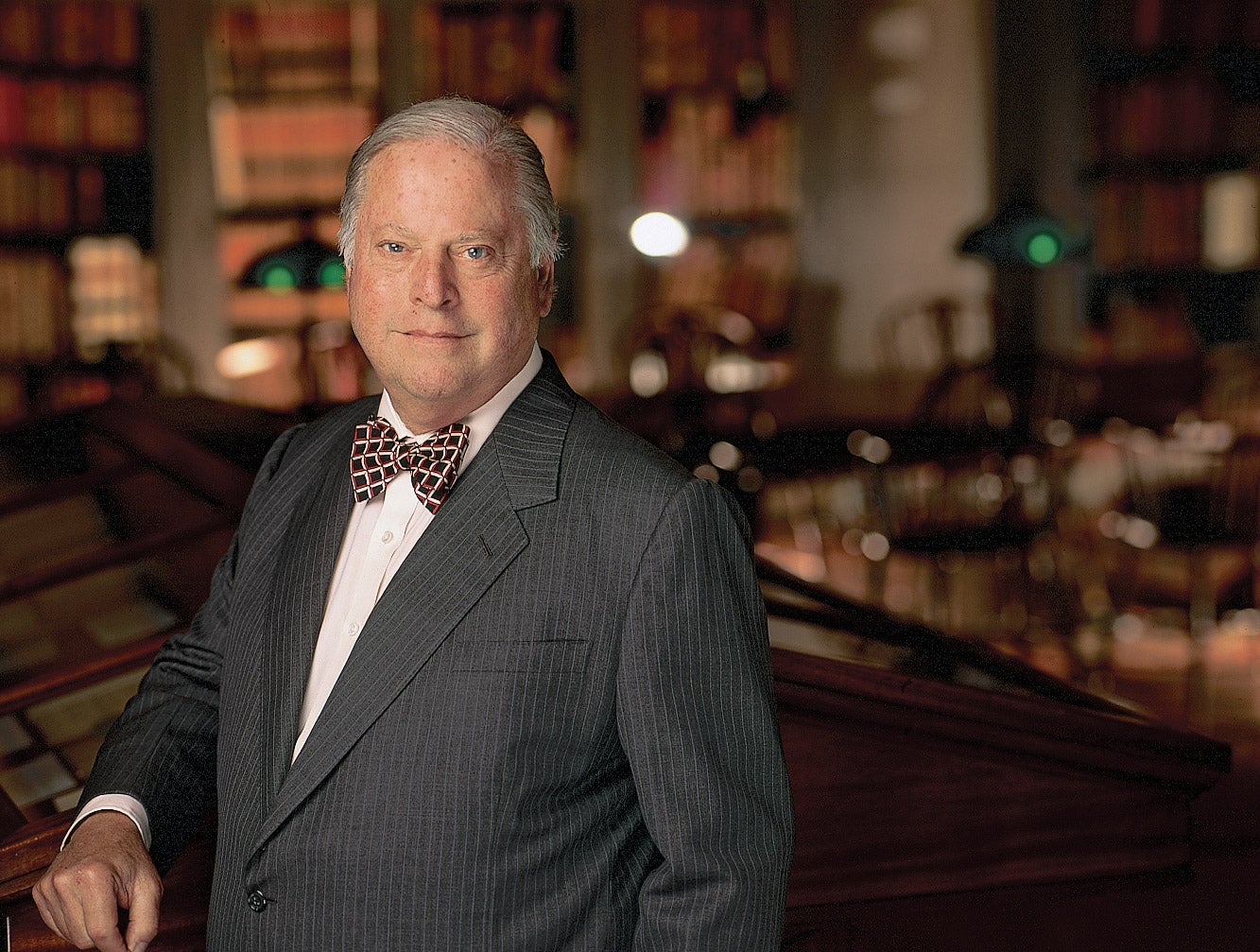
Finn M. W. Caspersen Net Worth in Perspective: From Consumer Finance Titan to Philanthropic Icon
At the height of his career, Finn M. W. Caspersen’s net worth was estimated to be in the hundreds of millions of dollars, with some valuations approaching $1 billion following the $8.6 billion sale of Beneficial Corporation in 1998. Hi...
At the height of his career, Finn M. W. Caspersen’s net worth was estimated to be in the hundreds of millions of dollars, with some valuations approaching $1 billion following the $8.6 billion sale of Beneficial Corporation in 1998. His wealth was built on a foundation of consumer finance, strategic mergers, and a multi-generational legacy of corporate leadership.
Contents
Understanding the net worth of Finn M. W. Caspersen requires looking beyond simple bank balances. As the former Chairman and CEO of Beneficial Corporation, Caspersen was a pivotal figure in the American financial landscape of the late 20th century. By 2026, his financial legacy is viewed through the dual lenses of massive corporate success and a complex, sometimes controversial, estate settlement involving federal tax authorities. This article examines the components of his fortune, the scale of his philanthropic giving, and how his wealth compares to modern financial standards.
The Foundations of the Caspersen Fortune
The primary engine behind Finn M. W. Caspersen’s wealth was Beneficial Corporation, a consumer finance company that specialized in personal loans and second mortgages. The company was founded by his father’s family, but it was under Finn’s leadership that it reached its zenith. Taking the helm in 1976, Caspersen transformed a mid-sized lender into a powerhouse of the "middle-market" credit sector.
Beneficial Corporation’s business model was focused on providing credit to individuals who might not qualify for traditional bank loans. This was a highly profitable niche, though it required rigorous management of risk and interest rates. Caspersen’s tenure was marked by aggressive expansion and a focus on operational efficiency. He was known for a hands-on management style that prioritized shareholder value, which ultimately paved the way for one of the largest financial services mergers of the 1990s.
By the time the company was sold, it operated over 1,000 offices across the United States and abroad. The steady growth of the firm's stock price over two decades was the primary driver of Caspersen’s personal net worth, as he held a significant portion of his wealth in company equity.
The 1998 Sale: A Liquidity Event of Massive Proportions
The defining moment for Caspersen’s financial status occurred in 1998 when Beneficial Corporation was acquired by Household International (which was later acquired by HSBC). The deal was valued at approximately $8.6 billion in stock.
For Caspersen, this was not just a corporate milestone but a massive liquidity event. While the exact number of shares he held was a matter of public record in SEC filings at the time, the transition from paper wealth to diversified assets allowed him to fund his expansive lifestyle and philanthropic endeavors.
In the perspective of the late 1990s, an $8.6 billion deal was gargantuan. To put this in a 2026 context, adjusting for inflation and the growth of the financial sector, a similar acquisition today would likely exceed $18 billion. Caspersen’s personal take from this merger solidified his position as one of the wealthiest individuals in the New Jersey and New York social circles, allowing him to maintain sprawling estates and elite sporting interests.
Philanthropy as a Measure of Wealth
A significant portion of Caspersen’s net worth was redirected into charitable foundations and institutional gifts. He famously stated that wealth was a tool for social and educational improvement. His philanthropic footprint remains visible in 2026 through several major institutions:
- Harvard Law School: Caspersen was a graduate and a major donor. The Caspersen Student Center at Harvard Law stands as a testament to his multi-million dollar contributions.
- The Hodson Trust: Serving as the chairman of this trust, he oversaw the distribution of hundreds of millions of dollars to four Maryland colleges: St. John’s College, Washington College, Hood College, and Johns Hopkins University.
- Pediatric Medicine: His contributions to the Goryeb Children’s Hospital and other medical facilities highlighted a focus on healthcare infrastructure.
These donations suggest that his "accessible" net worth was constantly being balanced against his commitment to institutional giving. For a billionaire-tier executive of his era, the scale of his giving was proportionate to his peers, but his focus on education and equestrian sports was unique.
The Equestrian Legacy and Real Estate Holdings
Beyond the boardroom, Caspersen was a titan in the world of competitive equestrian sports. He was a driving force behind the United States Equestrian Team (USET) and played a crucial role in funding and organizing the sport at the Olympic level.
Maintaining a world-class equestrian operation is an immense financial undertaking. Caspersen’s estates, such as Westerly in New Jersey and his holdings in Jupiter Island, Florida, were not merely residences but operational hubs for his sporting interests. These properties were valued in the tens of millions of dollars. In 2026, high-end real estate in these locations has appreciated significantly, meaning the "value" of his former lifestyle would require a modern net worth in the high nine figures just to maintain.
Wealth Comparison: Historical and Modern Context
To understand Caspersen's net worth in perspective, it is useful to compare his financial standing at the time of his peak to modern-day equivalents.
| Category | Late 1990s Value (Estimated) | 2026 Inflation-Adjusted Equivalent |
|---|---|---|
| Beneficial Corp Sale Price | $8.6 Billion | ~$18.2 Billion |
| Personal Net Worth (Peak) | ~$800M - $1B | ~$1.7B - $2.1B |
| Major Institutional Gifts | $30M+ (Single events) | $65M+ |
| Estate Value (Real Estate) | $50M - $70M | $120M - $150M |
This comparison illustrates that while Caspersen was not among the "top 10" wealthiest people in the world like a Bill Gates or Warren Buffett, his wealth placed him in the upper echelon of the American business elite. His net worth was "old school" in the sense that it was tied to a century-old industry (consumer finance) rather than the volatile tech-driven wealth seen in the 2020s.
The Tax Dispute and Estate Complexity
The perspective on Finn M. W. Caspersen’s net worth changed dramatically following his death in 2009. It was revealed that the Internal Revenue Service (IRS) had been investigating his financial affairs, specifically regarding offshore accounts in Liechtenstein.
The IRS claimed that Caspersen owed more than $100 million in back taxes and penalties. This legal battle suggested that his "net" worth was perhaps more leveraged or obscured than public philanthropic gestures suggested. For researchers and historians in 2026, this remains a cautionary tale about the complexities of ultra-high-net-worth estate planning.
The dispute highlighted a common issue among the wealthy of that era: the transition from traditional domestic wealth to globalized, offshore financial structures. While the estate eventually moved toward resolution, the initial shock of the tax claim provided a sobering perspective on the "true" liquidity of his fortune at the end of his life.
Frequently Asked Questions
Was Finn M. W. Caspersen a billionaire?
At the time of the sale of Beneficial Corporation in 1998, his total assets, including stock, real estate, and investments, likely put him at or near the billionaire mark. However, due to significant philanthropic outflows and later tax disputes, his liquid net worth at the time of his death was estimated to be lower, likely in the mid-hundreds of millions.
How did Finn M. W. Caspersen make his money?
The bulk of his wealth came from his role as CEO and Chairman of Beneficial Corporation. He grew the company significantly over 20 years and then orchestrated its sale to Household International for $8.6 billion in stock.
What happened to his wealth after his death?
His wealth was distributed among his family, his various philanthropic foundations (like the Hodson Trust), and used to settle substantial tax claims from the IRS. His legacy continues through the institutions he funded, particularly at Harvard Law School and several Maryland colleges.
What was the IRS dispute regarding his net worth?
Following his death, it was reported that the IRS was seeking upwards of $100 million in unpaid taxes related to offshore accounts. This led to a significant reassessment of his estate's value and prompted discussions about tax compliance among the American elite.
Did he own any famous properties?
Yes, he was well known for his "Westerly" estate in New Jersey and his presence on Jupiter Island in Florida. These properties were centerpieces of his social and equestrian life and represented a significant portion of his non-liquid assets.
Final Perspective: A Legacy of Impact
Finn M. W. Caspersen’s net worth was a reflection of a specific era in American finance—one where corporate longevity and family legacy merged with the aggressive growth of the 1980s and 90s. While the tax controversies of his final years added a layer of complexity to his biography, the physical and institutional results of his wealth remain undeniable in 2026.
From the halls of Harvard to the Olympic equestrian fields, his fortune was utilized to build infrastructure that outlasted his corporate career. For those analyzing wealth today, Caspersen serves as a case study in how corporate success can be translated into lasting social influence, provided one navigates the increasingly complex landscape of global tax regulation.
Next Steps for Researchers: To gain a deeper understanding of the financial transition of Beneficial Corp, one may review the SEC archives for filings related to the 1998 merger with Household International. Additionally, the Harvard Law School historical records provide context on the impact of his major gifts on academic infrastructure.
Image Gallery