Fred Gwynne: The Multi-Faceted Legacy of the Actor, Author, and Conservationist
Fred Gwynne was a versatile American talent best known for his iconic portrayal of Herman Munster, his success as a prolific children’s book author and illustrator, and his commitment to a quiet, conservation-minded life in rural Maryl...
Fred Gwynne was a versatile American talent best known for his iconic portrayal of Herman Munster, his success as a prolific children’s book author and illustrator, and his commitment to a quiet, conservation-minded life in rural Maryland. His career spanned from Broadway stages to cult classic films, leaving an indelible mark on 20th-century entertainment and literature.
Contents
From Harvard to Broadway: The Artistic Foundations
Frederick Hubbard Gwynne was born on July 10, 1926, in New York City. While many associate him solely with his later television fame, his artistic roots were deeply academic and theatrical. Gwynne attended Harvard University, where he was a member of the Hasty Pudding Theatricals and served as the president of the Harvard Lampoon. His time at the Lampoon was particularly formative, as it allowed him to hone his skills as a cartoonist and writer—skills that would eventually lead to a second career in children's literature.
After serving in the United States Navy during World War II as a radioman on a sub-chaser, Gwynne returned to his studies and graduated from Harvard in 1951. He soon moved to New York City to pursue acting, supporting himself with various jobs while performing in regional theater. His Broadway debut came in 1952 in the comedy Mrs. McThing, starring Helen Hayes. This early period established Gwynne as a formidable stage presence; at 6 feet 5 inches tall, with a resonant, baritone voice, he possessed a natural gravity that directors found irresistible.
Throughout the 1950s, Gwynne balanced stage work with early television appearances. His ability to transition from high-brow Shakespearean roles to broad physical comedy became his trademark. This versatility caught the attention of producers who were looking for actors capable of handling the burgeoning "sitcom" format of the early 1960s.
The Television Years: Defining an Era with Herman Munster
Gwynne’s first major television success came with the police comedy Car 54, Where Are You? (1961–1963), where he played Officer Francis Muldoon. His chemistry with co-star Joe E. Ross was immediate, but the series’ conclusion set the stage for the role that would define his public persona for decades: Herman Munster.
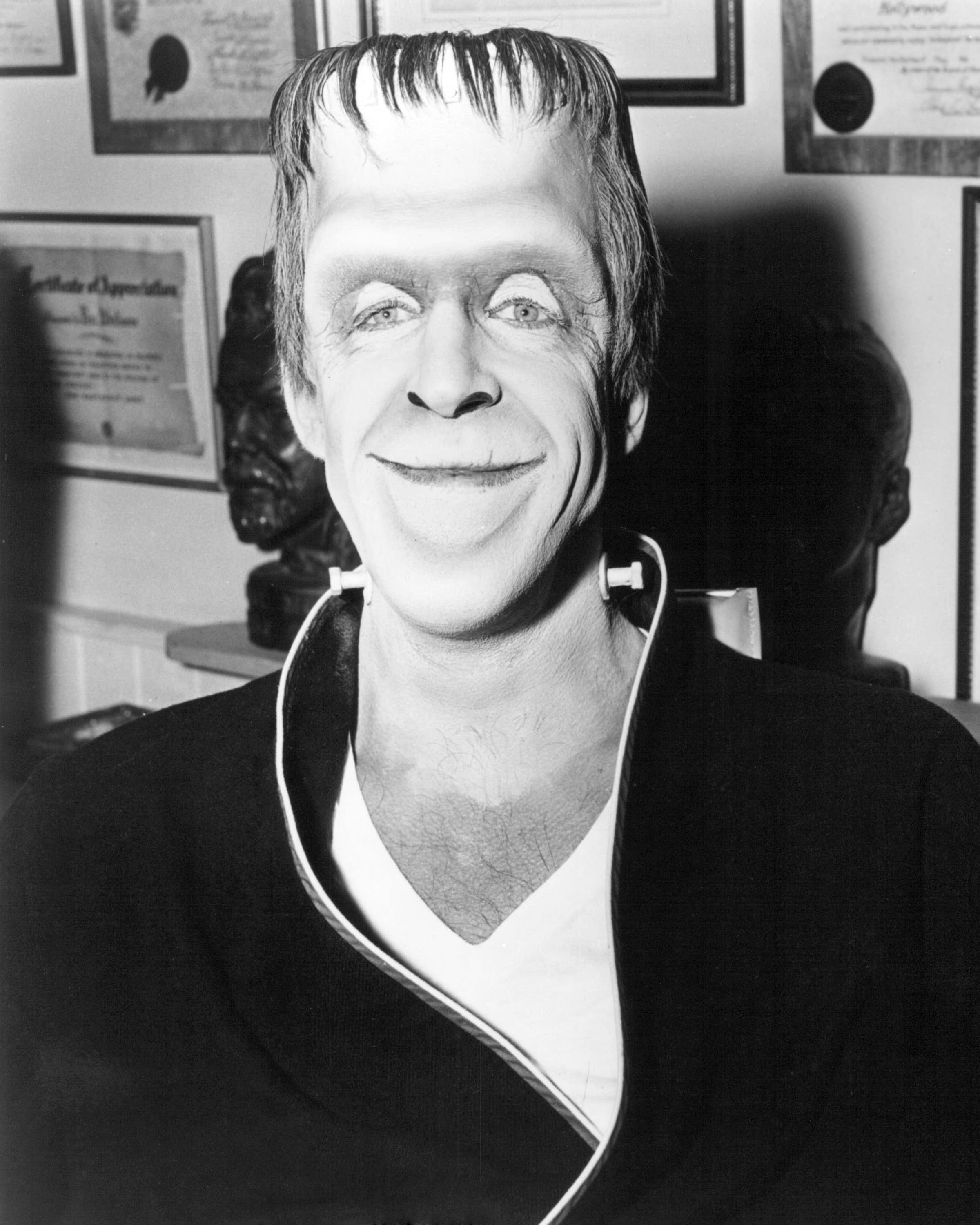
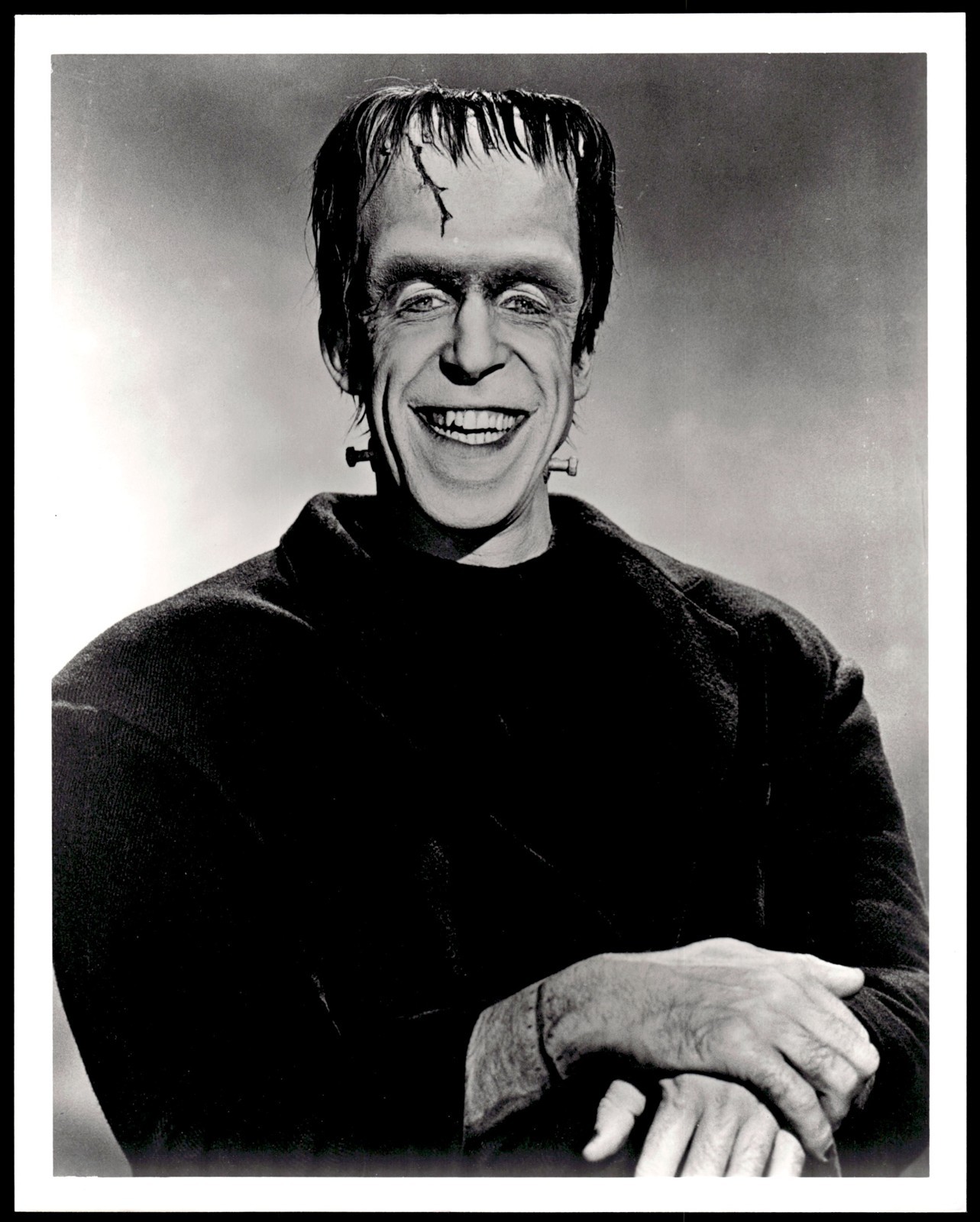
From 1964 to 1966, Gwynne starred in The Munsters as the lovable, Frankenstein-esque patriarch of a family of benign monsters. Playing Herman Munster was a grueling physical undertaking. Gwynne wore 40 to 50 pounds of padding and makeup, including heavy asphalt-based boots that added several inches to his height. The costume was so hot that he reportedly lost significant weight during filming and required frequent hydration and cooling.
Despite the physical toll, Gwynne’s performance was nuanced. He didn’t play Herman as a monster, but as a misguided, eternally optimistic father figure. His signature laugh—a booming, chesty "Hee-hee-hee"—and his frequent tantrums (often involving jumping up and down until the floor shook) became cultural touchstones. Although the show only ran for two seasons, it entered permanent syndication, ensuring that Gwynne remained a household name for generations.
The shadow of Herman Munster was both a blessing and a curse. For years, Gwynne struggled with typecasting, finding it difficult to secure serious dramatic roles because audiences couldn't separate him from the green-skinned character. However, as we look back from the vantage point of 2026, it is clear that his dedication to the role was what made the character timeless, rather than a mere caricature of horror tropes.
The Author’s Pen: Redefining Children’s Literature Through Wordplay
While his acting career faced the ebb and flow of Hollywood interest, Fred Gwynne maintained a highly successful parallel career as an author and illustrator. His books are celebrated for their clever use of homonyms, puns, and the literal interpretation of common idioms.
His most famous work, The King Who Rained (1970), remains a staple in elementary education for teaching the complexities of the English language. In the book, Gwynne illustrates a child's misunderstanding of words: a "king who rained" is depicted as a monarch floating in the clouds pouring water, while "forks in the road" are literally eating utensils stuck in the asphalt.
Key themes in Gwynne’s literary work include:
- Visual Puns: Using his background as a cartoonist to create humorous, surrealist imagery.
- Language Acquisition: Helping children navigate the confusion of words that sound the same but have different meanings.
- Whimsy and Absurdity: Maintaining a gentle, slightly surreal tone that appeals to both children and adults.
Other notable titles include A Chocolate Moose for Dinner (1976), The Sixteen Hand Horse (1980), and A Little Pigeon Toed (1988). Gwynne’s books have remained in print for decades because they address a fundamental stage of cognitive development—the moment children realize that language is not always literal. His illustrations, characterized by clean lines and expressive characters, perfectly complemented his dry wit.
Late-Career Renaissance: From Pet Sematary to My Cousin Vinny
In the 1980s and early 1990s, Fred Gwynne experienced a significant career resurgence as a character actor in film. He successfully broke the "Herman Munster" mold by taking on roles that utilized his age and imposing stature to convey authority or menace.
In 1989, he played the role of Jud Crandall in the film adaptation of Stephen King’s Pet Sematary. His portrayal of the weathered, Maine-accented neighbor who utters the famous line, "Sometimes dead is better," became an instant classic in the horror genre. He brought a sense of tragic wisdom to the role, proving to a new generation of cinemagoers that he was a dramatic force to be reckoned with.
His final film role remains one of his most beloved. In the 1992 comedy My Cousin Vinny, Gwynne played Judge Chamberlain Haller. Acting as the "straight man" to Joe Pesci’s frantic Vinny Gambini, Gwynne’s deadpan delivery and rigid adherence to judicial decorum provided the perfect comedic foil. The contrast between his towering, stoic presence and Pesci’s short, aggressive energy is a masterclass in comedic timing. Judge Haller was a fitting final performance, showcasing Gwynne’s ability to dominate a scene with nothing more than a furrowed brow and a stern "Excuse me?"
The Conservationist: A Private Life in the Maryland Countryside
Beyond the bright lights of Hollywood and the publishing houses of New York, Fred Gwynne was a man who deeply valued his privacy and the natural world. In the later years of his life, he moved to a farm in Taneytown, Maryland. It was here that he embraced his role as a conservationist and steward of the land.
Gwynne was known to his neighbors not as a celebrity, but as a quiet, hardworking man who preferred the company of his family and the demands of rural life. He was an advocate for land preservation, resisting the encroachment of suburban sprawl on Maryland’s historic agricultural regions. His commitment to the environment was personal; he spent much of his time restoring his farmhouse and managing his acreage with an eye toward ecological health.
His life in Maryland was a deliberate choice to step away from the "industry." He famously turned down many "Munsters" reunions and commercial opportunities that he felt cheapened the character or his own artistic integrity. This commitment to a simpler, more grounded existence allowed him to focus on his painting and his writing, far removed from the pressures of fame.
| Feature | Details |
|---|---|
| Birth Date | July 10, 1926 |
| Education | Harvard University (1951) |
| Most Famous TV Role | Herman Munster (The Munsters) |
| Most Famous Book | The King Who Rained (1970) |
| Most Famous Film Role | Judge Chamberlain Haller (My Cousin Vinny) |
| Died | July 2, 1993 (Taneytown, Maryland) |
| Primary Artistic Mediums | Acting, Illustration, Oil Painting, Writing |
Artistic Style and Technical Mastery
Fred Gwynne's technical approach to his crafts was rooted in a deep understanding of structure and form. As an actor, he was often described as a "performer of great economy." He understood that because of his physical size, he did not need to overact; his presence alone filled the frame. This allowed him to focus on the subtleties of vocal modulation. His voice was a precision instrument, capable of moving from a gentle, melodic whisper to a booming command that could rattle windows.
As an illustrator, his style was deceptive in its simplicity. He utilized a clean, "New Yorker-esque" line that focused on the emotional expression of his subjects. In his children's books, the humor often relies on the contrast between the chaotic or surreal subject matter and the calm, orderly fashion in which it is drawn. This tension is what makes his books so engaging for children, who are themselves trying to make sense of an often-nonsensical world.
In his private life, Gwynne was also an accomplished oil painter. Though he rarely exhibited his work publicly, those who saw it described it as having a sophisticated, somewhat moody quality, far different from the bright whimsy of his children's illustrations. This private side of his artistry further underscores the complexity of the man—a public figure who kept his most personal creative expressions for himself and his close circle.
Frequently Asked Questions
What was Fred Gwynne's actual height?
Fred Gwynne stood 6 feet 5 inches tall. This significant height was a major factor in his casting for both The Munsters and various authority figures throughout his career. In The Munsters, he wore platform boots that increased his height to approximately 7 feet.
Did Fred Gwynne enjoy playing Herman Munster?
Gwynne had a complicated relationship with the character. While he appreciated the work and the fans, he often expressed frustration with the intense physical demands of the costume and the subsequent typecasting that followed him for decades. However, later in life, he spoke more fondly of the show's enduring popularity and the joy it brought to children.
What are Fred Gwynne's most popular children's books?
His "trilogy" of wordplay books—The King Who Rained, A Chocolate Moose for Dinner, and The Sixteen Hand Horse—remain his most popular and commercially successful works. They are frequently used by educators to teach English idioms and homonyms.
Where did Fred Gwynne live in his later years?
Gwynne lived on a farm in Taneytown, Carroll County, Maryland. He chose this location specifically for its beauty and the privacy it afforded him, becoming a respected member of the local community until his passing in 1993.
Was Fred Gwynne a classically trained singer?
While not primarily known as a singer, Gwynne had a beautiful singing voice and performed in musical theater early in his career. His vocal talent was put to use in various television episodes and on the Munsters soundtrack, where his deep baritone was a highlight.
Final Reflections and Next Actions
Fred Gwynne's legacy is one of remarkable breadth. He was an artist who refused to be confined to a single box, successfully navigating the worlds of television comedy, dramatic film, and children's literature. For those looking to explore his work today, the best starting point is a dual approach: revisit the comedic timing of My Cousin Vinny to see his acting mastery, and pick up a copy of The King Who Rained to appreciate his unique wit and illustrative skill.
For collectors and fans of classic television, researching the Maryland historical archives or visiting his former region can provide insight into his life as a conservationist. His story serves as a reminder that a public career does not have to define one’s private values, and that true artistic fulfillment often comes from the pursuit of multiple passions.
Image Gallery