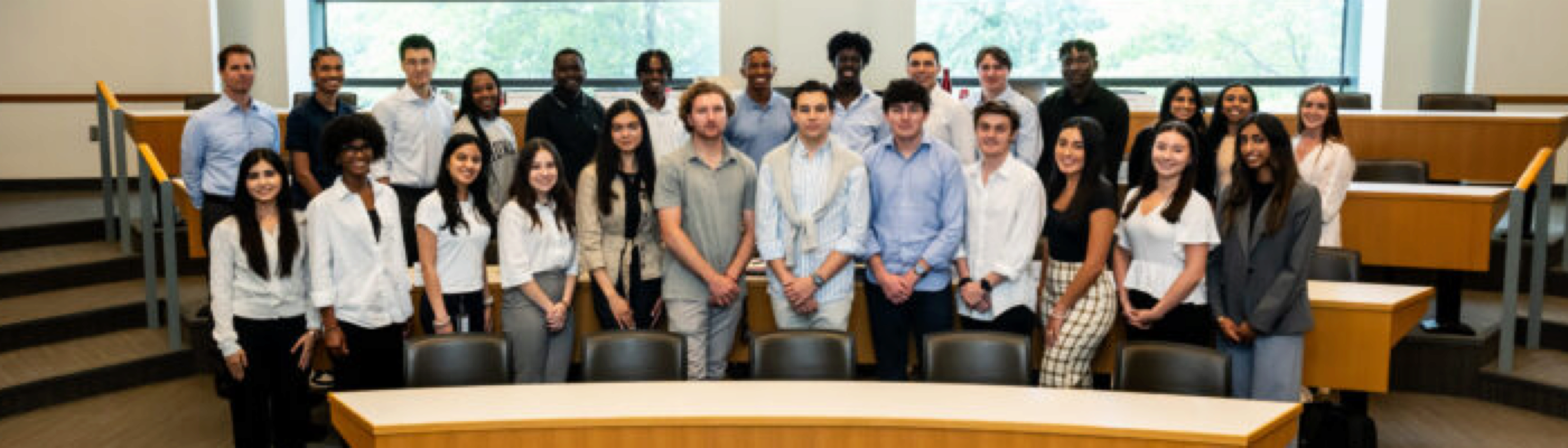
The Wharton School of Business Overview: History, Programs, and Legacy
The Wharton School of the University of Pennsylvania is the world's first collegiate business school, renowned globally for its rigorous quantitative approach to management education, influential faculty research, and prestigious alumn...
The Wharton School of the University of Pennsylvania is the world's first collegiate business school, renowned globally for its rigorous quantitative approach to management education, influential faculty research, and prestigious alumni network. Established in 1881 through a foundational donation by industrialist Joseph Wharton, the institution offers undergraduate, graduate, and executive education that shapes modern economic policy, corporate leadership, and global financial markets.
Contents
History and Founding Vision of The Wharton School
The creation of the Wharton School in 1881 marked a paradigm shift in higher education. Before Joseph Wharton endowed the department at the University of Pennsylvania with a gift of $100,000, business was learned almost exclusively through apprenticeship on the shop floor or in merchant offices. Wharton envisioned a formal institution that would provide young men with a rigorous, liberal-education-infused foundation in finance, economics, governance, and trade. He believed that commerce required the same level of intellectual discipline and systematic study as law, medicine, or theology.
Throughout the late 19th and early 20th centuries, the school expanded its curriculum beyond basic bookkeeping and mercantile law. It incorporated emerging disciplines such as insurance, transportation, manufacturing, and public finance. The establishment of the Industrial Research Department in the 1920s solidified Wharton’s commitment to empirical economic data gathering. Over successive decades, the school pioneered the integration of quantitative methods into business management, paving the way for modern financial economics, data analytics, and operational research.
Academic Programs and Educational Offerings
Wharton maintains a diverse portfolio of educational programs tailored to different career stages, ranging from traditional undergraduate degrees to immersive executive tracks. Each program maintains selective admissions standards and a curriculum rooted in analytical problem-solving and leadership development.
Undergraduate Program (Bachelor of Science in Economics)
The undergraduate division grants a Bachelor of Science in Economics (B.S.E.), a degree unique to Wharton within an Ivy League setting. Students combine core liberal arts courses from the University of Pennsylvania’s School of Arts and Sciences with specialized business concentrations.
- Core curriculum includes microeconomics, macroeconomics, financial accounting, statistics, and behavioral psychology.
- Students can choose from more than 20 distinct concentrations, including finance, marketing, entrepreneurial management, business analytics, and real estate.
- The cohort model encourages collaborative problem-solving, group presentations, and experiential learning projects with corporate sponsors.
Graduate Programs (MBA and Executive MBA)
The Wharton MBA is among the most competitive graduate business programs in the world. It emphasizes leadership, strategic decision-making, and global perspectives through international study tours and consulting projects.
- Full-Time MBA: A two-year residential program that allows students to customize their academic journey by selecting dual concentrations and participating in experiential ventures such as the Wharton Venture Initiation Program.
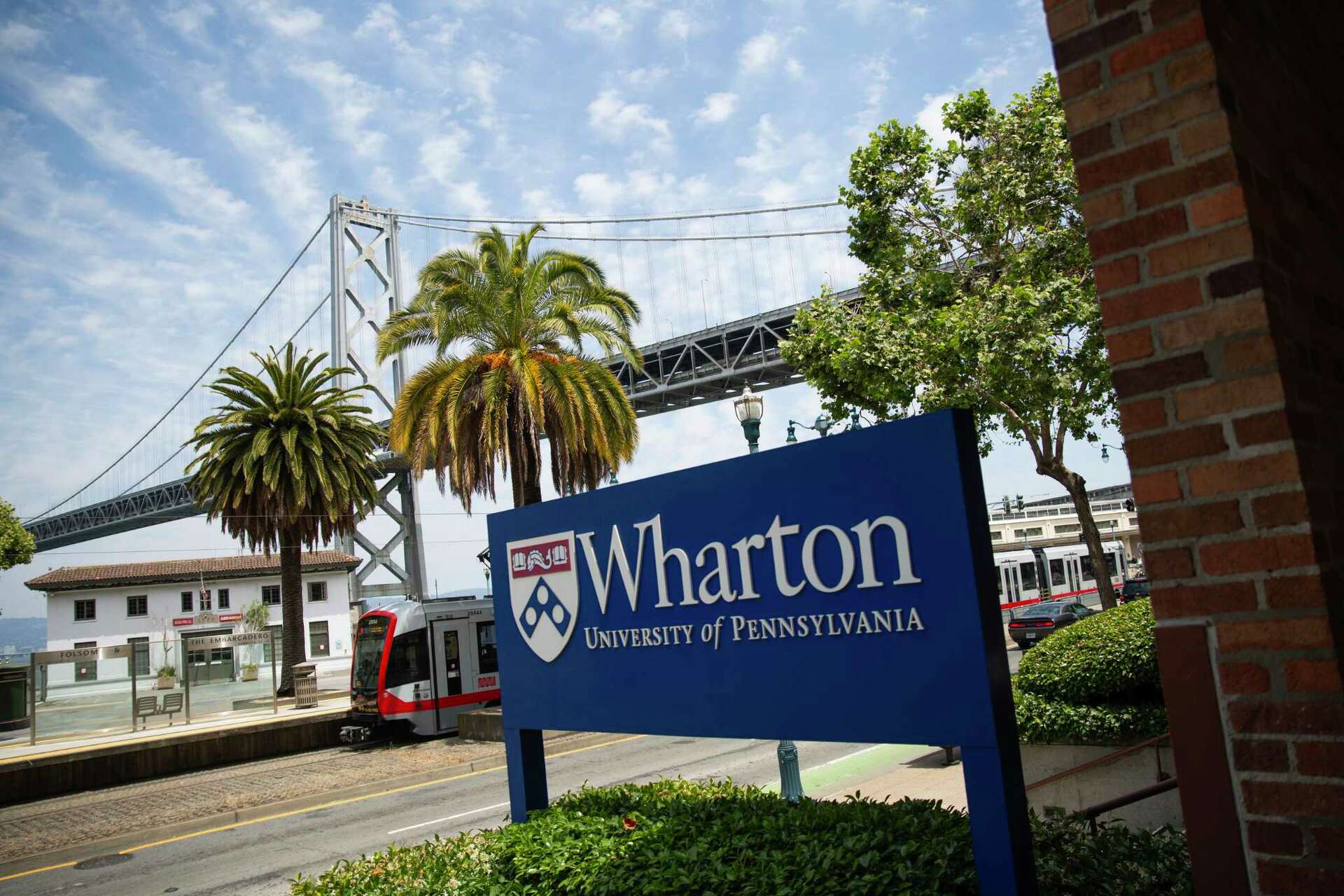
- Executive MBA (EMBA): Designed for experienced professionals and military leaders, this program runs concurrently in Philadelphia and San Francisco, allowing executives to earn a Wharton MBA without pausing their careers.
- Doctoral Programs: Wharton offers Ph.D. tracks in fields like applied economics, health care management, statistics, and operations, training future academics and industry researchers.
Research Centers and Intellectual Contributions
Beyond classroom instruction, Wharton operates numerous research centers and laboratories that influence global policy, corporate strategy, and financial theory. These centers serve as hubs where faculty, doctoral candidates, and industry partners collaborate on complex economic questions.
Prominent entities include the Penn Wharton Budget Model, which provides nonpartisan, evidence-based analysis of public policy and fiscal proposals in the United States, and the Wharton Risk Management and Decision Processes Center, which studies how individuals and organizations manage catastrophic risks. Additionally, initiatives like Wharton Customer Analytics bridge the gap between academic data science and practical retail marketing strategies. Faculty members frequently publish groundbreaking papers that redefine portfolio management, consumer behavior, and organizational psychology.
Admissions Selectivity and Student Demographics
Admission to Wharton is fiercely competitive across all degree levels. The admissions committee evaluates applicants not only on standardized test scores and academic transcripts, but also on demonstrated leadership potential, intellectual curiosity, and community impact.
| Program Level | Typical Class Size | Primary Focus | Key Selection Metrics |
|---|---|---|---|
| Undergraduate (B.S.E.) | ~2,500 total students | Foundational economics and business concentrations | Rigorous high school math/science coursework, SAT/ACT scores, extracurricular leadership |
| Full-Time MBA | ~850 per class | Advanced management, finance, and cross-functional leadership | Professional experience, GMAT/GRE scores, undergraduate GPA, essays, interviews |
| Executive MBA | ~200 total participants | Senior executive strategy, global markets, and peer networking | 10+ years professional experience, employer sponsorship support, leadership track record |
Campus Infrastructure and Global Reach
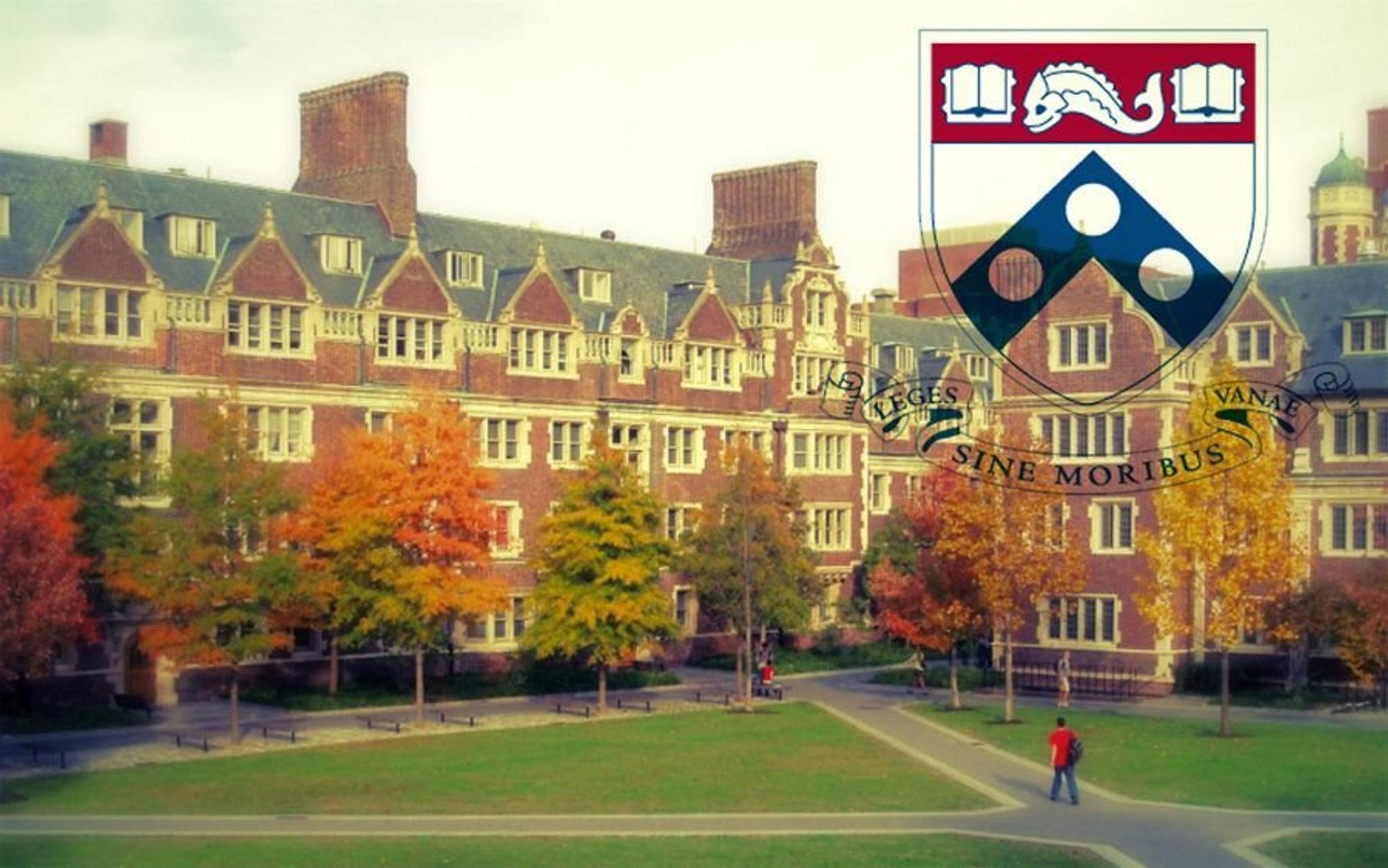
Wharton’s physical footprint is anchored in the University of Pennsylvania campus in Philadelphia, Pennsylvania. Iconic facilities such as Steinberg Hall-Dietrich Hall, Huntsman Hall—a state-of-the-art educational facility featuring tiered auditoriums, trading floors, and group study pods—and the Steinberg Conference Center provide immersive environments for student collaboration. In addition to its Philadelphia campus, Wharton operates the San Francisco campus, offering executive education and semester immersion programs tailored to the technology, venture capital, and West Coast business ecosystems.
Furthermore, Wharton maintains extensive global partnerships through the Wharton Global Alliance and exchange programs with international institutions like INSEAD and London Business School, ensuring students gain exposure to cross-border markets and emerging economic landscapes.
Frequently Asked Questions
What degree do undergraduate students receive at Wharton?
Undergraduate students at Wharton earn a Bachelor of Science in Economics (B.S.E.). While the degree title emphasizes economics, the curriculum is broad and encompasses all major business disciplines, alongside rigorous general education requirements from the wider University of Pennsylvania.
How does the Wharton MBA program differ from other business schools?
Wharton is historically recognized for its quantitative rigor, particularly in finance, statistics, and data analytics. Its large class size allows for a vast array of specialized concentrations and deep alumni networks across virtually every global industry sector.
Are there non-degree or online programs available through Wharton?
Yes, Wharton offers numerous non-degree executive education courses, certificate programs, and online learning modules through platforms like Coursera. These programs cater to working professionals seeking specific skill upgrades in areas such as business analytics, corporate finance, and strategic management without committing to a full degree track.
What is the Penn Wharton Budget Model?
The Penn Wharton Budget Model is a nonpartisan research initiative that analyzes the fiscal and economic impact of public policy decisions and federal legislation. It is frequently cited by lawmakers, economists, and media outlets to evaluate the long-term trade-offs of tax and spending bills.
How can prospective students visit the campus or apply?
Prospective undergraduate applicants apply through the University of Pennsylvania admissions portal, while graduate candidates apply directly via the Wharton Graduate Admissions website. Campus tours, virtual information sessions, and student-led webinars are regularly scheduled through official institutional channels.
Next Actions for Prospective Applicants
Individuals interested in pursuing education at the Wharton School should thoroughly review specific admissions prerequisites, standard test score policies, and application deadlines on the official Wharton and University of Pennsylvania portals. Prospective candidates are encouraged to attend virtual admissions information sessions, connect with alumni networks, and align their academic or professional trajectories with Wharton's core values of analytical rigor and collaborative leadership.
Image Gallery