When Mold Remediation Could Not Save My Bed: A Practical Guide to Porous Material Contamination
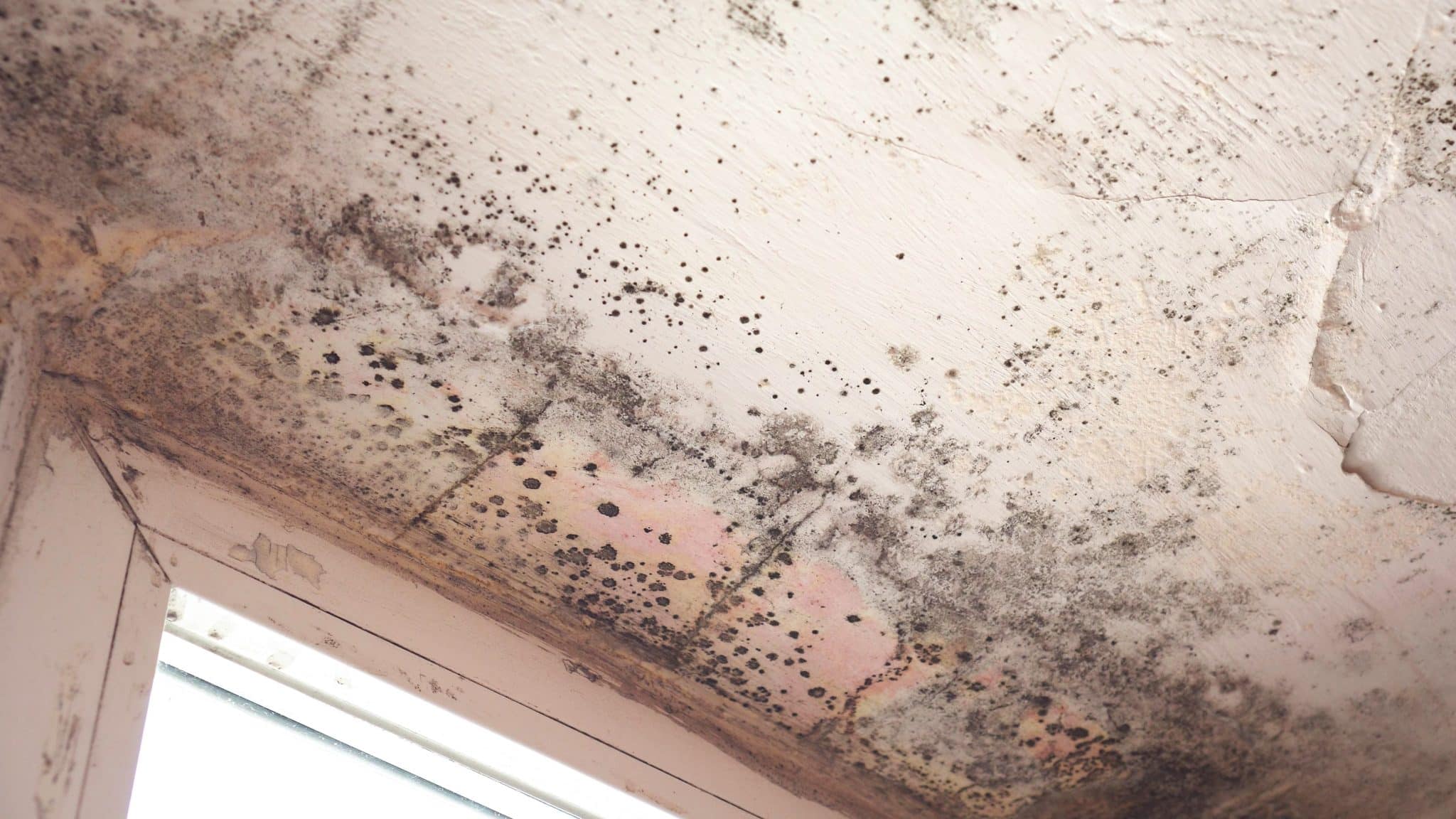
When mold colonizes porous and semi-porous furnishings, professional remediation efforts frequently fail to salvage the items. This happens because microscopic fungal hyphae and spores penetrate deep beneath the surface layers of mater...
When mold colonizes porous and semi-porous furnishings, professional remediation efforts frequently fail to salvage the items. This happens because microscopic fungal hyphae and spores penetrate deep beneath the surface layers of materials like memory foam, upholstered frames, and box springs, making complete extraction physically impossible despite surface-level treatments.
Contents
Dealing with indoor fungal contamination requires a clear understanding of material science, indoor air quality standards, and the physical limitations of cleaning services. When a mattress or upholstered bed frame becomes heavily contaminated, recognizing the point of failure prevents wasted financial investment in ineffective cleaning treatments and eliminates ongoing health hazards.
Understanding Porous Materials and Fungal Colonization
To understand why professional cleaning protocols sometimes fail, one must examine how mold interacts with different material classes. Indoor environments host various fungal species, including Aspergillus, Penicillium, and Stachybotrys chartarum (often called black mold). These organisms reproduce by releasing microscopic spores into the air, which settle on surfaces in search of moisture, oxygen, and organic nutrients.
Materials are generally categorized into three groups regarding mold contamination:
- Non-porous materials: Glass, metal, and hard plastics. Spores rest entirely on the surface and can be wiped away using standard disinfectants or detergent solutions.
- Semi-porous materials: Wood, concrete, and unpainted drywall. Spores can penetrate shallow surface layers, but sanding, specialized sealing, or aggressive chemical treatments often restore them safely.
- Porous materials: Carpets, textiles, upholstery, paper, and mattresses. These items feature intricate networks of fibers, open cells, and void spaces. Once spores enter this matrix, they germinate and extend root-like structures called hyphae deep into the core.
According to guidelines published by the United States Environmental Protection Agency (EPA) and the New York City Department of Health and Mental Hygiene (NYC DOHMH) guidelines on assessment and remediation of fungi in indoor environments, porous materials that have been wet for more than 48 hours or show extensive fungal growth must be discarded rather than cleaned.
| Material Category | Porosity Level | Standard Remediation Approach |
|---|---|---|
| Glass, Metal, Plastic | Non-porous | Surface cleaning and disinfection |
| Wood, Concrete | Semi-porous | Deep cleaning, sanding, or sealing |
| Mattresses, Upholstery | Highly porous | Discard and replace |
Why Professional Mold Remediation Fails on Beds
Homeowners frequently hire certified mold remediation companies expecting a comprehensive restoration of their entire home inventory, including expensive mattresses and custom headboards. However, reputable remediation technicians operate under strict industry standards, such as the IICRC S520 Standard for Professional Mold Remediation established by the Institute of Inspection Cleaning and Restoration Certification.
Under these standards, remediation focuses primarily on structural elements, HVAC systems, and non-porous contents. When applied to a contaminated bed, several technical limitations prevent successful restoration:
1. Inability to Extract Deep Roots
Surface washing, HEPA vacuuming, and chemical fogging only address external contamination. Hyphae grow deep inside the batting, memory foam layers, and inner coil structures of a mattress. No commercial injection or extraction tool can reach every internal pocket of a densely packed foam core without destroying the structural integrity of the bed itself.
2. Moisture Trapped Inside Cores
Mattresses are designed to absorb and retain body moisture, which makes them highly vulnerable to internal humidity accumulation. If a leak, high indoor relative humidity (above 60%), or flooding introduces moisture, the interior microclimate of the mattress remains damp long after the bedroom air dries out. This allows mold to continue growing unseen in the center of the bed.
3. Allergenic and Mycotoxic Residues
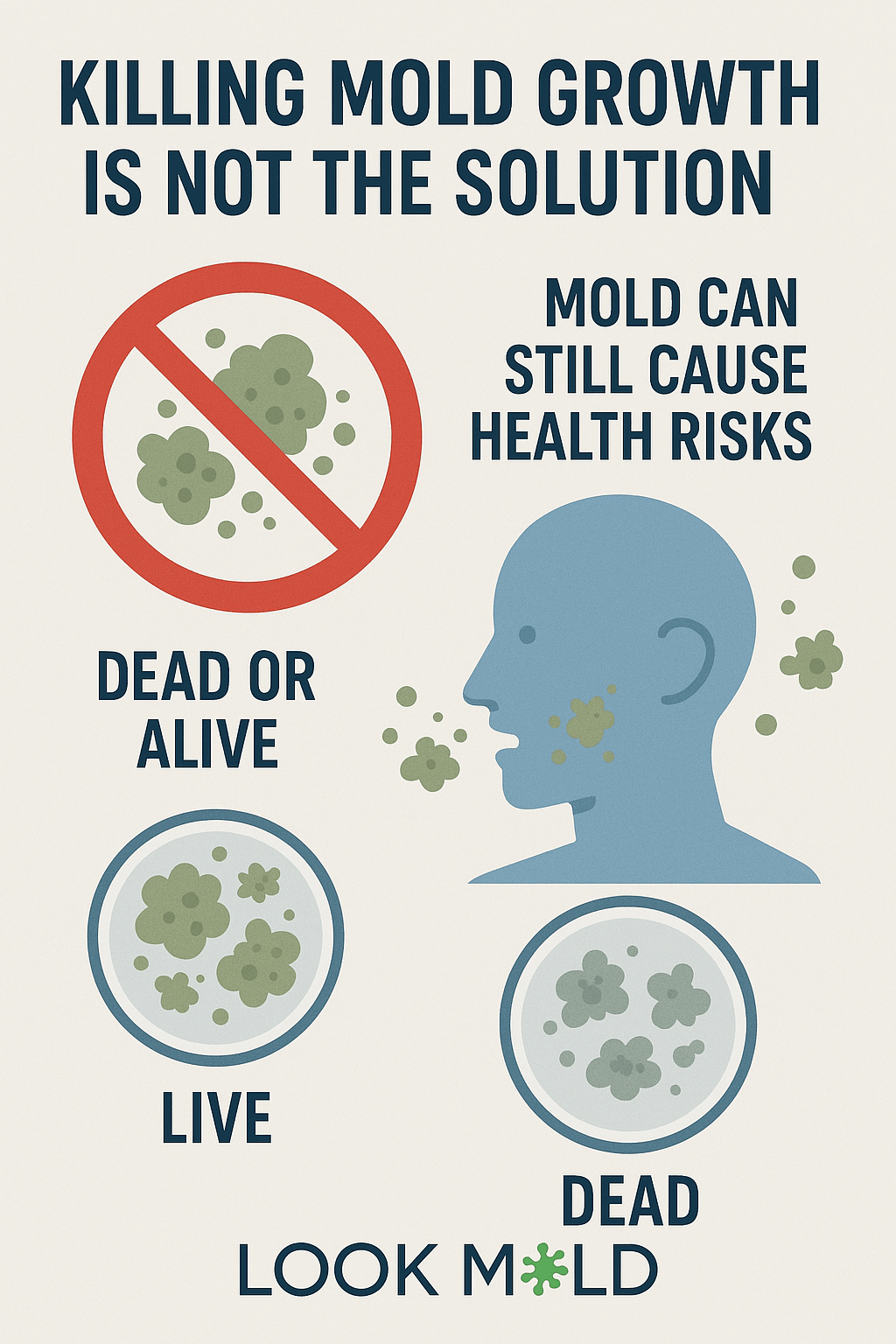
Even if a harsh antimicrobial treatment could kill active fungal colonies, it cannot remove dead spores, fungal fragments, and mycotoxins trapped inside the fabric. These microscopic remnants remain potent triggers for allergic rhinitis, asthma attacks, and other respiratory complications.
Health Implications of Sleeping on Mold-Contaminated Mattresses
Sleeping on a contaminated bed exposes the human respiratory system to concentrated fungal loads for hours at a time. Because individuals spend roughly a third of their lives in bed, close contact inhalation and dermal exposure amplify health risks compared to ambient room mold.
Common health reactions linked to indoor fungal exposure include:
- Allergic Responses: Sneezing, runny nose, red or watery eyes, and skin rashes.
- Respiratory Exacerbation: Increased frequency and severity of asthma symptoms, coughing, and wheezing.
- Chronic Fatigue and Headaches: Persistent neurological and systemic symptoms reported by sensitive individuals or those with mold illness (Chronic Inflammatory Response Syndrome or CIRS).
According to the Centers for Disease Control and Prevention (CDC), individuals with compromised immune systems, chronic lung diseases, or severe allergies face the highest risk of severe fungal infections, such as hypersensitivity pneumonitis or opportunistic infections caused by Aspergillus species.
Assessing Your Bed: Salvageable vs. Non-Salvageable
Before deciding whether to discard a bed after a mold incident, a methodical inspection must be performed. Homeowners should utilize personal protective equipment (PPE)—including an N95 or N100 respirator, gloves, and protective eyewear—during inspection to avoid inhaling spores.
Factors Dictating Replacement
- Source of Contamination: If mold originated from internal flooding, sewage backups, or prolonged roof leaks that saturated the mattress core, the bed must be discarded immediately.
- Extent of Growth: Surface spotting covering more than a few square inches, or any visible growth on the underside and internal box spring, indicates systemic failure.
- Musty Odor: A persistent, earthy, or musty smell indicates active microbial volatile organic compounds (mVOCs) being released from deep within the padding. Odors that persist after professional laundering mean contamination remains.
- Material Type: Memory foam, latex foam, pillow-top layers, and box springs cannot be disinfected internally and must be replaced if contaminated.
Rare Exceptions for Surface Mold
In very limited scenarios—such as a small patch of surface mildew caused strictly by temporary window condensation on a wooden bed frame—remediation might succeed. If the wood is solid and non-upholstered, technicians can clean it with a damp cloth and a mild detergent solution, dry it thoroughly with industrial dehumidifiers, and apply an antimicrobial sealant. However, any fabric components touching the affected wood should still be closely evaluated.
Step-by-Step Action Plan for Dealing with Contaminated Sleep Systems
When professional remediation cannot save a bed, a systematic approach ensures the contamination is removed safely without spreading spores to other areas of the home.
1. Contain the Area
Close bedroom doors and turn off HVAC systems running in the zone to prevent spores from circulating through ductwork to unaffected rooms. Set up a portable HEPA air scrubber in the bedroom to capture airborne particulates during handling.
2. Seal the Item Before Removal
To prevent shedding spores across hallways, carpets, and stairwells during transport, wrap the entire mattress or upholstered frame in heavy-duty plastic sheeting or specialized disposal bags. Secure the plastic tightly with packaging tape.
3. Dispose According to Local Regulations
Check municipal waste guidelines for bulk item disposal. In many jurisdictions, contaminated mattresses must be wrapped entirely in plastic and labeled before curbside pickup to protect sanitation workers.
4. Address the Surrounding Environment
Removing the bed is only half the battle. The surrounding room must be thoroughly remediated to prevent future infestations:
- Inspect and clean baseboards, carpeting, and nearby walls.
- Wash all bedding, sheets, and blankets in hot water (minimum 130°F / 54°C) with laundry detergent, or discard them if heavily impacted.
- Run commercial dehumidifiers to bring indoor relative humidity down below 50%.
- Have HVAC ducts inspected if the mold issue stemmed from systemic moisture or HVAC condensation failure.
Frequently Asked Questions
Can professional steam cleaning kill mold inside a mattress?
No. While high-temperature steam can kill surface mold, it introduces excessive moisture into the porous core of the mattress. If the interior does not dry out completely within 24 to 48 hours, the residual moisture will fuel secondary mold growth, worsening the original problem.
Does vinegar or bleach remove mold from memory foam?
Household bleach is ineffective on porous materials because the chlorine stays on the surface while the water component sinks into the foam, encouraging further fungal growth. Vinegar can kill some surface mold on non-porous items, but it cannot penetrate foam or thick upholstery to reach deep fungal hyphae.
How can I prevent mold from growing in my bed in the future?
Maintain indoor relative humidity between 30% and 50% using air conditioners and dehumidifiers. Ensure adequate bedroom ventilation, avoid placing beds directly against exterior walls prone to thermal bridging and condensation, and use breathable waterproof mattress protectors if sweating or spills are a concern.
Are certain bed frames more resistant to mold than others?
Yes. Solid metal frames or kiln-dried hardwood frames with slatted bases allow maximum airflow beneath the mattress, greatly reducing moisture accumulation. Upholstered frames with dense wooden internal panels trap humidity and are significantly harder to remediate if exposed to moisture.
Conclusion and Next Actions
When mold remediation efforts cannot save a bed, replacing the mattress and upholstered components is the only medically and structurally sound choice. Attempting to chemically treat or deep-clean internal foam cores creates a false sense of security while leaving hidden spores and mycotoxins intact. Homeowners facing this issue should prioritize safe disposal, address the underlying moisture source in the room, and invest in a replacement setup that promotes adequate ventilation and humidity control.
Image Gallery