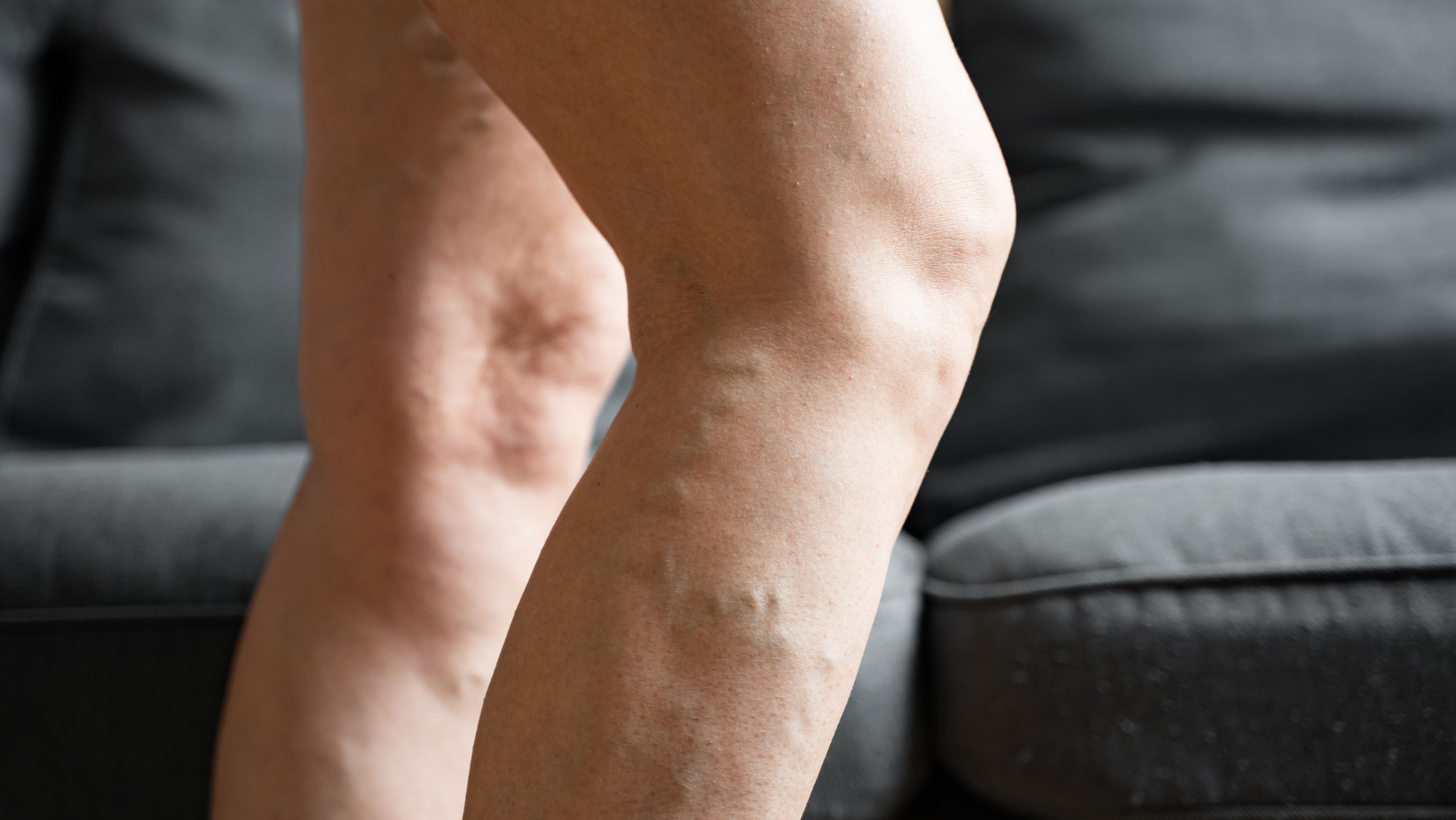
What to Expect at a Vein Clinic in Marietta
When visiting a vein clinic in Marietta, you can expect a comprehensive clinical experience that begins with a detailed physical evaluation and a diagnostic vascular ultrasound to identify the root cause of your symptoms. Most modern c...
When visiting a vein clinic in Marietta, you can expect a comprehensive clinical experience that begins with a detailed physical evaluation and a diagnostic vascular ultrasound to identify the root cause of your symptoms. Most modern clinics in the Cobb County area focus on minimally invasive, "walk-in, walk-out" procedures designed to treat venous insufficiency with minimal downtime.
Contents
The landscape of vascular health in Marietta has evolved significantly by 2026. With a high concentration of specialists located near the Wellstar Kennestone regional medical hub and along the Pollack Parkway corridor, patients have access to advanced diagnostic tools and non-surgical interventions. Whether you are seeking treatment for painful varicose veins or cosmetic improvements for spider veins, understanding the procedural flow of a specialized vein center can alleviate anxiety and help you prepare for your first visit.
The Initial Consultation: More Than Just a Visual Exam
Your journey at a Marietta vein clinic starts with a thorough intake process. Many patients assume the doctor will simply look at the visible veins on the surface of the skin, but a professional vascular consultation is far more analytical.
Medical History and Symptom Assessment
The medical team will first review your history, focusing on symptoms that indicate chronic venous insufficiency (CVI). In 2026, clinicians place heavy emphasis on "lifestyle indicators." They will ask about your occupation—specifically if you spend long hours standing at a job in the local manufacturing sector or sitting at a desk in one of Marietta’s many corporate offices.
Common symptoms discussed include:
- Leg Heaviness: A feeling that your legs are weighted down, especially toward the end of the day.
- Aching or Throbbing: Persistent pain that often improves when legs are elevated.
- Swelling (Edema): Tightness around the ankles or calves.
- Restless Legs: An uncontrollable urge to move the legs, often occurring at night.
- Skin Changes: Discoloration, leather-like texture, or the presence of slow-healing sores (venous ulcers).
The Physical Examination
Following the history, a vascular specialist (often a board-certified vascular surgeon or phlebologist) will perform a physical exam. They will inspect the legs for swelling, skin changes, and the pattern of visible veins. However, because the most significant vein issues often occur beneath the surface in the "great saphenous" or "small saphenous" veins, the visual exam is only the first step.
The Diagnostic "Gold Standard": Vascular Ultrasound
The most critical part of your visit to a Marietta vein clinic is the diagnostic ultrasound. Unlike the ultrasounds used during pregnancy, a vascular duplex ultrasound is specifically designed to measure the direction and speed of blood flow in your legs.
Mapping Venous Reflux
The primary goal of the ultrasound technician is to identify "reflux." In healthy veins, one-way valves keep blood flowing upward toward the heart. When these valves fail, gravity pulls the blood backward, causing it to pool in the lower legs. This backward flow is known as reflux.
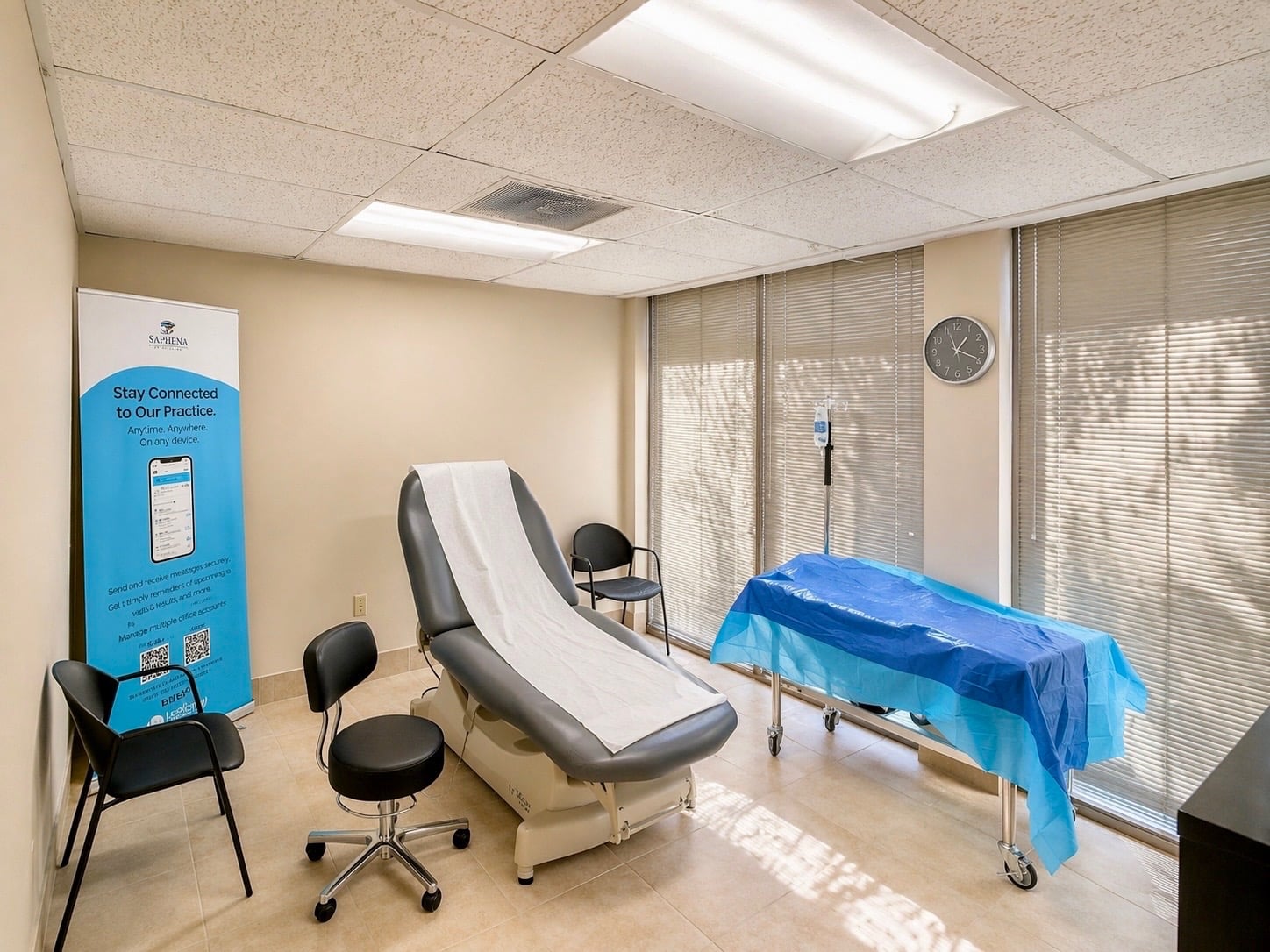
During the scan, you will likely be asked to stand on a small platform. The technician will apply a clear gel and move a transducer along your legs. You may hear sounds representing your blood flow. This process is entirely painless and non-invasive, typically taking 30 to 45 minutes. By the end of this session, the clinic will have a "map" of your venous system, which is essential for insurance authorization and treatment planning.
Modern Treatment Options Available in 2026
If the ultrasound confirms venous insufficiency, the specialist will discuss a customized treatment plan. In 2026, the traditional "vein stripping" surgery of the past has been almost entirely replaced by thermal and chemical occlusion techniques.
Endovenous Laser Ablation (EVLA) and Radiofrequency Ablation (RFA)
These are the primary methods for treating larger varicose veins. Under local anesthesia, a tiny catheter is inserted into the diseased vein. Using either laser energy (EVLA) or radiofrequency heat (RFA), the doctor seals the vein shut. Once the vein is closed, the body naturally reroutes blood flow to healthier, functional veins nearby. The treated vein eventually turns into scar tissue and is absorbed by the body.
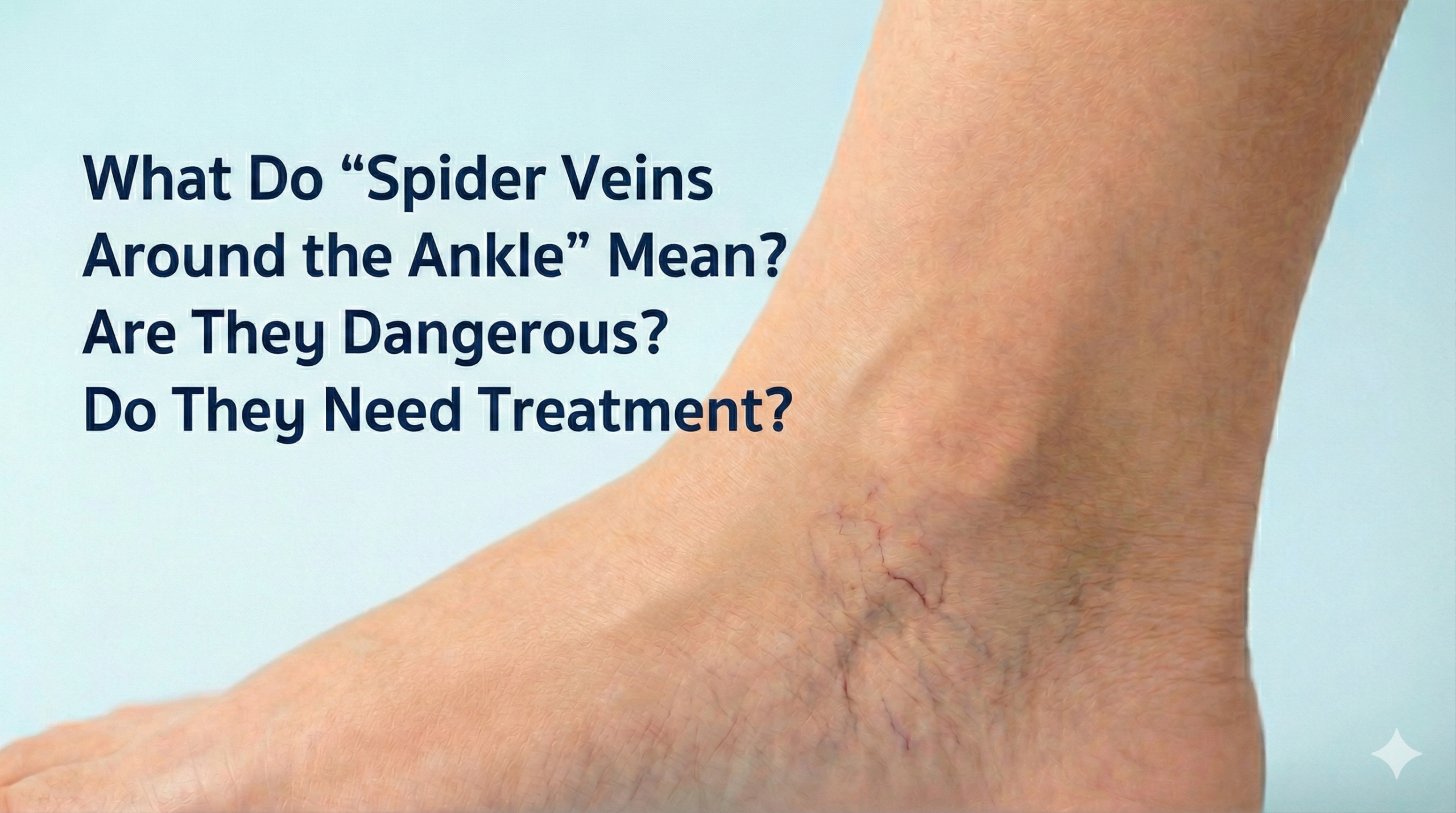
Sclerotherapy for Spider Veins
For smaller, branch-like veins and cosmetic spider veins, sclerotherapy remains the preferred method. A specialized medicinal solution (sclerosant) is injected directly into the vein, causing the walls to stick together and collapse. In 2026, many Marietta clinics use "foam sclerotherapy," which allows the medicine to cover a larger surface area inside the vein for more effective results.
VenaSeal (Medical Adhesive)
One of the more recent advancements often highlighted in Georgia clinics is VenaSeal. This procedure uses a proprietary medical grade "super glue" to shut down the diseased vein. The primary advantage of VenaSeal is that it often eliminates the need for wearing compression stockings after the procedure, which is a significant benefit given the humid North Georgia climate.
Navigating Insurance and Costs
One of the most frequent questions at Marietta vein clinics involves the distinction between "medical necessity" and "cosmetic treatment."
Insurance Coverage Criteria
Most major insurance providers in 2026, including those common in the Cobb County area, cover vein treatments if they are deemed medically necessary. To qualify for coverage, clinics generally must provide evidence of:
- Symptomatic Distress: Documentation that the veins cause pain, swelling, or limit daily activities.
- Ultrasound Evidence: Proven reflux in the saphenous system.
- Conservative Management: Proof that you have tried "conservative" measures—such as wearing medical-grade compression stockings, leg elevation, and exercise—for a specified period (usually 6 to 12 weeks) without sufficient relief.
Out-of-Pocket Expenses
Cosmetic treatments, specifically for spider veins that do not cause physical pain, are typically not covered by insurance. Most Marietta clinics provide transparent pricing for these services, often offering package deals for multiple sclerotherapy sessions.
| Procedure Type | Typical Duration | Recovery Time | General Insurance Status |
|---|---|---|---|
| Radiofrequency Ablation | 45-60 Minutes | 1-2 Days (Light Activity) | Usually Covered (Medical) |
| Endovenous Laser | 45-60 Minutes | 1-2 Days (Light Activity) | Usually Covered (Medical) |
| VenaSeal Adhesive | 30-45 Minutes | Immediate | Often Covered (Medical) |
| Sclerotherapy | 20-30 Minutes | Immediate | Usually Self-Pay (Cosmetic) |
| Microphlebectomy | 60-90 Minutes | 3-5 Days | Covered if combined with RFA |
Preparing for Your Visit: A Practical Checklist
To ensure your appointment at a Marietta vein clinic goes smoothly, a small amount of preparation is required. Because the clinic is located in a busy suburban hub, logistics matter.
- Clothing: Wear loose-fitting clothing. You will be asked to change into clinical shorts for the ultrasound and exam. Many clinics provide these, but bringing your own athletic shorts can increase your comfort.
- Hydration: Drink plenty of water before your ultrasound. Being well-hydrated makes your veins easier to visualize on the scan.
- Documentation: Bring a list of all current medications, especially blood thinners or hormone replacement therapies, as these can impact your risk for blood clots or dictate which treatments are safest.
- Traffic Considerations: If your clinic is located near the Marietta Square or the I-75/South Marietta Parkway interchange, account for significant transit time. Most clinics require new patients to arrive 15 minutes early for digital check-in.
What Happens After Treatment?
Recovery in 2026 is significantly faster than in previous decades. For most thermal ablation procedures, you will be encouraged to walk immediately after the session. Walking promotes healthy blood circulation and reduces the risk of Deep Vein Thrombosis (DVT).
You may experience minor bruising or a "tugging" sensation along the treated vein for a few days. Most patients return to office-based work the very next day. However, you will likely be advised to avoid heavy weightlifting or high-impact exercise for approximately one to two weeks following the procedure.
Frequently Asked Questions
Does the ultrasound or treatment hurt? The diagnostic ultrasound is completely painless. For treatments like ablation, a local anesthetic is used to numb the area. Most patients describe the sensation as a series of small pinpricks or a mild pressure, but not acute pain. Modern techniques in 2026 prioritize patient comfort through refined numbing protocols.
Can I drive myself home after the appointment? For a standard consultation and ultrasound, you can certainly drive yourself. For actual treatment procedures, it depends on the clinic's specific protocol and whether any oral relaxants were administered. Most minimally invasive treatments performed under local anesthesia allow patients to drive themselves home, but it is always best to confirm with your Marietta provider beforehand.
How many sessions will I need? The number of sessions depends on the complexity of your venous disease. While a single ablation might fix the "trunk" vein causing the problem, you may require follow-up sclerotherapy sessions to clear away the smaller "tributary" veins or surface spider veins. Your specialist will provide a multi-stage timeline during your initial consultation.
Will the veins come back? Once a vein is successfully closed or removed, that specific vein cannot "come back." However, venous insufficiency is often a progressive condition. While the treated veins are gone, new varicose veins can develop over time in different vessels if the underlying predisposition to valve failure remains.
Is a vein clinic the same as a vascular surgeon’s office? Many vein clinics in Marietta are staffed by vascular surgeons, but some are run by interventional radiologists or cardiologists. The key is to ensure the clinic is accredited and the physician is board-certified in a specialty related to vascular health.
Recommendation for Next Actions
If you are experiencing leg pain, heaviness, or visible bulging veins, the first step is to schedule a diagnostic ultrasound and consultation. Do not wait for skin ulcers or blood clots to develop. Contact a reputable Marietta vein center and verify that they accept your insurance provider. Before your visit, document exactly when your symptoms are at their worst so you can provide the clinician with an accurate profile of your condition.
Image Gallery