Understanding HRM CRM Software: Integrating People and Performance in 2026
HRM CRM software is an integrated digital ecosystem that combines Human Resource Management (HRM) and Customer Relationship Management (CRM) functionalities into a unified platform. This hybrid approach allows organizations to manage t...
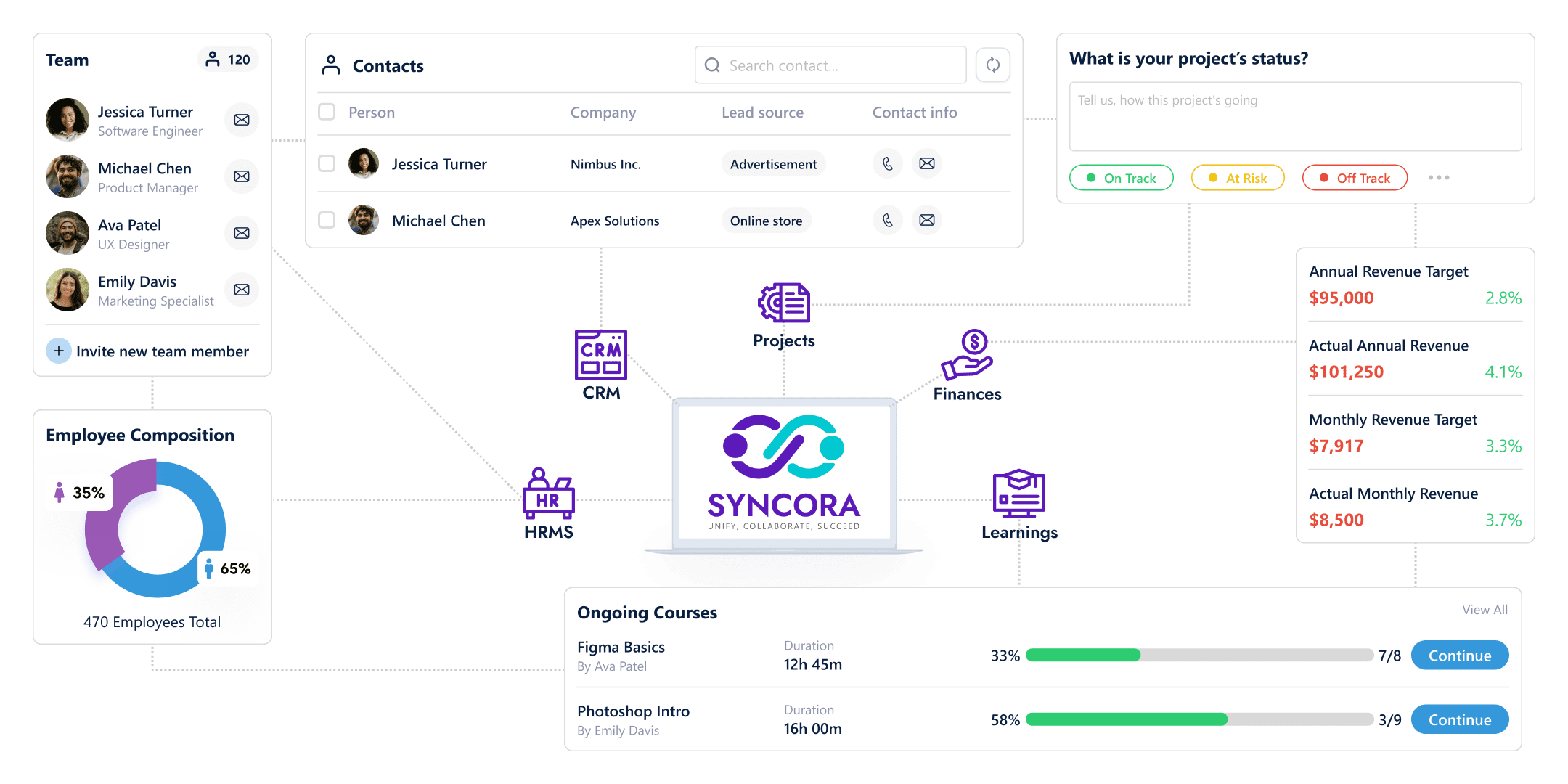
HRM CRM software is an integrated digital ecosystem that combines Human Resource Management (HRM) and Customer Relationship Management (CRM) functionalities into a unified platform. This hybrid approach allows organizations to manage the entire lifecycle of both their internal workforce and their external customer base, ensuring that talent management and revenue operations are perfectly aligned.
Contents
As we move through 2026, the traditional silos between departments are dissolving. In the modern enterprise, "HRM CRM software" typically refers to one of two things: a comprehensive Enterprise Resource Planning (ERP) suite that includes both modules, or a deep integration between standalone HR and Sales platforms. By bridging the gap between how a company treats its employees and how it serves its clients, businesses can achieve higher operational efficiency and more accurate data forecasting.
The Evolution of Unified Business Systems
Historically, HRM and CRM were viewed as distinct entities. HR was the "back office" responsible for compliance, payroll, and culture, while CRM was the "front office" driving sales, marketing, and support. However, the realization that employee experience directly correlates with customer satisfaction has led to the rise of integrated HRM CRM environments.
In 2026, data is the most valuable asset a company possesses. Having separate databases for staff and customers often leads to "data fragmentation," where insights from one department cannot be used by another. An integrated software approach ensures that when a salesperson (tracked in the CRM) closes a massive deal, the HR system (HRM) automatically triggers performance bonuses or identifies a need for additional support staff to handle the new account.
Defining HRM: The Internal Engine
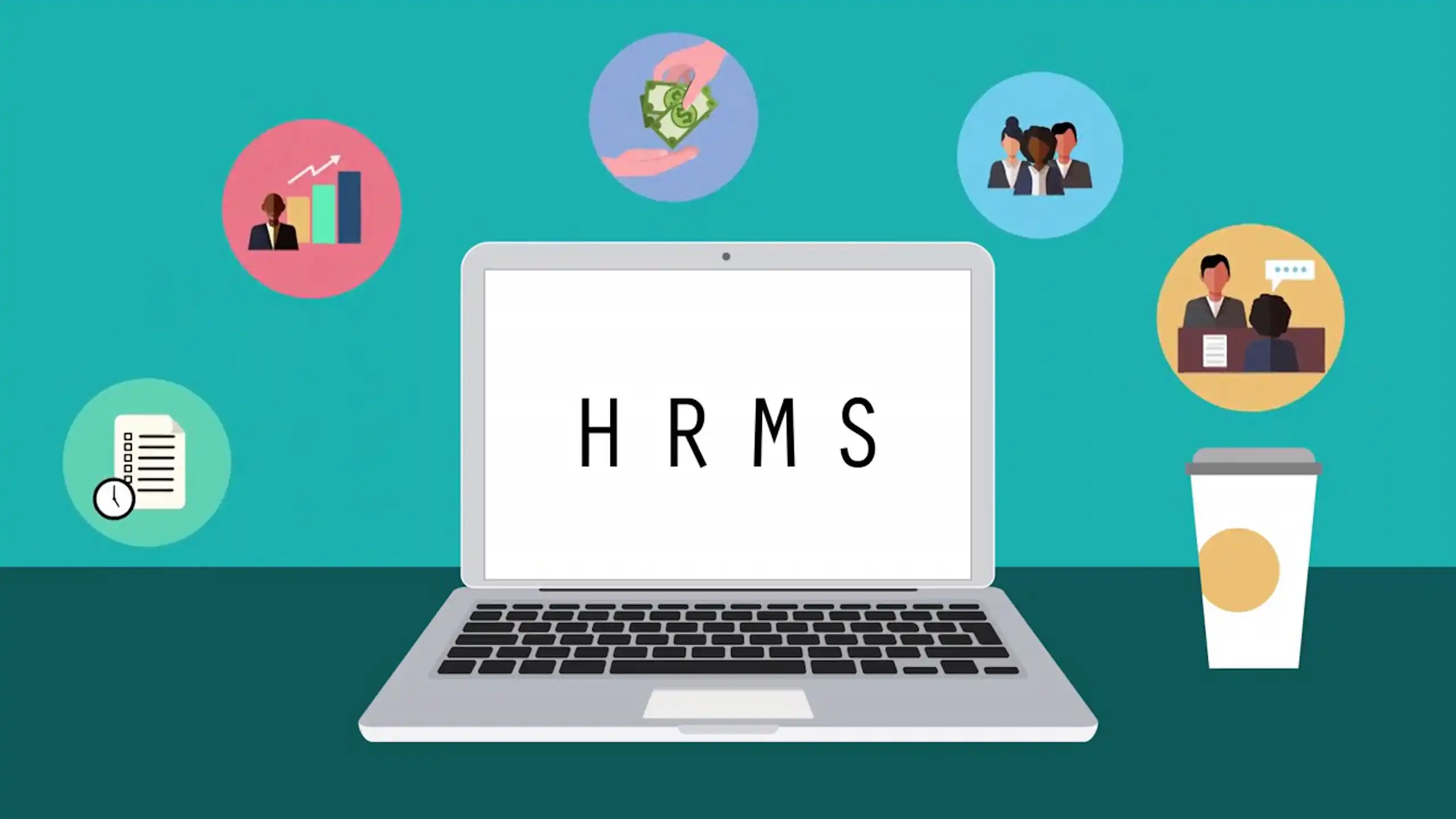
Human Resource Management software focuses on the "Human Capital" of an organization. Its primary goal is to optimize the productivity and well-being of the workforce. Key components include:
- Applicant Tracking Systems (ATS): Managing the recruitment funnel.
- Onboarding and Offboarding: Standardizing the entry and exit of staff.
- Payroll and Benefits: Managing compensation, taxes, and insurance.
- Performance Management: Tracking KPIs, reviews, and professional development.
Defining CRM: The External Engine
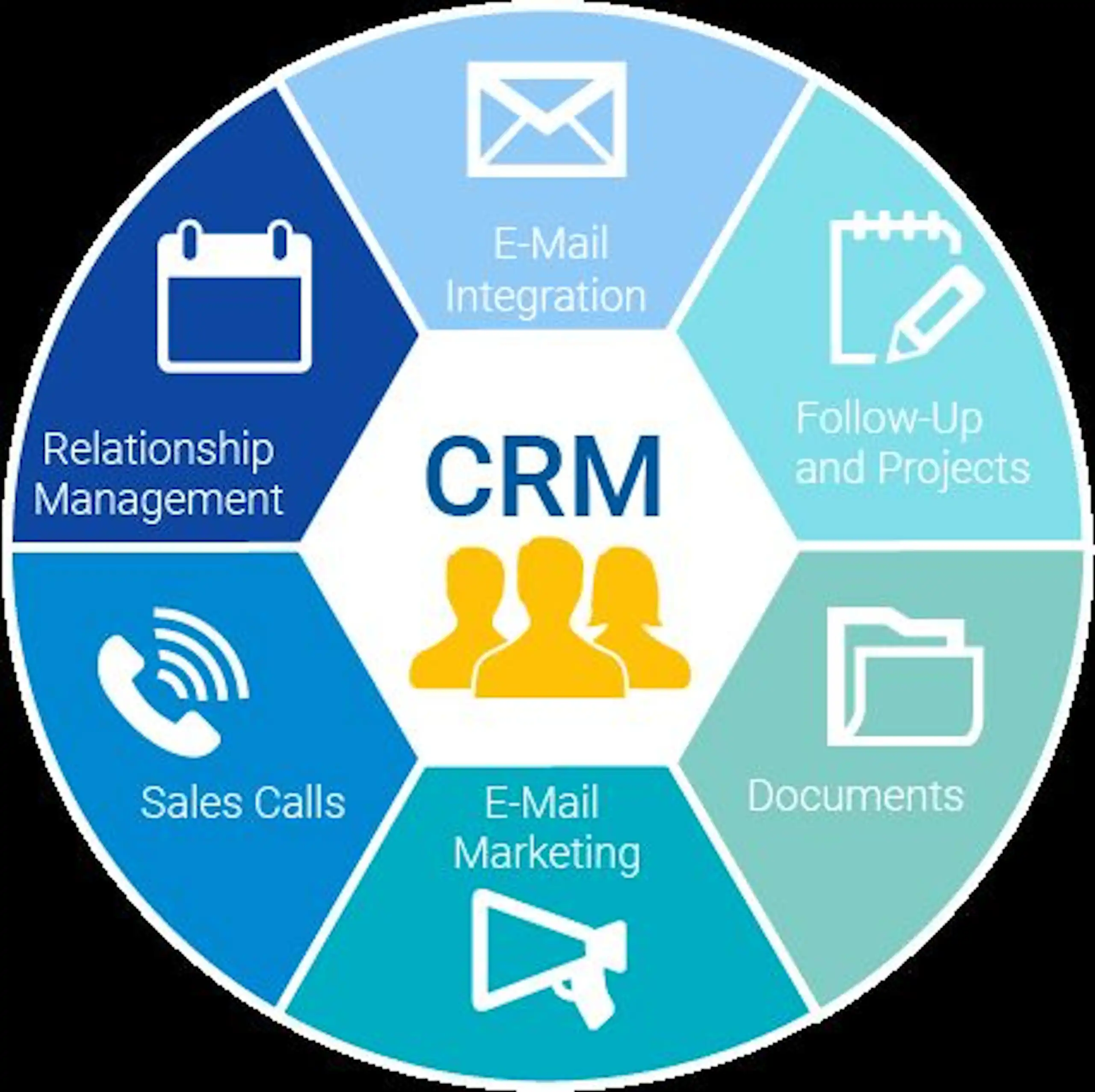
Customer Relationship Management software focuses on the "Revenue Stream" of an organization. Its primary goal is to acquire, retain, and grow the customer base. Key components include:
- Sales Pipeline Management: Tracking leads from initial contact to close.
- Marketing Automation: Sending targeted campaigns based on user behavior.
- Customer Support: Managing tickets, feedback, and loyalty programs.
- Analytics and Reporting: Predicting future sales trends and revenue.
Why Organizations are Combining HRM and CRM
The convergence of these two systems is not merely a technical convenience; it is a strategic necessity. When these systems communicate, the organization gains a 360-degree view of its entire operational health.
1. Unified Data and Analytics
When HRM and CRM data reside in the same ecosystem, leadership can perform "cross-functional analytics." For instance, a manager can analyze whether employees who have completed specific advanced training (HRM data) produce higher sales figures or better customer satisfaction scores (CRM data). This allows for evidence-based training programs that are proven to drive revenue.
2. Streamlined Resource Allocation
A common challenge in scaling businesses is "capacity planning." If the CRM shows a 40% increase in the sales pipeline for the next quarter, the HRM module can immediately flag that current staffing levels are insufficient to handle the projected workload. This allows HR to begin the recruitment process before the bottleneck occurs, rather than reacting after the team is already overwhelmed.
3. Employee Advocacy and Social Selling
In 2026, employees are often the best brand ambassadors. By integrating CRM marketing tools with HRM communication portals, companies can easily provide staff with approved content to share on professional networks. This "Internal CRM" approach treats employees as internal customers, boosting morale and extending the reach of the company’s marketing efforts organically.
Key Features to Look for in Integrated Systems
When evaluating HRM CRM software, it is essential to look for features that facilitate the flow of information between the two disciplines.
| Feature | HRM Application | CRM Application | Integrated Value |
|---|---|---|---|
| Centralized Identity | Single sign-on (SSO) for all staff members. | Access control for sales/support data. | Improved security and easier permission management. |
| Workflow Automation | Automatic payroll updates based on commission. | Automatic lead assignment based on rep availability. | Reduces manual data entry and human error. |
| Predictive AI | Identifying "at-risk" employees likely to quit. | Identifying "at-risk" customers likely to churn. | Holistic risk management for the entire business. |
| Communication Hub | Internal messaging and company announcements. | External email tracking and client meetings. | A single source of truth for all interactions. |
| Reporting Dashboards | Turnover rates and training completion. | Conversion rates and Average Order Value (AOV). | Correlating staff metrics with financial performance. |
Technical Implementation and Prerequisites
Adopting an HRM CRM software strategy requires more than just buying a license. Organizations must ensure their infrastructure is ready for the transition.
Data Mapping and Migration
The most difficult part of integration is ensuring that data formats match. If the CRM stores "Customer Names" differently than how the HRM stores "Employee Names," the system will encounter errors. Before implementation, companies should conduct a thorough data audit to clean and standardize records.
API and Middleware
If you are not using an all-in-one suite like Zoho, SAP, or Odoo, you will likely rely on Application Programming Interfaces (APIs). These are the bridges that allow two different pieces of software to "talk" to each other. In 2026, most top-tier platforms offer "low-code" or "no-code" integration tools, making it easier for non-technical managers to link their HR and sales tools.
Privacy and Compliance
This is a critical area of concern. HRM systems contain highly sensitive personal data (Social Security numbers, medical history), while CRMs contain sensitive client data. Any integrated software must strictly adhere to global standards such as GDPR, CCPA, and relevant local labor laws. Access must be "permission-based," ensuring that a salesperson cannot see a colleague's salary and an HR coordinator cannot accidentally delete a high-value sales lead.
Potential Challenges and How to Overcome Them
While the benefits are significant, merging these two massive functional areas is not without risk.
- Complexity Overload: Sometimes, a system that tries to do everything ends up doing nothing well. To avoid this, start with a "modular" approach. Implement the core CRM first, then link the HRM modules one at a time (e.g., start with payroll, then move to performance management).
- User Adoption: Salespeople often hate extra administrative tasks, and HR professionals may find sales interfaces confusing. Providing department-specific training is vital. Ensure that each group understands how the integrated data makes their specific job easier.
- Cost vs. ROI: Integrated enterprise suites can be expensive. However, the cost of "manual reconciliation"—having staff spend hours copying data from the HR spreadsheet into the CRM—usually far outweighs the software subscription fee.
Practical Recommendations for 2026
For small to medium-sized enterprises (SMEs) in 2026, the most effective route is often choosing a platform that was built as an all-in-one solution. This avoids the "integration tax" of trying to force two competing products to work together. For larger enterprises with legacy systems, investing in a robust middleware layer or a custom API strategy is often the only way to achieve true HRM CRM synergy.
Before committing to a vendor, verify their support for cross-module reporting. If the software cannot generate a single report that shows both "Sales Representative Revenue" and "Sales Representative Training Hours," it is not a true integrated HRM CRM solution; it is just two programs sharing a login screen.
Frequently Asked Questions
Is HRM CRM software the same as ERP?
Not exactly, but they are related. Enterprise Resource Planning (ERP) is a broader term that includes HRM, CRM, supply chain, and finance modules. HRM CRM software is essentially a subset of ERP that focuses specifically on the relationship between the workforce and the customer base.
Can I integrate my existing CRM with a new HRM?
Yes. Most modern platforms (like Salesforce, HubSpot, or Workday) offer robust integration marketplaces. You can use connectors or APIs to sync data between your existing CRM and a new HRM system, provided both platforms support open data standards.
How does this software improve employee retention?
By linking HRM and CRM data, companies can better recognize and reward top performers. When an employee sees that their hard work (recorded in the CRM) is accurately reflected in their performance reviews and bonuses (recorded in the HRM), they are more likely to feel valued and remain with the company.
Is integrated software more secure?
Potentially, yes. Having a single platform means you only have one "attack surface" to defend and one set of security protocols to manage. However, it also means that a single breach could expose both employee and customer data, making high-level encryption and multi-factor authentication (MFA) mandatory.
Does a small business need HRM CRM software?
Even small teams benefit from organization. If you have more than 10 employees and a growing client list, using separate spreadsheets becomes unmanageable. Integrated tools for small businesses are often scaled down in price and complexity, making them a wise early investment.
What is the role of AI in HRM CRM software today?
In 2026, AI is used for "Sentiment Analysis." It can scan customer emails (CRM) to gauge satisfaction and simultaneously scan internal employee feedback (HRM) to detect burnout. This allows leadership to intervene before a frustrated employee leads to a frustrated customer.
Image Gallery