How to Choose the Best Business Checking Account for Your Company in 2026
Choosing the best business checking account involves aligning your company’s monthly transaction volume and cash-handling requirements with a bank’s fee structure and digital integration capabilities. In 2026, the ideal account should...
Choosing the best business checking account involves aligning your company’s monthly transaction volume and cash-handling requirements with a bank’s fee structure and digital integration capabilities. In 2026, the ideal account should minimize overhead costs while providing robust API connectivity for accounting software and automated fraud prevention tools to protect your capital.
Contents
The Strategic Importance of a Dedicated Business Checking Account
A business checking account is the financial hub of your enterprise. Beyond simply holding money, it serves as the primary record for tax preparation, the gateway for payroll, and the legal barrier that protects your personal assets. For many business owners, especially those operating as LLCs or Corporations, maintaining a separate account is not just a best practice—it is a legal necessity.
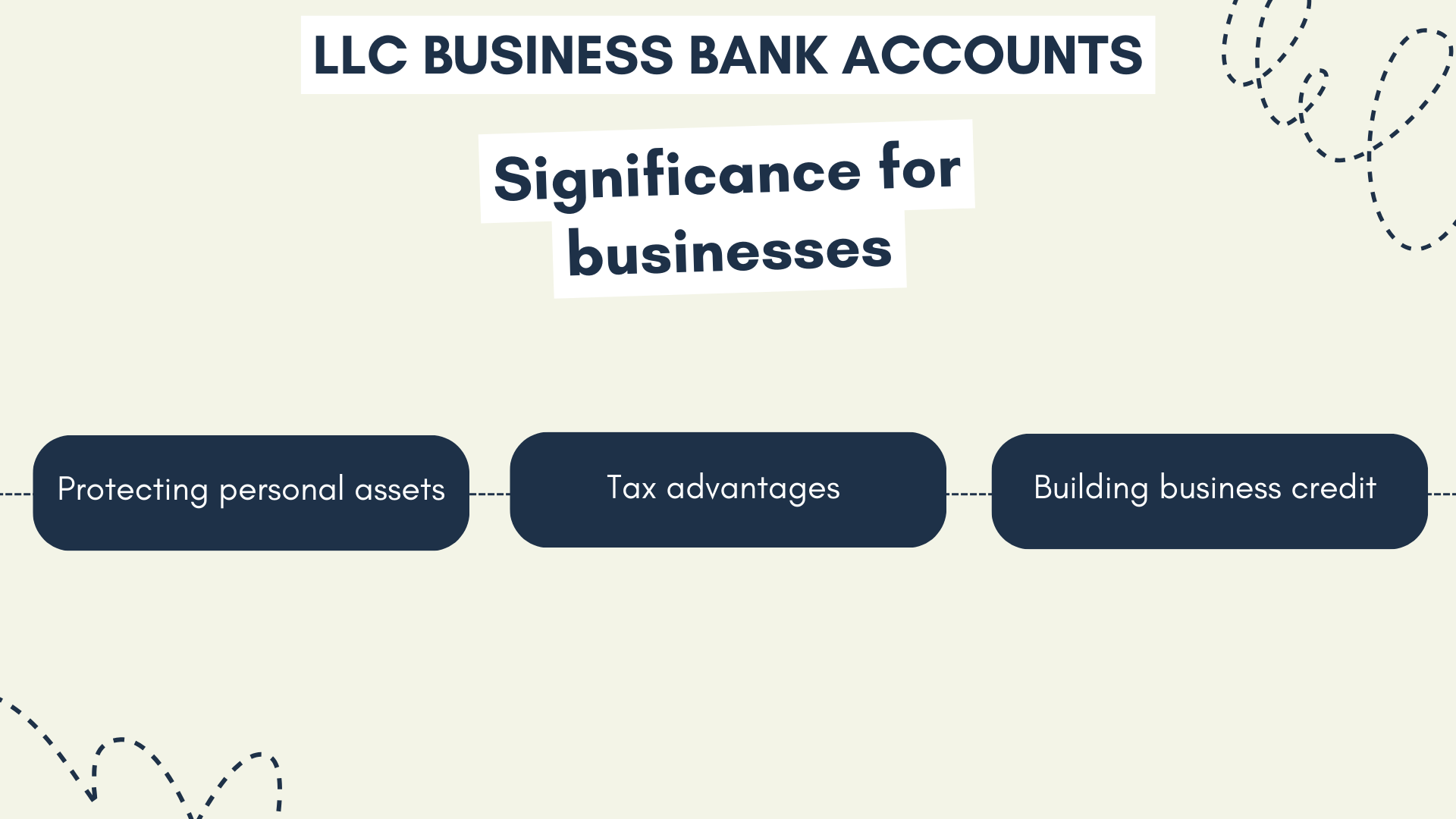
When you mix personal and business finances, you risk "piercing the corporate veil." This legal term refers to a situation where a court determines that a business does not actually exist as a separate entity from its owner, thereby exposing the owner’s personal assets to business liabilities and lawsuits. By establishing a dedicated business checking account, you reinforce the legal separation between yourself and the company.
Furthermore, a dedicated account streamlines your relationship with the Internal Revenue Service (IRS). As of 2026, real-time reporting and digital auditing have become more common; having a clean, dedicated ledger of business-only transactions makes it significantly easier to claim deductions and prove the legitimacy of business expenses during an audit. It also projects professionalism to your vendors and clients, who will see your company’s name on checks and wire transfers rather than your personal name.
Assessing Your Business’s Financial Profile
Before comparing specific banks, you must audit your own financial habits and projections. No single account is "best" for every company; a freelance consultant has vastly different needs than a high-volume retail storefront.
Monthly Transaction Volume
Most banks categorize accounts based on the number of transactions allowed per month. A transaction typically includes deposits, withdrawals, ACH transfers, and checks paid. In 2026, many online-only banks offer unlimited transactions, but traditional brick-and-mortar institutions often cap "free" transactions at 100 to 500 per month. Exceeding these limits can result in fees ranging from $0.20 to $0.50 per item, which can quickly erode your margins if you are a high-volume business.
Cash Deposit Requirements
Despite the rise of digital payments, many businesses still handle physical currency. If you operate a restaurant or a retail shop, you need a bank with a local branch or a partnership with a secure deposit network. Most digital-only neobanks struggle with cash deposits, either charging high fees via third-party retailers (like Green Dot) or not accepting them at all. Conversely, traditional banks often allow a set amount of cash deposits (e.g., $5,000 to $20,000) per month for free before charging a "cash handling fee."
Wire Transfers and International Trade
If your company works with international suppliers or remote contractors, wire transfer fees are a critical consideration. Domestic wires often cost between $15 and $30, while international wires can exceed $50 per transaction plus currency exchange markups. In 2026, look for accounts that offer integrated foreign exchange (FX) services or discounted wire rates if your business model relies on global trade.
Comparing Bank Types: Traditional vs. Digital-Only
The banking landscape in 2026 is divided into three main categories, each serving a different niche.
Traditional National Banks
Institutions like JPMorgan Chase, Bank of America, and Wells Fargo offer the most comprehensive physical infrastructure. They are ideal for businesses that require in-person services, such as notary services, safe deposit boxes, or large-scale cash management. The primary downside is the fee structure; these banks often charge monthly maintenance fees unless you maintain a high minimum balance (often $2,000 to $10,000).
Online-Only Neobanks
Fintech platforms such as Bluevine, Mercury, and Relay have matured significantly by 2026. These platforms usually offer no-fee checking, high-yield interest on balances, and superior digital interfaces. They are the preferred choice for tech startups, e-commerce brands, and professional service providers who do not need physical branches. However, because they are digital-first, getting a human on the phone during a crisis can sometimes be more challenging than walking into a local branch.
Regional Banks and Credit Unions
Local institutions often provide the most personalized service. If you anticipate needing a small business loan or a line of credit in the future, building a relationship with a local loan officer can be invaluable. Credit unions, in particular, are member-owned and often return profits to members in the form of lower fees and better interest rates.
Key Features and Technical Integrations
In 2026, a business checking account must be more than a passive repository for money; it should be a functional tool that saves you time.
- Accounting Software Integration: Ensure the bank offers direct, two-way sync with platforms like QuickBooks Online, Xero, or FreshBooks. This eliminates manual data entry and reduces the risk of reconciliation errors.
- User Permissions and Multi-User Access: As your company grows, you may need to grant your bookkeeper or partner access to the account. Look for "view-only" access or the ability to issue secondary debit cards with specific spending limits.
- High-Yield Interest (APY): With inflation and interest rate fluctuations being a constant concern, many business checking accounts now offer interest on balances. While typically lower than savings accounts, an APY of 1.0% to 4.0% on your operating capital can help offset banking costs.
- Mobile Check Deposit Limits: For businesses that receive physical checks, the daily and monthly mobile deposit limits are vital. Some banks restrict you to $5,000 a month, which can be a major bottleneck for B2B companies receiving large project payments.
Comparison of Business Checking Account Categories (2026)
| Feature | Traditional National Bank | Digital Neobank | Local Credit Union |
|---|---|---|---|
| Monthly Fees | $15–$35 (waivable) | Usually $0 | $0–$15 (waivable) |
| Cash Deposits | Extensive branch access | Limited/Third-party only | Local branch access |
| Interest (APY) | Minimal (0.01%–0.05%) | Competitive (1.0%–4.5%) | Moderate (0.10%–1.0%) |
| Integrations | Moderate/Standard | Advanced/Native APIs | Basic/Standard |
| Best For | High cash volume, retail | Tech startups, remote work | Local small businesses |
Required Documentation for Opening an Account
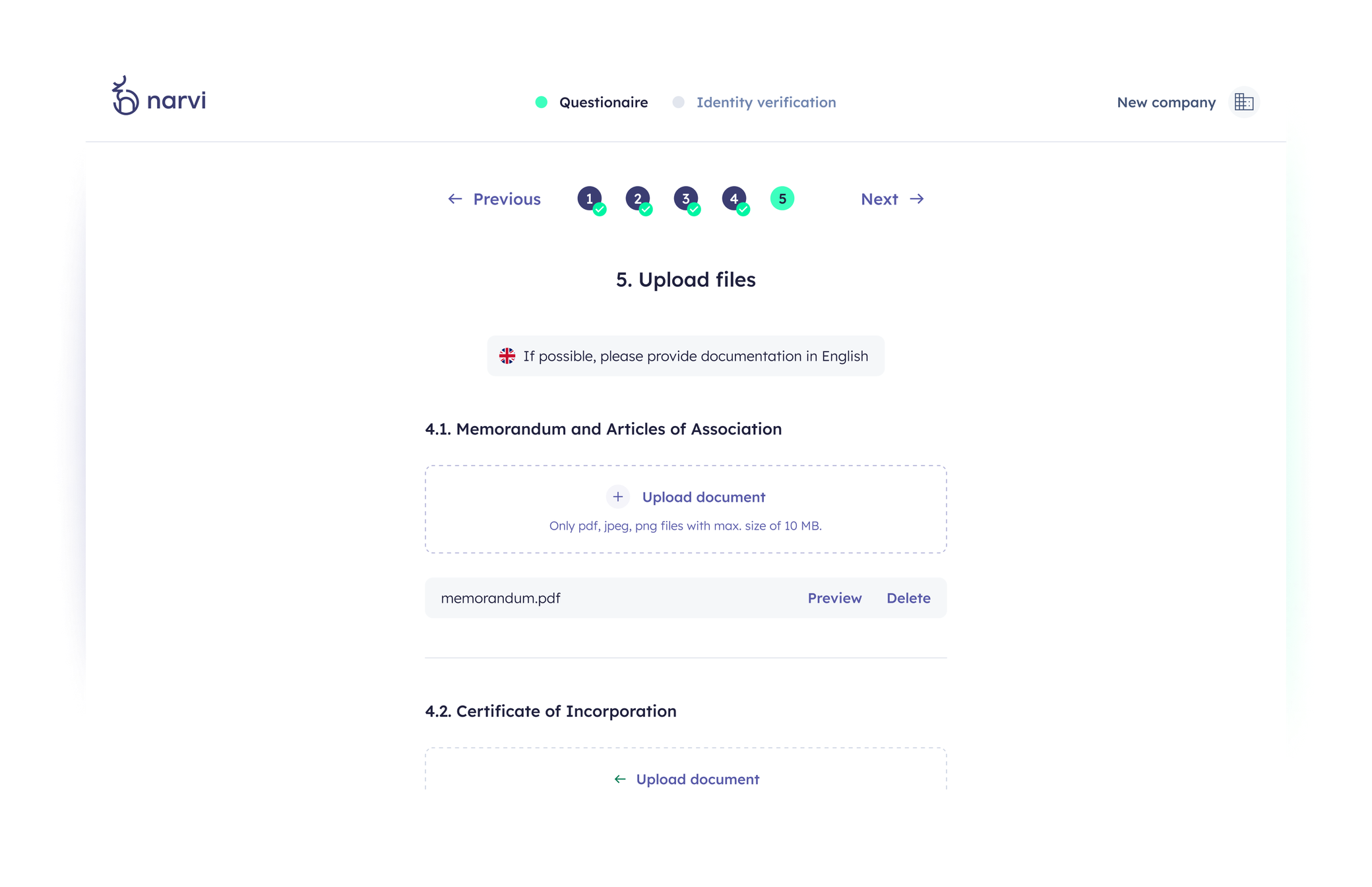
Opening a business account is more rigorous than opening a personal one due to "Know Your Customer" (KYC) and anti-money laundering (AML) regulations. You will typically need the following:
- Employer Identification Number (EIN): Issued by the Internal Revenue Service (IRS), this acts as your business’s social security number. Sole proprietors may sometimes use their SSN, but an EIN is preferred for privacy.
- Business Formation Documents: This includes your Articles of Organization (for LLCs) or Articles of Incorporation (for Corporations).
- Operating Agreement or Bylaws: These documents outline who has the authority to manage the business and open bank accounts.
- Business License: Depending on your jurisdiction and industry, the bank may require a copy of your local or state business license.
- Personal Identification: All owners with a 25% or greater stake in the company usually must provide a government-issued ID and social security number for identity verification.
Common Pitfalls to Avoid
Many entrepreneurs choose a bank based on brand recognition alone, only to regret it later when hidden costs emerge.
One frequent mistake is ignoring ACH and Wire limits. Some banks place low daily caps on outgoing transfers to prevent fraud, which can prevent you from paying a large vendor or making payroll on time. Always ask about the "outbound transfer limits" before committing.
Another pitfall is the commingling of funds. Even after opening a business account, some owners continue to pay for personal items using the business debit card "just this once." This creates a "reconciling nightmare" for your accountant and weakens your legal protections. To maintain the integrity of your company, every cent leaving that account must be a justifiable business expense.
Finally, do not overlook customer support quality. In the era of AI-driven support, some banks have moved entirely to chatbots. For a business, where a frozen account can stop operations, having access to a dedicated business specialist or a reliable 24/7 phone line is often worth a small monthly fee.
FAQs
Can I use a personal checking account for my business?
While legally possible for sole proprietors, it is highly discouraged. Using a personal account makes it difficult to track business profitability, complicates tax filings, and prevents you from building a business credit history. For incorporated entities (LLCs, Corps), a separate business account is generally required to maintain limited liability protection.
How much money do I need to open a business checking account?
Opening deposits vary by institution. Many online banks allow you to open an account with $0, while traditional banks often require an initial deposit of $25 to $500. Note that maintaining a "minimum daily balance" is often required to waive monthly maintenance fees at larger banks.
What is the difference between a business checking and a business savings account?
A business checking account is designed for high-frequency transactions like paying bills, receiving payments, and daily spending. A business savings account is for setting aside taxes, emergency funds, or capital for future expansion, usually offering higher interest rates but limiting the number of monthly withdrawals.
Is my business bank account insured?
Most reputable business accounts are insured by the Federal Deposit Insurance Corporation (FDIC) up to $250,000 per depositor, per ownership category. Credit unions offer similar protection through the National Credit Union Administration (NCUA). In 2026, some fintechs offer "extended" insurance by sweeping funds across a network of partner banks, potentially covering millions of dollars.
How long does it take to open a business checking account?
Online-only banks can often approve an application within 24 to 48 hours if all documentation is electronic and verified. Traditional banks may take 3 to 7 business days, especially if an in-person meeting or additional verification of your industry is required.
Final Recommendation
To choose the best account for your company in 2026, begin by projecting your monthly transaction and cash volume. If you are a digital-first company, prioritize an online-only neobank that offers high-yield interest and native accounting integrations to maximize your capital. If your business requires frequent cash deposits or you value a face-to-face relationship for future lending, a local credit union or regional bank remains the superior choice. Regardless of the path you choose, ensure the institution is FDIC-insured and provides the API connectivity necessary to automate your financial workflows.
Image Gallery