The Silicon Valley Bank Story: A Comprehensive Analysis of the Collapse and the US Financial Response
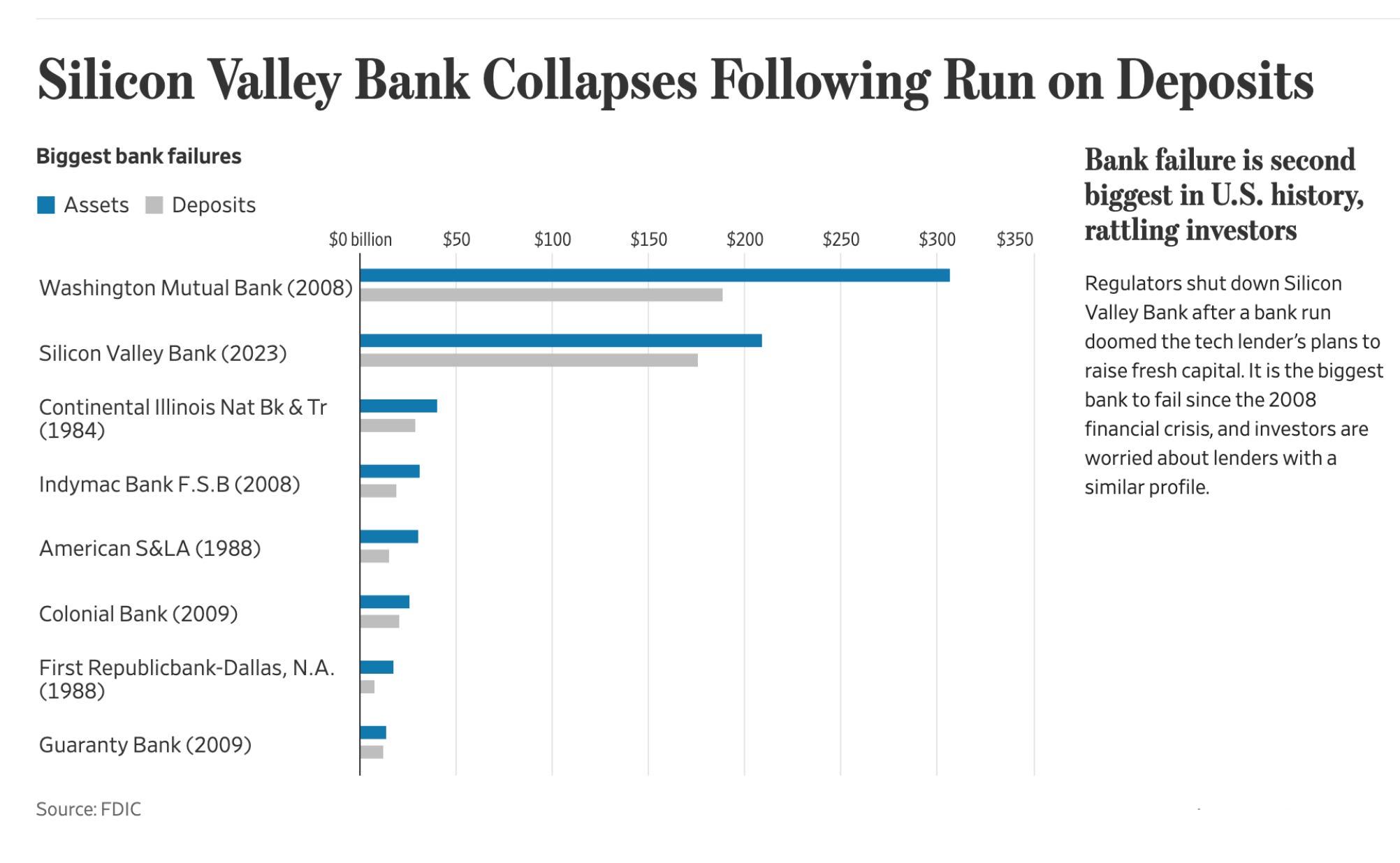
The Silicon Valley Bank (SVB) story is a landmark event in US financial history, marking the second-largest bank failure at the time of its collapse in March 2023. It resulted from a fatal combination of rapid interest rate hikes, a co...
The Silicon Valley Bank (SVB) story is a landmark event in US financial history, marking the second-largest bank failure at the time of its collapse in March 2023. It resulted from a fatal combination of rapid interest rate hikes, a concentrated deposit base, and significant unrealized losses on long-term securities. Today, in 2026, the legacy of SVB continues to shape banking regulations and the venture capital ecosystem.
Contents
The Rise and Unique Positioning of Silicon Valley Bank
Founded in 1983, Silicon Valley Bank was the premier lender to the technology and life sciences sectors. For four decades, it functioned as the primary financial hub for the US startup ecosystem. Unlike traditional retail banks that serve a diverse array of consumers and small businesses, SVB’s client base was highly concentrated in venture-backed companies.
By early 2023, SVB was the 16th largest bank in the United States, managing over $200 billion in assets. Its business model relied on the massive influx of cash from venture capital (VC) firms into their portfolio companies. These startups would deposit their funding rounds into SVB, providing the bank with cheap capital. However, this model created a unique vulnerability: the bank's health was tied almost exclusively to the volatility of the tech sector and the interest rate environment.
The Mechanics of a Modern Bank Run: March 2023
The collapse of SVB was not a slow decline but a lightning-fast implosion that occurred over roughly 48 hours. The failure was driven by two primary factors: a duration mismatch in the bank's investment portfolio and a digital-age bank run.
The Interest Rate Mismatch and Unrealized Losses
During the period of near-zero interest rates in 2020 and 2021, SVB saw its deposits triple. To generate yield on this massive influx of cash, the bank invested heavily in long-term Treasury bonds and mortgage-backed securities (MBS). These were safe assets in terms of credit risk, but they carried significant interest rate risk.
When the Federal Reserve began aggressively raising interest rates in 2022 to combat inflation, the market value of these existing low-interest bonds plummeted. SVB categorized many of these as Held-to-Maturity (HTM), meaning they didn't have to report the losses as long as they didn't sell them. However, as the tech sector cooled and startups began withdrawing cash to fund operations, SVB was forced to sell a portion of its Available-for-Sale (AFS) portfolio at a $1.8 billion loss.
The Social Media Acceleration Effect
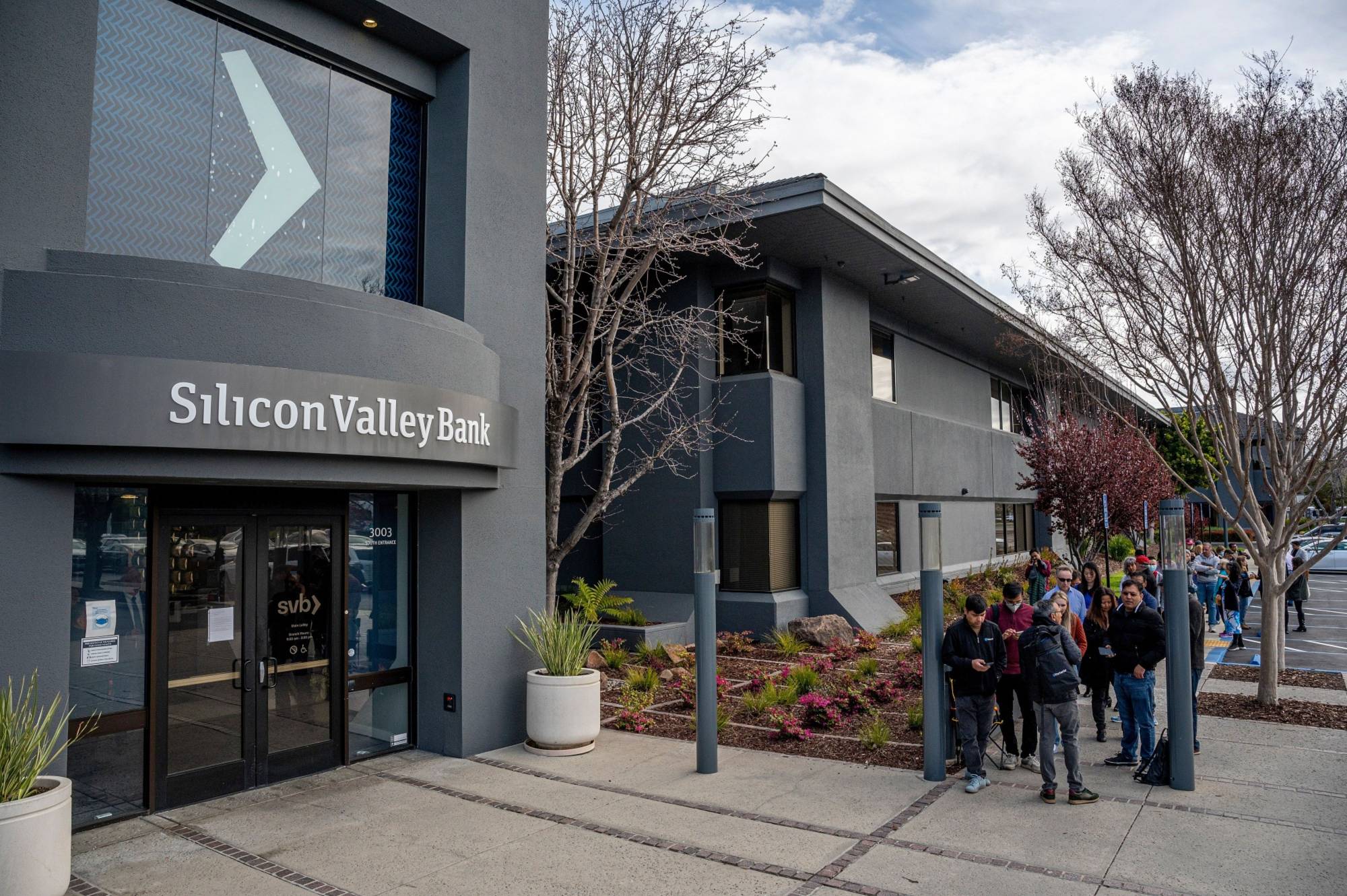
On March 8, 2023, SVB announced it needed to raise $2.25 billion in capital to shore up its balance sheet. This announcement backfired, triggering panic among venture capitalists. Unlike historical bank runs where customers stood in physical lines, the SVB run happened via Slack, WhatsApp, and Twitter.
Prominent VC firms advised their portfolio companies to pull their money out immediately. On March 9 alone, depositors attempted to withdraw $42 billion—roughly a quarter of the bank's total deposits—in a single day. This liquidity crisis left the bank unable to meet its obligations, leading the California Department of Financial Protection and Innovation to close the bank on the morning of March 10, 2023.
The Government’s Intervention and the Systemic Risk Exception
The collapse of SVB posed a significant threat to the broader US financial system. There were immediate concerns that other regional banks with similar unrealized losses would face contagious bank runs. Furthermore, because more than 90% of SVB’s deposits were above the $250,000 Federal Deposit Insurance Corporation (FDIC) limit, thousands of startups faced the prospect of being unable to meet payroll.
On March 12, 2023, the Treasury Department, the Federal Reserve, and the FDIC issued a joint statement invoking a Systemic Risk Exception. This unprecedented move guaranteed that all depositors—even those with uninsured funds—would be made whole. To support this, the Federal Reserve created the Bank Term Funding Program (BTFP), which allowed banks to borrow against their high-quality securities at par value, preventing the need to sell devalued bonds during a crisis.
The Acquisition and Transition to First Citizens Bank
Following the collapse, the FDIC took control of the bank’s assets under the newly created Silicon Valley Bridge Bank, N.A. On March 27, 2023, the FDIC reached an agreement with First Citizens Bank & Trust Company to acquire SVB’s deposits and loans.
First Citizens, a family-controlled bank based in Raleigh, North Carolina, took over approximately $72 billion in assets at a discount of $16.5 billion. The remaining $90 billion in securities remained in FDIC receivership. This acquisition allowed the SVB brand to continue operating as a division of First Citizens, focusing on the innovation economy while backed by a more diversified and traditional banking parent.
Key Milestones of the Silicon Valley Bank Crisis
The following table outlines the critical timeline and financial metrics associated with the SVB collapse and its subsequent resolution.
| Date | Event | Financial Impact/Outcome |
|---|---|---|
| March 8, 2023 | SVB announces $1.8B loss on bond sales and capital raise. | Stock price drops 60% in after-hours trading. |
| March 9, 2023 | Massive bank run initiated by VCs and tech founders. | $42 billion in withdrawal requests in 24 hours. |
| March 10, 2023 | Regulators shut down SVB. | FDIC appointed as receiver; first major failure since 2008. |
| March 12, 2023 | Systemic Risk Exception invoked by US government. | All depositors guaranteed; BTFP established by Fed. |
| March 27, 2023 | First Citizens Bank acquires SVB assets. | SVB becomes a division of First Citizens Bank. |
| March 2024 | BTFP lending program officially expires. | Transition to standard discount window operations. |
| 2025-2026 | Implementation of "Basel III Endgame" revisions. | Higher capital requirements for mid-sized regional banks. |
Lessons for 2026: The New Landscape of Startup Finance
In the years following the crisis, the US banking landscape has undergone significant shifts. The SVB story fundamentally changed how tech companies manage their treasury and how regulators view mid-sized financial institutions.
- Deposit Diversification: In 2026, it is standard practice for startups to maintain "multi-bank" strategies. Instead of holding all cash in a single institution, companies use fintech sweep accounts that distribute funds across dozens of FDIC-insured banks to maximize insurance coverage.
- Regulatory Tightening: The "SVB loophole"—which exempted banks with assets between $100 billion and $250 billion from the strictest stress tests—has been largely closed. Mid-sized banks now face more rigorous requirements regarding liquidity coverage ratios (LCR).
- The Role of Venture Debt: While SVB was once the nearly exclusive provider of venture debt, the market has fragmented. Large institutional players like JPMorgan Chase and specialized fintech lenders have expanded their footprint, though the "Silicon Valley Bank" brand under First Citizens remains a significant player in the sector.
- Monetary Policy Awareness: The crisis served as a brutal reminder that "risk-free" assets like Treasuries are only risk-free if held to maturity. Financial officers now pay closer attention to the duration and liquidity of their banks' underlying assets.
Frequently Asked Questions
Did taxpayers pay for the Silicon Valley Bank bailout?
No, the funds used to cover uninsured depositors came from the Deposit Insurance Fund (DIF), which is funded by quarterly assessments paid by US banks. While the government facilitated the process, the Federal Reserve has stated that no taxpayer money was used to cover the losses of SVB. However, the costs are indirectly passed to consumers through the banking system's insurance premiums.
Why did the $250,000 FDIC limit not apply?
Under the Systemic Risk Exception, the FDIC was authorized to protect all deposits to prevent a wider collapse of the US banking system. Regulators feared that if SVB depositors lost money, it would trigger runs on other regional banks, potentially leading to a national financial crisis.
Can a similar bank run happen again today?
While regulations have tightened since 2023, the speed of digital banking remains a challenge. In 2026, banks have higher liquidity requirements, and the Federal Reserve has improved its Discount Window operations to provide faster liquidity. However, "social media runs" remain a risk that the industry continues to monitor through real-time sentiment analysis and enhanced capital buffers.
Is Silicon Valley Bank still in business in 2026?
Yes, but not as an independent entity. Silicon Valley Bank operates as a division of First Citizens Bank. It continues to offer specialized services for startups and venture capital firms, but its balance sheet is integrated into the larger, more diversified First Citizens financial structure.
How did the collapse affect venture capital?
The collapse temporarily froze venture debt markets and caused a significant slowdown in startup funding in late 2023. By 2026, the market has stabilized, but venture capitalists are much more involved in their portfolio companies' banking choices, often requiring them to use "Too Big to Fail" institutions for their primary operating accounts.
Strategic Recommendation for Businesses
For startups and corporate entities operating in 2026, the primary takeaway from the SVB story is the necessity of liquidity management. Do not rely on a single financial institution for all operational needs. Utilize automated treasury management tools that spread deposits across multiple banks and prioritize institutions with transparent reporting on their unrealized gains and losses. If your cash holdings exceed $250,000, ensure you are utilizing "sweep" programs or diversified brokerage accounts to maintain maximum protection.
This article provides historical and financial analysis and does not constitute professional financial, legal, or investment advice. For specific guidance on corporate banking, consult with a certified financial advisor or legal counsel.
Image Gallery