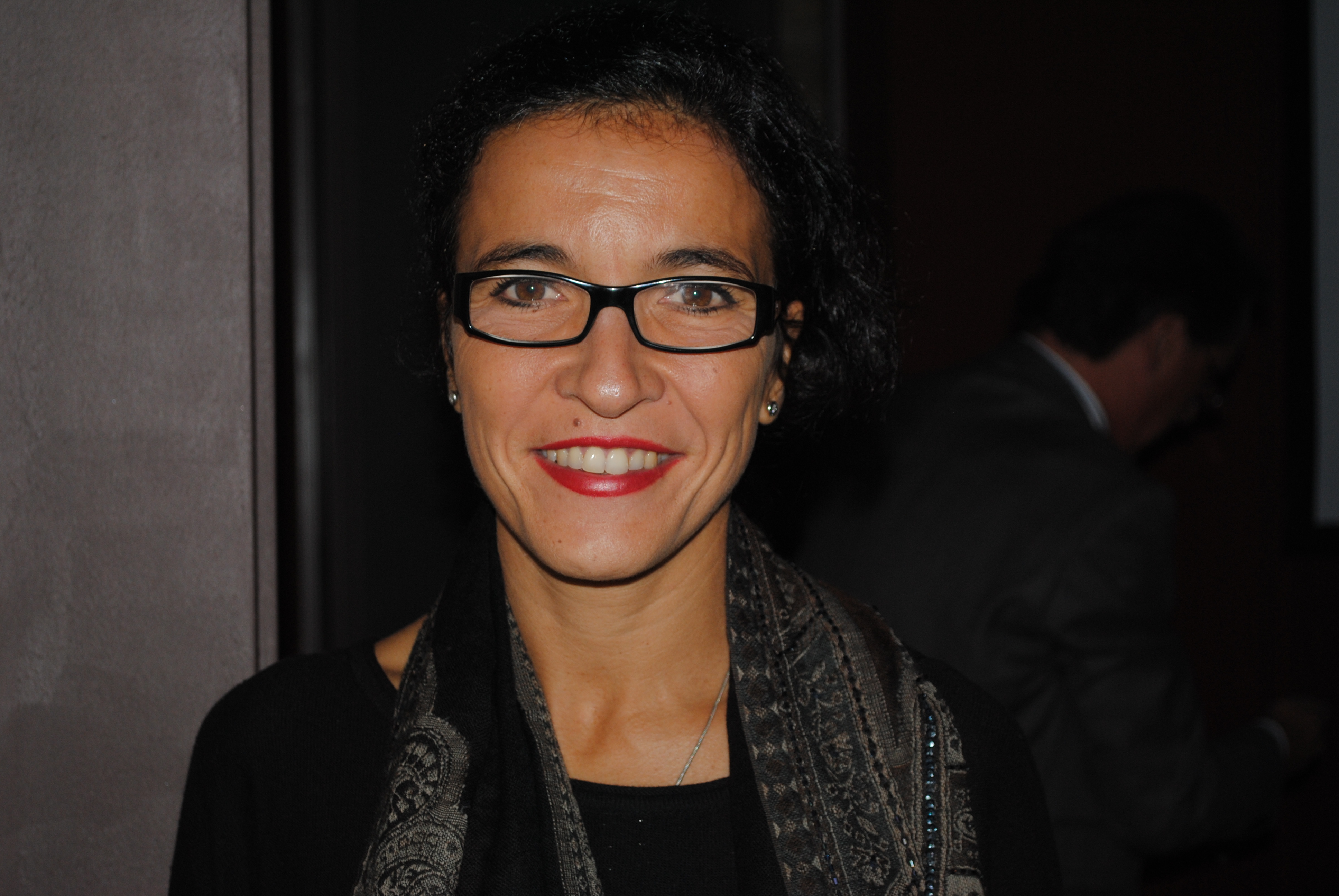
Maria Galindo-Nunney: A Profile in International Legal Integrity and Financial Governance
Maria Galindo-Nunney is a distinguished legal professional and Senior Counsel within the World Bank Group, specifically serving the International Finance Corporation (IFC). Her expertise focuses on international financial law, the impl...
Maria Galindo-Nunney is a distinguished legal professional and Senior Counsel within the World Bank Group, specifically serving the International Finance Corporation (IFC). Her expertise focuses on international financial law, the implementation of sanctions systems, and the enforcement of integrity standards to prevent fraud and corruption in global development projects.
Contents
While her name is occasionally confused with other public figures in activist circles, Maria Galindo-Nunney occupies a highly specialized niche in the institutional legal framework of Washington D.C.-based international organizations. Her work is foundational to ensuring that billions of dollars in development capital are utilized according to strict ethical and legal guidelines, protecting both the institution and the beneficiary nations from the risks of financial malfeasance.
The Professional Identity of Maria Galindo-Nunney
In the landscape of international law, Maria Galindo-Nunney is recognized for her long-standing tenure at the World Bank Group (WBG). As of 2026, she continues to be a pivotal figure in the legal and integrity oversight functions that govern how the IFC—the private sector arm of the World Bank—manages its complex portfolio of investments across emerging markets.
Her career is characterized by a transition from traditional legal practice to the highly regulated sphere of multilateral development banks (MDBs). At the IFC, her role as Senior Counsel involves navigating the intersection of private sector investment and public sector accountability. This requires a deep understanding of varied legal jurisdictions, as the projects she oversees often span multiple continents, each with unique regulatory challenges and corruption risks.
Educational Foundation and Early Career
Maria Galindo-Nunney’s professional trajectory began with a rigorous legal education, typically involving degrees in international law or related disciplines. Most professionals in her tier of the World Bank Group possess advanced degrees (LL.M. or Juris Doctor) and are admitted to practice in major jurisdictions such as New York, London, or Madrid. This educational background provides the analytical tools necessary to adjudicate complex cases where international standards must be applied to local contexts.
Before her rise to Senior Counsel, her early career likely involved private sector legal work or junior roles within the administrative or legal departments of international NGOs or financial institutions. This experience is critical for understanding the "on-the-ground" realities of project financing, which later informs her work in sanctions and integrity.
The Role of Senior Counsel at the International Finance Corporation (IFC)
To understand the impact of Maria Galindo-Nunney, one must understand the functions of the IFC. The IFC provides loans, equity, and advisory services to stimulate private sector investment in developing countries. Because these projects involve significant capital and high-risk environments, the legal department must act as a safeguard.
As Senior Counsel, Galindo-Nunney is involved in several key areas:
- Risk Mitigation: Identifying potential legal loopholes in investment agreements that could be exploited for fraudulent purposes.
- Regulatory Compliance: Ensuring that all IFC-backed projects adhere to the institution’s Performance Standards and environmental and social safeguards.
- Sanctions and Debarment: Participating in or advising on the process by which companies found guilty of "Sanctionable Practices" (corruption, fraud, coercion, collusion, or obstruction) are barred from receiving future funding.
Navigating the World Bank Group Sanctions System
One of the most significant aspects of Galindo-Nunney’s work is her contribution to the World Bank Group Sanctions System. This system is a quasi-judicial process designed to protect the funds of the institution. When a company or individual is suspected of misconduct in a WBG-financed project, the Integrity Vice Presidency (INT) investigates. If evidence is found, the case moves through a series of legal reviews.
Galindo-Nunney’s role often interfaces with this process, ensuring that the legal rights of the institution are upheld while maintaining the procedural fairness required for the accused parties. This balance is essential for the credibility of the World Bank’s anti-corruption efforts.
Expertise in Anti-Corruption and Integrity Standards
A major focus of Maria Galindo-Nunney’s career has been the development and enforcement of Integrity Standards. In international finance, "integrity" is not a vague concept; it refers to a specific set of rules that prevent the siphoning of development funds.
The Five Sanctionable Practices
Galindo-Nunney operates within a framework that recognizes five distinct categories of misconduct:
- Corruption: The offering or receiving of bribes to influence the actions of another party.
- Fraud: Any act or omission that misleads a party to gain a financial or other benefit.
- Coercion: Impairing or harming a party to influence their participation in a project.
- Collusion: An arrangement between two or more parties designed to achieve an improper purpose, such as price-fixing in a procurement process.
- Obstruction: Deliberately destroying evidence or making false statements to impede an investigation.
Her work involves the technical application of these definitions to complex financial transactions. For instance, determining if a "success fee" paid to a consultant in a developing nation constitutes a legitimate business expense or a disguised bribe requires the high-level legal scrutiny that Galindo-Nunney provides.
Comparative Analysis of Legal Oversight Roles
The following table outlines the differences between the various legal and oversight functions within the World Bank Group where a professional like Maria Galindo-Nunney operates.
| Role Department | Primary Focus | Key Responsibility |
|---|---|---|
| Legal Vice Presidency (LEG) | Institutional Law | Provides legal services to the Board of Governors and Management; drafts loan agreements. |
| Integrity Vice Presidency (INT) | Investigation | Detects and investigates allegations of fraud and corruption in WBG-funded projects. |
| IFC Legal Department | Private Sector Investment | Focuses on the legalities of equity investments and loans to private companies in emerging markets. |
| Sanctions Board | Adjudication | Serves as the final decision-maker in contested sanctions cases. |
| Senior Counsel (Galindo-Nunney) | Legal Strategy & Compliance | Bridges the gap between investment goals and institutional integrity/sanctions compliance. |
The Impact of Global Debarment and Mutual Recognition
A significant development in Maria Galindo-Nunney’s field is the Cross-Debarment Agreement. In 2010, the World Bank, the African Development Bank, the Asian Development Bank, the European Bank for Reconstruction and Development, and the Inter-American Development Bank signed an agreement to mutually recognize each other’s debarment decisions.
This means that if a firm is debarred by the IFC due to an investigation overseen by counsel like Galindo-Nunney, that firm is also prohibited from working with any of the other major multilateral banks. This creates a powerful deterrent against corruption. Galindo-Nunney’s work, therefore, has consequences that resonate far beyond the IFC, affecting the entire ecosystem of global development finance.
Advocacy for Transparency in International Finance
Beyond her immediate case work, Maria Galindo-Nunney has been an advocate for greater transparency within the legal profession. This includes participating in international forums and legal working groups aimed at harmonizing anti-corruption laws across different jurisdictions.
She has often been cited in the context of the G20 Anti-Corruption Working Group and various international legal associations. Her contributions emphasize that "integrity" must be built into the very design of a financial product, rather than being an afterthought or a reactive measure. This "Integrity by Design" approach is a hallmark of modern development finance legal strategy.
Frequently Asked Questions
Is Maria Galindo-Nunney the same as Maria Galindo the activist?
No. Maria Galindo is a well-known Bolivian feminist activist, psychologist, and member of the collective Mujeres Creando. Maria Galindo-Nunney is a legal professional and Senior Counsel at the World Bank Group (IFC) who specializes in international law and financial integrity. The two individuals share a name but operate in entirely different professional and geographical spheres.
What are the main responsibilities of a Senior Counsel at the IFC?
The Senior Counsel at the IFC is responsible for managing the legal aspects of investment transactions, ensuring compliance with institutional policies, and providing guidance on risk management. This includes drafting and negotiating legal documents, advising on corporate governance, and overseeing the legal health of the institution's portfolio in specific regions.
How does the World Bank Group's Sanctions System work?
The system involves an investigation by the Integrity Vice Presidency (INT), followed by a review by an Evaluation and Suspension Officer (EO). If the EO finds sufficient evidence, they issue a "Notice of Sanctions Proceedings." The accused party can then contest the findings before the World Bank Group Sanctions Board, an independent administrative tribunal. Counsel like Maria Galindo-Nunney ensure that these processes are legally sound.
What is "Debarment" in the context of Galindo-Nunney's work?
Debarment is a formal declaration that an individual or company is ineligible to be awarded a World Bank-financed contract for a specified period. This is the primary penalty for engaging in fraudulent or corrupt practices. It is a critical tool for protecting development resources.
Where can I find official reports on IFC sanctions and integrity?
Official reports, including the annual "World Bank Group Sanctions System Annual Report," are available on the World Bank's official website. These documents detail the outcomes of cases and the institutional efforts to combat corruption in which professionals like Galindo-Nunney play a key role.
Practical Recommendations for Legal Professionals
For those looking to follow a career path similar to Maria Galindo-Nunney, or for firms navigating the IFC’s legal requirements, the following actions are recommended:
- Prioritize Compliance Programs: Companies seeking IFC funding should implement robust anti-corruption compliance programs that meet the World Bank Group Integrity Compliance Guidelines.
- Engage in Proactive Due Diligence: Legal teams should conduct thorough background checks on all partners and subcontractors in development projects to identify potential "Sanctionable Practices" before they occur.
- Study International Sanctions Law: For legal practitioners, understanding the intersection of the Foreign Corrupt Practices Act (FCPA) and the World Bank’s administrative sanctions is essential for operating in the modern global economy.
- Monitor the Sanctions List: Regularly consult the World Bank Listing of Ineligible Firms and Individuals to ensure that no business dealings are conducted with debarred entities.
Image Gallery