Aureus Solar Panel Installation Review: 2026 Performance and Service Overview
Aureus Solar is a prominent regional solar integrator specializing in high-efficiency photovoltaic systems for residential, agricultural, and commercial applications. This 2026 review finds that the company excels in providing customiz...
Aureus Solar is a prominent regional solar integrator specializing in high-efficiency photovoltaic systems for residential, agricultural, and commercial applications. This 2026 review finds that the company excels in providing customized engineering, navigating complex utility interconnection protocols, and utilizing Tier 1 hardware components that yield high energy-harvesting ratios in diverse climatic conditions.
Contents
Understanding Aureus Solar: Market Position and Scope
Aureus Solar has established a significant footprint as a specialized installer, particularly known for its service in the American Midwest and surrounding regions. Unlike national "one-size-fits-all" solar corporations, Aureus focuses on site-specific engineering that accounts for regional variables such as high snow loads, localized shading, and specific state-level utility regulations.
As of 2026, the company has transitioned almost exclusively to high-efficiency N-type monocrystalline silicon modules and integrated smart-grid technology. Their approach is characterized by a "consultative-first" model, where the initial phase involves a granular analysis of a property’s historical energy consumption patterns rather than a simple square-footage estimate. This ensures that systems are neither undersized (leading to continued utility reliance) nor oversized (leading to unnecessary capital expenditure).
Primary Service Segments
- Residential Rooftop: Standardized and custom arrays designed for maximum aesthetic integration and high power density.
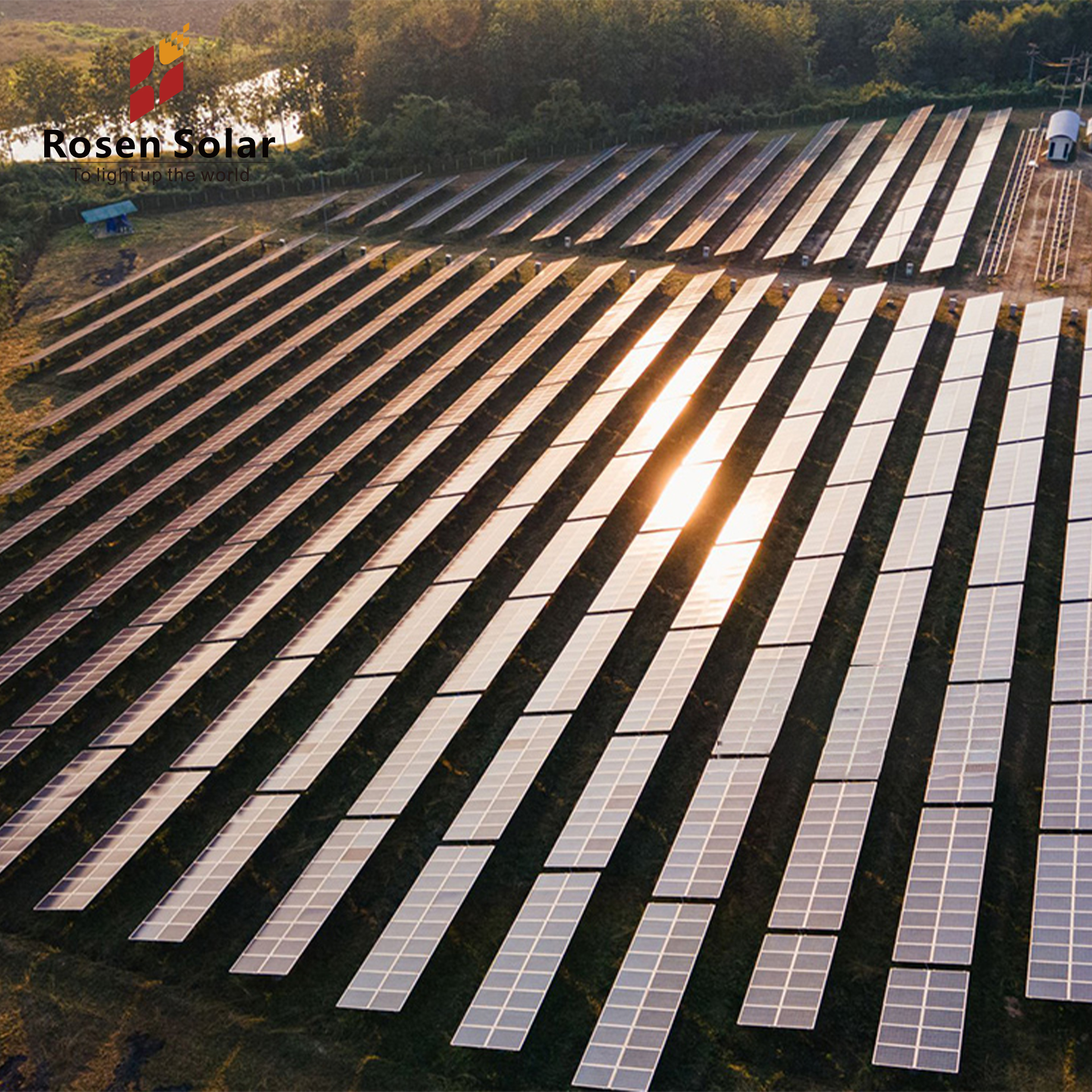
- Agricultural Solutions: Large-scale ground mounts and solar trackers designed to power irrigation systems and livestock facilities.
- Commercial/Industrial (C&I): Scalable arrays that often incorporate peak-shaving technology to reduce demand charges on commercial utility bills.
The Technical Installation Process
The installation of a solar system through Aureus Solar is a multi-phase technical undertaking. In 2026, the complexity of solar hardware requires more than just mechanical mounting; it requires sophisticated software integration and electrical engineering.
1. Site Assessment and Irradiance Modeling
Aureus utilizes advanced Lidar (Light Detection and Ranging) and 3D modeling software to determine the precise solar potential of a roof or land plot. This assessment measures Global Horizontal Irradiance (GHI) and Direct Normal Irradiance (DNI). By 2026 standards, this modeling also accounts for "future shading"—the growth of surrounding vegetation over a 10-year horizon—ensuring that the system’s projected degradation rate stays within its 25-year performance guarantee.
2. Structural Engineering and Permitting
Before a single rail is bolted down, a structural engineer must certify that the roof can withstand the "dead load" of the panels and the "live load" of snow and wind. Aureus manages the entire permitting pipeline, which includes the Authority Having Jurisdiction (AHJ) approvals and the crucial utility interconnection agreement. This is particularly vital in 2026 as many utilities have updated their grid-safety requirements to include "smart inverters" capable of frequency response and voltage regulation.
3. Physical Installation and Racking
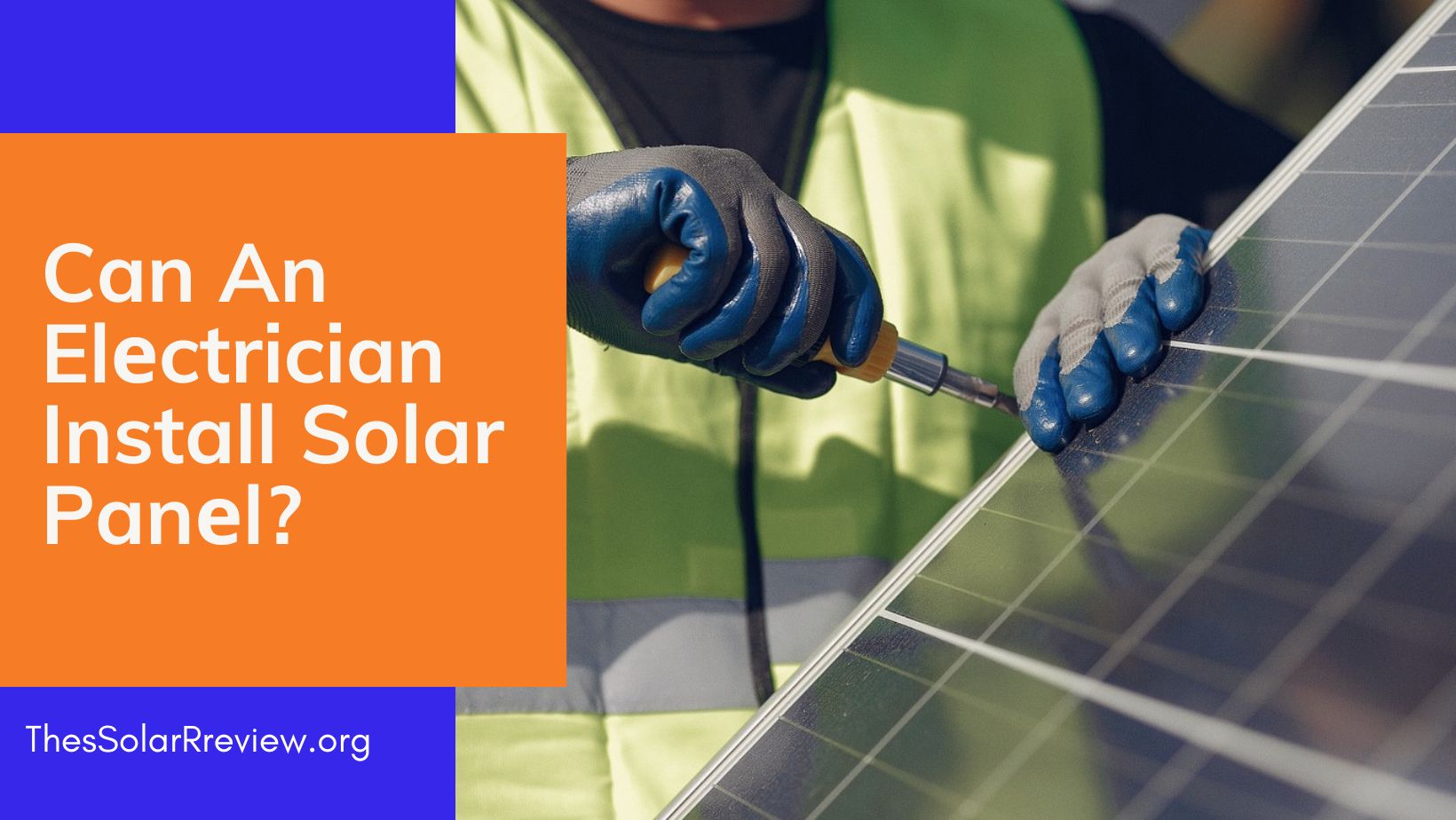
The physical installation typically takes two to four days. Aureus generally employs flashed attachment systems for shingle roofs, ensuring that the roof’s waterproof integrity is maintained. For commercial flat roofs, they utilize ballasted systems that do not require roof penetrations. The wiring is housed in heavy-duty conduit, following the latest National Electrical Code (NEC) updates regarding rapid shutdown requirements, which ensure the system can be de-energized instantly in case of an emergency.
Hardware Specifications and Component Selection
The quality of an Aureus Solar installation is heavily dependent on their choice of Original Equipment Manufacturers (OEMs). They consistently favor hardware with high CEC (California Energy Commission) efficiency ratings.
| Feature | Residential Standard (2026) | Commercial/Ag High-Output |
|---|---|---|
| Panel Type | N-Type Monocrystalline | Bifacial Monocrystalline |
| Average Module Efficiency | 22.5% - 23.2% | 21.8% - 24.0% |
| Inverter Architecture | Microinverters (MLPE) | Three-Phase String Inverters |
| Degradation Rate | < 0.25% per year | < 0.40% per year |
| Wind Load Rating | Up to 140 mph | Up to 160 mph |
| Monitoring Interface | Mobile App / Web Portal | Industrial SCADA Integration |
The Shift to Bifacial Technology
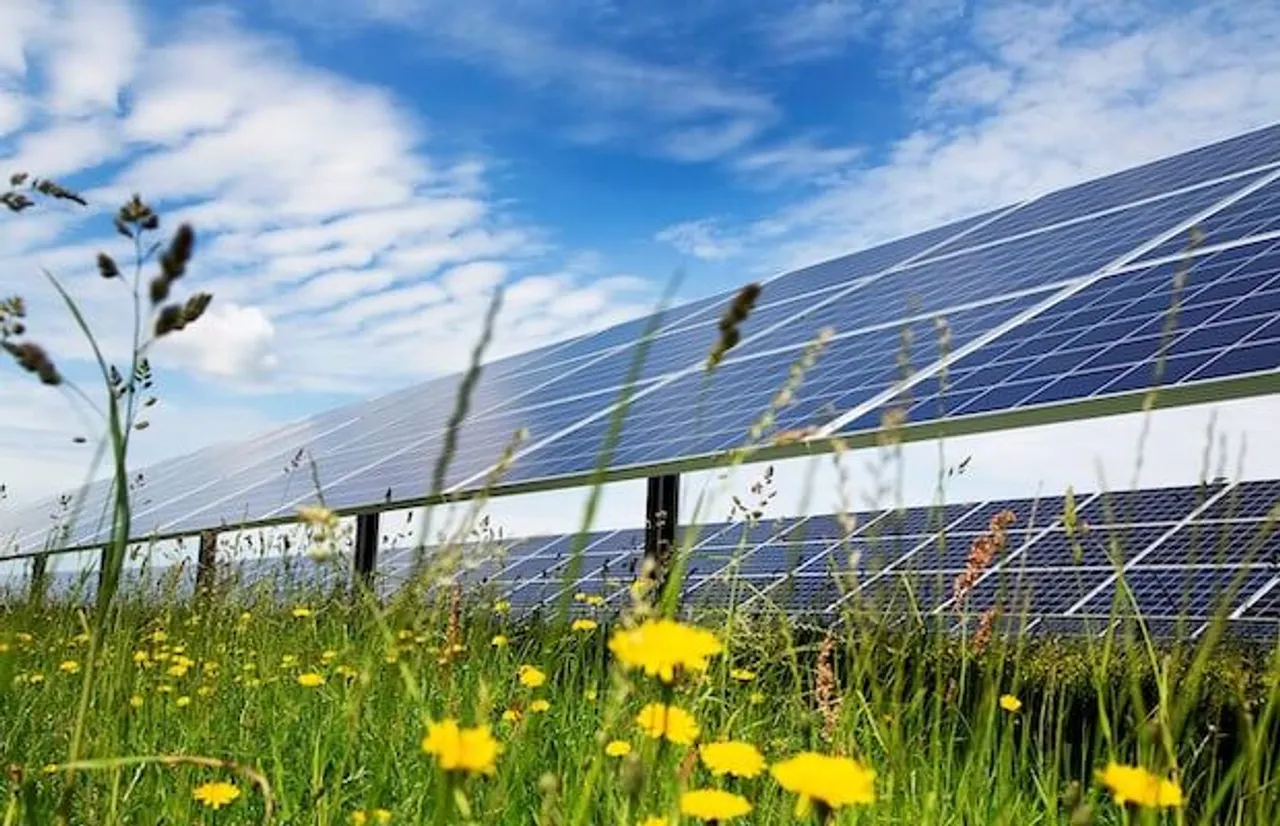
For their ground-mount and agricultural installations, Aureus Solar frequently utilizes bifacial panels. These modules harvest sunlight from both the front and the rear. In 2026, this technology has become a standard for rural installations because the rear side can capture "albedo" light—sunlight reflected off the ground, snow, or light-colored gravel—increasing total energy yield by up to 15% compared to traditional monofacial panels.
Financial Analysis: Costs and 2026 Incentives
The cost of an Aureus Solar installation is influenced by total system size, roof complexity, and the inclusion of battery storage. While the price per watt ($/W) has stabilized, the overall value proposition is bolstered by federal and local incentives.
Federal Investment Tax Credit (ITC)
In 2026, the Federal Investment Tax Credit remains a primary driver for solar adoption. Under current legislation, residential and commercial owners can deduct 30% of the total system cost (including labor and storage) from their federal taxes. This is a non-refundable credit that can often be "carried forward" if the tax liability in the first year is lower than the credit amount.
Net Metering and Interconnection
Aureus Solar systems are designed to interface with Net Energy Metering (NEM) programs. When the system produces more electricity than the building consumes, the excess is "pushed" back into the grid, and the owner receives a credit on their utility bill. It is important to note that by 2026, many jurisdictions have moved toward "NEM 3.0" or similar structures, which prioritize on-site consumption and battery storage over simple grid-back-feeding. Aureus assists clients in choosing the correct battery capacity to maximize financial returns under these newer billing structures.
Warranty and Long-Term Reliability
A common concern in solar reviews is the "orphaned system" risk—where an installer goes out of business, leaving the owner without support. Aureus Solar mitigates this through a dual-layer warranty structure:
- Manufacturer’s Performance Warranty: Most panels installed by Aureus carry a 25-year performance guarantee, ensuring the panels will still produce at least 85-92% of their original rated power by Year 25.
- Workmanship Warranty: Aureus typically provides a 10-year workmanship warranty covering the actual installation labor, roof penetrations, and wiring integrity.
Their use of Module-Level Power Electronics (MLPE), such as microinverters or optimizers, also enhances reliability. In a traditional "string" system, if one panel is shaded, the entire string’s performance drops. With the hardware Aureus utilizes, each panel operates independently; a failure or shading event on one module does not impact the output of the rest of the array.
Comparison: Aureus vs. National Competitors
When compared to national providers like Sunrun or Tesla, Aureus Solar offers a more localized approach. National providers often offer lower "upfront" costs through Power Purchase Agreements (PPAs) or leases, but these often result in lower total savings over the life of the system.
Aureus focuses primarily on direct ownership. Ownership allows the property owner to claim the 30% tax credit and increases the property’s resale value, whereas leased systems can sometimes complicate real estate transactions. Furthermore, Aureus's familiarity with local building codes in the Midwest often results in faster "Permission to Operate" (PTO) timelines compared to companies managing permits from distant corporate offices.
Maintenance and System Monitoring
Modern solar installations are remarkably low-maintenance, as they have no moving parts (excluding trackers). However, monitoring is essential to ensure the system is performing to its modeled potential.
Aureus provides customers with a digital monitoring dashboard. This software tracks:
- Real-time power production (kilowatts).
- Cumulative energy harvest (kilowatt-hours).
- Environmental impact (CO2 offset).
- Individual panel health (identifying if a specific module requires cleaning or service).
In the event of a significant drop in production, the system generates an alert. Aureus’s service department can often diagnose issues remotely via the inverter’s internet connection before sending a technician to the site.
Common Challenges and Troubleshooting
While generally reliable, solar installations face specific environmental challenges that Aureus addresses through engineering:
- Snow Accumulation: In northern climates, snow can block production. Aureus installs panels at specific tilts to encourage "snow shed."
- Grid Outages: A common misconception is that solar provides power during a blackout. Unless the system includes battery storage (like a Tesla Powerwall or Enphase IQ Battery), the system must shut down during an outage to prevent "islanding," which could injure utility workers.
- Pest Interference: Squirrels and birds can sometimes damage wiring. Aureus offers "critter guards"—a mesh screen that surrounds the perimeter of the array—to prevent animals from nesting under the warm panels.
FAQ
Does Aureus Solar provide battery backup options?
Yes, Aureus Solar offers several integrated storage solutions. In 2026, battery storage is increasingly recommended for customers under "Time-of-Use" (TOU) utility rates, allowing them to store cheap energy produced during the day and use it during expensive evening peak hours.
How long does the solar installation process take from start to finish?
The total timeline generally spans 3 to 5 months. While the physical installation only takes a few days, the vast majority of this time is spent on structural engineering, municipal permitting, and utility interconnection approval.
What is the expected lifespan of an Aureus Solar system?
The primary hardware is designed to last 25 to 30 years. While the power output will slowly degrade over time (typically 0.25% to 0.5% annually), the system will continue to generate significant electricity well beyond its warranty period.
Will a solar installation damage my roof?
If installed correctly, solar panels protect the portion of the roof they cover from UV degradation and weather. Aureus uses high-quality flashing and sealants at every penetration point to ensure the roof remains watertight.
Are there any recurring costs after installation?
There are no mandatory monthly fees. However, owners should account for occasional cleaning (if rain is insufficient) and the potential replacement of the central inverter or battery components after 12–15 years, as these components typically have shorter lifespans than the panels themselves.
Final Recommendation
For property owners in their service region, Aureus Solar represents a high-value choice for those prioritizing system longevity and technical accuracy. Their focus on direct ownership models and Tier 1 hardware makes them particularly well-suited for residential homeowners looking to increase property equity and agricultural operations seeking to stabilize long-term operational costs. Potential clients should ensure they have a recent copy of their utility bill and a clear understanding of their roof’s age before engaging in the initial site assessment.
Image Gallery