Understanding Fenton Auto Insurance Coverage Options in 2026
Navigating auto insurance in Fenton, Michigan, requires a comprehensive understanding of the state’s unique No-Fault system and local environmental risks. To secure proper protection in 2026, drivers must balance mandatory Personal Inj...
Navigating auto insurance in Fenton, Michigan, requires a comprehensive understanding of the state’s unique No-Fault system and local environmental risks. To secure proper protection in 2026, drivers must balance mandatory Personal Injury Protection (PIP) choices, Property Protection, and Residual Liability with optional coverages like Broadened Collision and Comprehensive insurance to mitigate local hazards like deer and winter weather.
Contents
The Framework of Michigan No-Fault Insurance in Fenton
As of 2026, Fenton motorists operate under the refined Michigan No-Fault insurance laws, which were significantly overhauled in 2020. This system is designed to ensure that in the event of an accident, your own insurance company pays for your medical expenses, regardless of who caused the collision. This "no-fault" designation specifically applies to personal injuries and certain types of property damage, but it does not mean that fault is entirely irrelevant in the eyes of the law or for your premium calculations.
The core of your Fenton policy is built upon three mandatory components: Personal Injury Protection (PIP), Property Protection Insurance (PPI), and Residual Bodily Injury and Property Damage Liability (BI/PD). Understanding how these interact is the first step in selecting a policy that prevents financial ruin following a major incident on US-23 or Silver Lake Road.
Personal Injury Protection (PIP) Choices
In 2026, the most critical decision a Fenton resident makes is the level of PIP medical coverage. Before the 2020 reforms, Michigan required unlimited medical coverage for all drivers. Today, you have several tiers to choose from. Choosing the right tier involves assessing your existing health insurance and your long-term financial risk tolerance.
- Unlimited Coverage: This remains the gold standard. It provides lifetime medical benefits for all reasonably necessary products, services, and accommodations for an injured person's care, recovery, or rehabilitation. In 2026, with rising healthcare costs, this remains the most popular choice for families.
- $500,000 or $250,000 Limits: These options provide a cap on medical benefits. While they lower your premium, they introduce the risk that a catastrophic injury—such as a traumatic brain injury common in high-speed highway accidents—could exceed your policy limits, leaving you responsible for the remaining balance.
- PIP Opt-Outs and Exclusions: Certain drivers with Medicare Parts A and B, or those with "qualified health coverage" (QHC), may be eligible to opt out of PIP medical coverage entirely or choose a $50,000 limit. However, the Michigan Department of Insurance and Financial Services (DIFS) warns that your health insurance must cover auto-accident injuries and have a deductible of $6,000 or less per person to qualify as QHC in many instances.
Mandatory Liability and Property Protection
While PIP covers your own medical needs, Fenton drivers are also legally required to carry insurance that protects them if they are sued or if they damage someone else's property.
Residual Bodily Injury and Property Damage (BI/PD)
This coverage protects you if you are found at fault in an accident that causes serious injury or death to others, or if the accident occurs out of state. In 2026, Michigan's default limit is $250,000 per person and $500,000 per accident, though drivers can sign a waiver to choose lower limits of $50,000/$100,000.
Given that Fenton sits at the intersection of Genesee, Livingston, and Oakland counties, residents frequently commute into higher-traffic areas like Flint, Ann Arbor, or Metro Detroit. High-speed collisions on these routes often result in damages that far exceed the minimum limits. Experts generally recommend maintaining at least the $250,000/$500,000 default to protect personal assets from litigation.
Property Protection Insurance (PPI)
Michigan PPI pays up to $1 million for damage your vehicle causes to other people's property within the state, such as buildings, fences, or properly parked vehicles. It does not cover damage to other moving vehicles; those are handled under the "no-fault" rules or through the mini-tort provision.
Optional Coverages for the Fenton Landscape
Standard mandatory insurance leaves significant gaps, particularly regarding damage to your own vehicle. For drivers in the Fenton area, these optional coverages are often treated as essential due to the local climate and geography.
Collision Coverage: Three Distinct Choices
Michigan offers three types of collision insurance, and the distinction is vital for those navigating the busy US-23 corridor.
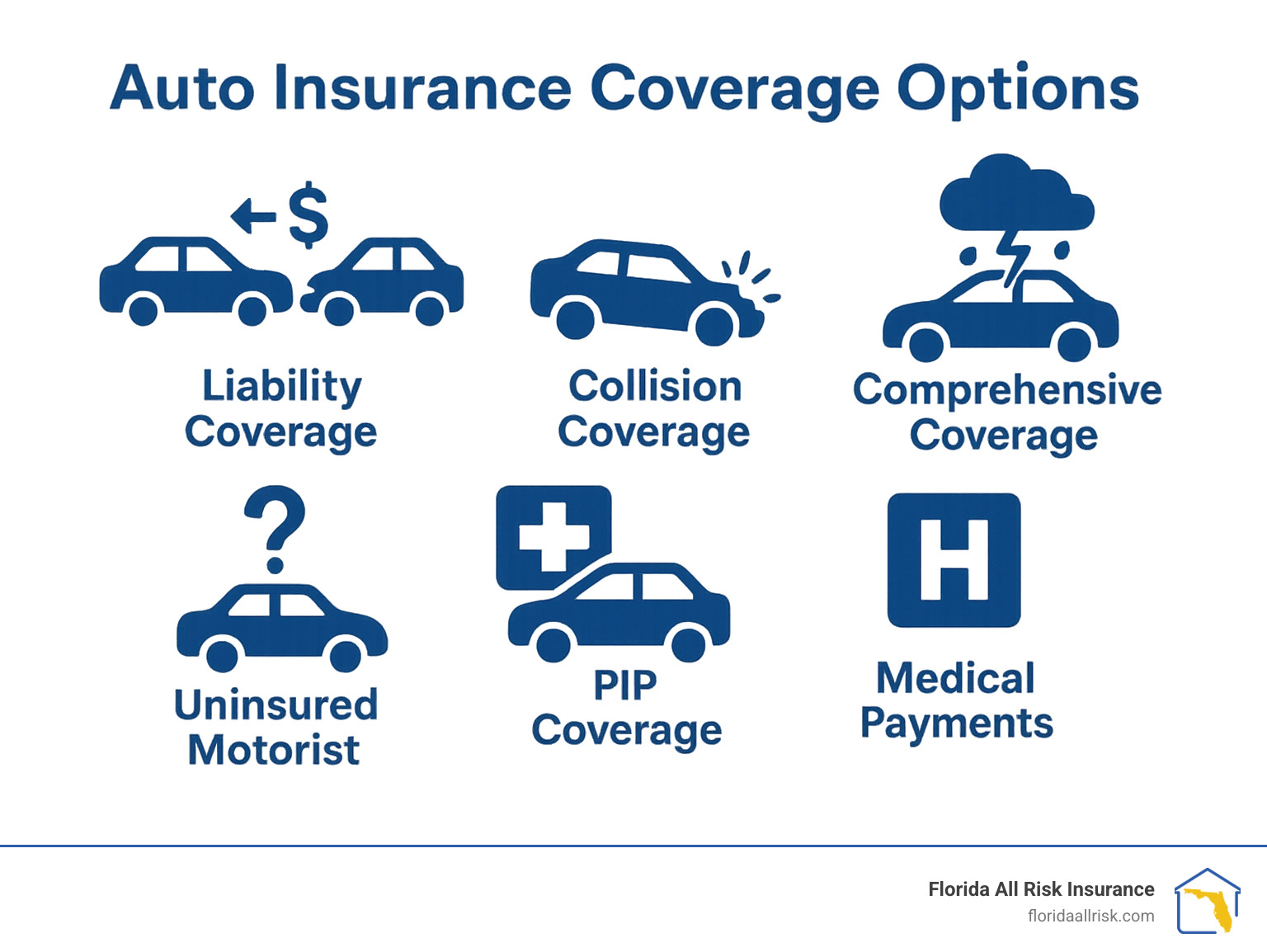
- Limited Collision: This only pays for damages to your car if you are NOT more than 50% at fault in an accident. If you are at fault, you receive nothing for your vehicle repairs.
- Standard Collision: This pays for damages to your car regardless of fault, but you must always pay your deductible.
- Broadened Collision: This is the most popular choice for Fenton commuters. It pays for damages regardless of fault, and if you are less than 50% at fault, your deductible is waived. This provides peace of mind when dealing with the unpredictable driving behavior of others in heavy traffic.
Comprehensive Coverage and the "Deer Factor"
Fenton and its surrounding townships (Fenton Township, Tyrone Township) are high-risk areas for deer-vehicle collisions, especially during the fall months. Comprehensive coverage handles "acts of God," including animal strikes, theft, fire, and windshield damage.
In 2026, the cost of sensors and calibration for Advanced Driver Assistance Systems (ADAS) has made windshield replacement and front-end repairs significantly more expensive. Carrying a low-deductible comprehensive policy is a strategic move for residents who frequently drive near the many wooded areas and lakes surrounding the city.
The Michigan Mini-Tort
If you are involved in an accident where the other driver is at fault, Michigan law allows you to sue the at-fault driver for a limited amount to cover your vehicle repair costs that were not covered by your own insurance (typically your deductible). As of 2026, this limit is capped at $3,000. This is known as the "Mini-Tort" provision. It is another reason why identifying the at-fault party remains important, even in a "no-fault" state.
Comparison of Auto Insurance Coverage Types in Fenton
| Coverage Type | Mandatory/Optional | What it Covers | Key Consideration for Fenton |
|---|---|---|---|
| PIP Medical | Mandatory | Your medical bills/rehabilitation | Choice of "Unlimited" is safest for high-speed US-23 accidents. |
| Property Protection (PPI) | Mandatory | Damage to buildings/parked cars | Covers the $1M standard for physical property damage in MI. |
| Residual BI/PD | Mandatory | Lawsuits if you injure others | High limits recommended for commuters to Oakland County. |
| Broadened Collision | Optional | Your vehicle damage | Deductible waived if you aren't at fault; ideal for city driving. |
| Comprehensive | Optional | Theft, fire, and animal strikes | Essential for the high deer population in Fenton/Tyrone area. |
| Uninsured Motorist | Optional | Injuries caused by hit-and-run | Protects you if the other driver has no insurance for "pain and suffering." |
Factors Affecting Fenton Auto Insurance Rates in 2026
Several variables influence what you pay for coverage in the 48430 and 48451 ZIP codes. Insurance companies use complex algorithms, but local Fenton residents should be aware of these specific drivers:
1. The Multi-County Influence
Fenton is unique because it straddles county lines. Rates in Genesee County can differ significantly from those in Livingston or Oakland County. Insurers analyze the frequency of claims in your specific neighborhood. Historically, Livingston County (south Fenton) often sees slightly lower liability premiums than Genesee County (north Fenton) due to statistical differences in litigation and crime rates.
2. Vehicle Use and Commuting
If you use your vehicle to commute to the University of Michigan in Ann Arbor or to the healthcare hubs in Grand Blanc, your annual mileage will impact your rate. In 2026, many Fenton insurers offer "Usage-Based Insurance" (UBI) programs. These telematics systems track your braking, speed, and time of day. For Fenton residents who work from home or stay within city limits, these programs can offer substantial discounts.
3. The Michigan Catastrophic Claims Association (MCCA) Fee
Every insured vehicle in Michigan pays an annual fee to the MCCA. This fee covers the cost of medical claims that exceed a certain threshold (typically $630,000). In 2026, this fee is adjusted based on the MCCA’s surplus or deficit. Drivers who choose PIP limits lower than "Unlimited" may pay a lower portion of this fee, though they lose the associated lifetime benefits.
Strategies for Optimizing Coverage and Cost
To secure the best value in Fenton, you should look beyond the monthly premium and evaluate the total cost of a potential claim.
- Bundle Home and Auto: Fenton has a high percentage of homeowners. Bundling your auto policy with your homeowners or renters insurance remains the single most effective way to drop your premium by 15% to 25%.
- Review Your PIP Choice Annually: If your health insurance situation changes—for example, if you move to a plan that is no longer "Qualified Health Coverage"—you must update your auto policy immediately to avoid a gap in medical protection.
- Adjust Deductibles Based on Savings: If you have an emergency fund, increasing your collision deductible from $500 to $1,000 can lower your premium. However, in Fenton’s winter climate, where slide-offs are common, ensure you can afford that $1,000 out-of-pocket expense.
- Inquire About Group Discounts: Many Fenton residents work for major employers in the region (like General Motors or local school districts). Many insurers offer affinity discounts for employees of these organizations.
Common Pitfalls to Avoid
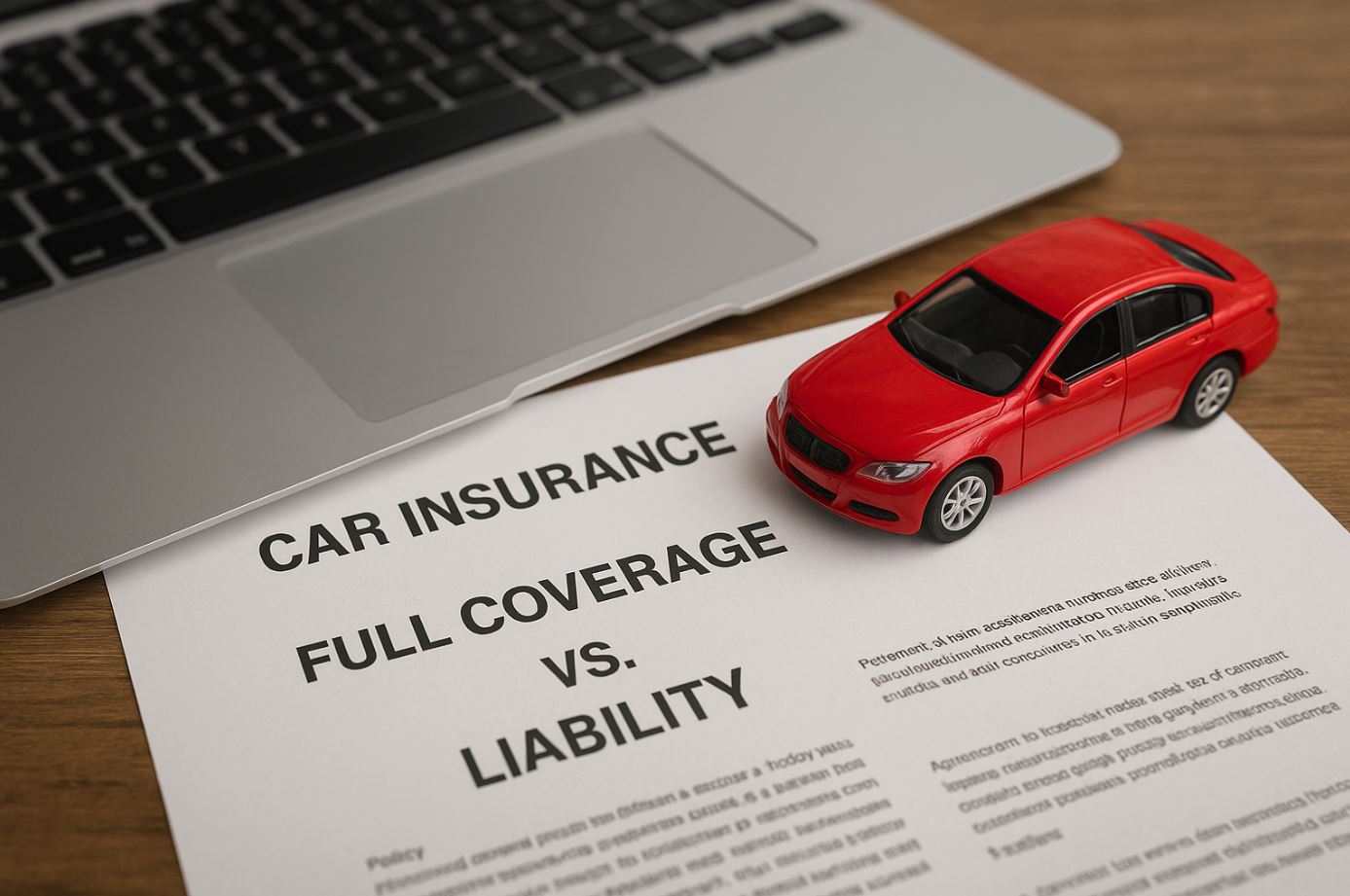
Fenton drivers often make mistakes that only become apparent after a claim is filed. One major error is assuming "Full Coverage" is a standardized term. In reality, "Full Coverage" is a colloquialism that usually just means you have collision and comprehensive added to your liability. It does not define the limits of your PIP or your BI/PD.
Another mistake is ignoring Uninsured and Underinsured Motorist Coverage (UM/UIM). While Michigan requires PIP, it does not require UM/UIM. If a driver from another state (which might not have No-Fault laws) or an uninsured driver hits you, UM/UIM allows you to collect "pain and suffering" damages from your own insurer that you would otherwise be unable to recover.
Frequently Asked Questions
Does Michigan No-Fault cover my car if it is stolen in Fenton?No. No-Fault (PIP) only covers medical expenses and work loss. To protect against theft, you must purchase Comprehensive Coverage. Without it, you are responsible for the total loss of the vehicle if it is stolen from your driveway or a local parking lot.
I hit a deer on Lahring Road; which coverage applies?Deer collisions are covered under Comprehensive Coverage, not collision coverage. This is because hitting an animal is considered an "unpredictable" event rather than a failure of driving maneuverability. In 2026, most Fenton agents recommend a $0 or $100 deductible for comprehensive due to the high frequency of deer accidents.
Is the "Mini-Tort" automatic if I'm not at fault?No, it is not automatic. You must typically request the payment from the at-fault driver’s insurance company. You will need to provide a copy of the police report and a repair estimate. The maximum you can recover in 2026 is $3,000, which is intended to cover your deductible.
Can I opt out of PIP if I have private health insurance?Only if your health insurance is "Qualified Health Coverage" (QHC). This means the policy does not exclude auto accident injuries and has an individual deductible of $6,000 or less (as adjusted for inflation in 2026). You must provide proof of this coverage to your auto insurer every year.
What is the difference between "Standard" and "Broadened" collision in Michigan?In a Standard Collision policy, you pay your deductible regardless of who caused the accident. In a Broadened Collision policy, your insurance company waives your deductible if you are found to be 50% or less at fault. Given the complexity of traffic near the Fenton interchanges, Broadened Collision is highly recommended.
Next Action for Fenton Drivers: Before your next renewal, request a "Dec Page" (Declarations Page) from your current agent and compare your PIP choice and BI/PD limits against the current 2026 cost of medical care and vehicle technology. If you haven't shopped your rate in the last 12 months, obtain quotes from at least one independent agency that can compare multiple carriers across Genesee and Livingston counties.
Image Gallery