How Long Does It Take to Get Car Insurance? A Complete Guide to 2026 Timelines
In 2026, obtaining car insurance typically takes between 15 and 45 minutes through online platforms or mobile apps. If you have your Vehicle Identification Number (VIN) and driver’s license details ready, you can often receive a digita...
In 2026, obtaining car insurance typically takes between 15 and 45 minutes through online platforms or mobile apps. If you have your Vehicle Identification Number (VIN) and driver’s license details ready, you can often receive a digital insurance card and begin coverage immediately after making your initial payment.
Contents
For the vast majority of drivers, the days of waiting for paperwork to arrive via mail are long gone. The integration of real-time data exchange between insurance carriers, state DMVs, and consumer reporting agencies allows for near-instantaneous risk assessment. However, while the technical process is rapid, several variables can influence whether you walk away with a policy in minutes or have to wait several days for a manual review.
The Evolution of Speed: How Fast is Car Insurance in 2026?
The speed of securing a policy depends heavily on your choice of distribution channel. In 2026, the insurance landscape is dominated by three primary pathways, each with its own timeline.
Online and Mobile App Applications
This is the fastest method. Most major carriers have optimized their digital interfaces to minimize friction. By entering basic personal information, the system automatically pulls your claims history (via C.L.U.E. reports) and your credit-based insurance score. If you are a standard-risk driver, the entire process—from landing on the homepage to receiving a PDF of your declarations page—rarely exceeds 20 minutes.
Captive and Independent Agents
Working with a human agent can take anywhere from 45 minutes to a few hours. While the software used by agents is similar to what consumers use online, the extra time is spent on personalized consultation. An agent might look for specific discounts, such as professional associations or multi-policy bundles, that an automated algorithm might overlook. This method is preferred by those with complex assets or those who want to ensure their limits are tailored to their net worth.
Manual Underwriting and High-Risk Profiles
If your driving record contains significant infractions, such as a recent DUI or multiple at-fault accidents, your application may be flagged for "manual underwriting." This means a human underwriter must review the risk before the company "binds" the policy. In these instances, it can take 24 to 72 hours to receive a final decision or a firm price quote.
Factors That Influence Your Approval Timeline
Several technical and personal factors dictate how quickly an insurance company can process your request. Understanding these can help you avoid delays when you are at a dealership or facing a policy expiration.
1. Data Availability and Accuracy
Insurance companies rely on third-party data providers like LexisNexis to verify your history. If there is a freeze on your credit report or an error in your motor vehicle record, the automated system will fail. You will then need to provide manual documentation, which adds hours or days to the process.
2. Vehicle Type and VIN Verification
Standard passenger vehicles are easy to insure because their safety ratings and repair costs are well-documented in industry databases. However, if you are insuring a classic car, a highly customized vehicle, or a grey-market import, the insurer may require photos or a professional appraisal. This vetting process is not instantaneous and usually requires 2 to 5 business days.
3. State-Specific Requirements
Insurance is regulated at the state level, and some jurisdictions have unique requirements. For example, in states with strict "no-fault" laws or specific electronic notification requirements for the DMV, the backend communication between the insurer and the state can occasionally lag, though this rarely prevents the initial issuance of the policy.
The Step-by-Step Timeline to Getting Covered
To ensure you get covered as quickly as possible, follow this chronological sequence. Following these steps in order prevents the "back-and-forth" that often delays policy activation.
Step 1: Information Gathering (5–10 Minutes)
Before opening a browser, collect the following:
- Driver’s License Numbers: For all household members of driving age.
- VIN (Vehicle Identification Number): This 17-digit code is essential for an accurate quote.
- Odometer Reading: Current mileage helps determine annual usage.
- Prior Coverage Details: You may need to provide the expiration date of your current policy to avoid a "lapse," which can increase rates.
Step 2: Quote Comparison (15–30 Minutes)
Use a comparison tool or visit 3–4 individual carrier sites. In 2026, many carriers offer "Instant Bind" quotes. Ensure you are comparing identical coverage limits (e.g., 100/300/100) and deductibles to make an apples-to-apples comparison.
Step 3: Underwriting and "Binding" (5–10 Minutes)
Once you select a quote, you move into the formal application. The company performs a final check of your records. If everything matches your initial input, you will be asked to "bind" the policy by signing electronically (E-sign).
Step 4: Payment and Digital Proof (Instant)
After the first payment is processed via credit card or EFT, the policy is active. Most insurers provide an immediate download of your digital ID card, which is legally recognized in nearly all U.S. states as proof of insurance.
Comparison of Application Methods and Timelines
| Method | Estimated Time | Digital Proof Availability | Best For |
|---|---|---|---|
| Direct Online | 15–20 Mins | Immediate | Standard drivers, tech-savvy users |
| Mobile App | 10–15 Mins | Immediate | Adding a vehicle to an existing plan |
| Phone/Call Center | 30–45 Mins | Immediate (via email) | Clarifying coverage details |
| Local Agent | 1–2 Hours | Immediate | Bundling home and auto policies |
| Specialty Broker | 1–3 Days | Delayed | High-risk, classic cars, SR-22 |
Buying Insurance at the Dealership
One of the most common reasons people need "instant" insurance is while sitting in a dealership finance office. In 2026, dealerships have streamlined this by allowing buyers to scan a QR code that pre-fills vehicle data into insurance applications.
If you already have an existing policy, most carriers provide a "grace period" for newly purchased vehicles. This typically lasts 7 to 30 days, providing you with the same level of coverage you had on your previous car. However, if you are a first-time buyer or adding a vehicle, you must bind a new policy before driving off the lot. Lenders will not allow you to take possession of a financed vehicle without proof of comprehensive and collision insurance.
Common Obstacles That Delay Coverage
Even with 2026 technology, "instant" is not always guaranteed. Being aware of these pitfalls can save you from a weekend without a car.
- Payment Issues: If your bank flags the insurance premium as a fraudulent transaction, the policy won't bind. It is wise to notify your bank if you are making a large down payment.
- Missing VIN: You cannot get a final, bound policy with just the "year, make, and model." The VIN is required to identify the specific safety features and engine type of the car.
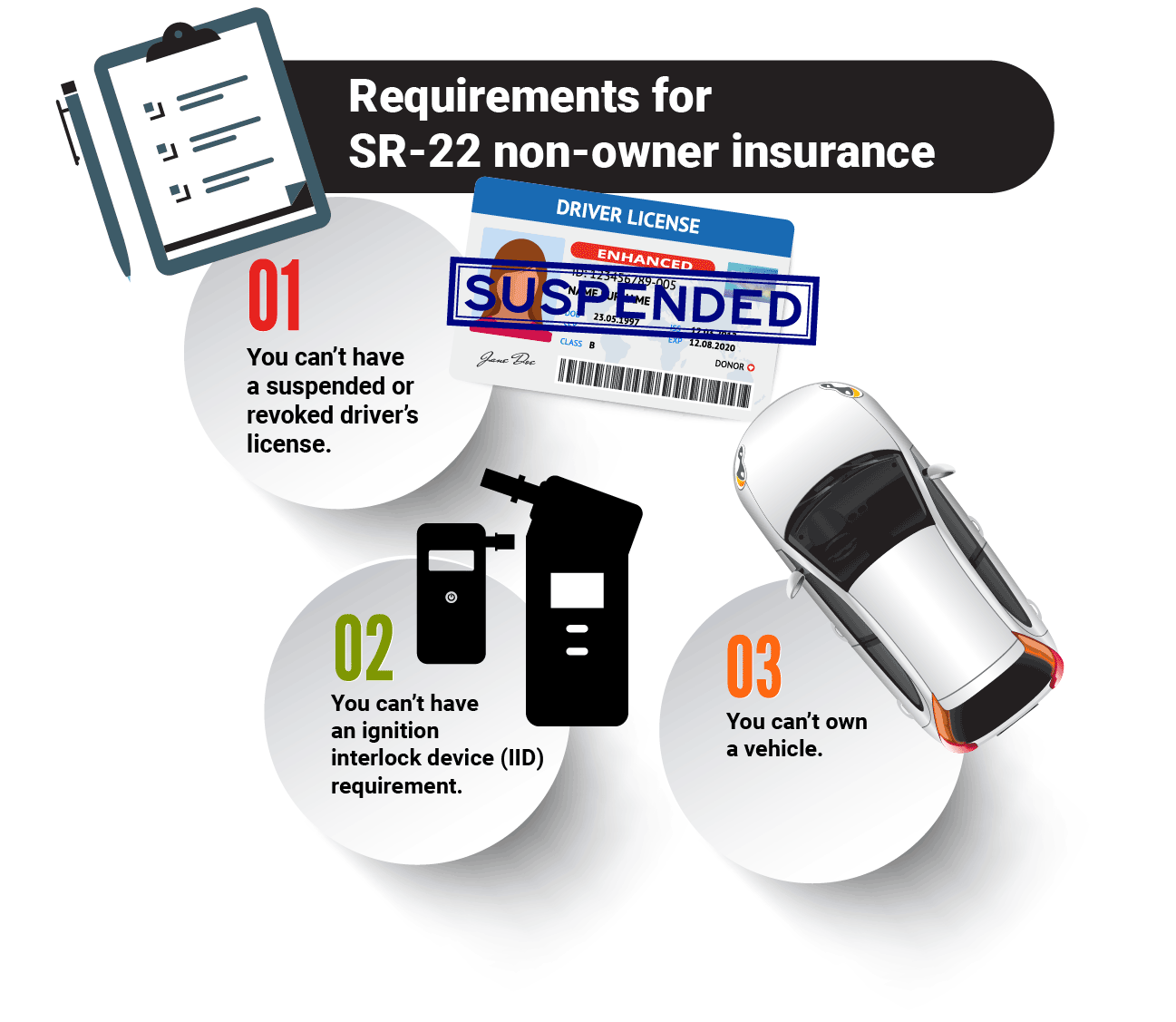
- SR-22 or FR-44 Filings: If the state requires a financial responsibility filing, the insurance company must notify the DMV. While the policy can be active immediately, the legal "filing" status may take 24 hours to reflect in state systems.
- Verification of Discounts: If you claim a "Good Student" discount or a "Safe Driver" discount based on a telematics app you haven't used yet, the insurer may issue the policy at a higher rate and adjust it only after verification is complete.
Expert Recommendations for a Faster Experience
To ensure your car insurance is active in the shortest time possible, prioritize the following actions:
- Use Digital Wallets: Using Apple Pay, Google Pay, or saved banking info accelerates the checkout phase.
- Verify Your Driving History: Check your own record via your state's DMV website if you are unsure about the dates of past tickets. Discrepancies lead to manual reviews.
- Opt for Paperless: Selecting paperless billing and digital document delivery removes the friction of waiting for physical mail and often results in a small discount.
- Have the "Dec Page" Ready: If you are switching carriers, have your current "Declarations Page" (Dec Page) handy. It contains all the technical details of your current coverage, making it easy to replicate or improve upon your limits.
Frequently Asked Questions
Can I get car insurance the same day I buy a car?
Yes. Most major insurance companies offer same-day coverage. In 2026, the process is designed to be completed entirely on a smartphone while at the dealership. As long as you have the VIN and a valid payment method, you can have a digital ID card in your email inbox within minutes.
Does it take longer to get insurance if I have a bad driving record?
Generally, yes. Drivers with multiple accidents, major violations, or a history of coverage lapses may be filtered out of the "instant approval" track. Their applications are often sent to a manual underwriting queue where a specialist evaluates the risk, which can add 1 to 3 business days to the timeline.
Is there a waiting period before car insurance becomes active?
There is no legal waiting period for car insurance to become active. Once you pay the premium and the company "binds" the policy, coverage can begin at 12:01 AM on the date specified in your policy, or even immediately if requested and approved.
Can I get insurance on a weekend or holiday?
Online and mobile app platforms operate 24/7/365. You can quote, buy, and bind a policy at 2:00 AM on a Sunday just as easily as on a Tuesday morning. However, if your application requires human intervention (due to a high-risk profile), you will likely have to wait until the next business day for a manual review.
What is the fastest way to prove I have insurance to the DMV?
The fastest way is through a digital insurance card provided by your insurer’s mobile app. In 2026, almost all state DMVs and law enforcement agencies accept digital proof of insurance. Furthermore, most insurers electronically report your coverage status to the state's database within 24 hours of policy issuance.
Image Gallery