How to Install Solar Panels in Ashburn: A 2026 Comprehensive Guide
To install solar panels in Ashburn, homeowners must evaluate roof suitability, navigate Loudoun County’s permitting process, and comply with Virginia’s solar easement laws. The procedure involves securing a certified installer to desig...
To install solar panels in Ashburn, homeowners must evaluate roof suitability, navigate Loudoun County’s permitting process, and comply with Virginia’s solar easement laws. The procedure involves securing a certified installer to design a system that leverages the 30% federal tax credit and net metering programs offered by Dominion Energy or NOVEC.
Contents
Assessing Solar Feasibility for Ashburn Properties
Before investing in hardware, Ashburn residents must determine if their property is a viable candidate for solar energy. Ashburn, located in Northern Virginia, receives an average of 4.3 to 4.8 peak sun hours per day. While this is lower than the desert Southwest, it is more than sufficient for high-efficiency monocrystalline panels to generate a significant return on investment.
Roof Orientation and Condition
The ideal orientation for solar panels in Ashburn is south-facing, which maximizes exposure to the sun throughout the day. However, east and west-facing roofs are also productive, typically yielding about 15-20% less energy than southern exposures. In 2026, the efficiency of N-type cells has mitigated much of this loss, making non-southern roofs more viable than in previous years.
The structural integrity of your roof is paramount. Most solar systems have a lifespan of 25 to 30 years. If your roof is older than 15 years or shows signs of granular loss and shingle curling, it is financially prudent to replace the roof simultaneously with the solar installation. This avoids the high cost of removing and reinstalling the panels later.
Shading and Obstructions
Ashburn’s mature landscaping, particularly in established neighborhoods like Ashburn Village or Broadlands, can pose challenges. Even partial shading on a single panel can significantly reduce the output of an entire string of panels unless microinverters or DC optimizers are used. A professional site assessment using LiDAR data or on-site shade analysis tools (like a SunEye) is necessary to calculate the Total Solar Resource Fraction (TSRF).
Navigating HOA and Local Regulations in Ashburn
Ashburn is known for its robust Homeowners Associations (HOAs). Navigating these regulations is often the most complex part of the installation timeline.
Virginia Solar Rights and HOAs
Under Virginia Code § 67-701, HOAs are generally prohibited from banning solar installations. However, they are permitted to establish "reasonable restrictions" regarding the size, place, and manner of the installation. In Ashburn, this often means HOAs require panels to be flush-mounted to the roof or placed on the rear of the house where they are less visible from the common area.
When applying for HOA approval, you must typically provide:
- A detailed site plan showing the location of the panels.
- Technical specifications of the equipment (many HOAs prefer "all-black" panels for aesthetic blending).
- A certification from the installer that the placement is necessary for system efficiency.
Loudoun County Permitting
The Loudoun County Department of Building and Development requires both a building permit and an electrical permit for solar installations. In 2026, the county has streamlined the "SolarPRIME" expedited review process for residential roof-mounted systems. Your installer must submit structural calculations ensuring the roof can handle the "dead load" of the panels and the "wind load" requirements specific to Northern Virginia’s climate.
Financial Analysis: Costs and Incentives in 2026
The cost of solar in Ashburn has stabilized in 2026 due to improved supply chains and domestic manufacturing. An average 8kW to 10kW system typically ranges from $2.40 to $3.10 per watt before incentives.
The Federal Investment Tax Credit (ITC)
The most significant financial driver remains the Federal Investment Tax Credit. Under the Inflation Reduction Act, homeowners can deduct 30% of the total system cost from their federal income taxes. This applies to the panels, labor, permitting, and even battery storage systems. This 30% rate is locked in through 2032, providing long-term certainty for Ashburn residents.
Net Metering in Northern Virginia
Most of Ashburn is served by Dominion Energy or the Northern Virginia Electric Cooperative (NOVEC). Both utilities offer net metering, which allows you to send excess electricity generated during the day back to the grid. Your meter "runs backward," and you receive a credit on your bill for every kilowatt-hour (kWh) produced. These credits can be used at night or during the winter when production is lower.
Solar Renewable Energy Certificates (SRECs)
Virginia's Clean Economy Act has created a market for SRECs. For every megawatt-hour (MWh) of electricity your system produces, you earn one SREC. These can be sold on the open market through aggregators. In 2026, SREC prices in Virginia provide a steady stream of passive income, often totaling several hundred dollars per year for a standard residential system.
| Financial Factor | Impact on Ashburn Homeowner | Estimated Value/Status |
|---|---|---|
| Federal ITC | Direct tax credit on total cost | 30% of total system cost |
| VA Net Metering | 1-to-1 credit for excess energy | Full retail value credit (kWh) |
| SRECs | Performance-based incentive | Variable market rate ($30-$50 per MWh) |
| Property Tax | VA Code § 58.1-3660 | Solar is exempt from local property tax |
| Payback Period | Time to recoup investment | 6 to 9 years on average |
The Step-by-Step Installation Process
Once the feasibility study and financing are settled, the physical installation follows a structured path.
1. Design and Engineering
Your installer will create a CAD (Computer-Aided Design) drawing of your roof. This design must account for "fire setbacks"—specific gaps required by the International Residential Code (IRC) to allow firefighters to walk on the roof during an emergency. In Ashburn, these typically require a 3-foot clearing at the ridges and hips.
2. Equipment Procurement
In 2026, the industry standard has shifted toward TOPCon (Tunnel Oxide Passivated Contact) and HJT (Heterojunction Technology) solar cells. These offer higher efficiency and better performance in high temperatures compared to older PERC modules. You will also choose between string inverters with optimizers or microinverters. Microinverters are highly recommended for Ashburn's variable shading conditions.
3. Physical Installation
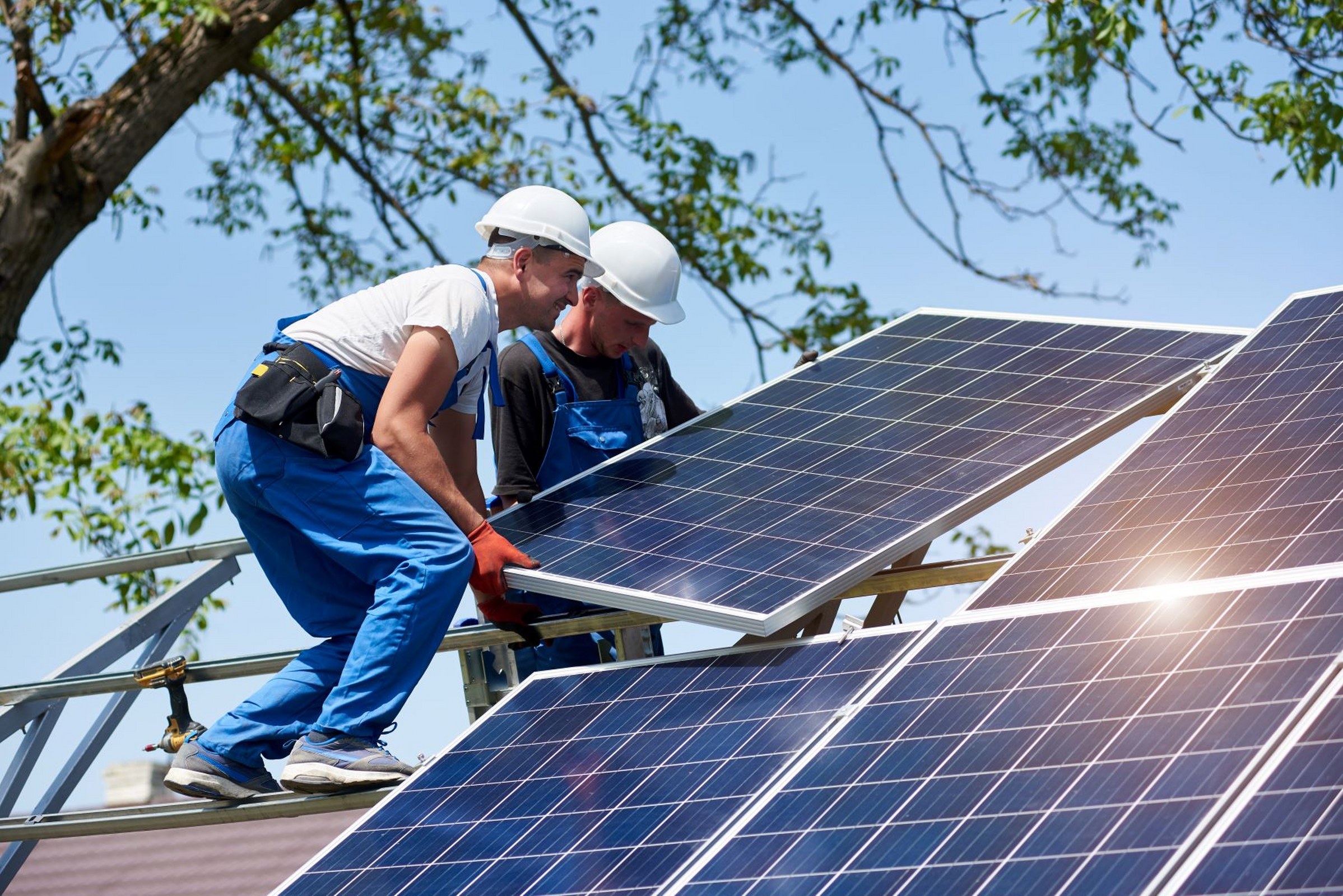
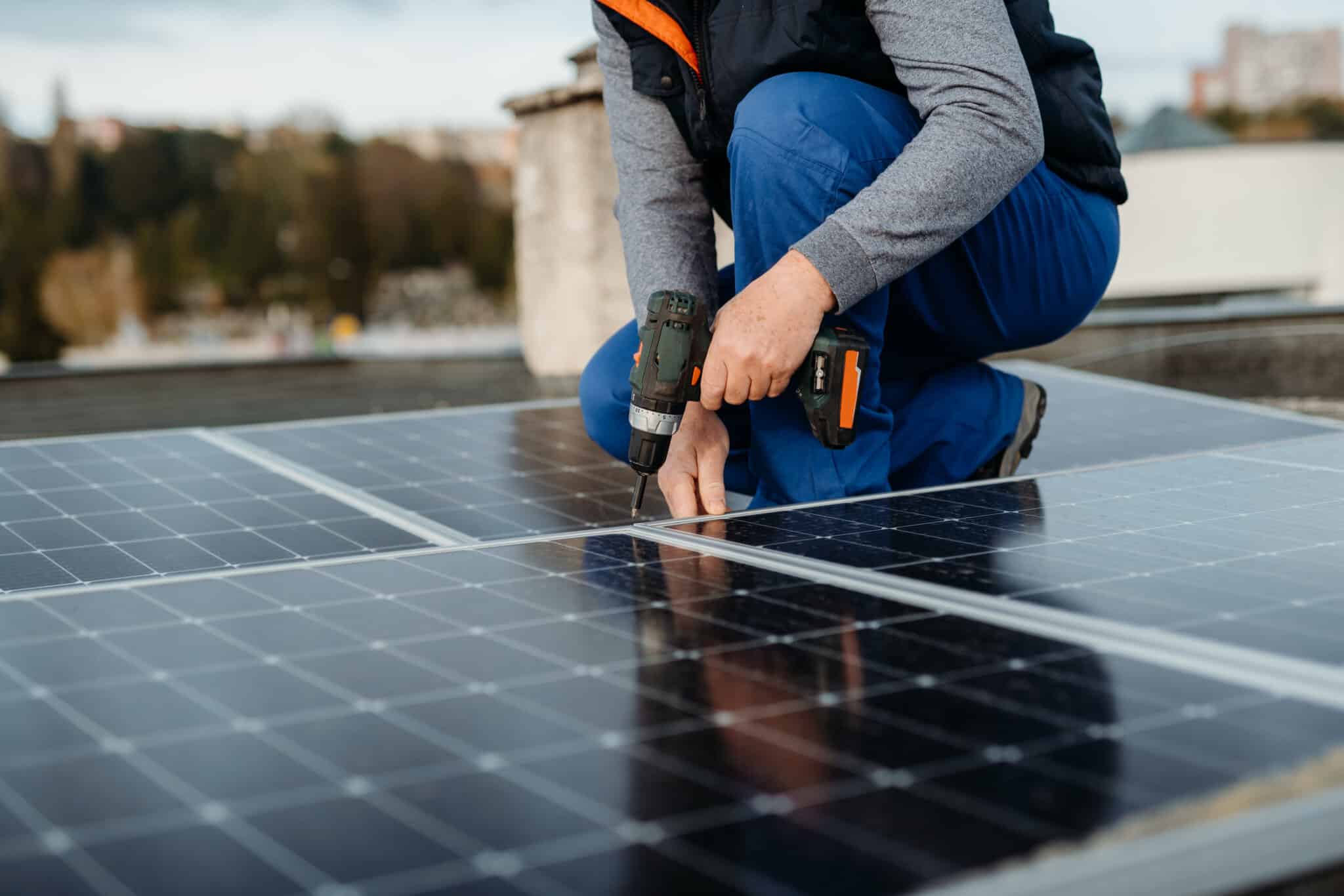
The installation itself usually takes 1 to 2 days.
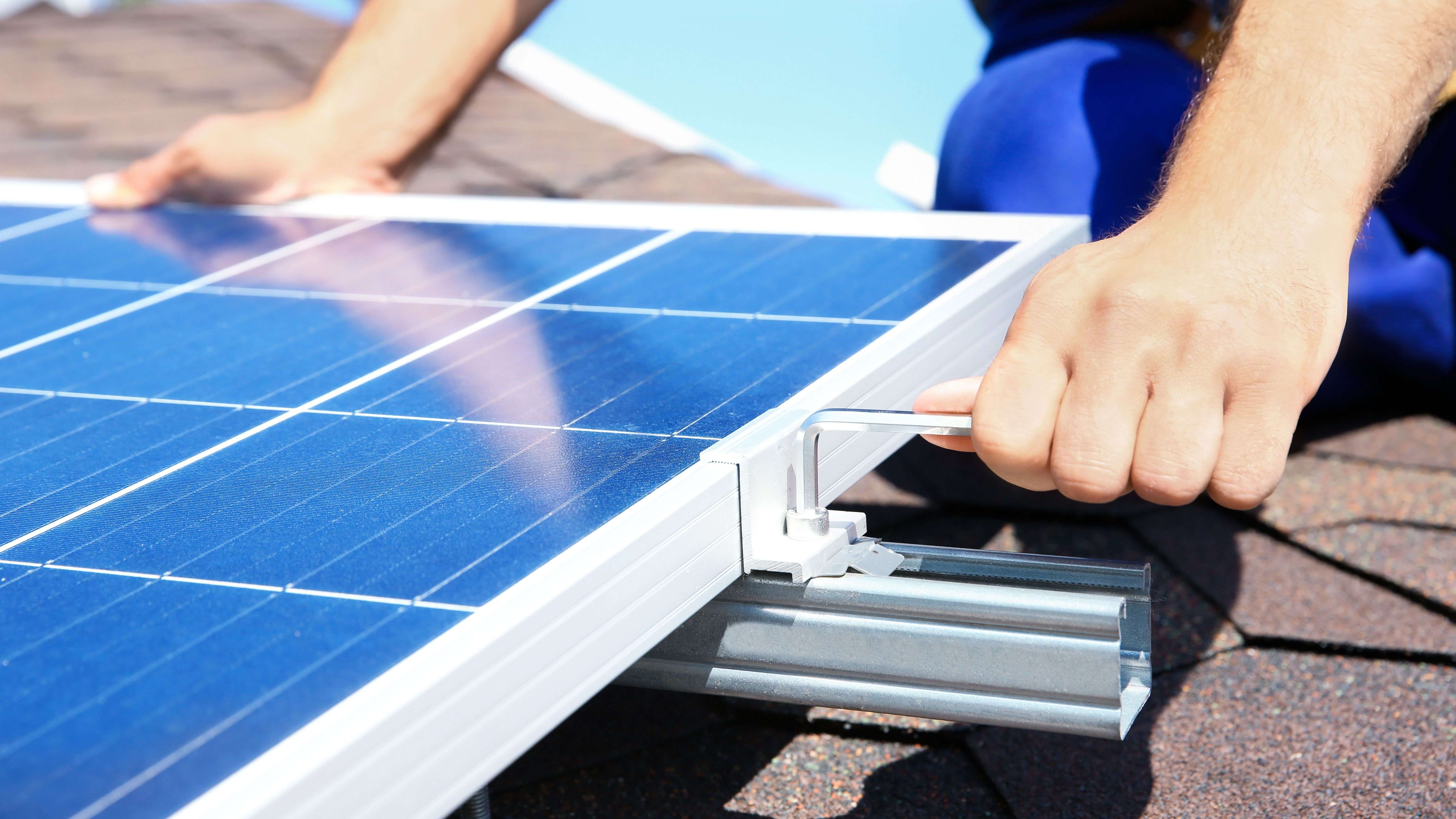
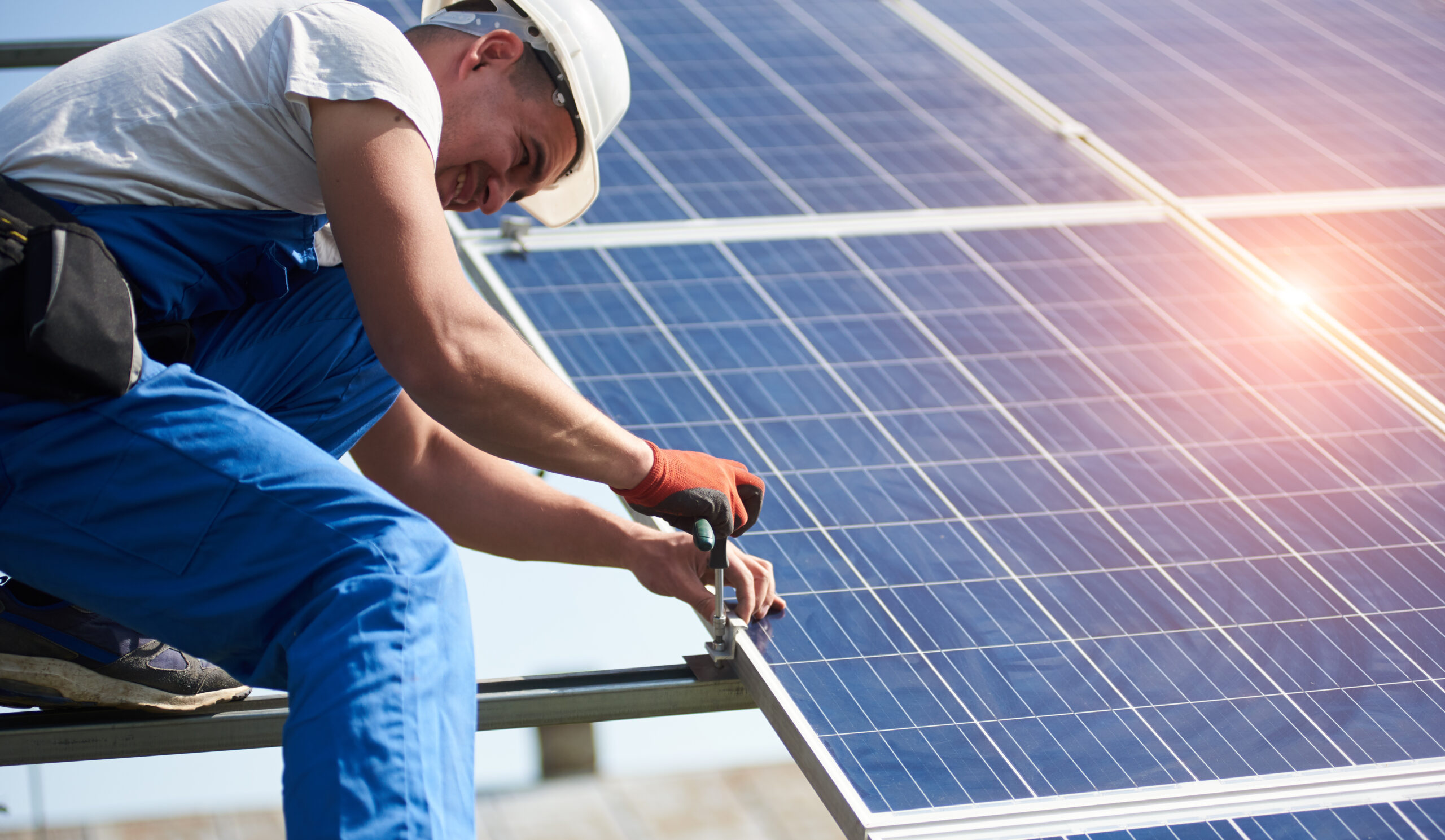
- Racking: Rails are bolted into the roof rafters using flashing to ensure a watertight seal.
- Wiring: Electrical conduits are run from the roof to your main electrical panel.
- Panel Mounting: The modules are clipped onto the rails and connected.
- Commissioning: The inverter is installed and connected to your home’s internet for monitoring.
4. Inspections and PTO
After the panels are on the roof, a Loudoun County inspector must visit the site to verify the electrical and structural work. Once the county passes the system, the utility provider (Dominion or NOVEC) will perform a final review and swap your standard meter for a bi-directional meter. Only after receiving Permission to Operate (PTO) can you officially turn the system on.
Selecting a Certified Solar Installer
The surge in solar popularity in Northern Virginia has led to a crowded market. It is vital to choose an installer with specific experience in Loudoun County.
- NABCEP Certification: Ensure the lead installer is certified by the North American Board of Certified Energy Practitioners.
- Local Experience: Ask for references specifically within Ashburn. A local installer will be familiar with the nuances of specific HOAs like Willowsford or Brambleton.
- Warranty Terms: A reputable installer should offer a 25-year equipment warranty and a 10-to-25-year workmanship warranty. In 2026, some premium installers also include "production guarantees," promising to pay the difference if the system underperforms.
Maintenance and Long-Term Operation
Solar systems are remarkably low-maintenance because they have no moving parts. However, Ashburn's climate requires some attention.
Cleaning and Debris
While rain typically keeps panels clean, Ashburn’s heavy spring pollen and autumn leaves can create a film that reduces efficiency by 5-10%. A simple cleaning with a garden hose (avoiding pressure washers) once or twice a year is usually sufficient.
Monitoring System Performance
Most modern systems include a mobile app (such as Enphase Enlighten or SolarEdge Monitoring) that provides real-time data. Homeowners should check this monthly to ensure all panels are reporting. If one panel shows significantly lower production, it may indicate a technical fault or localized shading issue that requires professional attention.
FAQ
Does solar power work during a power outage in Ashburn?
Standard grid-tied solar systems automatically shut down during an outage to prevent "islanding," which could injure utility workers. To have power during an outage, you must install a battery backup system (like a Tesla Powerwall or Enphase IQ Battery) or a specialized "sunlight backup" inverter that can provide limited power while the sun is shining.
Will installing solar panels increase my property taxes in Loudoun County?
No. Under Virginia law, solar energy equipment is categorized as a separate class of property and is exempt from local taxation. While solar panels increase the market value of your home, this value is not included in your property tax assessment in Loudoun County.
How do I handle solar if I live in a historic district or older part of Ashburn?
If your property falls within a historic overlay district, you may need additional approval from the Loudoun County Historic District Review Committee. They generally require panels to be non-visible from the primary street-facing elevation and may mandate specific mounting hardware.
Is my roof covered for leaks after solar installation?
Most reputable installers in Ashburn provide a 10-year or 25-year roof penetration warranty. This covers any leaks specifically caused by the racking attachments. It is important to confirm that your existing roof warranty will not be voided by the installation; often, using a certified roofing contractor for the attachments can mitigate this risk.
Final Recommendation
For Ashburn homeowners, the most effective path to solar adoption in 2026 is to prioritize a high-efficiency system with microinverters to handle potential shading. Begin by obtaining your HOA’s architectural guidelines, as these will dictate the aesthetic constraints of your design. By leveraging the 30% federal tax credit and Virginia's net metering, a well-designed system can offer both environmental benefits and a reliable hedge against rising utility rates in Northern Virginia.
Image Gallery