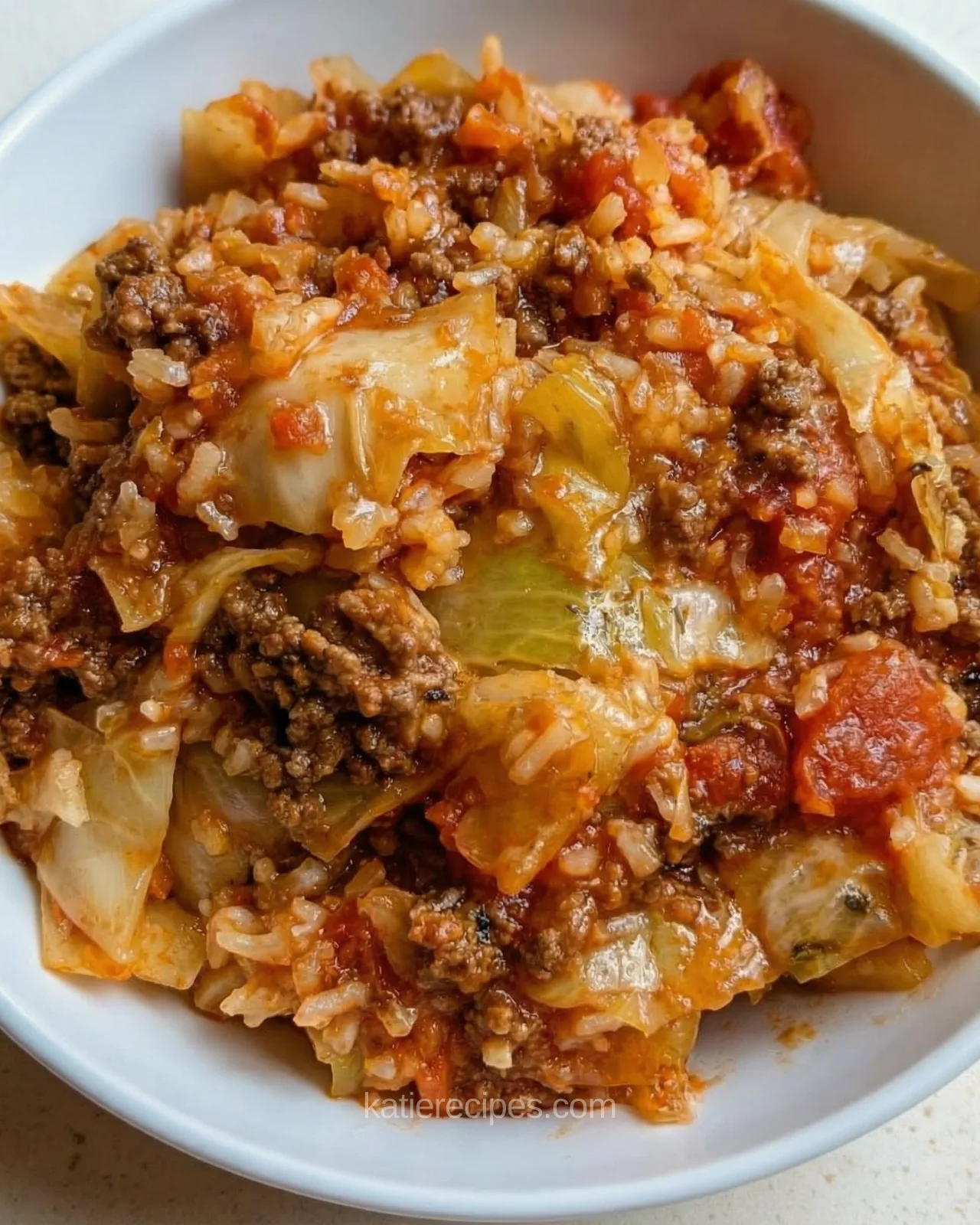
Slow Cooker Cabbage Roll Casserole: The Ultimate Deconstructed Comfort Food
Slow cooker stuffed cabbage casserole delivers all the rich, savory flavors of traditional stuffed cabbage rolls—tender ground meat, rice, and tomatoes wrapped in comforting cabbage—without the tedious process of rolling individual lea...
Slow cooker stuffed cabbage casserole delivers all the rich, savory flavors of traditional stuffed cabbage rolls—tender ground meat, rice, and tomatoes wrapped in comforting cabbage—without the tedious process of rolling individual leaves. By deconstructing the classic dish and letting a slow cooker do the heavy lifting, home cooks can achieve the same melt-in-your-mouth textures and deeply savory flavor profiles with a fraction of the hands-on effort.
Contents
Understanding the Deconstructed Cabbage Roll Concept
Traditional stuffed cabbage rolls, known variously as golubtsi, holubtsi, or kaldolmar across Eastern and Northern Europe, require blanching whole cabbage leaves, mixing fillings, rolling each bundle tightly, and simmering them for hours in a tomato-based broth. While delicious, this method demands significant kitchen dexterity and time. A slow cooker stuffed cabbage casserole bypasses the rolling step entirely by chopping or layering the cabbage directly with the meat and rice mixture, allowing the ingredients to stew together in a rich sauce until everything reaches optimal tenderness.
This approach offers distinct culinary advantages. When cabbage leaves are chopped rather than rolled, they distribute evenly throughout the dish, ensuring every spoonful contains the ideal ratio of vegetable, protein, and starch. Furthermore, the slow, consistent heat of a slow cooker allows lean or high-fat ground meats to render gently while absorbing the acidity of the tomatoes and the natural sweetness of slow-cooked onions and garlic.
Essential Ingredients and Preparation Prerequisites
Creating a successful slow cooker casserole requires balancing moisture levels, starch absorption, and cooking times. Because slow cookers trap moisture, managing liquid ratios prevents the dish from turning into a soup.
Core Component Breakdown
- The Cabbage: Green cabbage is the standard choice for its sturdy texture and mild, slightly sweet flavor. Savoy cabbage works well for a more tender result, while red cabbage changes the color profile and introduces a slightly earthier taste. Core and roughly chop the head into bite-sized squares or strips.
- The Protein: A combination of lean ground beef and ground pork yields the traditional flavor profile, though ground turkey or chicken can be substituted for a lighter option. Raw meat can be added directly, but browning it first with onions and garlic enhances depth of flavor and reduces excess fat.
- The Rice: Long-grain white rice or parboiled (converted) rice works best. Avoid instant or quick-cooking rice, as it will break down and become mushy during a standard slow cooker cycle. Uncooked brown rice requires a longer cooking time and additional liquid, so pre-cooking is recommended if using whole grains.
- The Sauce: A blend of crushed or diced tomatoes, tomato sauce, beef broth, Worcestershire sauce, brown sugar or apple cider vinegar (for sweet-and-sour balance), and aromatics forms the braising liquid.
Step-by-Step Cooking Guide
Executing this recipe correctly ensures the meat cooks thoroughly, the rice achieves the proper tenderness without dissolving, and the cabbage retains a pleasant bite rather than turning to mush.
1. Preparing the Aromatics and Meat
If opting to brown the meat for deeper flavor, place a skillet over medium-high heat. Add one pound of ground beef and one-half pound of ground pork along with one diced yellow onion and two minced cloves of garlic. Cook until the meat is browned and the onions are translucent. Drain excess grease to prevent the final casserole from feeling heavy or oily.
2. Mixing the Rice and Seasonings
In a large bowl, combine the cooked meat mixture with one cup of uncooked, rinsed long-grain white rice. Season generously with kosher salt, black pepper, paprika, and dried dill or parsley. Stir thoroughly to distribute the spices and grains evenly through the protein.
3. Layering the Slow Cooker
To prevent sticking and ensure even cooking, construct the casserole in layers inside a 6-quart slow cooker:
- First Layer: Spread one-third of the chopped raw cabbage across the bottom of the crock.
- Second Layer: Add half of the meat and rice mixture over the cabbage.
- Third Layer: Pour one-third of the tomato sauce mixture over the meat.
- Repeat: Add another layer of cabbage, the remaining meat and rice, and more sauce. Finish with a final layer of chopped cabbage topped with the remaining sauce and broth.
4. Cooking Times and Settings
Cover the slow cooker with its lid and cook on LOW for 6 to 7 hours or on HIGH for 3 to 4 hours. The low-and-slow method allows the cabbage to break down fully and absorb the tomato broth while the rice expands and tenderizes. Avoid lifting the lid frequently during the cooking process, as this releases vital steam and extends cooking time.
Comparison of Cooking Methods
| Feature | Traditional Stuffed Cabbage Rolls | Slow Cooker Cabbage Casserole | Stovetop Cabbage Casserole |
|---|---|---|---|
| Hands-On Time | 45–60 minutes (rolling) | 15–20 minutes (chopping/layering) | 30 minutes (stiring/monitoring) |
| Total Time | 2.5–3 hours | 4–7 hours (mostly unattended) | 45–60 minutes |
| Texture Consistency | Variable depending on roll tightness | Uniform distribution | Uniform distribution |
| Active Monitoring | Medium (checking liquid levels) | Low (set and forget) | High (stirring to prevent burning) |
| Equipment Needed | Large stockpot, baking dish | 6-quart slow cooker | Large Dutch oven or heavy pot |
Troubleshooting Common Culinary Issues
Even with a straightforward recipe, variables such as slow cooker wattage, meat fat content, and rice selection can impact the final result. Reviewing these common pitfalls helps ensure success.
1. The Casserole is Too Soupy
Slow cookers trap condensation. If the sauce appears overly watery at the end of the cooking cycle, remove the lid during the final 30 minutes of cooking and switch the unit to the high setting to allow excess moisture to evaporate. Alternatively, stirring in a small amount of tomato paste can thicken the sauce.
2. The Rice is Hard or Crunchy
If the rice remains undercooked after the recommended time, it is usually due to insufficient liquid or using a long-cooking grain like brown rice without adjustments. Ensure the recipe includes enough liquid to submerge or hydrate the grains, and verify that the rice was added raw (unless using brown rice, which must be pre-cooked). Cover the unit and cook for an additional 30 to 45 minutes on high.
3. The Dish Tastes Bland
Cabbage requires adequate seasoning, salt, and acidity to shine. If the flavor falls flat upon completion, stir in one tablespoon of apple cider vinegar or lemon juice to brighten the tomato base, and adjust salt levels to taste before serving.
Frequently Asked Questions
Can I use frozen cabbage for this casserole?
Yes, frozen chopped cabbage works well, but it releases significantly more water than fresh cabbage as it thaws and cooks. To compensate, reduce the added beef broth by half a cup to prevent the casserole from becoming watery.
Is it necessary to pre-cook the meat?
Pre-cooking the meat is optional but recommended. Adding raw ground meat directly to the slow cooker works, but browning it first removes excess fat, adds a rich caramelized flavor via the Maillard reaction, and prevents the meat from clumping into dense masses.
Can I substitute brown rice for white rice?
Uncooked brown rice requires a longer cooking time and more liquid than white rice. If you prefer brown rice, cook it partially on the stovetop before mixing it into the casserole, or use converted brown rice and increase the cooking time on high by one hour.
How do I store and reheat leftovers?
Store leftover slow cooker stuffed cabbage casserole in an airtight container in the refrigerator for up to four days. Reheat individual portions in the microwave or warm a larger batch on the stovetop over medium-low heat, adding a splash of broth or water if the sauce has thickened too much in storage.
Can this recipe be frozen after cooking?
Yes, this casserole freezes exceptionally well. Allow the dish to cool completely, then transfer it to a freezer-safe container for up to three months. Thaw overnight in the refrigerator before reheating thoroughly on the stove or in the oven.
Next Actions and Serving Suggestions
To complete the meal, serve the warm casserole in deep bowls garnished with a dollop of sour cream or plain Greek yogurt and a sprinkle of fresh dill. Pair with a slice of crusty rye bread or garlic toast to soak up the savory tomato sauce. For meal preppers, portioning the cooked casserole into individual containers provides a convenient, nutrient-dense lunch option throughout the week.
Image Gallery