Is Avocado Oil Bad for Cholesterol? Understanding Its Impact on Heart Health
Avocado oil is not bad for cholesterol; it is widely considered one of the most heart-healthy fats available in 2026. High in monounsaturated fatty acids (MUFAs), specifically oleic acid, it helps lower "bad" LDL cholesterol while main...
Avocado oil is not bad for cholesterol; it is widely considered one of the most heart-healthy fats available in 2026. High in monounsaturated fatty acids (MUFAs), specifically oleic acid, it helps lower "bad" LDL cholesterol while maintaining "good" HDL levels. It also contains phytosterols that inhibit cholesterol absorption in the gut.
Contents
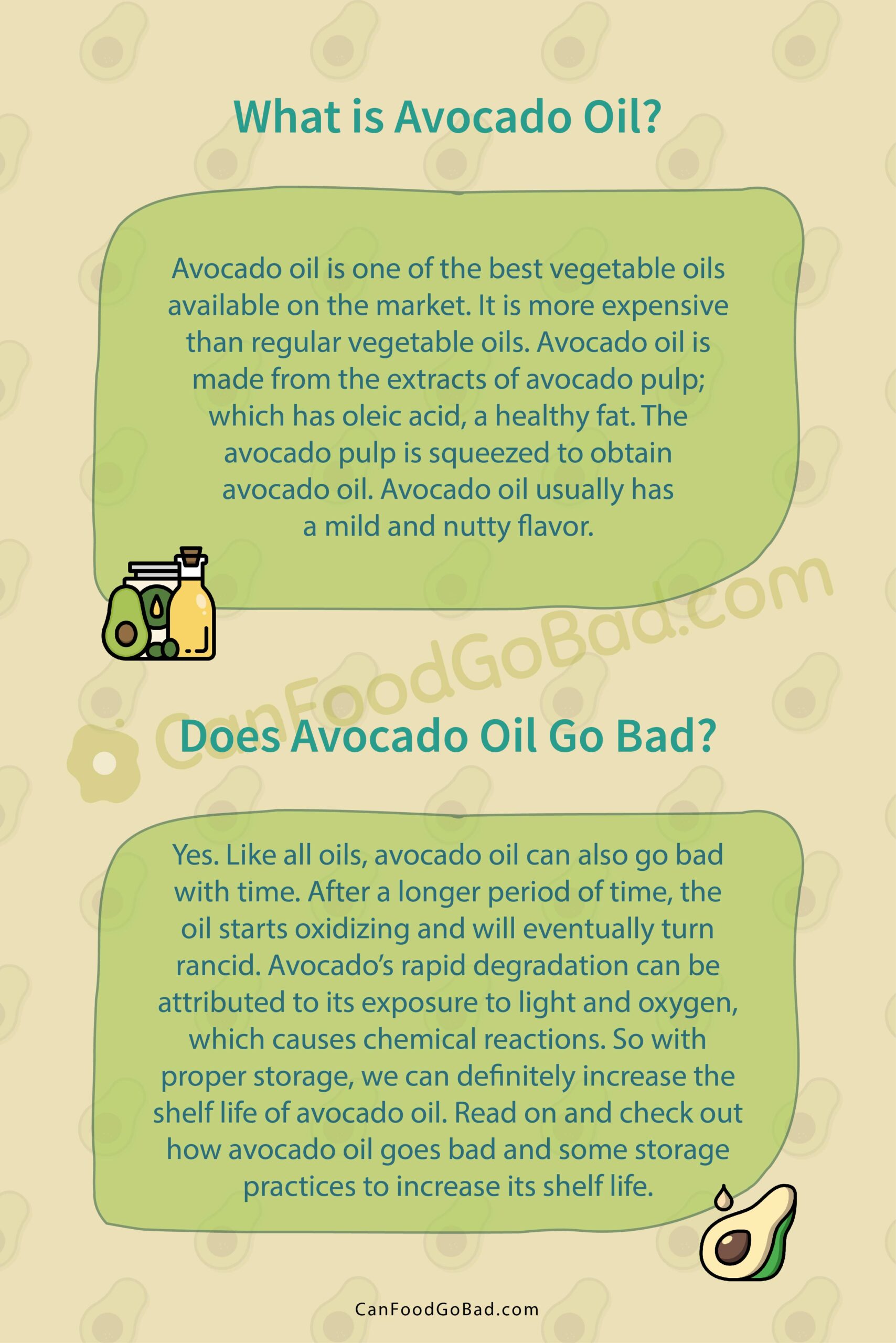
For decades, dietary fats were unfairly grouped into a single category of concern for cardiovascular health. However, as nutritional science has evolved, the distinction between "good" fats and "bad" fats has become the cornerstone of heart disease prevention. Avocado oil stands at the forefront of this shift. Derived from the pulp of the Persea americana fruit rather than the seed, it possesses a unique chemical composition that differentiates it from both animal fats and many other vegetable oils.
To understand why avocado oil is beneficial—and not detrimental—to cholesterol levels, we must look at the specific mechanisms by which its fatty acids and micronutrients interact with the human circulatory system.
The Science of Monounsaturated Fats and Heart Health
The primary reason avocado oil is recommended for cholesterol management is its high concentration of monounsaturated fatty acids (MUFAs). Approximately 70% of avocado oil consists of oleic acid, an omega-9 fatty acid also famously found in olive oil.
When MUFAs replace saturated fats (found in butter, lard, and high-fat meats) or trans fats in the diet, they have a profound effect on the lipid profile. Unlike saturated fats, which can downregulate LDL receptors in the liver—leading to higher levels of circulating cholesterol—MUFAs help keep these receptors active. This allows the liver to efficiently clear Low-Density Lipoprotein (LDL), often referred to as "bad" cholesterol, from the bloodstream.
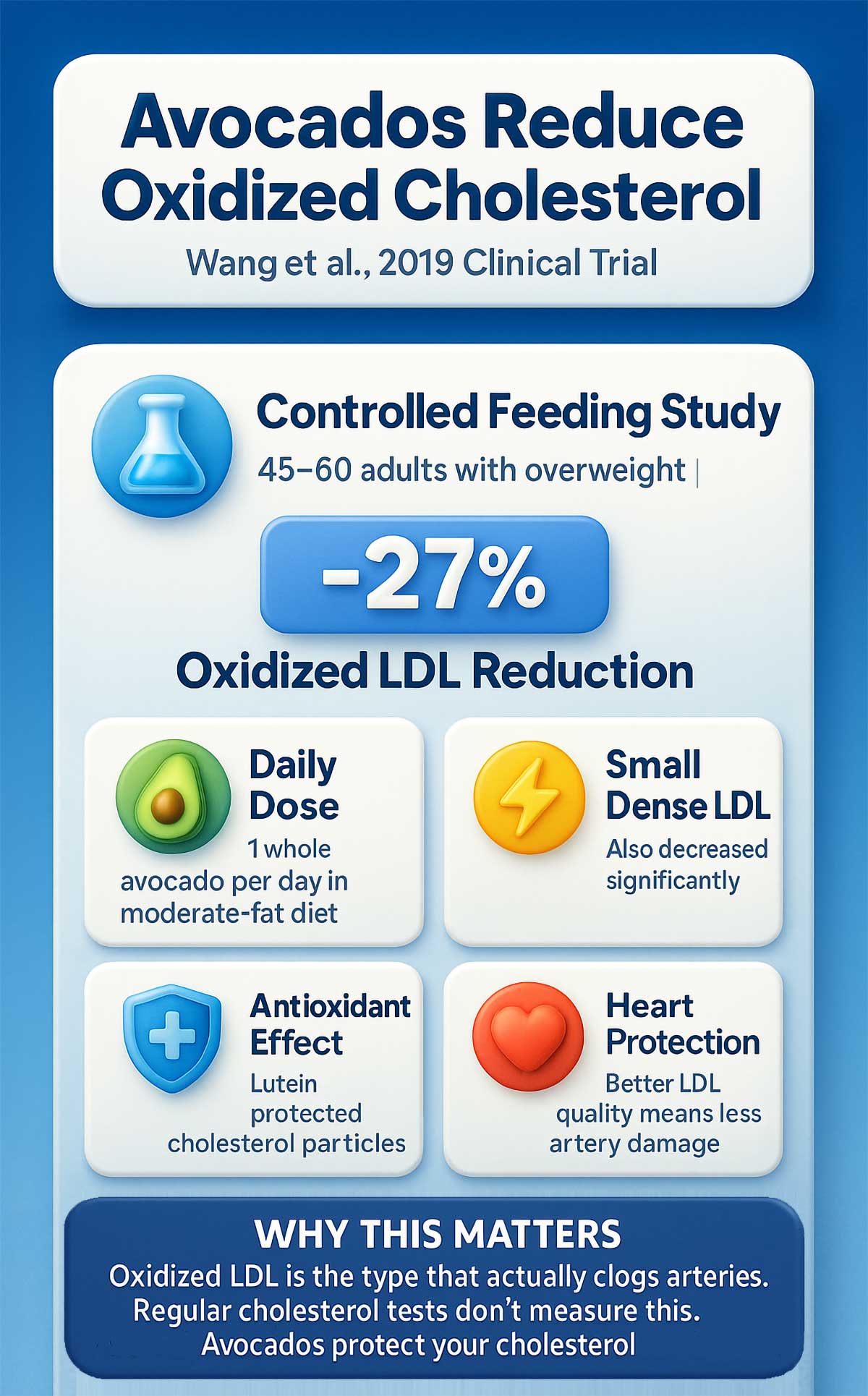
Furthermore, MUFAs are less prone to oxidation than polyunsaturated fats (PUFAs) found in some seed oils. This is a critical distinction because oxidized LDL is significantly more dangerous than standard LDL. When LDL particles oxidize, they are more likely to become trapped in the arterial walls, sparking an inflammatory response that leads to the formation of plaque (atherosclerosis). By providing a stable source of fat that resists oxidation, avocado oil helps protect the integrity of the cardiovascular system.
How Avocado Oil Modulates LDL and HDL Levels
Cholesterol management is not just about lowering a single number; it is about balancing the various components of the lipid profile. Clinical research has consistently shown that diets rich in avocado oil can lead to a more favorable "atherogenic index"—the ratio of total cholesterol to HDL cholesterol.
- LDL Reduction: Regular consumption of avocado oil has been shown to lower LDL cholesterol levels. This is achieved through the displacement of saturated fats and the direct action of oleic acid on lipid metabolism.
- HDL Maintenance or Increase: Unlike low-fat diets, which can sometimes inadvertently lower "good" High-Density Lipoprotein (HDL) cholesterol, MUFA-rich oils like avocado oil tend to maintain or even slightly increase HDL levels. HDL acts as a scavenger, picking up excess cholesterol from the blood and transporting it back to the liver for disposal.
- Triglyceride Lowering: Some studies suggest that replacing refined carbohydrates or saturated fats with MUFAs can help reduce blood triglycerides, another key marker for heart disease risk.
The American Heart Association continues to emphasize the importance of replacing "solid fats" with liquid vegetable oils, specifically highlighting those high in monounsaturated fats as a primary tool for managing blood lipids.
Phytosterols: The Hidden Hero in Avocado Oil
Beyond its fatty acid profile, avocado oil contains significant amounts of phytosterols, primarily beta-sitosterol. Phytosterols are plant-based compounds that are structurally similar to human cholesterol.
When you consume avocado oil, these phytosterols compete with cholesterol for absorption in the small intestine. Because the body’s "transport vehicles" (micelles) have a limited capacity, the presence of beta-sitosterol essentially "blocks" some of the dietary and biliary cholesterol from entering the bloodstream. Instead, the unabsorbed cholesterol is excreted from the body.
According to research published in the National Center for Biotechnology Information (NCBI), plant sterols can lower LDL cholesterol by up to 10-15% when consumed as part of a balanced diet. Avocado oil provides a natural, food-based source of these compounds, making it a functional food for those concerned about their lipid levels.
Smoke Point and Oxidative Stress: Why Stability Matters
A common mistake in heart-healthy cooking is using the right oil in the wrong way. An oil's "smoke point" is the temperature at which it begins to break down and smoke. When an oil passes its smoke point, its chemical structure changes, producing toxic fumes and harmful free radicals.
For cholesterol health, the stability of an oil under heat is paramount. If an oil oxidizes during cooking, it introduces inflammatory compounds into the body that can damage the lining of the blood vessels (the endothelium) and contribute to the oxidation of LDL cholesterol.
Avocado oil has one of the highest smoke points of any unrefined or refined plant oil:
- Unrefined (Extra Virgin) Avocado Oil: Approximately 350°F–400°F (177°C–204°C).
- Refined Avocado Oil: Up to 520°F (271°C).
This high thermal stability makes it safer for high-heat applications like searing, sautéing, and roasting than olive oil or butter. By preventing the formation of polar compounds and trans fats during the cooking process, avocado oil ensures that the heart-healthy benefits of the fat remain intact even after exposure to heat.
Comparing Avocado Oil to Other Common Fats
To understand the value of avocado oil for cholesterol, it is helpful to compare its nutritional profile against other common cooking fats.
| Fat Source | Saturated Fat (per 100g) | Monounsaturated Fat (per 100g) | Smoke Point (Approx.) | Impact on LDL |
|---|---|---|---|---|
| Avocado Oil | 12g | 70g | 520°F (Refined) | Lowers |
| Extra Virgin Olive Oil | 14g | 73g | 375°F–405°F | Lowers |
| Butter | 51g | 21g | 302°F | Increases |
| Coconut Oil | 82g | 6g | 350°F | Increases |
| Soybean Oil | 16g | 23g | 450°F | Neutral/Variable |
Data represents generalized averages for comparative purposes in 2026 dietary contexts.
While olive oil and avocado oil share similar MUFA profiles, avocado oil’s higher smoke point gives it a functional edge in the kitchen, particularly for those who wish to maintain a heart-healthy diet without sacrificing high-temperature cooking techniques.
The Importance of Purity and Extraction Methods
While the fatty acid profile of avocado oil is inherently "good" for cholesterol, the quality of the product you purchase in 2026 matters immensely. A significant issue in the edible oil market is adulteration and rancidity.
A landmark study from the UC Davis Olive Center revealed that a large percentage of avocado oils sold in the U.S. were either rancid before their expiration date or adulterated with cheaper, inflammatory oils like soybean or safflower oil. If an avocado oil is cut with high-omega-6 seed oils, it may not provide the same cardiovascular benefits, as an imbalance of omega-6 to omega-3 fatty acids can promote systemic inflammation.
Extra Virgin vs. Refined
- Extra Virgin Avocado Oil: Cold-pressed and unrefined. It retains the green color of the fruit and is rich in chlorophyll, Vitamin E, and carotenoids (like lutein). These antioxidants provide additional protection against the oxidation of cholesterol.
- Refined Avocado Oil: Processed to remove impurities and increase the smoke point. While it loses some of the delicate antioxidants and flavor, it remains a high-MUFA fat and is superior to other refined oils for high-heat cooking.
To ensure you are getting the cholesterol-lowering benefits, look for oils in dark glass bottles (to protect from light-induced oxidation) and check for third-party certifications or reputable brands that undergo purity testing.
Practical Guidance: Incorporating Avocado Oil for Heart Health
Managing cholesterol is about the "big picture" of the diet. Adding avocado oil to a diet already high in processed sugars and trans fats will yield limited results. However, as part of a Mediterranean-style or whole-food diet, it is a powerful tool.
Recommended Daily Usage
Most health organizations do not provide a specific "dose" for avocado oil, but replacing 2 tablespoons (approx. 28g) of saturated fat with unsaturated oils is a standard recommendation for lipid management.
Culinary Applications
- Cold Uses: Use extra virgin avocado oil in salad dressings or as a finishing oil for soups and grains to preserve its delicate antioxidants.
- Cooking: Use refined or high-quality avocado oil for sautéing vegetables, grilling lean proteins, or even baking as a substitute for butter.
- Homemade Mayo: Avocado oil is an excellent base for homemade mayonnaise, providing a creamy texture without the inflammatory seed oils found in commercial versions.
Frequently Asked Questions
Can avocado oil raise LDL cholesterol?
No, current evidence indicates that avocado oil does not raise LDL cholesterol. Because it is low in saturated fat and high in monounsaturated fats, it typically has the opposite effect. However, total caloric intake still matters; consuming excessive amounts of any oil can lead to weight gain, which indirectly affects metabolic health and cholesterol.
Is avocado oil better for cholesterol than olive oil?
They are remarkably similar in their lipid-lowering potential. Both are high in oleic acid. Avocado oil has a slight advantage in its higher smoke point and slightly higher phytosterol content, while olive oil has a longer history of clinical research (the Mediterranean Diet studies). Both are excellent choices for heart health.
Does avocado oil contain any cholesterol?
No. Cholesterol is a sterol found only in animal products. Avocado oil is 100% plant-derived and is naturally cholesterol-free.
Should I avoid avocado oil if I am on statins?
Generally, no. Avocado oil is a food, not a drug, and its consumption is typically encouraged for those on cholesterol-lowering medications as part of a heart-healthy diet. However, always consult your physician regarding specific dietary changes if you are on medication.
Does refining avocado oil remove its health benefits?
Refining removes some of the antioxidants (like Vitamin E) and pigments, but it does not significantly change the fatty acid profile. The monounsaturated fats (oleic acid) remain intact, meaning refined avocado oil still supports healthy cholesterol levels while offering a higher smoke point.
Final Recommendation
For individuals concerned about their lipid profiles, avocado oil is an ideal dietary fat. To maximize its benefits, use it as a direct replacement for fats high in saturated fatty acids, such as butter, coconut oil, and palm oil. When shopping, prioritize "Extra Virgin" or "Cold Pressed" options for dressings and low-heat cooking to benefit from the full spectrum of antioxidants, and use high-quality refined versions for high-heat applications. By stabilizing the lipid profile and reducing systemic inflammation, avocado oil serves as a cornerstone of a modern, heart-healthy lifestyle in 2026.
Image Gallery