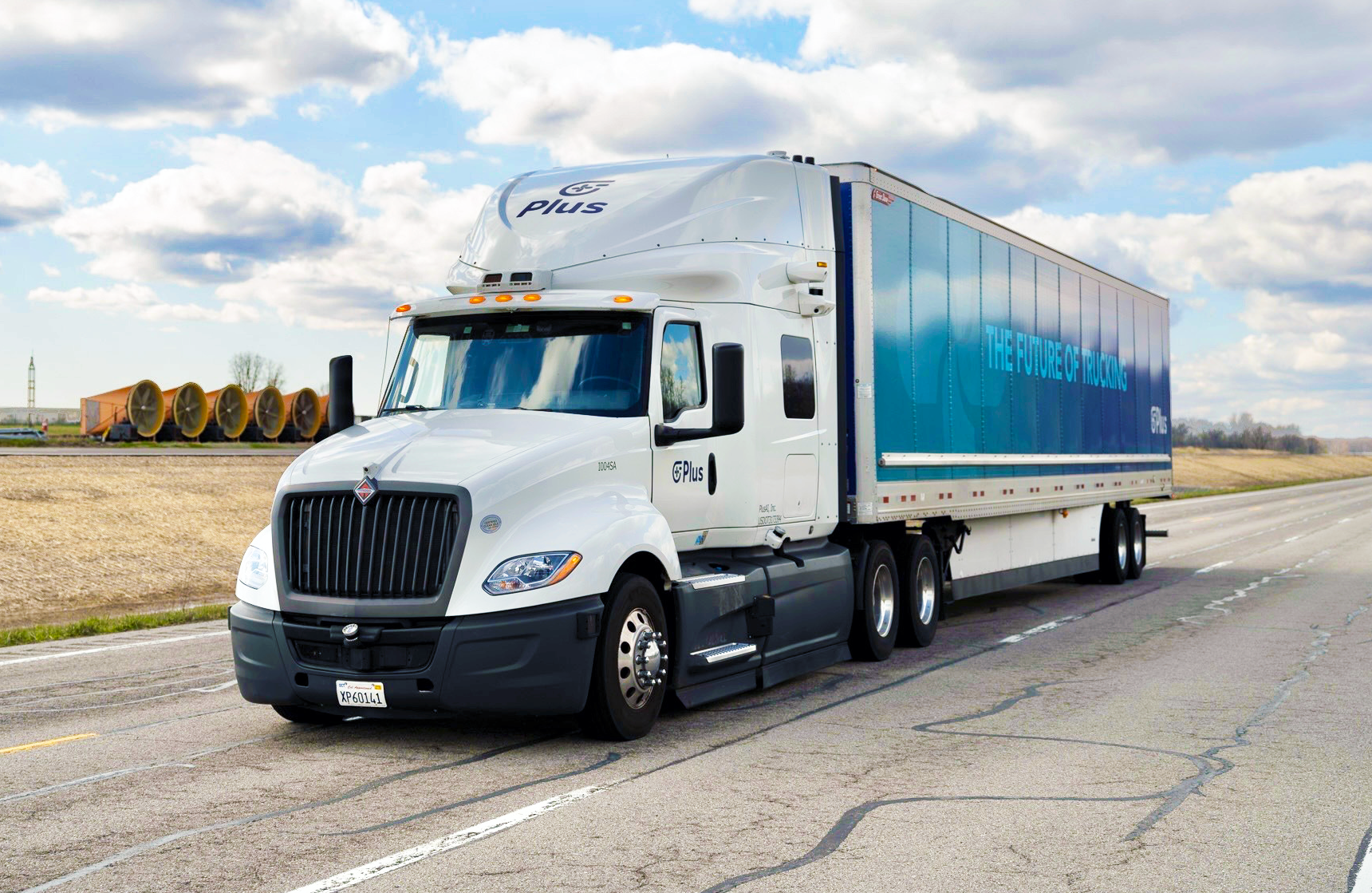
What Waabi Is Doing in Autonomous Trucking: The Shift to AI-First Logistics
Waabi is revolutionizing autonomous trucking by deploying an AI-first approach that replaces traditional, rule-based robotics with generative AI and high-fidelity simulation. By 2026, the company has transitioned from testing to commer...
Waabi is revolutionizing autonomous trucking by deploying an AI-first approach that replaces traditional, rule-based robotics with generative AI and high-fidelity simulation. By 2026, the company has transitioned from testing to commercial scaling, utilizing its "Waabi World" simulator to safely deploy driverless Class 8 trucks across major freight corridors.
Contents
The autonomous trucking industry has long been dominated by a "test-and-fix" mentality, where fleets of vehicles drive millions of miles on public roads to encounter rare "edge cases." Waabi, founded by AI pioneer Raquel Urtasun, has fundamentally rejected this legacy model. Instead, the company uses a foundation model for robotics, allowing the "Waabi Driver" to generalize its knowledge of the world rather than following a rigid script of "if-then" rules. This approach significantly reduces the time and cost required to reach commercial viability.
The Core Innovation: Generative AI for Physical Environments
At the heart of what Waabi is doing in autonomous trucking is the move away from traditional modular stacks. In older autonomous systems, different software modules handled perception (seeing), localization (knowing where you are), and planning (deciding what to do). If the perception module made a small error, that error would cascade through the system, often leading to unpredictable vehicle behavior.
Waabi utilizes a single, end-to-end trainable system known as a Foundation Model. This model does not just see the road; it understands the underlying physics and social behaviors of other drivers. In 2026, this technology is recognized as the "second generation" of autonomous driving, characterized by several key features:
- Closed-Loop Reasoning: The Waabi Driver can reason through complex scenarios, such as a construction zone with hand-signaling workers, by predicting how its own actions will influence the environment.
- Reduced Data Dependency: Unlike competitors that require petabytes of real-world driving data, Waabi’s generative AI learns primarily in simulation, requiring significantly less "on-road" training to achieve superior safety benchmarks.
- Interpretability: Despite being a deep learning system, Waabi has engineered its AI to be "interpretable," meaning engineers can trace the logic behind a specific maneuver, which is a critical requirement for regulatory compliance and safety audits.
Waabi World: The Virtual Proving Ground
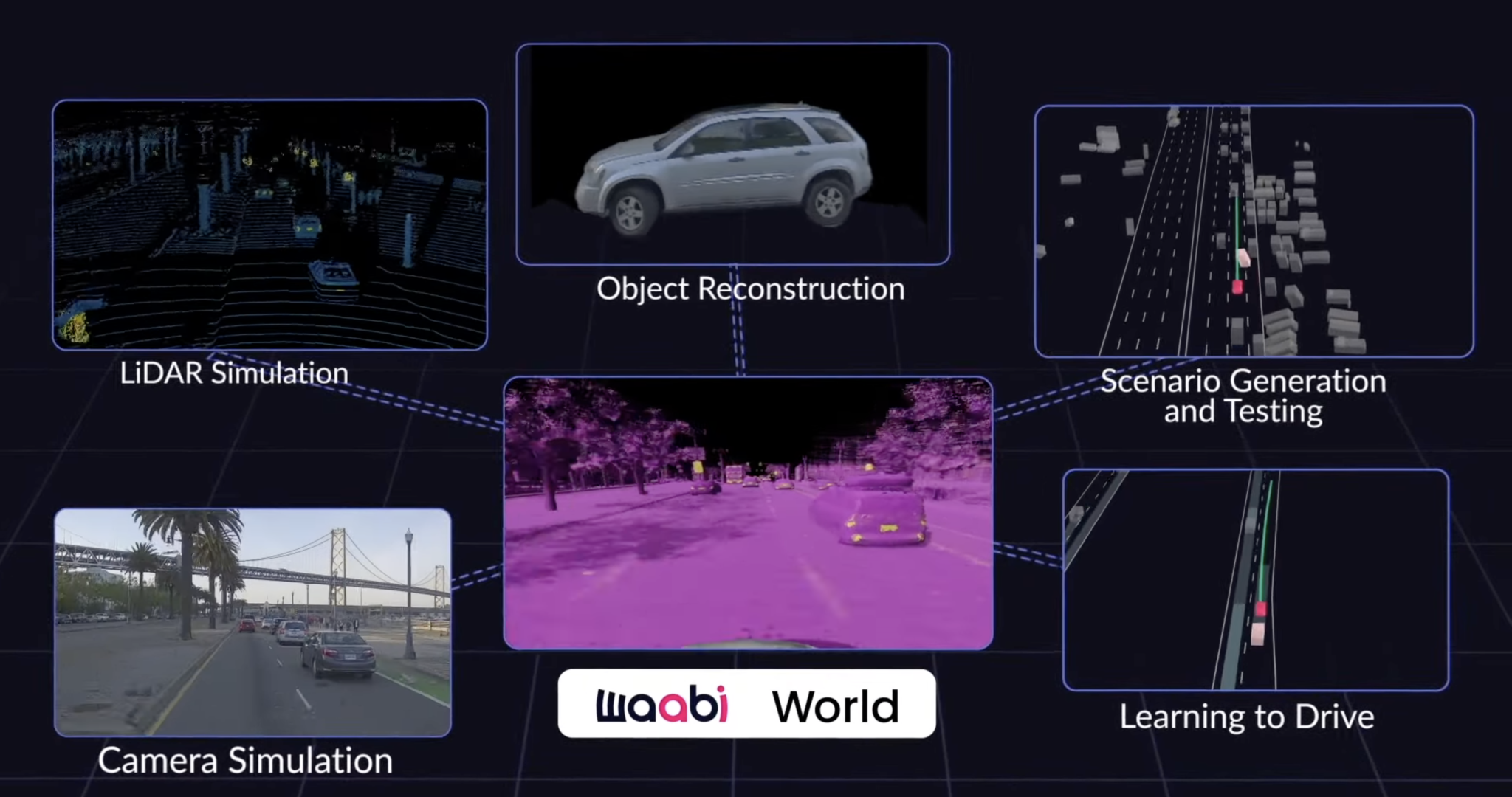
A significant portion of Waabi's success is attributed to Waabi World, arguably the most advanced simulator in the autonomous vehicle industry. Rather than using simulation just for testing, Waabi uses it as the primary classroom for its AI.
In 2026, Waabi World has reached a level of "digital twin" fidelity where the gap between simulation and reality (the "sim-to-real" gap) is virtually non-existent. This allows the company to:
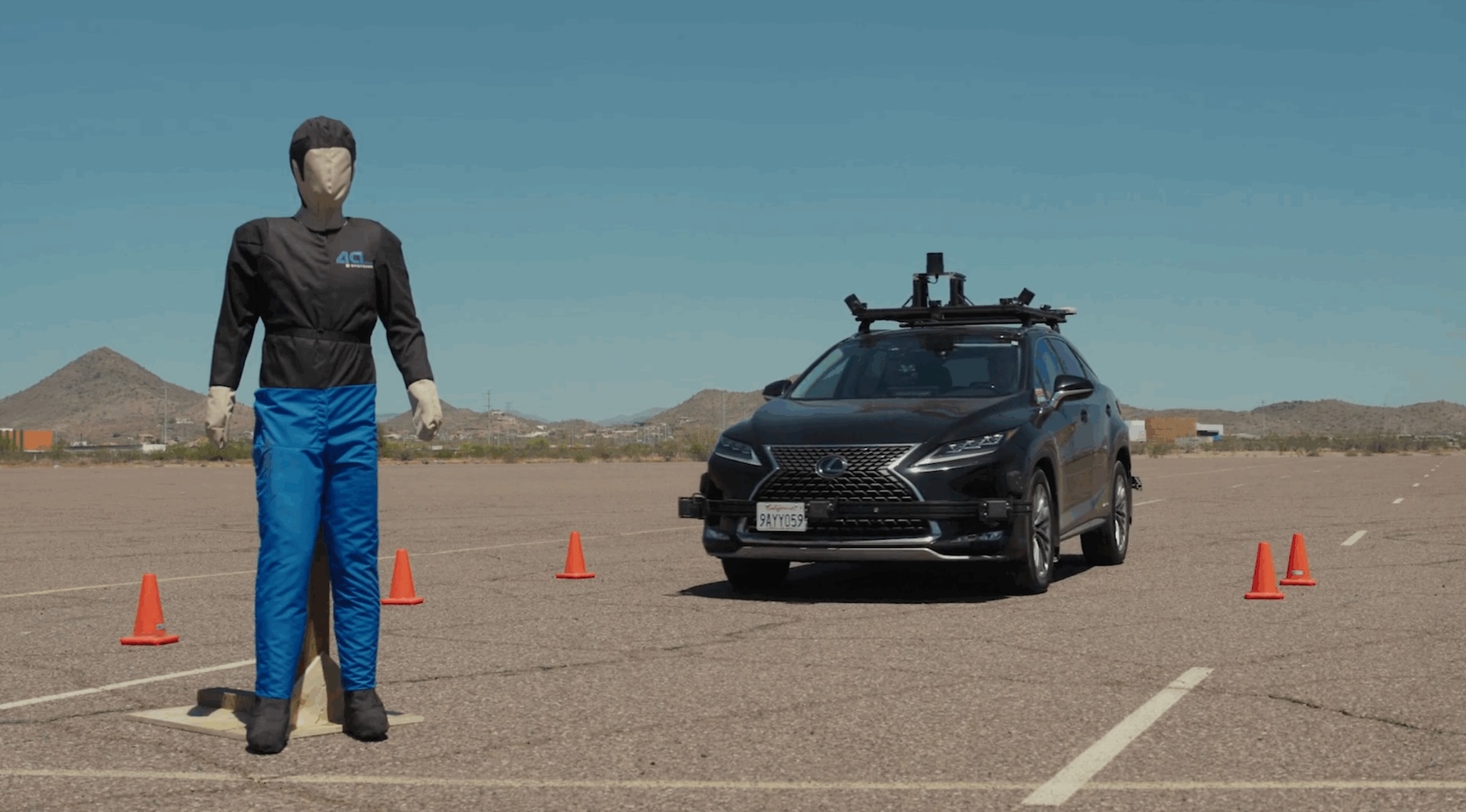
- Simulate Edge Cases at Scale: Waabi can program thousands of variations of a single dangerous event—such as a tire blowout at 70 mph or a pedestrian running onto a highway—and teach the AI to handle it before the truck ever touches asphalt.
- Automated Stress Testing: The simulator automatically identifies the AI's weaknesses and generates new scenarios to challenge those specific vulnerabilities.
- Cost Efficiency: By shifting 90% of development to the virtual world, Waabi avoids the massive overhead of maintaining hundreds of physical test vehicles and the safety risks associated with high-speed highway testing.
Strategic Partnerships and Commercial Scaling
Waabi’s strategy isn't just about software; it’s about integration into the existing logistics ecosystem. In 2026, the company’s commercial roadmap is defined by its deep collaboration with Uber Freight and major truck OEMs (Original Equipment Manufacturers).
The Uber Freight Integration
Waabi has entered a multi-year strategic partnership with Uber Freight to provide "Driver-as-a-Service." This model allows carriers to purchase trucks equipped with the Waabi Driver and instantly deploy them on the Uber Freight network. This partnership solves the two biggest hurdles for autonomous trucking: finding consistent freight volume and managing the physical hand-offs between autonomous and human drivers.
Hardware-Agnostic Philosophy
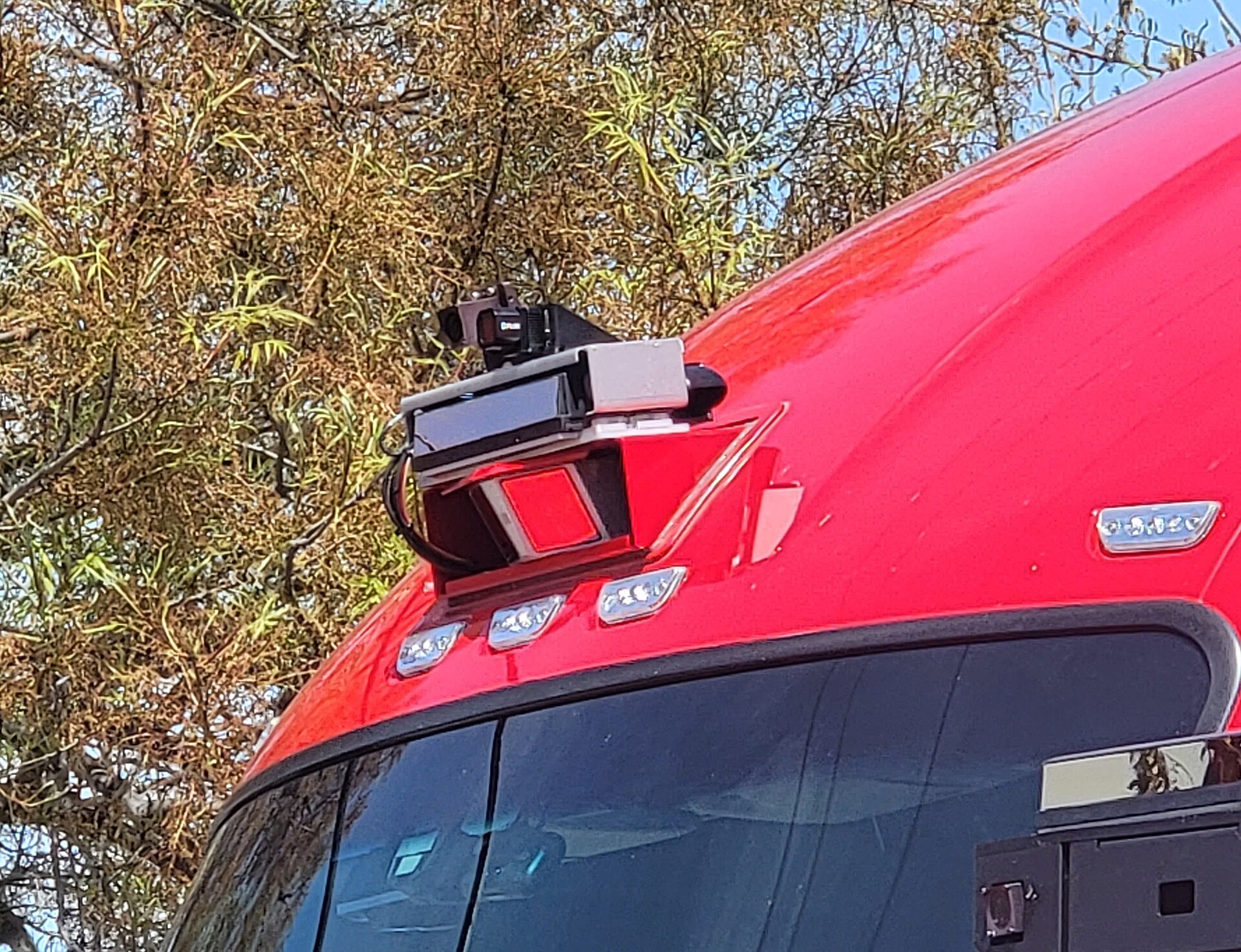
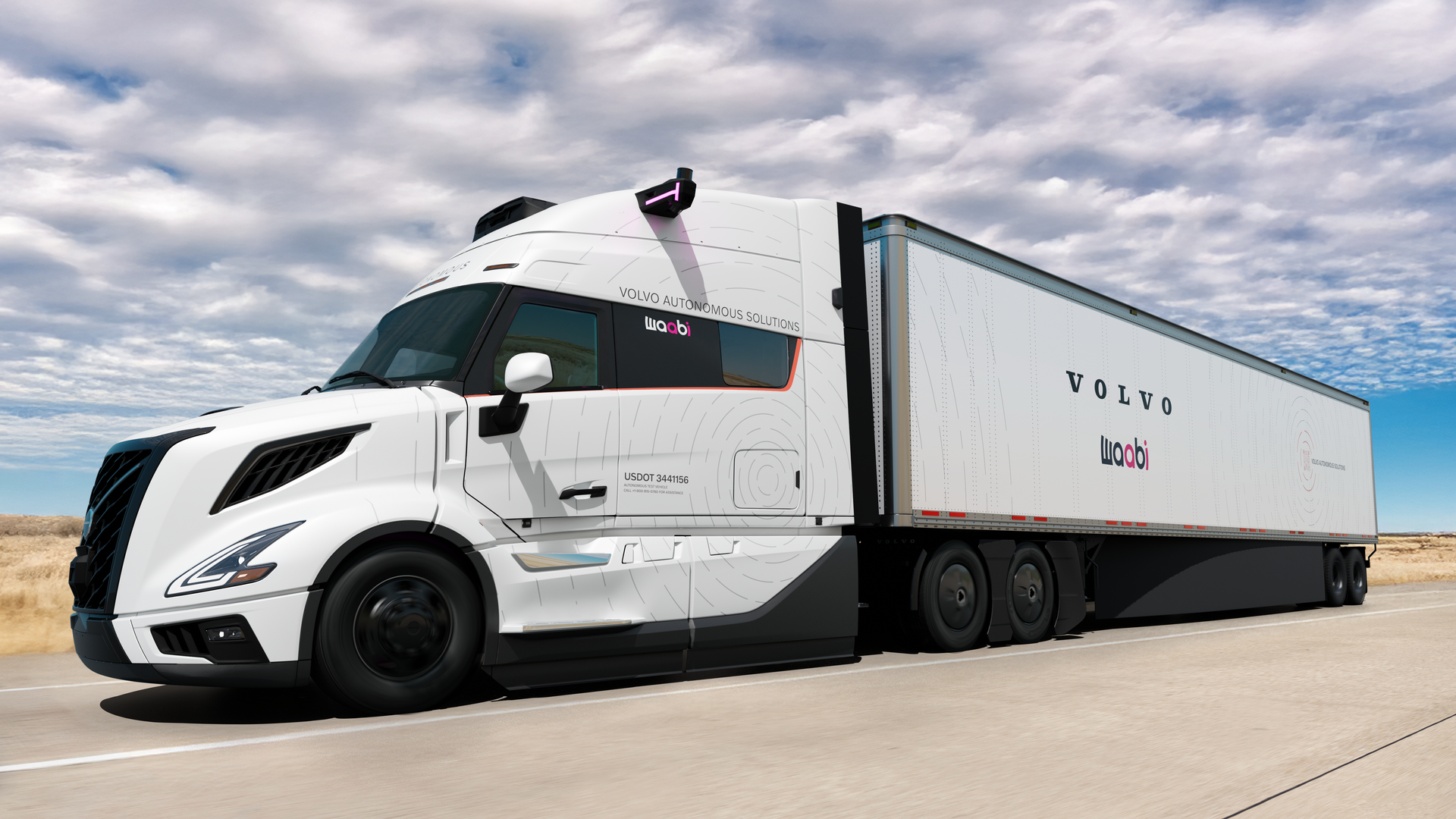
While Waabi works closely with hardware partners like NVIDIA, using the DRIVE Thor centralized computer for its massive processing needs, the Waabi Driver is designed to be integrated into various Class 8 truck platforms. This flexibility allows fleet owners to choose the vehicle brand that best fits their maintenance and fuel-efficiency needs while still utilizing Waabi's autonomous intelligence.
Comparison: Waabi vs. Traditional Autonomous Trucking Stacks
To understand why Waabi is gaining ground in 2026, it is helpful to compare its "AI-first" methodology against the rule-based systems used by early industry pioneers.
| Feature | Traditional Autonomous Systems | Waabi's AI-First System |
|---|---|---|
| Primary Learning Environment | Millions of real-world road miles | High-fidelity virtual simulation (Waabi World) |
| Software Architecture | Modular (Perception $\rightarrow$ Planning $\rightarrow$ Control) | End-to-end Foundation Model |
| Handling Edge Cases | Manual coding for each new scenario | Generative AI generalizes from learned physics |
| Hardware Requirements | High-density, expensive sensor suites | Optimized sensor fusion with high-compute AI |
| Development Speed | Slow; limited by physical fleet size | Rapid; limited only by cloud computing power |
| Safety Validation | Statistical (Miles per Intervention) | Verification & Validation in closed-loop sim |
Safety and Regulatory Compliance in 2026
Safety remains the primary barrier to the widespread adoption of autonomous trucking. Waabi’s approach to safety is built on Verification and Validation (V&V) through simulation. In 2026, the company has successfully demonstrated to the Department of Transportation (DOT) and the Federal Motor Carrier Safety Administration (FMCSA) that its virtual testing is a mathematically sound predictor of real-world performance.
The Waabi Driver employs a "Safety Shield" architecture. This is a separate, simpler monitor that sits on top of the AI. If the AI proposes a maneuver that violates safety parameters—such as following too closely or making an unsafe lane change—the Safety Shield overrides the command and brings the truck to a safe state. This dual-layer approach provides the "fail-safe" mechanism necessary for driverless operations on public highways.
The Operational Rollout: The Texas Triangle and Beyond
As of 2026, Waabi has concentrated its initial driverless operations in the Texas Triangle (Dallas, Houston, San Antonio). This region offers a combination of high freight volume, favorable weather, and a supportive regulatory environment.
The current operational model involves:
- Hub-to-Hub Transport: Autonomous trucks handle the long-haul highway segments between logistics hubs located near major highway exits.
- Human Hand-off: Human drivers handle the "first and last mile," moving trailers from the hub to the final urban destination, where driving environments are more chaotic and less predictable.
- 24/7 Operations: Unlike human drivers, who are limited by Hours of Service (HOS) regulations, Waabi-powered trucks operate nearly 24 hours a day, stopping only for refueling and inspections.
Frequently Asked Questions
Is Waabi currently operating without a human driver?
By 2026, Waabi has begun "driver-out" (fully autonomous) operations on specific, high-volume commercial lanes in the southern United States. These routes are pre-mapped and rigorously validated in Waabi World before the safety driver is removed. In most other regions, safety drivers remain in the cab to monitor the system as it collects data for future validation.
How does Waabi handle extreme weather like snow or heavy rain?
Waabi uses generative AI to simulate degraded sensor performance caused by snow, spray, or fog. The system is trained to recognize when its sensors are compromised and will proactively reduce speed or pull over if conditions exceed its "Operational Design Domain" (ODD). This is a significant advantage over rule-based systems that may struggle to interpret "noisy" sensor data.
Who owns the trucks that use the Waabi Driver?
Waabi primarily operates on a "subscription" or "per-mile" licensing model. Logistics companies and carriers own or lease the physical trucks, while Waabi provides the autonomous software, hardware sensors, and continuous over-the-air updates.
What is the role of NVIDIA in Waabi's technology?
Waabi utilizes the NVIDIA DRIVE Thor platform, which is a high-performance computer designed specifically for generative AI in automotive applications. This hardware provides the massive computational power required to run Waabi's foundation models in real-time on a heavy-duty truck.
How does Waabi's approach lower the cost of freight?
By removing the constraints of Hours of Service and increasing fuel efficiency through optimized driving patterns, Waabi-powered trucks can reduce the total cost of ownership (TCO) for fleets by an estimated 30-40%. Additionally, the reliance on simulation reduces the massive R&D costs typically passed on to the customer.
Next Steps for Fleet Operators and Partners
For logistics companies looking to integrate autonomous technology, the transition to Waabi's system requires an assessment of current "lane compatibility." Fleet operators should focus on identifying high-volume, highway-heavy routes that align with Waabi’s current Operational Design Domain. Engaging with the Uber Freight network is currently the most direct path for smaller carriers to access Waabi’s autonomous capacity without the need for massive upfront capital investment in proprietary infrastructure.
Image Gallery