Understanding BLM Insurance: Life Insurance Options for Employees and Advocacy Groups
Navigating the term "BLM insurance" regarding life insurance generally points to two primary areas: the federal benefits provided to employees of the Bureau of Land Management (BLM) and the specialized insurance advocacy initiatives wi...
Navigating the term "BLM insurance" regarding life insurance generally points to two primary areas: the federal benefits provided to employees of the Bureau of Land Management (BLM) and the specialized insurance advocacy initiatives within the Black Lives Matter (BLM) movement focused on closing the racial wealth gap. For employees, this involves managing Federal Employees' Group Life Insurance (FEGLI) options, while for advocacy contexts, it involves identifying equitable private policies that prioritize community stability and generational wealth.
Contents
The Landscape of BLM Life Insurance in 2026
By 2026, the landscape of insurance has shifted toward greater transparency and digital integration. For those associated with the Bureau of Land Management, a division of the U.S. Department of the Interior, life insurance is a cornerstone of a comprehensive federal benefits package. For those looking through the lens of social advocacy, "BLM insurance" represents a movement toward ensuring that Black families have access to the same financial protections and wealth-building tools that have historically been less accessible to minority communities.
The primary challenge for most individuals is determining which "BLM" context applies to their needs. If you are a federal employee, your options are strictly regulated by the Office of Personnel Management (OPM). If you are seeking insurance as part of a social equity initiative, your options reside in the private market through carriers that have committed to equitable underwriting practices.
Life Insurance Options for Bureau of Land Management Employees
As federal employees, BLM staff members are eligible for the Federal Employees' Group Life Insurance (FEGLI) program. This is the largest group life insurance program in the world, covering over four million federal employees and retirees. In 2026, the structure remains divided into "Basic" coverage and three "Optional" tiers.
1. Basic Insurance Coverage
Basic coverage is the default option for most BLM employees unless they specifically waive it. The cost is shared between the employee and the federal government, with the government paying one-third of the total cost.
- Coverage Amount: Your annual rate of basic pay, rounded up to the nearest $1,000, plus an additional $2,000.
- Extra Benefit: For employees under age 45, there is an "Extra Benefit" that doubles the amount of Basic insurance at no additional cost. This benefit decreases by 10% each year starting at age 36 until it terminates at age 45.
2. Option A – Standard Coverage
Option A provides a flat $10,000 of additional coverage. While the amount is relatively low compared to modern cost-of-living standards in 2026, it serves as a low-cost supplement for final expenses. Unlike Basic coverage, the employee pays 100% of the premium for Option A.
3. Option B – Additional Coverage
Option B is the most flexible tool for BLM employees to protect their families. It allows you to choose coverage in multiples of your annual pay (1, 2, 3, 4, or 5 times your salary).
- Cost Factor: Premiums for Option B are age-banded. As you move into a higher five-year age bracket (e.g., 40 to 45), your premiums increase significantly.
- Strategic Use: Many employees use Option B during their high-liability years (mortgages, children in college) and reduce the multiples as they approach retirement to manage costs.
4. Option C – Family Coverage
Option C covers your spouse and eligible dependent children. You can choose up to five multiples of coverage. Each multiple equals $5,000 for a spouse and $2,500 for each child.
Comparing FEGLI and Private Insurance for BLM Staff
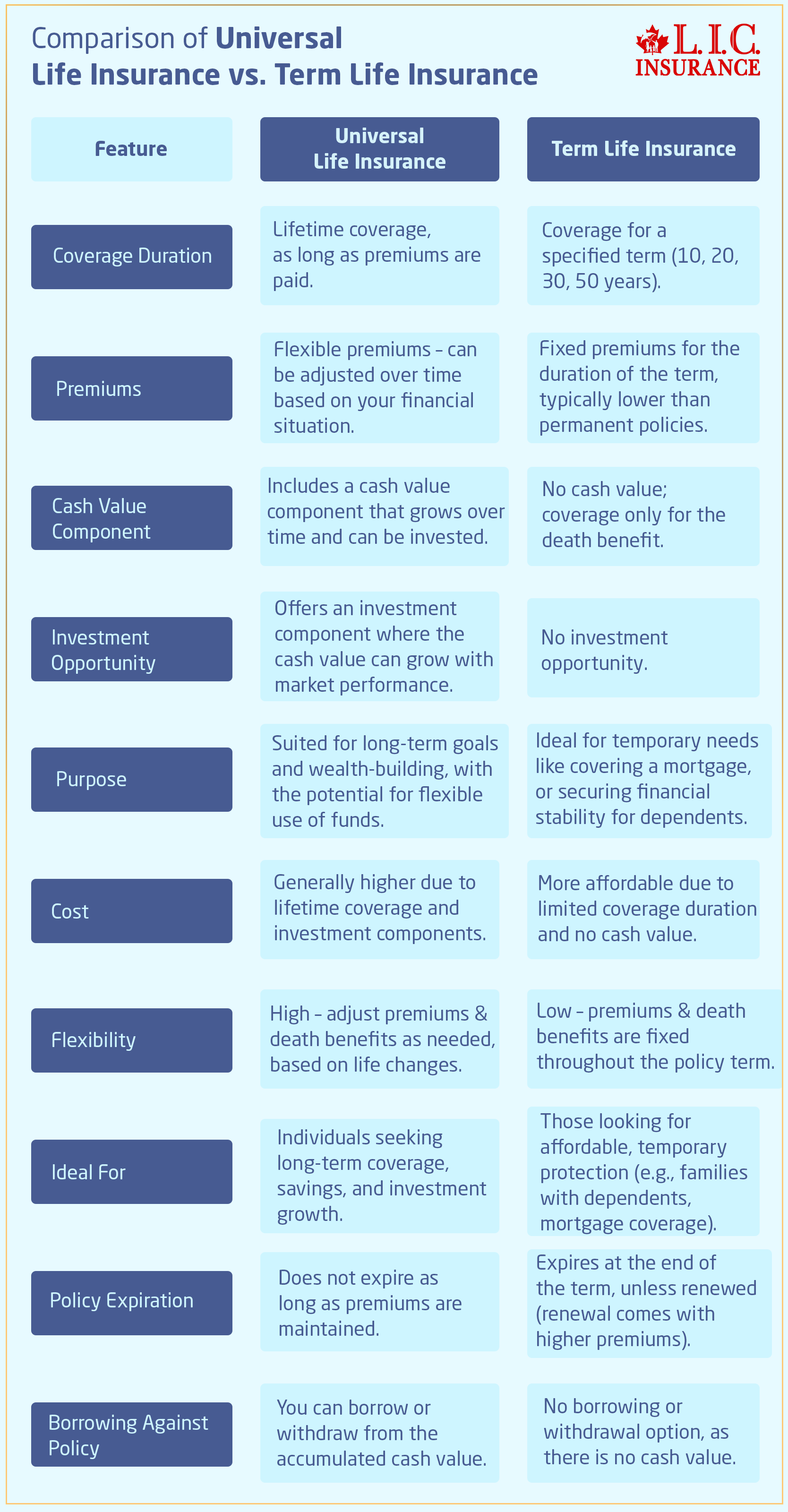
While FEGLI is convenient because there is no medical exam required for initial enrollment, it is not always the most cost-effective option for healthy employees in 2026. Private term life insurance can often provide higher death benefits for lower monthly premiums, especially for non-smokers.
| Feature | FEGLI (Basic + Options) | Private Term Life Insurance |
|---|---|---|
| Medical Underwriting | None (if enrolled at hire) | Required (usually) |
| Portability | Limited (rules for retirement) | High (independent of employer) |
| Cost Growth | Increases every 5 years | Fixed for the term (10-30 years) |
| Spouse/Child Coverage | Small fixed amounts (Option C) | High limits available |
| Ownership | Group policy (Employer-held) | Individual policy (You own it) |
Insurance Advocacy: Black Life Insurance and Social Equity
Beyond federal employment, the phrase "BLM insurance" is frequently used in the context of the Black Lives Matter movement’s focus on financial justice. In 2026, this manifests as a drive toward "Black Life Insurance Matters" initiatives, which aim to address the fact that Black families are often under-insured or targeted by high-cost, low-value "burial policies" rather than wealth-generating permanent life insurance.
Closing the Racial Wealth Gap
Life insurance is one of the most effective tools for transferring untaxed wealth to the next generation. Advocacy groups emphasize the transition from term insurance (which provides a temporary safety net) to permanent insurance products like Whole Life or Indexed Universal Life (IUL). These products can accumulate cash value that policyholders can borrow against to fund businesses, education, or real estate—key components of community development.
Identifying Equitable Carriers
In 2026, several major insurance carriers have updated their underwriting algorithms to remove proxies for race that previously led to higher premiums for minority applicants. When searching for options in this category, look for:
- Community-Focused Agencies: Independent agencies that specialize in serving underserved demographics.
- Mutual Insurance Companies: These are owned by policyholders rather than shareholders, often leading to better long-term dividends on permanent policies.
- Transparent Underwriting: Carriers that provide clear reasons for "table ratings" (higher premiums) and offer pathways to improve those ratings through health wellness programs.
Key Considerations for Choosing Your Coverage
Whether you are a BLM employee or an individual looking for equitable private coverage, you must evaluate your "Life Insurance Gap." This is the difference between your current assets and the financial needs of your survivors.
- Debt Obligations: Calculate your mortgage, car loans, and credit card balances.
- Income Replacement: Multiply your annual salary by the number of years you want to provide support (often 10–20 years).
- Educational Costs: If you have children, factor in the projected cost of tuition in 2026 and beyond.
- Inflation Adjustment: Ensure your coverage amount accounts for the decreased purchasing power of the dollar over time.
For Bureau of Land Management employees, a common mistake is relying solely on FEGLI Basic. In 2026, $50,000 or $100,000 of coverage rarely covers a modern mortgage and educational expenses. Supplementing with a private 20-year term policy is a frequent recommendation by financial advisors to lock in lower rates.
Frequently Asked Questions
Can I keep my BLM federal life insurance after I retire?
Yes, you can carry your FEGLI coverage into retirement if you have been enrolled for the five years of service immediately preceding retirement. However, you must choose whether to maintain the full value (which is expensive) or allow the coverage to reduce by 75% at age 65, which significantly lowers the premium.
Is "BLM insurance" a specific company I can buy from?
No, "BLM" is not a standalone insurance carrier. It refers either to the Bureau of Land Management employee benefits or to a social movement regarding insurance equity. If you see a company using this acronym, verify their credentials through the National Association of Insurance Commissioners (NAIC).
What are the medical requirements for BLM employee insurance?
If you enroll within 60 days of being hired by the Bureau of Land Management, there is no medical exam or health questionnaire. This is a significant advantage for those with pre-existing conditions. However, if you wait for an "Open Season" or try to enroll later, you may be required to undergo a medical review.
Why are premiums for Option B so expensive for older employees?
Option B is "attain-age" rated. This means as the statistical likelihood of death increases with age, the premiums increase to reflect that risk. By age 55 or 60, many federal employees find Option B premiums to be cost-prohibitive and choose to switch to a private policy with a fixed rate or reduce their coverage multiples.
How does life insurance help with the Black wealth gap?
Life insurance provides an immediate estate. For families who have not had generations to accumulate property or stocks, a life insurance death benefit creates a "financial floor." This allows the next generation to start with capital rather than debt, facilitating the purchase of homes or funding of higher education.
Final Recommendation
If you are an employee of the Bureau of Land Management, your first action should be to log into the Employee Express portal or contact your HR representative to review your current FEGLI elections. Given the 2026 economic environment, ensure your Option B multiples are sufficient for your current family needs.
If your interest in "BLM insurance" is rooted in advocacy and equity, seek out a financial advisor who specializes in "socially responsible investing" (SRI) and equitable insurance planning. Focus on permanent life insurance options that offer cash value accumulation to ensure your policy serves as a living benefit as well as a death benefit. Always compare quotes from at least three different carriers to ensure you are receiving the most competitive rates available in the current market.
Image Gallery