A Comprehensive Guide to Renewing Insurance for the Dietrichsons Cars
Renewing insurance for the Dietrichsons cars requires a systematic review of the existing policy terms, current vehicle valuations, and any changes in usage or risk factors. To ensure seamless coverage, owners must verify that their po...
Renewing insurance for the Dietrichsons cars requires a systematic review of the existing policy terms, current vehicle valuations, and any changes in usage or risk factors. To ensure seamless coverage, owners must verify that their policy details, such as driver eligibility, mileage limitations, and coverage levels, remain aligned with their needs before the renewal deadline.
Contents
Understanding the Renewal Lifecycle
Insurance renewal is the process by which a policyholder extends their current coverage beyond the expiration date of their existing contract. For high-value or multi-vehicle fleets like the Dietrichsons cars, this is not merely a administrative formality but a critical opportunity to re-evaluate the protection levels of your assets.
In 2026, the insurance landscape remains highly sensitive to market fluctuations and risk assessment methodologies. When a renewal notice arrives, it typically outlines the premium for the upcoming term. However, accepting this offer at face value without a review can lead to paying for coverage that no longer matches the current physical or legal status of the vehicles.
Prerequisites for Renewal
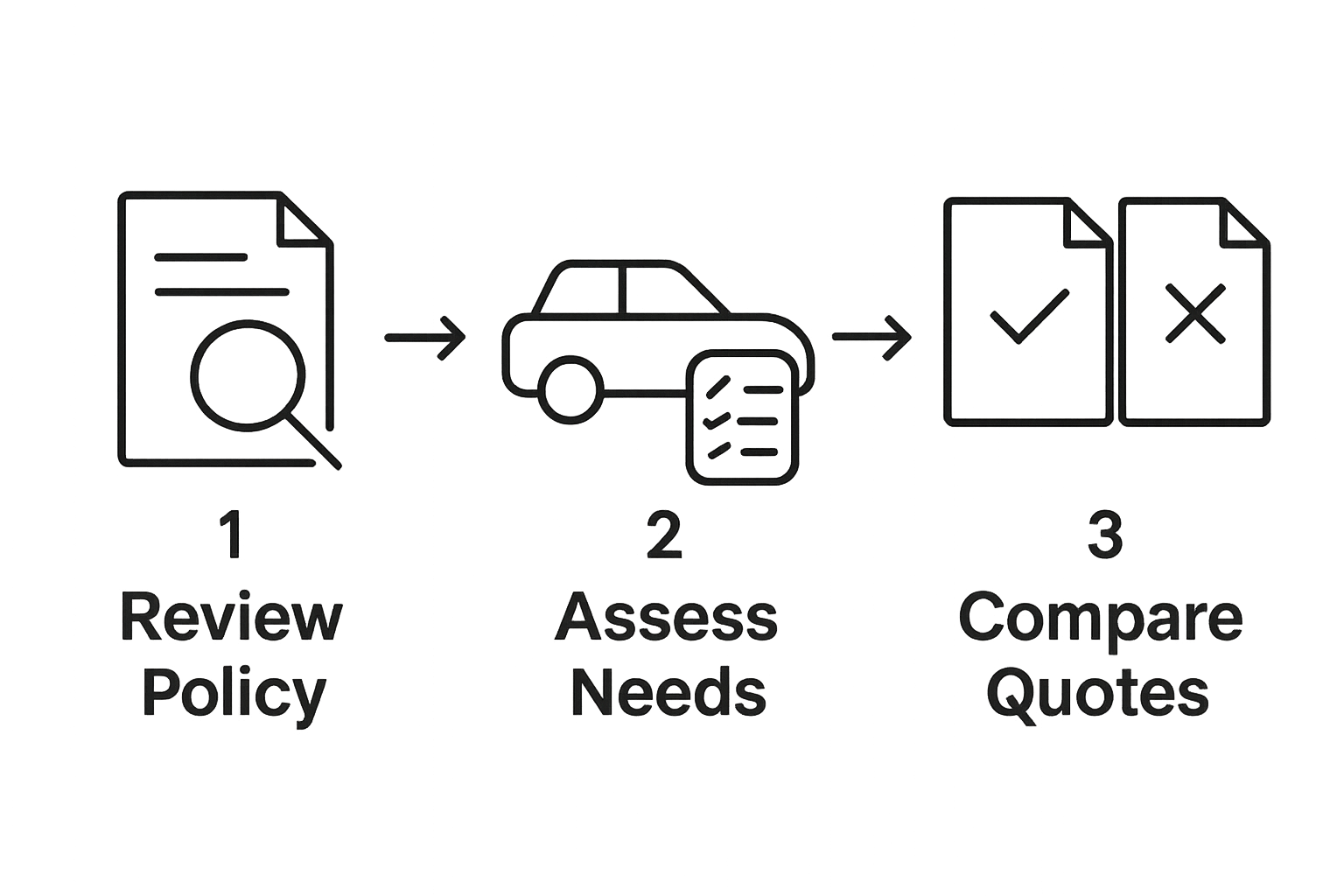
Before committing to a renewal, you must gather specific information to conduct an accurate assessment. This preparation prevents under-insurance or over-payment.
- Review Current Coverage Documents: Locate your existing policy declaration page. This document lists the exact coverages, deductibles, and endorsements currently in place.
- Document Vehicle Changes: Have any of the cars undergone significant modifications, such as performance tuning or aftermarket aesthetic enhancements? If so, these may require a change in the insured value to ensure you are not under-insured in the event of a total loss.
- Analyze Usage Trends: If the annual mileage for any specific car has changed significantly since the last policy period, notify your insurer. This can potentially lower premiums if usage has decreased, or protect against claim denials if usage has increased beyond agreed-upon limits.
- Identify Driver Updates: Ensure that the list of authorized drivers on the policy remains current. If new drivers have been added to the household or if a previously listed driver no longer operates the vehicles, updating this information is vital for accurate premium calculation.
Navigating the Renewal Process
The renewal process generally follows a predictable path, but for distinct entities or complex collections like the Dietrichsons cars, extra diligence is required.
Step 1: Evaluating the Premium Statement
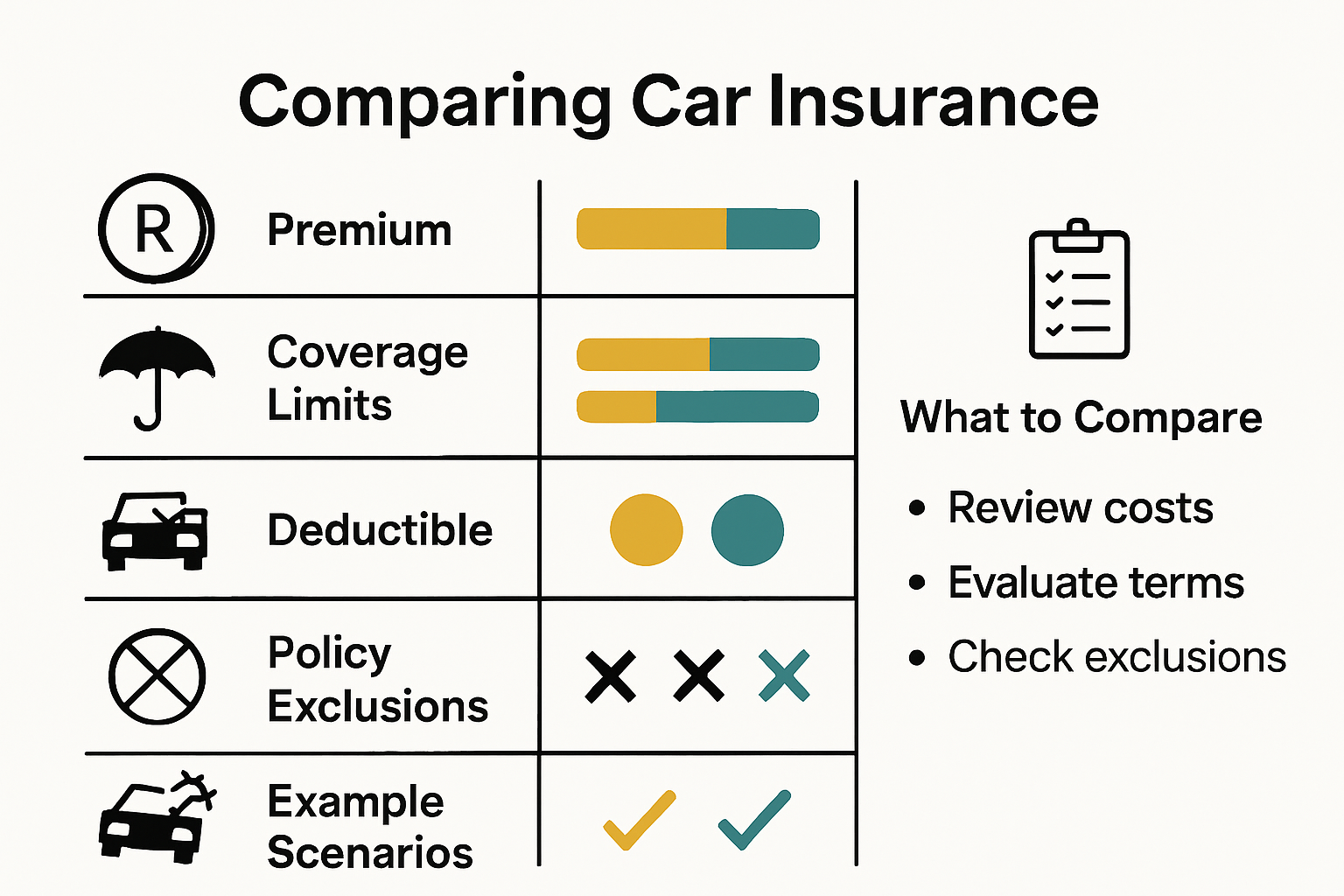
Upon receiving your renewal offer, compare the quoted premium against your previous year’s costs. A significant jump in price may be due to market trends, but it can also stem from an incorrect risk profile. Verify that all discounts—such as multi-car, anti-theft system, or safe driving discounts—are still applied correctly.
Step 2: Verification of Coverage Levels
Examine the liability limits and comprehensive coverage. As the automotive industry evolves in 2026, the cost of repairing advanced driver-assistance systems (ADAS) or specialized components has risen. Ensure that your liability coverage is sufficient to protect your assets in the event of a major litigation or accident.
Step 3: Negotiating and Adjusting
If the quoted renewal premium is higher than expected, consult with your insurance broker. Provide documentation of any risk-mitigation measures taken, such as storing the cars in a climate-controlled, secure garage or installing advanced tracking technology. These factors can often serve as leverage for premium adjustments.
Step 4: Finalizing the Agreement
Once the terms are agreed upon, ensure the payment is processed before the expiration date. A lapse in coverage can result in increased future premiums, loss of "continuous coverage" discounts, and, in many jurisdictions, legal penalties for driving uninsured.
Comparison of Coverage Options
When managing a collection of vehicles, the type of insurance policy selected can significantly impact the ease of the renewal process.
| Policy Type | Best For | Renewal Complexity | Coverage Scope |
|---|---|---|---|
| Standard Auto | Daily drivers | Low | Standard market value |
| Collector/Agreed Value | High-value, rare cars | Moderate | Fixed value set at policy inception |
| Fleet Policy | Multiple luxury vehicles | Low (Single date) | Consolidated administration |
Common Mistakes to Avoid
Many policyholders fall into the trap of "auto-renewing" without scrutiny. Avoid these common pitfalls to maintain effective coverage:
- Ignoring Policy Endorsements: Many policies contain specific clauses that exclude coverage if the vehicle is used for certain activities, such as track days or business-related transportation. Always review these exclusions before renewing.
- Failure to Update Valuations: In the event of a total loss, standard policies may only pay "Actual Cash Value" (ACV), which accounts for depreciation. If the Dietrichsons cars include classic or custom vehicles, ensure your policy uses "Agreed Value" to avoid significant financial loss.
- Overlooking Administrative Gaps: When managing multiple cars, ensure they all share the same renewal date if possible. This simplifies your record-keeping and reduces the risk of forgetting to renew an individual policy.
Handling Specialized Requirements
For vehicles that possess unique technical requirements or historical significance, standard insurance providers may not be sufficient. In such cases, specialized underwriting is necessary. Ensure that any appraisal documents are updated every 24 to 36 months. Insurers may refuse to renew coverage or may default to a lower valuation if current professional appraisals are not on file.
Furthermore, if the Dietrichsons cars are located in areas prone to specific environmental risks—such as flooding, wildfires, or high-crime zones—ensure that the renewal accounts for specific riders or endorsements that cover these peril-specific losses.
Frequently Asked Questions
How far in advance should I start the renewal process? Begin reviewing your renewal documentation at least 30 to 45 days before the policy expiration date. This provides sufficient time to gather documentation, compare quotes from other providers, and negotiate terms if the current offer is unsatisfactory.
Does renewing my insurance require a new vehicle inspection? Generally, inspections are only required if you are adding a new vehicle to the policy or increasing the agreed-upon value significantly. However, some insurers may mandate periodic inspections for high-value collections every few years to verify the condition of the assets.
Can I bundle the insurance for all Dietrichsons cars? Yes, most insurers offer fleet or multi-vehicle policies. Bundling can simplify the renewal process by providing a single premium notice and renewal date for the entire collection, often resulting in lower aggregate premiums.
What happens if I miss the renewal deadline? Missing the deadline results in a lapse of coverage. This is dangerous, as you become personally liable for any damages or injuries caused while the car is uninsured. Additionally, insurers may charge a "reinstatement fee" or treat you as a new applicant, which can lead to higher base rates.
Is the renewal price set in stone? No. While many insurers use automated algorithms to set rates, you have the right to request a review of your profile. If you have installed new security measures or your driving record has improved, present this evidence to your broker to potentially lower the renewal cost.
Final Recommendation
The most effective way to handle the renewal for the Dietrichsons cars is to schedule a formal review meeting with your insurance agent or broker 30 days prior to the expiration date. Treat this as a proactive audit rather than a passive transaction. By verifying the valuation of each vehicle and ensuring your liability coverage reflects your current risk exposure, you secure your assets against unexpected financial setbacks throughout the coming year.
Image Gallery