Choosing the Best Microfiber Couch for Everyday Comfort
Finding the best microfiber couch for everyday comfort requires balancing high-performance synthetic fabric durability with supportive frame construction and high-resiliency cushioning. For daily use, prioritize tight-weave polyester m...
Finding the best microfiber couch for everyday comfort requires balancing high-performance synthetic fabric durability with supportive frame construction and high-resiliency cushioning. For daily use, prioritize tight-weave polyester microfiber for its stain resistance and soft, velvet-like hand-feel, ensuring the frame uses kiln-dried hardwood to maintain long-term structural integrity under constant load.
Contents
Understanding Microfiber as a Material
Microfiber is a synthetic textile composed of ultra-fine fibers—typically polyester or a blend of polyester and polyamide—that are woven into a dense, non-porous structure. Unlike natural fabrics like cotton or linen, which have visible weaves that can trap dust, dander, and liquid spills, the microscopic nature of these fibers creates a surface that is naturally resistant to liquid absorption and mechanical wear.
For everyday use, "microfiber" often refers to microsuede or faux-suede finishes. This material is favored for high-traffic living rooms because of its ability to withstand the friction of daily seating, movement, and pet activity. When selecting a couch for comfort, the material must be "breathable" enough to prevent heat buildup during extended periods of sitting, while maintaining the soft texture that characterizes quality synthetic upholstery.
Structural Requirements for Daily Utility
A couch intended for daily use faces significantly more stress than formal furniture. To ensure your investment remains comfortable for years, the internal architecture must meet specific engineering standards:
- Frame Integrity: Seek out kiln-dried hardwood frames. The kiln-drying process removes moisture, preventing the wood from warping or shrinking over time as the temperature and humidity in your home change. Avoid frames constructed of particleboard or softwood staples, as these lack the lateral strength to support consistent weight over several years.
- Suspension Systems: The way a couch is suspended under the cushions determines its "bounce" and longevity. Eight-way hand-tied springs represent the historical gold standard for durability and weight distribution, but modern sinuous spring systems (S-shaped heavy-gauge wire) are highly effective and common in quality everyday furniture. Ensure the springs are secured firmly to the frame with clips rather than just staples.
- Cushion Core Density: This is the most critical factor for comfort. Look for high-resiliency (HR) polyurethane foam. Density is measured in pounds per cubic foot; for a couch that sees daily use, aim for a core density of 1.8 to 2.5 pounds. Anything lower will likely lose its shape and support within a few months, leading to "sagging" that cannot be reversed.
Comparing Couch Construction Methods
| Feature | Low-End (Budget) | Mid-Range (Everyday Comfort) | High-End (Premium) |
|---|---|---|---|
| Frame | Plywood/Particleboard | Kiln-Dried Hardwood | Solid Hardwood |
| Suspension | Webbing/Elastic bands | Sinuous Springs | Eight-Way Hand-Tied |
| Foam Density | 1.2 - 1.5 lb | 1.8 - 2.2 lb | 2.5+ lb / Down-wrapped |
| Fabric | Thin/Single-layer | Dense Polyester Microfiber | Performance Microsuede |
Assessing Performance and Durability
One of the primary benefits of microfiber is its resilience against common household mishaps. Because the fibers are so tightly woven, spills often bead up on the surface rather than soaking into the cushion immediately, providing a critical window for cleanup.
When verifying the suitability of a specific couch for your household:
- The Rub Count: Manufacturers often list a "Wyzenbeek" or "Martindale" test rating. This represents how many back-and-forth cycles the fabric can withstand before showing wear. For daily residential use, look for a rating of at least 15,000 to 20,000 double rubs. Anything higher is commercial grade and will provide exceptional longevity.
- Cleaning Codes: Check the tag for cleaning instructions. Most microfiber carries a "W" or "S-W" code, meaning it can be cleaned with water-based agents. This is vital for everyday comfort, as it allows for the removal of accidental spills or light stains using a simple solution of mild soap and water.
Common Pitfalls to Avoid
Many buyers prioritize aesthetic trends over mechanical function. A common mistake is selecting a couch based on a showroom impression without considering how the fabric interacts with body oils and household debris.
- Static Electricity: In very dry climates, some synthetic microfiber blends can generate static electricity. If you reside in an area with low humidity, test the feel of the fabric by rubbing your hand across it vigorously in the showroom to ensure it does not create an uncomfortable charge.
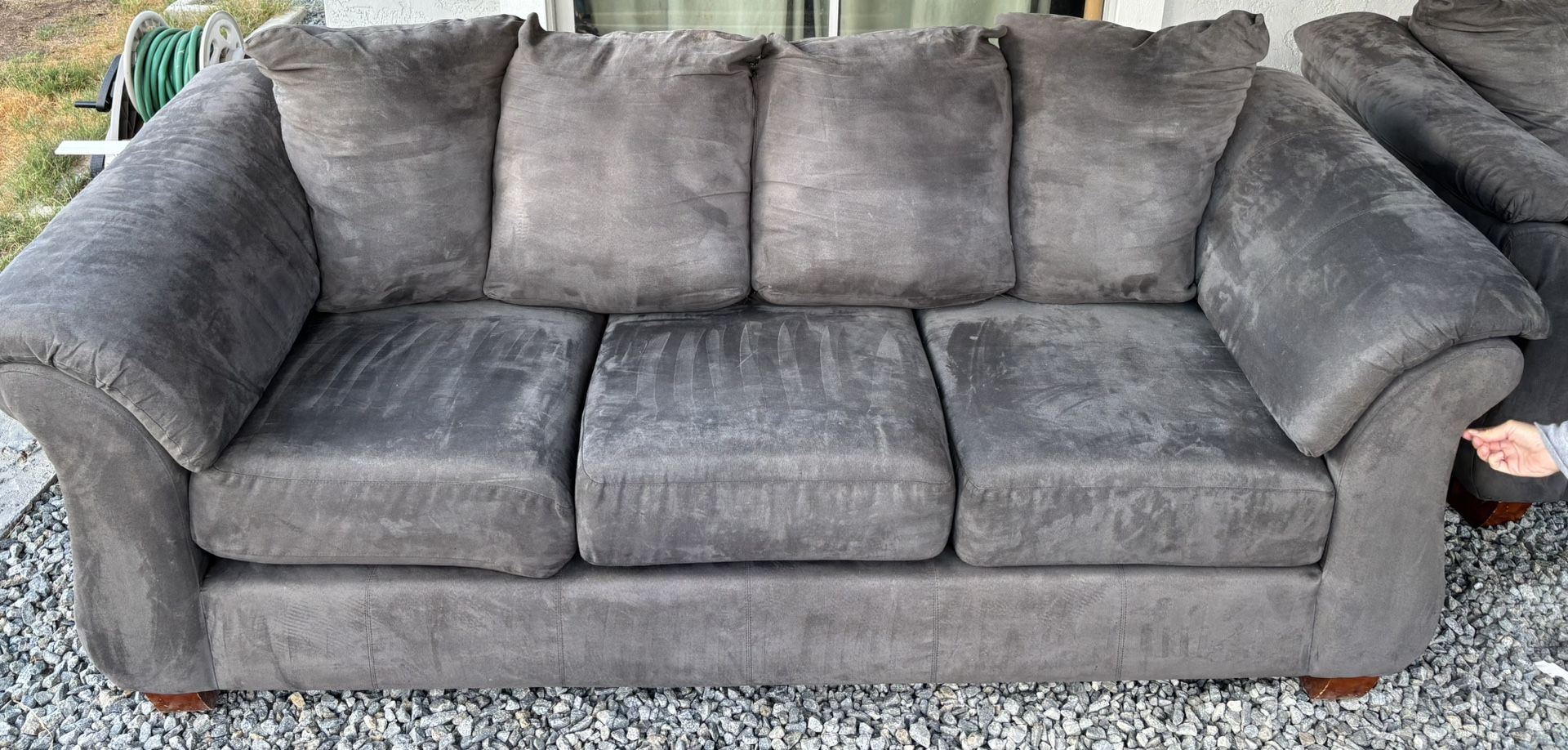
- The "Crush" Factor: While microfiber is durable, the pile can become flattened in areas of heavy use, such as the center of the seat cushions. Rotate your cushions every two to four weeks. This simple maintenance step redistributes the weight and allows the foam and fabric to recover its original shape, drastically extending the life of the couch.
- Avoid Over-cleaning: Because microfiber is so effective at repelling liquids, some users assume it is invincible and use harsh solvent-based cleaners. Always test a hidden area of the couch with any cleaning solution first to ensure it does not strip the fabric's soft finish or cause discoloration.
Frequently Asked Questions
Is microfiber better than genuine leather for daily use? Microfiber is often superior for families with pets or small children, as it resists claw punctures and liquid penetration better than most leathers. While leather develops a patina, microfiber maintains a consistent, uniform look, making it a more practical choice for "everyday comfort" in active households.
How do I fix a microfiber couch that feels "stiff" after cleaning? If a microfiber couch feels stiff after spot cleaning, it is likely due to detergent residue. Use a soft-bristled brush—specifically a dedicated upholstery brush—to gently fluff the fibers after they have dried completely. This will restore the soft, velvet-like texture of the fabric.
Does high-density foam feel too hard? High-density foam is not necessarily "hard"; it is "supportive." It provides a firmer initial sit that resists bottoming out. For those who prefer a softer feel, look for couches with a "fiber-wrap" or "down-blend" top layer over a high-density foam core. This offers the best of both worlds: long-term structure and immediate plush comfort.
Why does my microfiber couch attract so much hair? While microfiber is tightly woven, the material can sometimes carry a static charge that acts as a magnet for pet hair. Regular vacuuming with an upholstery attachment is the most effective way to manage this. If static is the primary culprit, a light misting of an anti-static fabric spray can mitigate the attraction.
Can I use a steam cleaner on a microfiber couch? Always consult the manufacturer's manual. Most microfiber furniture is not intended for deep steam cleaning, as the heat can permanently damage the synthetic fibers or shrink the fabric. Stick to manufacturer-approved cleaning codes and surface-level spot cleaning.
Final Recommendation
When shopping, focus your search on models that offer removable cushion covers with hidden zippers, as this allows for localized cleaning. Prioritize frames labeled as kiln-dried hardwood, and conduct a "sit test"—not just for 30 seconds, but for several minutes—to ensure the foam density provides the balance of support and cushion depth necessary for your daily relaxation. Verify the fabric's durability by checking for a rub count rating of at least 15,000 cycles, and choose a neutral tone that masks minor dust buildup, ensuring your sofa remains both comfortable and visually appealing for its entire lifespan.
Image Gallery