Why Surveys as a Method of Data Collection Matter
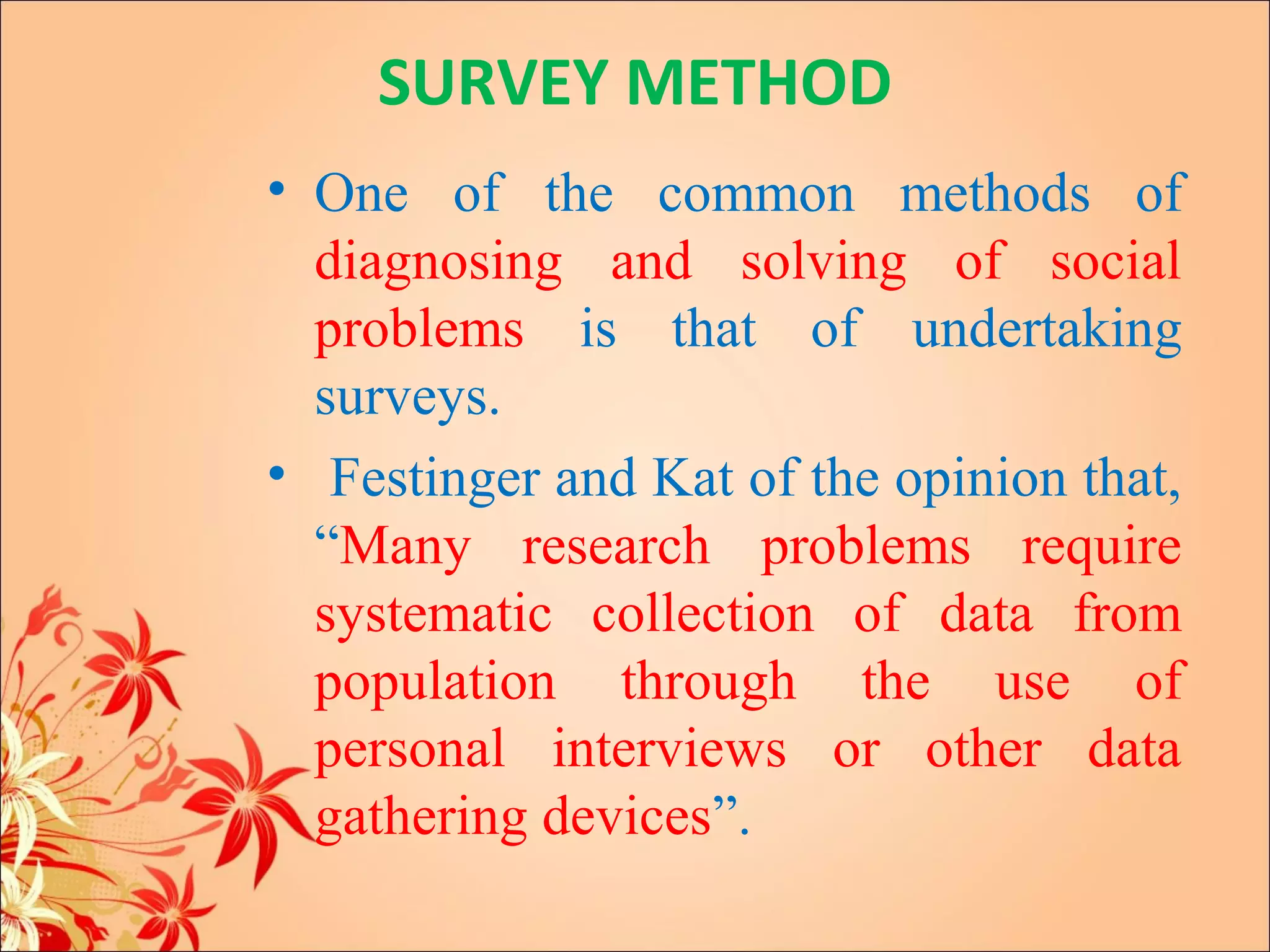
Surveys as a method of data collection matter because they provide a standardized, scalable, and cost-effective framework for gathering quantitative and qualitative insights from large, diverse populations. By enabling statistical repr...
Surveys as a method of data collection matter because they provide a standardized, scalable, and cost-effective framework for gathering quantitative and qualitative insights from large, diverse populations. By enabling statistical representativeness and participant anonymity, surveys allow researchers to transform subjective human experiences into actionable data for strategic decision-making and scientific inquiry.
Contents
The ability to extract meaningful patterns from human behavior, sentiment, and demographic trends is the cornerstone of modern institutional success. As we navigate the information landscape of 2026, the reliance on structured data has only intensified. Surveys serve as a primary bridge between raw, unorganized feedback and the sophisticated analytical models used by governments, businesses, and academic institutions. While other methods like direct observation or longitudinal case studies offer depth, the survey remains unparalleled in its capacity for breadth and generalizability.
The Democratization of Insight Through Scalability
One of the primary reasons surveys are indispensable is their inherent scalability. Unlike one-on-one interviews, which require significant chronological and financial investment per participant, a well-designed survey can reach thousands—or even millions—of respondents simultaneously. This scalability democratizes the research process, allowing organizations with limited resources to gather high-quality data that would otherwise be inaccessible.
In the context of 2026, digital infrastructure has matured to a point where "mobile-first" surveying is the global standard. This allows researchers to bypass geographical barriers, reaching remote populations in real-time. This level of access is critical for public health monitoring, crisis management, and global market research. When a sample is sufficiently large and randomly selected, the findings can be projected onto the entire population with a calculable margin of error, a concept known as external validity. Without this ability to scale, our understanding of societal trends would be limited to anecdotal evidence and small-group dynamics.
The Precision of Quantitative Analysis
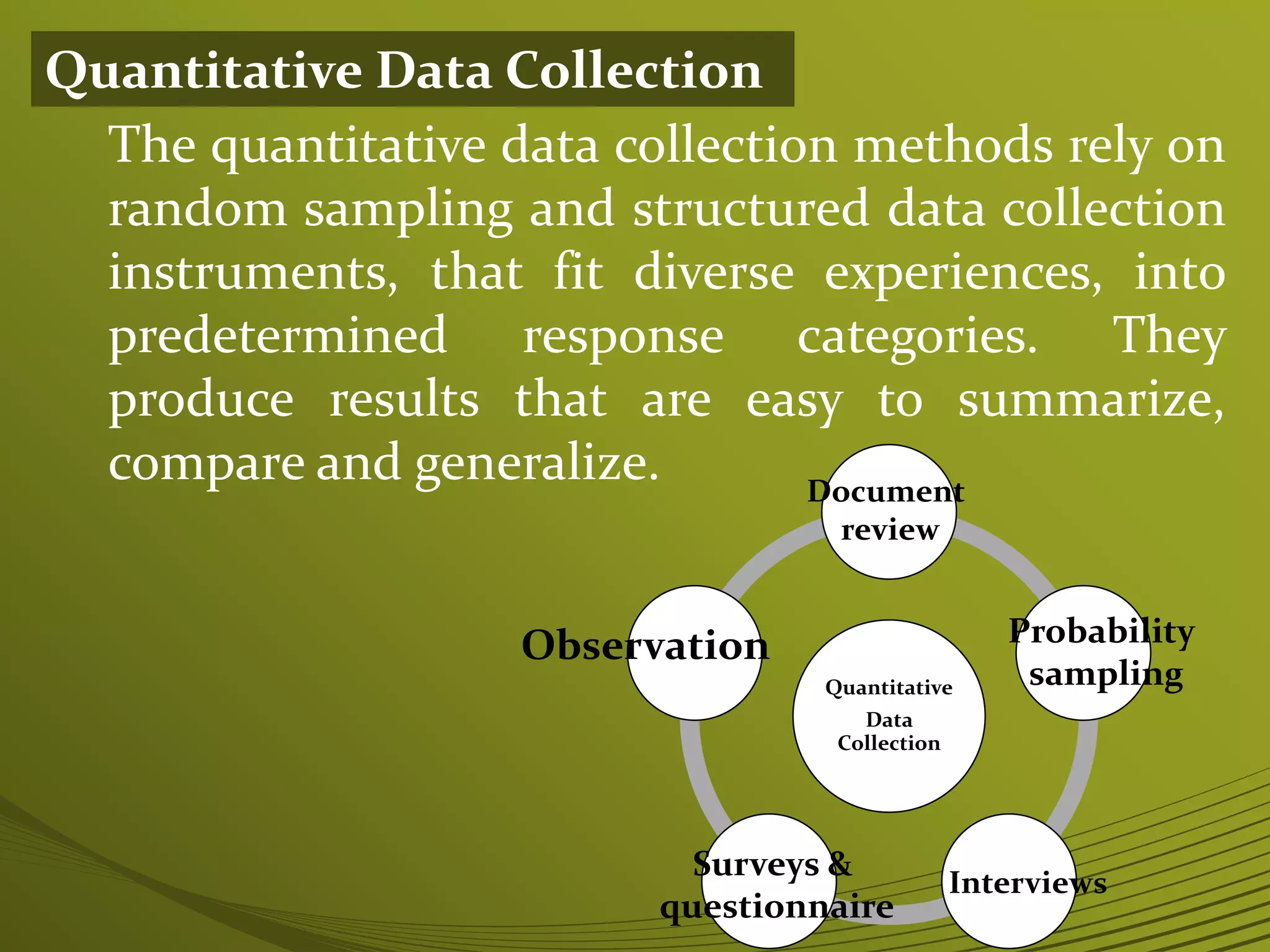
Surveys matter because they provide a structured environment that facilitates quantitative analysis. By utilizing standardized question formats—such as Likert scales, multiple-choice options, and rank-ordering—researchers ensure that every respondent is presented with the same stimuli. This consistency is vital for reducing measurement error and ensuring that the resulting data can be analyzed using rigorous statistical methods.
Standardizing Response Metrics
Standardization allows for the comparison of data across different time periods, regions, or demographic subsets. For instance, a corporation tracking employee engagement can use identical survey questions over five years to identify specific points of decline or improvement. This longitudinal capability is essential for evaluating the impact of interventions or policy changes. In 2026, the use of automated data cleaning and AI-driven sentiment analysis has further refined this process, allowing researchers to categorize open-ended qualitative responses into quantitative datasets with high reliability.
Eliminating Interviewer Bias
Another technical advantage of the survey method is the reduction of interviewer bias. In face-to-face or even telephonic interviews, the tone, body language, or perceived identity of the interviewer can inadvertently influence the respondent's answers. Self-administered surveys—whether online or paper-based—remove this interpersonal variable. This creates a "neutral" data collection environment where the focus remains entirely on the instrument’s content, leading to more objective and replicable results.
Enhancing Data Integrity Through Anonymity
The psychological aspect of data collection cannot be overstated. Surveys matter because they offer a level of perceived and actual anonymity that other methods lack. When dealing with sensitive topics—such as workplace grievances, health behaviors, or political affiliations—individuals are significantly more likely to provide honest responses if they believe their identity is protected.
This "honesty factor" is a critical component of data integrity. In 2026, privacy regulations like the GDPR and various regional updates have solidified the requirement for robust data de-identification protocols. When participants feel secure, the incidence of social desirability bias—the tendency to answer questions in a way that will be viewed favorably by others—is markedly reduced. Consequently, the data collected via surveys often reflects reality more accurately than the data collected through public forums or direct questioning.
Cost-Efficiency and Resource Optimization
From a logistical perspective, the survey method is often the most resource-efficient way to collect data. The "cost per response" for a digital survey is a fraction of the cost associated with focus groups or ethnographic studies. This efficiency allows researchers to allocate their budgets more effectively, perhaps by running multiple iterations of a study or expanding the scope of their inquiry.
| Feature | Surveys | Interviews | Focus Groups | Direct Observation |
|---|---|---|---|---|
| Primary Goal | Generalizability | Depth/Nuance | Group Dynamics | Behavioral Realism |
| Scalability | High | Low | Low | Moderate |
| Cost per Subject | Low | High | Moderate | High |
| Data Type | Mostly Quantitative | Qualitative | Qualitative | Quantitative/Qualitative |
| Potential for Bias | Low (if designed well) | High (Interviewer bias) | High (Peer pressure) | Low (Observer effect) |
| Implementation Time | Fast | Slow | Moderate | Slow |
As shown in the table above, while other methods offer specific advantages in terms of depth or behavioral realism, the survey is the most balanced option for projects requiring high reach and low costs. For organizations in 2026, where efficiency is a key performance indicator (KPI), the survey remains the default choice for preliminary research and large-scale validation.
Technical Rigor: Reliability and Validity
A survey is not merely a list of questions; it is a calibrated scientific instrument. Its importance in data collection is tied to the concepts of reliability and validity. Reliability refers to the consistency of the measurement—if the survey were repeated under similar conditions, would it yield the same results? Validity refers to the accuracy—is the survey actually measuring what it claims to measure?
Professional researchers use techniques such as Cronbach’s Alpha to test internal consistency and "pilot testing" to ensure question clarity. By adhering to these rigorous standards, the survey method provides a level of "defensible data." In legal, regulatory, or academic contexts, the ability to demonstrate that data was collected through a validated survey instrument is often the difference between a study being accepted or dismissed.
Common Pitfalls in Survey Methodology
Despite their importance, surveys are not infallible. Understanding their value also requires an awareness of where they can fail. If a survey is poorly designed, it can produce "garbage in, garbage out" scenarios that lead to catastrophic decision-making errors.
- Sampling Bias: If the survey only reaches a certain subset of the population (e.g., only those with high-speed internet), the results will not be representative of the whole.
- Leading Questions: Questions that "nudge" the respondent toward a specific answer destroy the objectivity of the data.
- Survey Fatigue: In 2026, the over-saturation of feedback requests has led to survey fatigue. If a survey is too long, respondents may provide "straight-line" answers (checking the same box for every question) just to finish, which degrades data quality.
- Non-Response Bias: If the people who choose not to take the survey differ significantly from those who do, the results will be skewed.
Addressing these pitfalls requires advanced survey logic, such as branching (where respondents only see questions relevant to them) and randomization of answer choices.
Frequently Asked Questions
What makes surveys better than interviews for data collection?
Surveys excel in scalability and objectivity. While interviews provide deep qualitative context, they are time-consuming and prone to interviewer bias. Surveys allow for the collection of data from thousands of people simultaneously, providing a statistically significant overview that interviews cannot match for the same cost.
Can surveys collect qualitative data effectively?
Yes, through open-ended questions. While surveys are primarily known for quantitative data, they can capture "the why" behind a response by allowing participants to type out their thoughts. In 2026, natural language processing (NLP) tools can analyze these text responses at scale, turning qualitative feedback into categorized data points.
How do researchers ensure a survey is representative?
Researchers use sampling frames and weighting. A sampling frame is the list of people from which the sample is drawn. Once the data is collected, "weighting" can be applied to adjust the results so they match the known demographics of the total population (e.g., ensuring the age or gender distribution in the data matches the actual census data).
What is the ideal length for a modern survey?
According to industry standards in 2026, the ideal length for a digital survey is between 5 and 10 minutes. Completion rates drop significantly after the 12-minute mark. For complex research, it is often better to break a study into several smaller, "bite-sized" surveys rather than one long instrument.
Why is participant anonymity so important in surveys?
Anonymity reduces "evaluation apprehension," where participants fear their answers might be judged or used against them. This is particularly vital in employee satisfaction surveys or public health research. High levels of anonymity correlate directly with higher response honesty and lower rates of skipped questions.
Practical Recommendation for 2026
When implementing surveys as your primary data collection method, prioritize the respondent experience (RX). Use adaptive survey logic to keep questionnaires concise, and ensure your platform is fully optimized for mobile devices, as over 80% of global surveys are now completed on smartphones. Before launching a full-scale study, always conduct a pilot test with a small group to identify ambiguous wording or technical glitches. Finally, integrate your survey data with a centralized analytics platform to ensure that the insights you gather are immediately accessible for cross-functional decision-making.
Image Gallery