Where Is the A-Number on a Visa? A Comprehensive Guide
The A-Number, or Alien Registration Number, is typically found on the front of a U.S. immigrant visa foil. It is usually listed under the "Registration Number" field and consists of seven to nine digits. For most non-immigrant visas, s...
The A-Number, or Alien Registration Number, is typically found on the front of a U.S. immigrant visa foil. It is usually listed under the "Registration Number" field and consists of seven to nine digits. For most non-immigrant visas, such as tourist or student visas, the A-Number will not be present.
Contents
Locating your Alien Registration Number (A-Number) is a critical step for anyone navigating the United States immigration system. Whether you are paying the USCIS Immigrant Fee, checking the status of a pending application, or filing for naturalization, this unique identifier serves as the primary key to your entire immigration history. While the number is ubiquitous once you become a permanent resident, finding it for the first time on a visa foil can be confusing due to the dense layout of the document and the presence of several other numerical codes.
As of 2026, the Department of State and U.S. Citizenship and Immigration Services (USCIS) have further integrated their digital systems, making the A-Number even more central to the "MyAccount" portal experience. Understanding exactly where to look on your visa, and distinguishing the A-Number from other similar-looking identifiers, is essential for avoiding processing delays and administrative errors.
Understanding the Alien Registration Number (A-Number)
The A-Number is a unique seven-, eight-, or nine-digit number assigned by the Department of Homeland Security (DHS) to identify a non-citizen. Unlike a visa number or a passport number, which can change every time a document is reissued, an A-Number is generally assigned for life. It follows the individual through various stages of their immigration journey, from the initial immigrant visa application to lawful permanent residency and, eventually, U.S. citizenship.
The primary purpose of the A-Number is to facilitate the tracking of an individual's "A-File," which is the physical and digital collection of all records related to their immigration status. This includes petitions filed on their behalf, biometric data, entry and exit records, and any legal proceedings. In the modern 2026 administrative landscape, the A-Number acts as a universal username across various federal platforms, allowing users to link their physical documents to their online USCIS profiles.
It is important to note that not everyone who enters the United States receives an A-Number. It is primarily reserved for those who are seeking permanent residency (Green Card holders) or those who have applied for specific work-related or humanitarian benefits. If you are in the U.S. on a temporary basis, such as for a vacation or a short business trip, you likely do not have one unless you have a history of previous immigration filings.
Locating the A-Number on an Immigrant Visa
When you receive your immigrant visa—the machine-readable foil affixed to a page in your passport—the A-Number is one of the most important pieces of data printed on it. However, it is not always labeled explicitly as "A-Number."
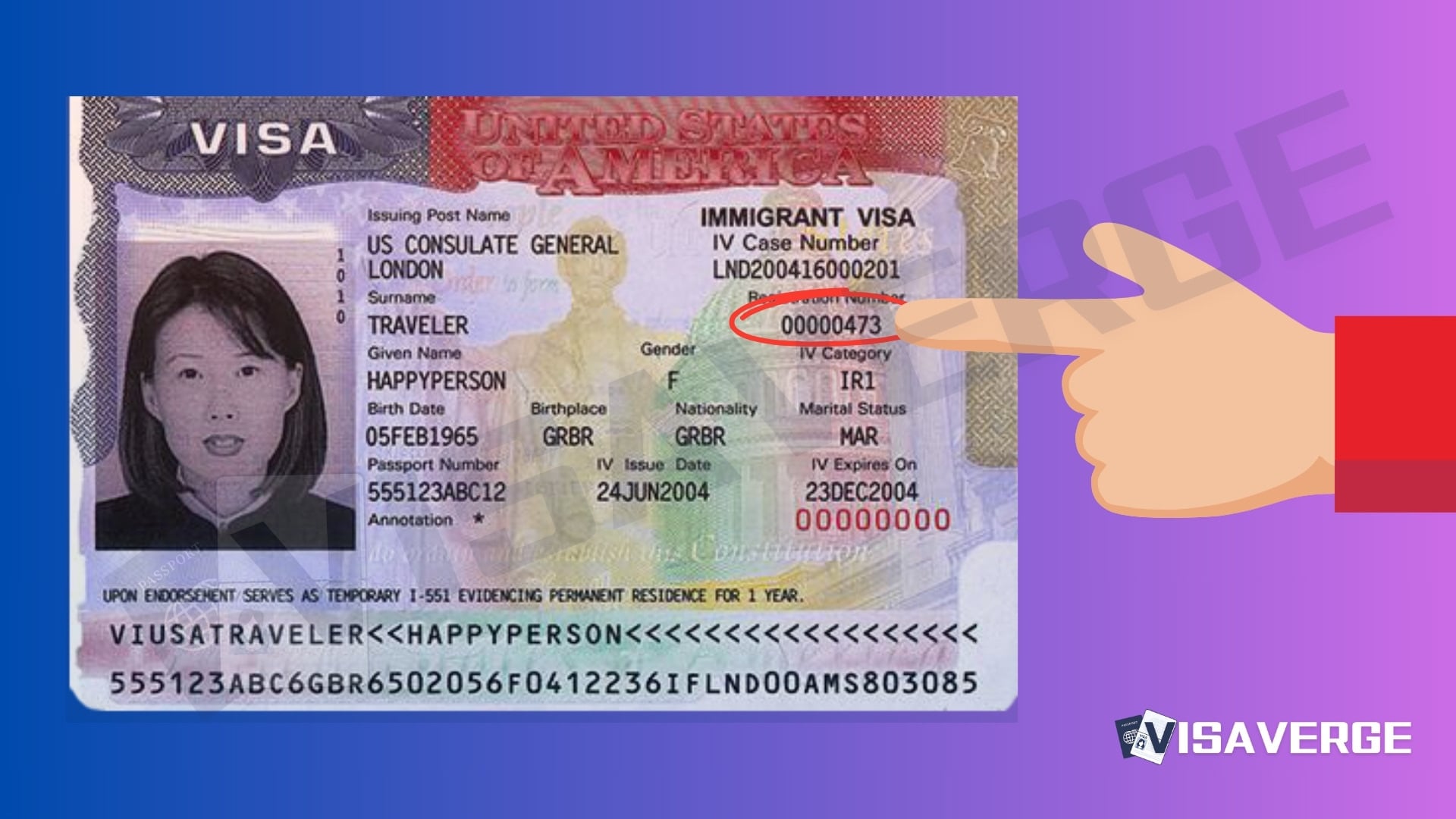
On most standard U.S. immigrant visa foils, you should look at the top right-hand portion of the sticker. You will see a field labeled Registration Number. The digits listed under or next to this label constitute your A-Number. If the number provided is fewer than nine digits, USCIS often requires you to insert a zero (or multiple zeros) at the beginning of the sequence to make it a nine-digit number for electronic forms. For example, if your visa shows "12345678," you would enter it as "012345678" on a digital application.
In some older visa formats or specific consular prints, the A-Number might also appear in the "Annotation" section at the bottom of the visa. The annotation field is used by consular officers to provide additional context about the visa's issuance. If you see a string of digits preceded by the letter "A" in this section, that is your identifier.
Distinguishing the A-Number from the Visa Foil Number
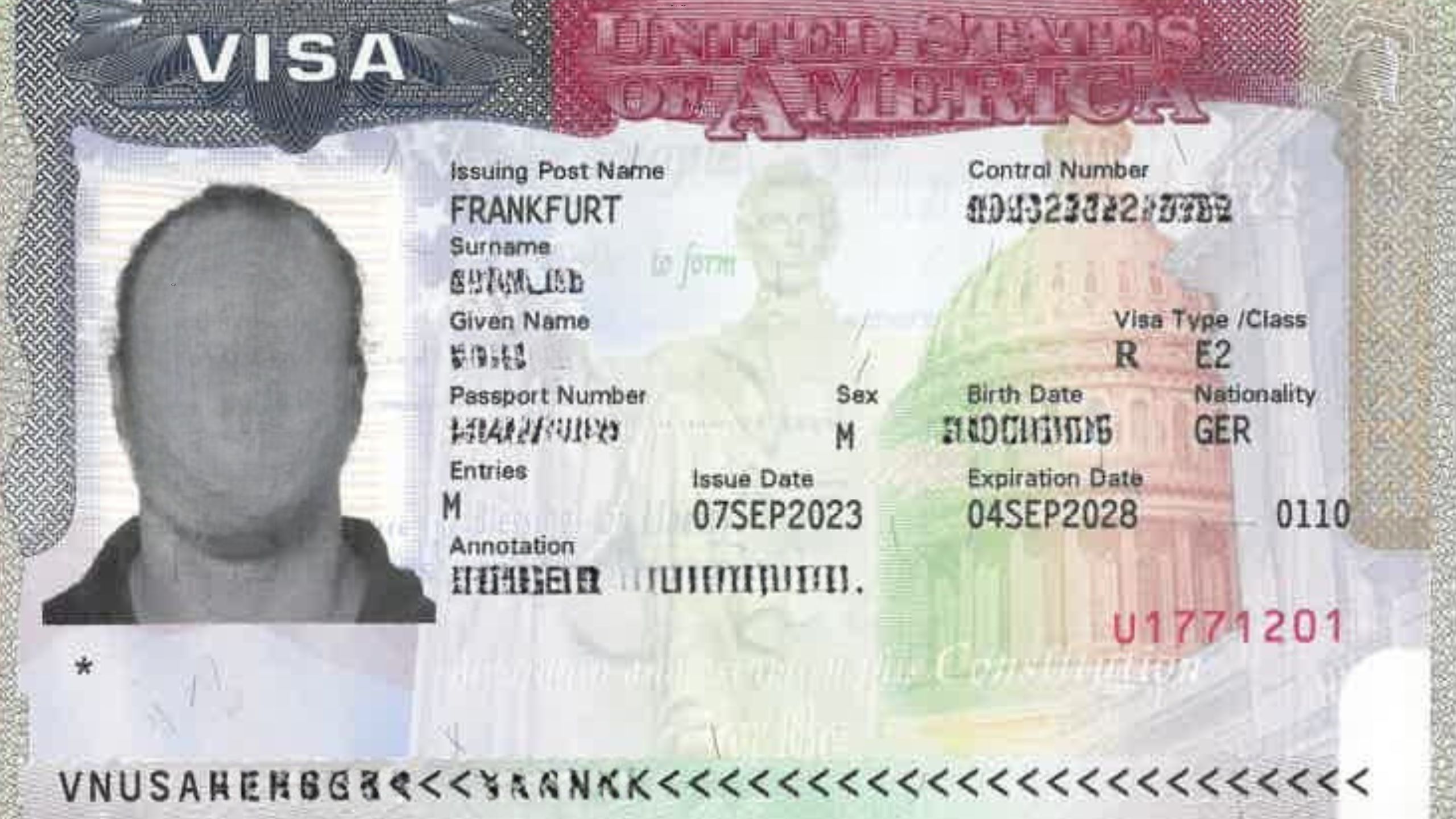
One of the most common mistakes travelers make is confusing the A-Number with the Visa Foil Number. The Visa Foil Number (also known as the visa serial number) is the red number located in the bottom right-hand corner of the visa sticker.
While the red Visa Foil Number is used to identify the physical document itself, it has no relation to your permanent immigration record. If you are asked for your A-Number on a form and you provide the red visa number, your application will likely be rejected or returned for correction. The A-Number is almost always printed in black ink, whereas the visa number is distinctively red and typically contains eight characters.
Finding the A-Number on Supporting Documents
If your visa is difficult to read or if you are looking at different types of paperwork provided by the U.S. Consulate, the A-Number can be found in several alternative locations.
The USCIS Immigrant Fee Handout
When you receive your immigrant visa from the consulate, you are typically given a summary sheet or a handout that explains how to pay the USCIS Immigrant Fee. This fee must be paid before you can receive your physical Green Card. This handout prominently displays both your A-Number and your DOS Case ID. The A-Number is essential for logging into the payment portal.
The Immigrant Data Summary
Often stapled to the outside of the "sealed packet" (or provided digitally if your processing was paperless) is the Immigrant Data Summary. This document serves as a condensed version of your profile for U.S. Customs and Border Protection (CBP) officers at the port of entry. Your A-Number is usually located in the top right corner of this summary sheet.
Form I-797, Notice of Action
If you were already in the United States and adjusted your status, or if a family member petitioned for you, the A-Number appears on the Form I-797, Notice of Action. On this form, look for the field labeled "USCIS#" or "A#." This is the same number that will eventually be printed on your Green Card.
Comparison of Numerical Identifiers on U.S. Documents
To help clarify the differences between the various numbers you may encounter, the following table breaks down the most common identifiers found on visas and related immigration documents.
| Identifier Name | Typical Location | Purpose | Format |
|---|---|---|---|
| A-Number | Top right of visa (Registration Number) | Permanent immigration ID | 7-9 digits (e.g., 012345678) |
| Visa Foil Number | Bottom right of visa foil | Identifies the physical sticker | 8 characters, printed in RED |
| DOS Case ID | Top center of immigrant visa | Tracks the specific visa application | 3 letters followed by 10 digits |
| Passport Number | Top right of passport page | International travel identification | Alphanumeric (varies by country) |
| SEVIS ID | Top left of I-20 or DS-2019 | Tracks students and exchange visitors | Starts with "N" followed by 10 digits |
Why the A-Number is Vital in 2026
In the current year of 2026, the A-Number has become the primary anchor for the "Digital Immigration File." The transition toward a fully paperless system means that nearly every interaction with the U.S. government regarding your status requires this number.
- USCIS Immigrant Fee Payment: Before traveling to the U.S. or shortly after arrival, immigrant visa holders must pay a fee to cover the costs of processing and mailing the permanent resident card. You cannot complete this payment without your A-Number and Case ID.
- Tracking Status via MyAccount: USCIS now encourages all new arrivals to create a personalized online account. Your A-Number allows the system to link your historical visa data to your new digital profile, providing real-time updates on card production and delivery.
- Employment Verification (I-9): When you begin a job in the United States, you must complete Form I-9. Lawful permanent residents often use their A-Number (found on their visa or Green Card) to prove their authorization to work.
- Driver's License and Social Security: Most states require proof of legal status to issue a driver's license. The A-Number is used via the SAVE (Systematic Alien Verification for Entitlements) program to verify your status with the federal government.
What If Your Visa Does Not Have an A-Number?
It is entirely normal for many visa holders to not find an A-Number on their document. This is particularly true for non-immigrant categories. If you are traveling on a B-1/B-2 (Visitor), F-1 (Student), or H-1B (Temporary Worker) visa, the A-Number field is often left blank or the "Registration Number" field may simply not exist on your specific foil.
Non-immigrant visa holders are generally tracked by their Form I-94 (Arrival/Departure Record) number rather than an A-Number. However, if an H-1B worker or an F-1 student later applies for an Employment Authorization Document (EAD) or starts the process for a Green Card, USCIS will assign them an A-Number at that time. Once assigned, that number should be used for all future filings.
If you are an immigrant visa holder and you cannot find your A-Number anywhere on your visa or accompanying documents, you should contact the U.S. Consulate that issued the visa or consult with an immigration professional. Entering the U.S. without knowing this number can make the initial months of residency difficult, as you will need it for almost all administrative tasks.
Frequently Asked Questions
Is the A-Number the same as the USCIS Number?
Yes. On modern Green Cards (Form I-551) issued over the last several years and into 2026, the label "USCIS#" is used instead of "A-Number." The numbers are identical and serve the same purpose. They are the 7-to-9-digit unique identifiers for the individual non-citizen.
Can my A-Number change over time?
In the vast majority of cases, no. Your A-Number is intended to be a permanent identifier. However, in rare instances of administrative error where an individual is accidentally assigned two different numbers, USCIS will consolidate them into one. You should always use the number that appears on your most recent official document, such as your Green Card.
Do I need an A-Number to enter the U.S.?
If you are an immigrant visa holder, your A-Number will be on your visa, and you will need it for post-entry processes. However, the CBP officer at the port of entry primarily uses the machine-readable zone (the two lines of text at the bottom of the visa) to pull up your records. You do not need to memorize the number to pass through customs, but you will need it immediately afterward for your fee payments.
Where is the A-Number on a K-1 Fiance Visa?
K-1 visas are technically non-immigrant visas, but because they have "immigrant intent," they often include an A-Number. Look in the "Annotation" section at the bottom of the visa foil. If a number is listed there starting with "A," that is your Alien Registration Number, which you will use when you file for Adjustment of Status after marriage.
How do I find my A-Number if I lost my visa?
If you have lost your passport containing the visa, you can find your A-Number on any receipt notices (Form I-797) you received during the petition process. Alternatively, you can file a Freedom of Information Act (FOIA) request with USCIS to obtain a copy of your records, though this process can take several months.
Practical Recommendations
Once you have located your A-Number on your visa, write it down and store it in a secure digital location, such as a password manager or an encrypted cloud drive. Do not rely solely on the physical visa foil, as passports can be lost or damaged.
When filling out forms, always verify whether a nine-digit number is required. If your A-Number on the visa is "87654321" (eight digits), ensure you enter it as "087654321" on any electronic USCIS forms in 2026. This simple step prevents automated systems from flagging your application as incomplete. Finally, ensure you are looking at the "Registration Number" field and not the red "Visa Foil Number" to avoid one of the most common and easily avoidable clerical errors in the immigration process.
Image Gallery